Navigating Intimacy and Emotional Well-being During GLP-1 Medication Therapy for Diabetes Management

The rapid rise of glucagon-like peptide-1 (GLP-1) receptor agonists has fundamentally altered the landscape of diabetes care and weight management, offering unprecedented clinical outcomes for patients. However, as these medications become a standard component of many treatment regimens, healthcare providers are increasingly recognizing that their impact extends well beyond glycemic control and body mass index (BMI) reduction. Emerging clinical observations suggest that the psychological and physiological shifts induced by these therapies—ranging from altered satiety signaling to rapid body composition changes—can profoundly affect a patient’s personal life, particularly regarding self-image, sexual health, and relationship dynamics.
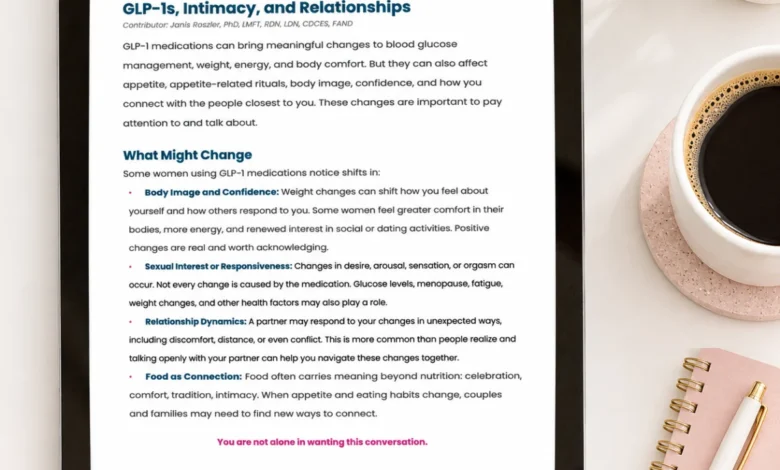
To address this complex intersection of endocrinology and behavioral health, DiabetesSisters has released a comprehensive educational resource authored by Dr. Janis Roszler, a multi-disciplinary expert specializing in marriage and family therapy, nutrition, and diabetes education. This initiative reflects a broader movement within the medical community to move toward a more holistic patient-centered care model that prioritizes the psychosocial aspects of chronic disease management.
The Evolution of GLP-1 Therapy
The clinical history of GLP-1 agonists began with the approval of exenatide in 2005. Since then, the class has evolved through various iterations, including liraglutide and the highly potent semaglutide and tirzepatide. These drugs function by mimicking the GLP-1 hormone, which stimulates insulin secretion, suppresses glucagon release, and delays gastric emptying.
The primary clinical focus for nearly two decades was the reduction of HbA1c levels and the mitigation of cardiovascular risks associated with type 2 diabetes. However, the secondary effect of significant weight loss brought these medications into the global spotlight. By 2023, the global market for GLP-1 medications was valued at approximately $35 billion, with projections suggesting continued exponential growth. As millions of patients transition onto these therapies, the medical community is now tasked with documenting the "lived experience" of patients, which includes the often-overlooked emotional and relational side effects.
Psychosocial Implications of Rapid Physiological Change
The transition from chronic hyperglycemia to stabilized glucose levels, often accompanied by rapid weight loss, triggers a cascade of psychological adjustments. Clinical psychologists have noted that patients undergoing significant physical transformations frequently experience "identity adjustment syndrome." When an individual’s body image changes rapidly, it can create a disconnect between their internal self-perception and their external appearance.
For women living with diabetes, these changes are often compounded by the historical burden of managing a chronic, invisible, and sometimes stigmatized condition. Research indicates that women with diabetes are at a higher risk for depression and anxiety compared to their counterparts without the condition. The introduction of GLP-1 therapy, while beneficial, can introduce new stressors:
- Shifts in Appetite and Social Eating: GLP-1s fundamentally change the biological relationship with food. This can disrupt long-standing social rituals, such as dining with a partner, which are often central to relationship bonding.
- Body Image and Intimacy: As body composition changes, individuals may feel a renewed sense of confidence or, conversely, a heightened state of vulnerability regarding their sexual health and desirability.
- Communication Barriers: The lack of standardized clinical guidance on discussing "intimacy side effects" means many patients feel isolated when navigating these emotional shifts.
Bridging the Gap: Expert Guidance
Dr. Janis Roszler’s work addresses these specific challenges by providing a framework for patients to communicate their experiences to their partners. In her guidance, she emphasizes that the goal of medical therapy should be "whole-person health," which includes the preservation and strengthening of emotional intimacy.
The handout produced by DiabetesSisters focuses on three core pillars:
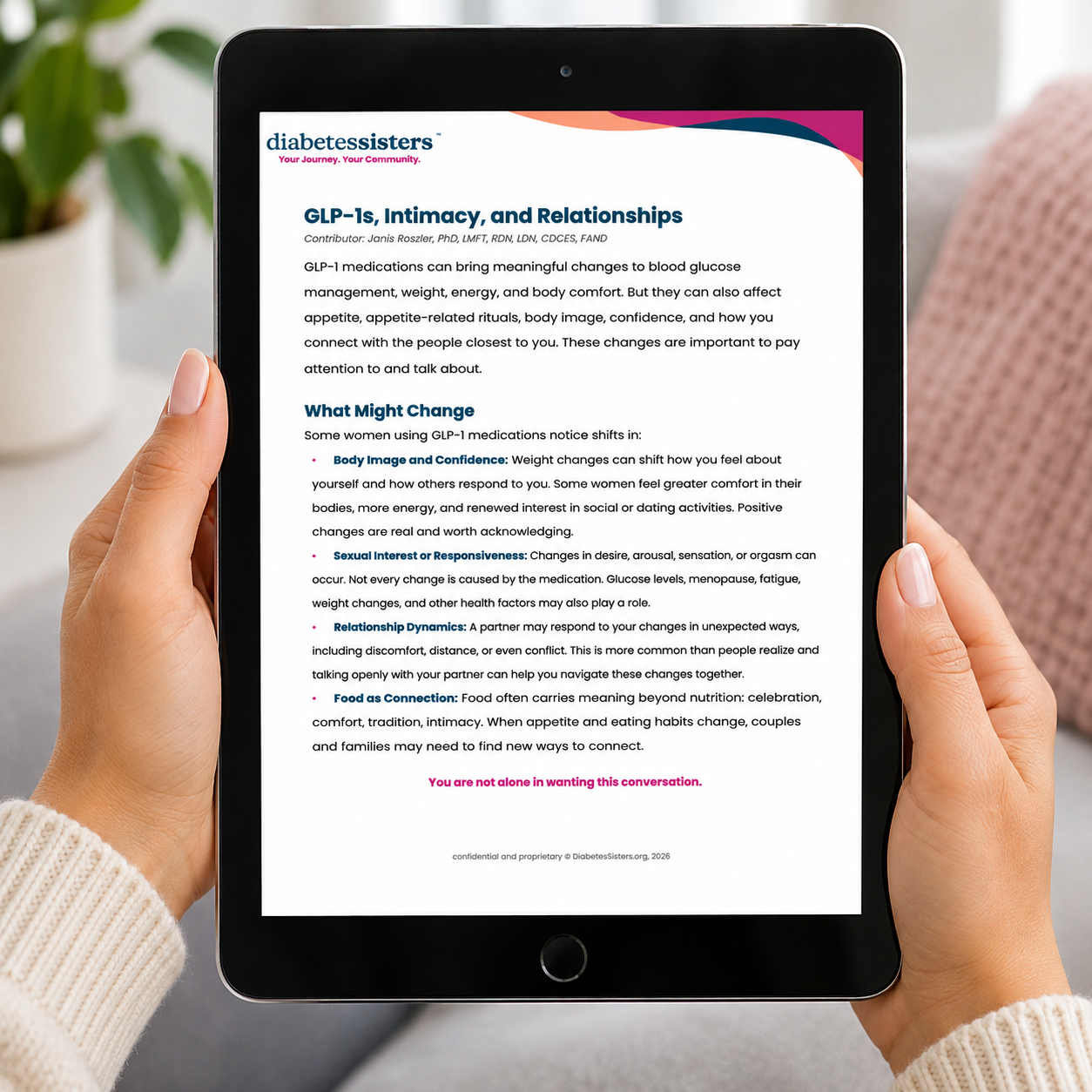
- The Biology of Connection: Helping patients understand how hormonal changes and appetite suppression can influence mood, energy levels, and libido.
- Communication Strategies: Providing actionable scripts for patients to initiate conversations with partners who may be confused by their changing habits, such as diminished interest in restaurant-heavy date nights.
- Reclaiming Confidence: Offering tools to help patients navigate the "new normal" of their physical selves while maintaining a sense of agency and self-worth.
Fact-Based Analysis of Clinical Trends
Data from recent longitudinal studies suggest that while GLP-1 therapy is overwhelmingly positive for physical health, the "emotional burden of management" remains a significant variable in treatment adherence. A 2023 survey of patients on semaglutide indicated that while 85% reported improved confidence due to weight loss, approximately 30% reported that the psychological adjustment period was more difficult than expected.
The implications for healthcare systems are clear: the "doctor-patient" conversation must expand. Endocrinologists, who traditionally focus on laboratory results—such as fasting glucose and lipid profiles—are increasingly being encouraged to integrate behavioral screening into their consultations. The release of the DiabetesSisters handout represents a proactive attempt to standardize this support, ensuring that patients are not just managing their diabetes, but thriving in their personal lives.
The Role of Advocacy and Education
The initiative by DiabetesSisters is part of a growing trend of patient-led advocacy. By providing free, accessible educational materials, organizations are filling a critical gap in traditional clinical care. Medical appointments are often time-constrained, leaving little room for deep discussions regarding sexual health or emotional intimacy.
Experts in the field of sexual health have long advocated for the inclusion of "intimacy screenings" in chronic disease care. For women, in particular, the interplay between hormonal regulation and sexual desire is complex. When medications like GLP-1s alter these systems, the resulting changes in libido or physical comfort are not merely side effects; they are valid clinical concerns that impact quality of life.
Navigating the Future: A Holistic Approach
As the medical community continues to refine the use of GLP-1s, the emphasis is shifting toward long-term maintenance. The initial excitement surrounding the efficacy of these drugs is being tempered by the reality of long-term use. Sustainability in any medical therapy requires that the patient feels supported in every facet of their life.
The integration of mental health resources into diabetes care is no longer a luxury; it is a necessity for long-term patient retention and overall wellness. The guidance provided by Dr. Roszler serves as a roadmap for this integration. By encouraging open dialogue, acknowledging the validity of emotional fluctuations, and providing practical tools for relationship management, the medical community can ensure that the success of GLP-1 therapy is measured not just by the numbers on a scale or a lab report, but by the quality of the patient’s lived experience.
Conclusion and Call to Action
The journey of living with diabetes is multifaceted, encompassing medical, emotional, and relational dimensions. The emergence of GLP-1 medications has provided a powerful tool for physiological health, yet the psychosocial journey remains a deeply personal one.
For those currently navigating the complexities of GLP-1 therapy, the DiabetesSisters resource acts as a vital bridge. It empowers women to take control of the narrative surrounding their health and their relationships. By downloading these materials, patients gain access to strategies that have been curated by experts who understand the intersection of clinical care and the nuances of human connection. As we look toward the future of diabetes management, it is clear that treating the whole person—mind, body, and relationship—will be the defining standard of quality care. Patients are encouraged to utilize these resources to foster deeper connections and navigate their treatment journey with greater confidence and support.
Related posts: