Fueling the Next Generation: A Comprehensive Guide to High-Protein Snacks for Young Athletes


The demands placed on young athletes today extend far beyond the physical exertion of game day. Between school schedules, daily practices, weekly tournaments, and recreational activities, children and adolescents burn through substantial amounts of energy. Meeting these metabolic needs requires more than just filling an empty stomach; it demands strategic nutritional planning centered on growing bodies. Pediatric sports nutritionists emphasize that active youth require a delicate balance of macronutrients—specifically carbohydrates for sustained energy and protein for muscle repair—alongside adequate hydration, vitamins, and minerals.
Historically, youth sports nutrition was an afterthought, often relegated to post-game orange slices and whatever convenience foods parents could grab on the way to the field. However, as youth sports have evolved into more structured, year-round commitments, sports dietitians and pediatric health organizations have shifted their focus toward intentional fueling. Recent data from the Centers for Disease Control and Prevention (CDC) and pediatric health agencies indicate that active children aged 6 to 17 require targeted nutritional support to sustain their growth trajectories while managing high-intensity athletic output.
Rather than relying on expensive, highly processed commercial sports bars, shakes, and protein powders, modern dietary guidelines advocate for whole-food alternatives. Experts point out that whole foods not only deliver cleaner fuel but also teach children sustainable eating habits that extend well beyond their athletic careers.
Understanding Nutritional Requirements for Growing Athletes
To construct an effective sports nutrition plan, parents and coaches must understand the distinct physiological roles of various nutrients. Protein is fundamental for building and repairing muscle tissue damaged during rigorous physical activity, but it cannot function in isolation. According to sports dietetics research, carbohydrates serve as the primary fuel source for high-intensity exercise, replenishing depleted glycogen stores in the liver and muscles. Healthy fats provide a dense, long-lasting energy reserve and enhance satiety, while fluids and electrolytes maintain optimal thermoregulation and cardiovascular function.
The timing of nutrient intake is equally critical. Nutritionists categorize sports nutrition into pre-activity and post-activity phases. Prior to a game or practice, young athletes need easily digestible carbohydrates paired with a moderate amount of protein to top off energy reserves without causing gastrointestinal distress. Conversely, the post-activity window—often referred to as the recovery phase—requires a combination of protein and carbohydrates to jumpstart muscle protein synthesis and glycogen replenishment. Portion sizes must remain flexible, tailored to the child’s age, body mass, metabolic rate, and the intensity and duration of the upcoming or completed activity.
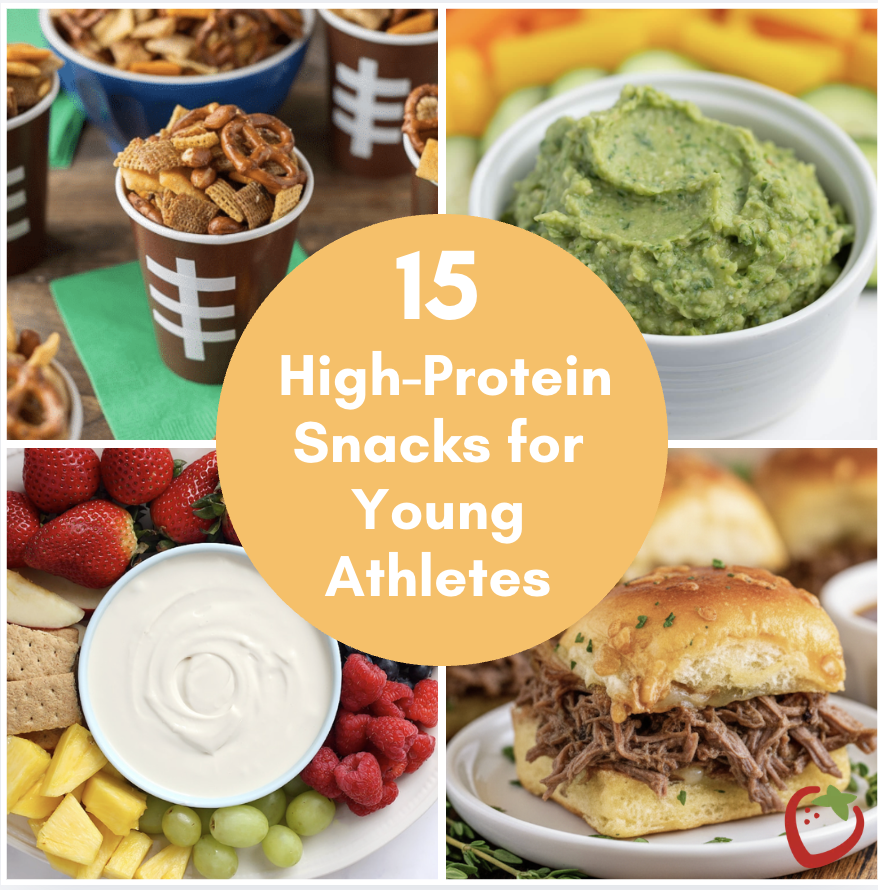
Top 15 Whole-Food, High-Protein Snacks for Active Kids
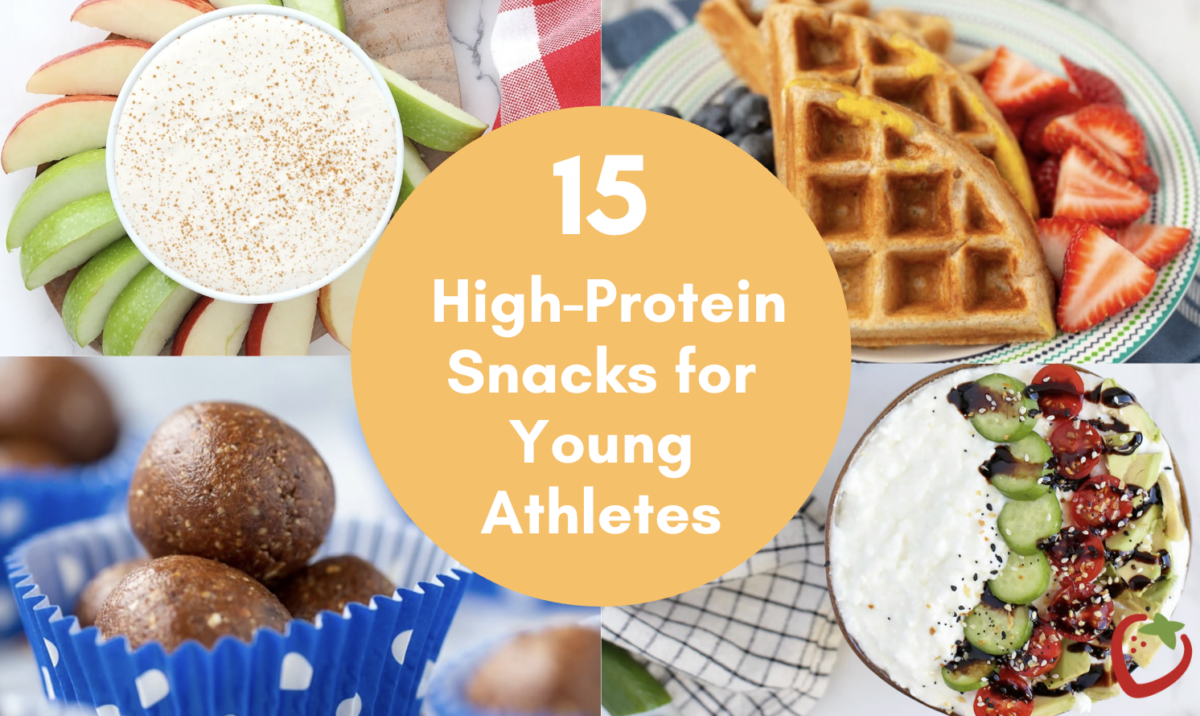
Transitioning away from commercial supplements does not mean sacrificing convenience. A variety of nutrient-dense, high-protein snacks can be easily prepared at home and transported to practices, tournaments, and school events.
-
Mixed Berry Protein Smoothies
Blending frozen berries, a banana, Greek yogurt, milk, and a natural protein source creates a refreshing beverage that is easy to consume even when a young athlete lacks an appetite post-exercise. The fruit supplies rapid carbohydrates, while Greek yogurt contributes high-quality dairy protein and a creamy consistency. -
High-Protein Cottage Cheese Bowls
Cottage cheese offers a remarkably versatile canvas, yielding approximately 17 grams of protein per serving. It can be prepared in sweet variations with berries, honey, and cinnamon, or savory formats featuring tomatoes, cucumbers, and a touch of olive oil, providing an immediate balance of protein and carbohydrates with zero cooking required. -
Kid-Friendly Blueberry Protein Popsicles
Particularly useful during warmer months, these frozen treats combine Greek yogurt, blueberries, milk, and a natural sweetener. They deliver essential muscle-repairing protein and refreshing hydration simultaneously.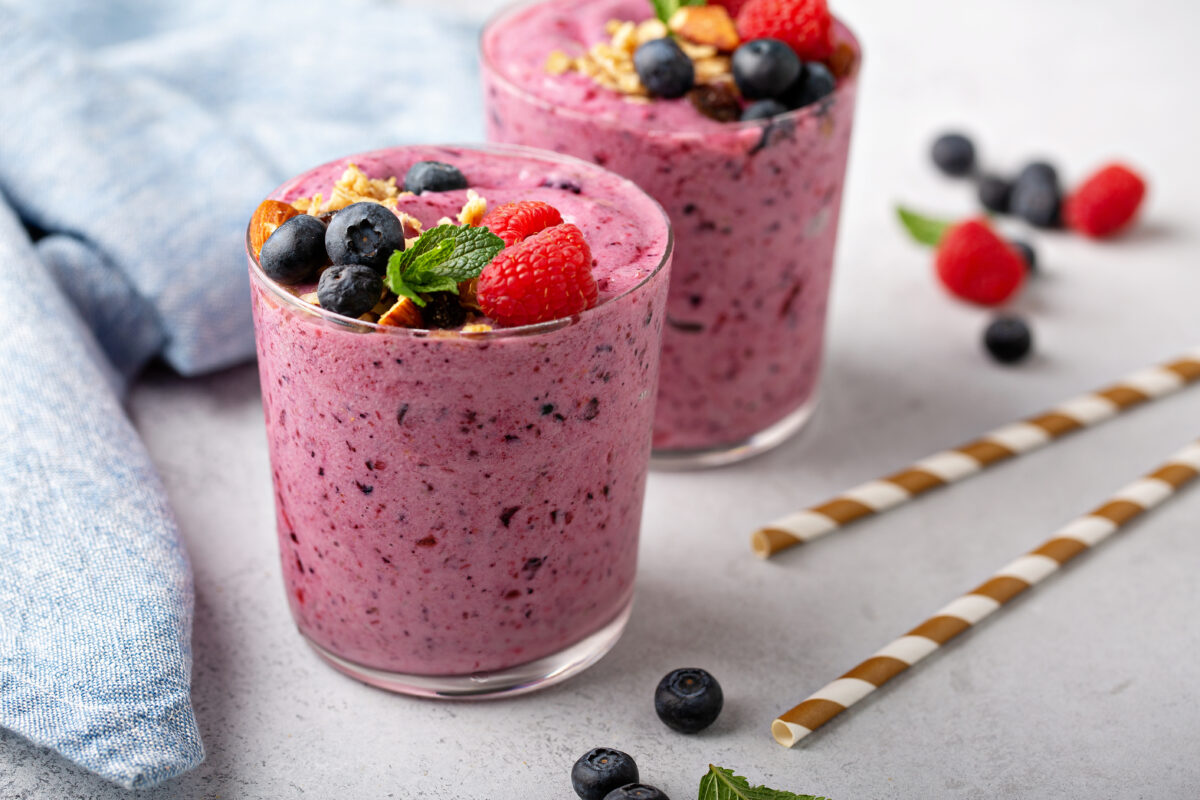
-
Peanut Butter Fudge Protein Energy Balls
Composed of whole-food ingredients such as peanut butter, rolled oats, dates, sunflower seeds, and cocoa, these portable bites offer approximately 8 grams of plant-based protein per two-piece serving. They serve as an ideal pre-practice energy boost. -
Easy High-Protein Edamame
Steamed edamame sprinkled with sea salt offers a simple, interactive finger food. Rich in plant-based protein, fiber, and essential minerals, it requires minimal preparation and pairs well with whole-grain crackers or fruit. -
Homemade Chocolate RX-Style Bars
Designed for older youths and teenagers mirroring adult dietary habits, these homemade bars blend almonds, cashews, dates, cocoa, and egg-white powder. Each bar delivers roughly 10 grams of protein, offering a shelf-stable option for tournament days. -
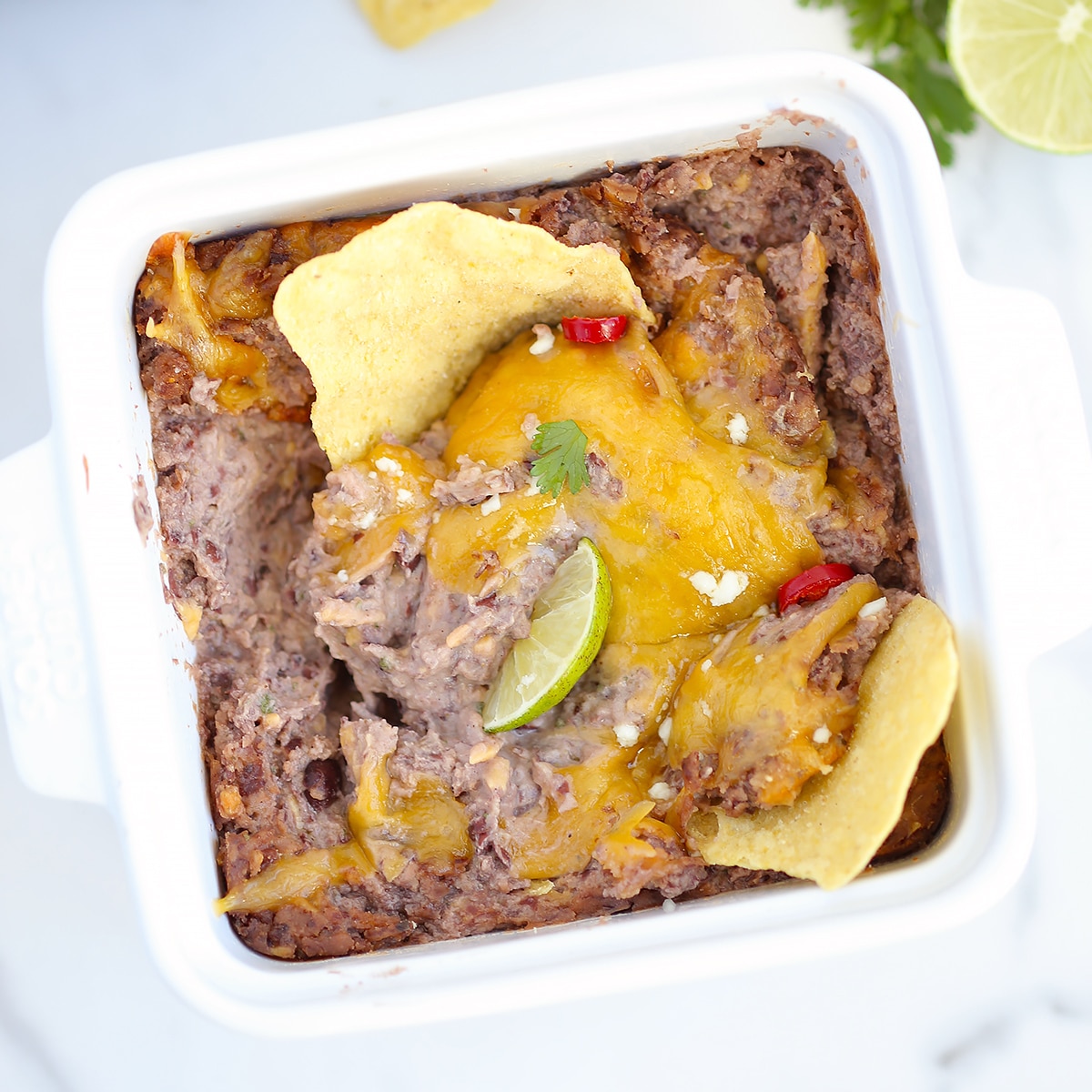
High-Protein Black Bean Dip
Beans are frequently overlooked in youth nutrition. Combining black beans with Greek yogurt, mild spices, and cheddar cheese produces a nutrient-dense dip yielding about 14 grams of protein per serving when paired with whole-grain tortilla chips or fresh vegetables.
-
Kid-Friendly Protein Waffles
Whole-wheat waffles fortified with Greek yogurt, milk, and whole eggs yield approximately 15 grams of protein each. Families can freeze batches in advance and toast them rapidly for a dependable pre- or post-practice meal. -
Roasted Chickpeas
Offering a crunchy alternative to processed chips, roasted chickpeas can be seasoned in varieties such as cinnamon sugar, barbecue, or cool ranch. A standard serving supplies roughly 9 grams of protein alongside vital dietary fiber. -
Healthy Yogurt Fruit Dip
Combining Greek yogurt with vanilla, cinnamon, and a touch of maple syrup transforms standard fruit slices into an engaging snack. This combination supplies immediate carbohydrate energy alongside sustained dairy protein. -
Crunchy Roasted Peas
Tossed in olive oil and garlic salt and roasted until crispy, green peas provide approximately 5 grams of plant-based protein per serving, offering an inexpensive, highly transportable crunch.
-
Greek Yogurt Dip with Veggies
Utilizing Greek yogurt as a savory base flavored with dill, onion, and garlic, this dip encourages vegetable consumption while providing about 7 grams of protein, which can be amplified with pita wedges. -
Kids Can Make ‘Em Energy Bites
No-bake bites formulated with oats, peanut butter, chia seeds, flaxseed, and coconut allow children to participate in their own meal preparation, fostering positive relationships with food while delivering 7 grams of protein per serving. -
Chia Seed Energy Bites
Requiring only minutes to assemble, these refrigerator-stable bites rely on oats, honey, peanut butter, and chia seeds to provide a balanced ratio of complex carbohydrates, healthy fats, and plant-based protein. -
Raspberry Quinoa Smoothie
Blending cooked quinoa with milk, Greek yogurt, and raspberries yields a remarkably hearty smoothie containing approximately 22 grams of protein per serving, making it exceptionally well-suited for teenagers with elevated caloric demands.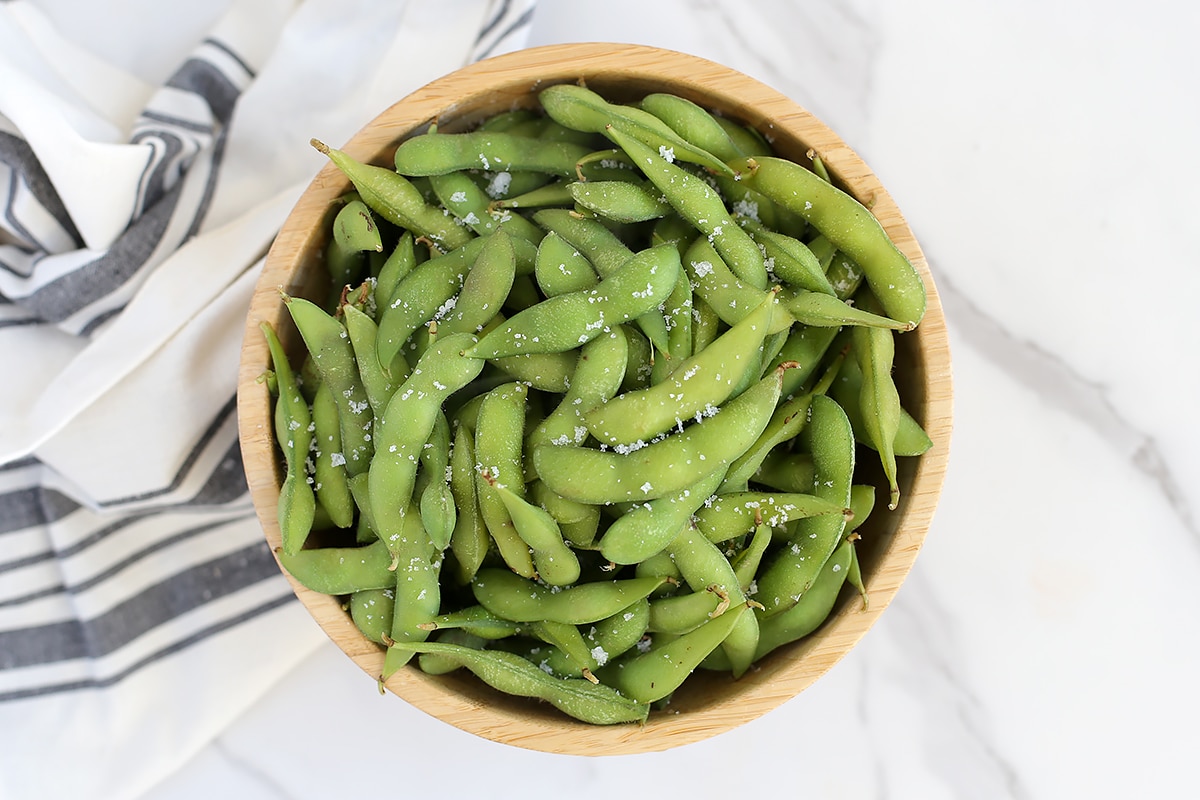
Evaluating the Role of Protein Powders and Supplements
A frequent dilemma for parents of elite or multi-sport youth athletes is whether to incorporate commercial protein powders, shakes, or specialized amino acid supplements into their children’s diets. Pediatric sports dietitians generally advise caution, asserting that whole foods should always take precedence.
From a physiological standpoint, most children and adolescents easily meet their daily protein requirements through standard dietary sources such as poultry, fish, eggs, dairy, legumes, and grains. The American Academy of Pediatrics notes that excessive protein supplementation places unnecessary stress on developing kidneys and offers no performance advantage over whole-food nutrition. Furthermore, the supplement industry lacks rigorous pre-market safety regulation by federal authorities, raising concerns regarding potential contamination with banned substances or unlisted stimulants.
Parents considering specialized supplementation for adolescent athletes are strongly urged to consult a board-certified sports dietitian or a pediatrician before introducing products outside of standard nutritional frameworks.
Strategic Pre- and Post-Activity Fueling Guidelines
Optimizing athletic performance requires precise timing. Snacks consumed immediately before exercise must be low in fiber and fat to prevent gastric distress, focusing instead on easily digestible carbohydrates with a minimal protein anchor. Conversely, snacks consumed within 30 to 45 minutes following the cessation of activity should prioritize the recovery matrix: a 3-to-1 or 4-to-1 ratio of carbohydrates to protein to rapidly restore muscle glycogen and initiate tissue repair.
Hydration remains an omnipresent requirement. Water should be accessible before, during, and after physical exertion, with sports beverages reserved exclusively for prolonged, high-intensity exercise exceeding 60 minutes in extreme heat environments.
Broader Implications and Public Health Impact

The growing emphasis on intentional youth sports nutrition reflects a broader cultural shift toward proactive pediatric health. Childhood obesity rates and sedentary lifestyles continue to pose public health challenges, yet structured athletic participation remains a vital countermeasure. By equipping families with accessible, whole-food strategies to fuel athletic performance, public health advocates hope to instill lifelong nutritional literacy.
Ultimately, fueling a young athlete does not require a culinary degree or a specialized budget. Through basic meal planning, strategic pairing of macronutrients, and a reliance on wholesome kitchen staples, parents can effectively support the physical development, athletic performance, and long-term well-being of the next generation.