Nurturing Emotional Intelligence and Social Competency in Early Childhood Development

The formative years of early childhood—specifically the period encompassing late toddlerhood through the preschool years—represent a critical window for neurological and psychological growth. Recent data from developmental psychologists indicate that during this phase, the brain undergoes rapid synaptic pruning and expansion, particularly in areas associated with executive function and emotional regulation. Educators and caregivers are increasingly prioritizing social-emotional learning (SEL) as a foundational pillar of early education, recognizing that the ability to navigate peer interactions and label complex emotions serves as a primary predictor of long-term academic and social success.
The Developmental Timeline of Social-Emotional Growth
Social-emotional development does not occur in a vacuum; it follows a predictable, albeit individualized, trajectory. Between the ages of two and five, children transition from egocentric play toward collaborative interaction. According to the National Association for the Education of Young Children (NAEYC), the development of "theory of mind"—the understanding that others have perspectives, desires, and intentions different from one’s own—typically begins to emerge around age three.
By age four, most children are capable of engaging in sustained cooperative play. This progression is punctuated by milestones such as sharing, conflict resolution, and the ability to articulate needs. When these milestones are supported by structured, intentional guidance from adults, children develop greater resilience, which clinical studies suggest reduces the incidence of behavioral disorders in later elementary school years.

Pedagogical Strategies for Peer Interaction
To foster these competencies, modern early childhood curricula emphasize specific, replicable strategies that can be implemented in both classroom settings and domestic environments.
Cultivating the Skill of Reciprocity
Taking turns is often the first formal social challenge a child faces. Developmental experts recommend shifting the focus from "sharing," which can trigger anxiety in young children, to "taking turns." By introducing shared resources—such as rolling pins or sculpting tools in a playdough activity—educators provide a structured environment where the expectation of transition is clear. This practice utilizes specific linguistic cues, such as "next," "wait," and "your turn," which help children internalize the temporal nature of cooperative play.

Peer Play and Collaborative Construction
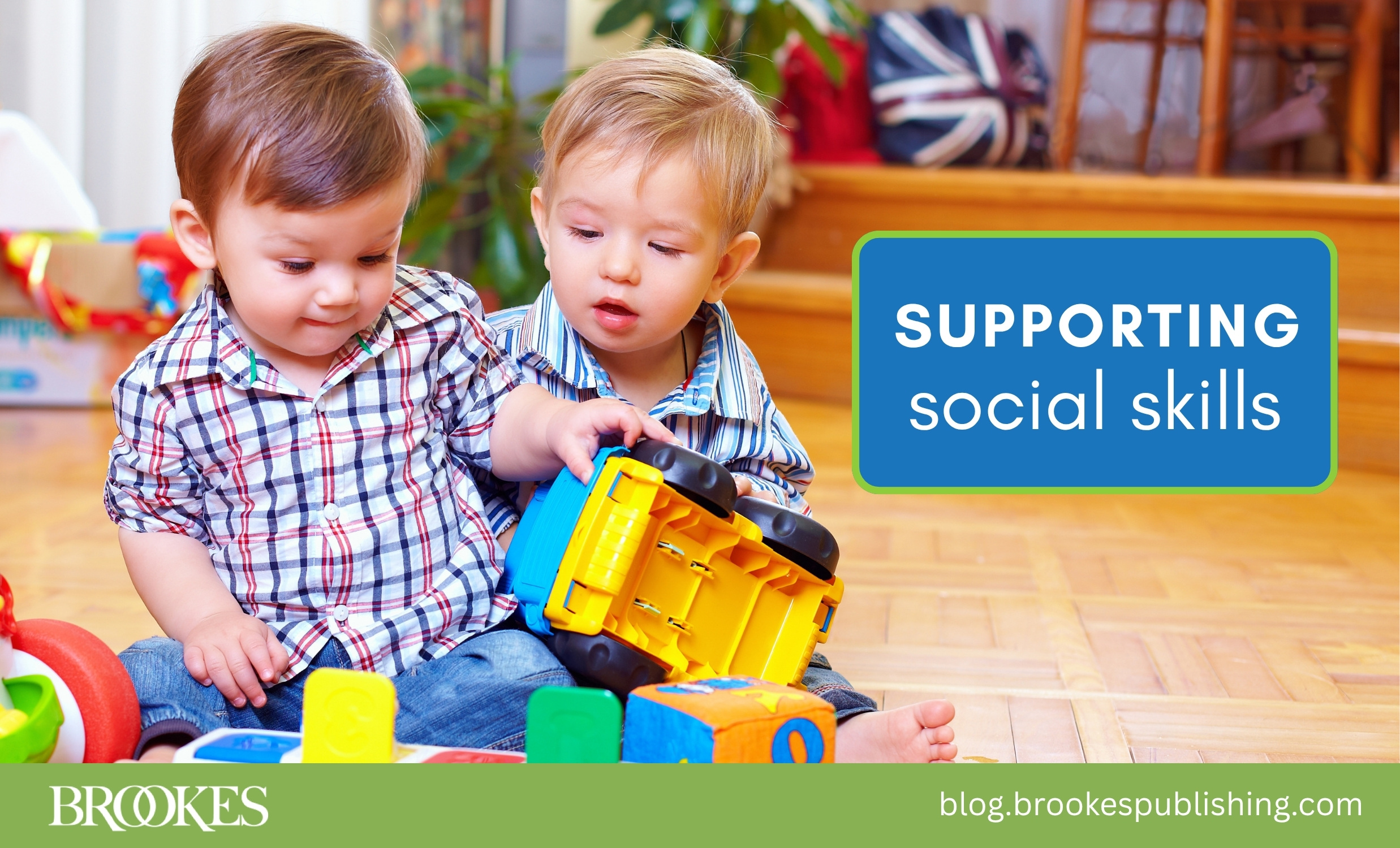
Parallel play, where children work alongside one another but not necessarily with one another, is a natural stage of development. To move beyond this, facilitators encourage joint tasks, such as building a singular structure with blocks. By scaffolding the interaction—asking one child to pass a piece to another—caregivers build the foundations of teamwork. Research indicates that children who engage in collaborative play demonstrate higher levels of empathy and communication skills by the time they enter formal primary education.
The Role of Emotional Literacy
A core component of emotional health is the ability to identify and label internal states. Emotional literacy is described by researchers as the "emotional vocabulary" required to navigate social stressors. When a child experiences frustration, disappointment, or joy, the adult’s role is to act as an external mirror. By naming the emotion—"You seem very frustrated that the block tower fell"—the adult provides the child with the tools to self-regulate.

This practice is supported by longitudinal studies showing that children who can accurately identify their own emotions and those of their peers are better equipped to handle negative social feedback and are less prone to impulsive outbursts.
Imaginative Play as a Therapeutic Tool
Pretend play serves as more than mere entertainment; it functions as a low-stakes laboratory for life. Through role-playing, children rehearse scenarios that may otherwise cause them anxiety. Whether it is playing "restaurant" or acting out a narrative where a toy is experiencing a difficult transition—such as a parent leaving for a trip—children gain a sense of agency.

Clinical child psychologists note that pretend play allows children to project their internal conflicts onto inanimate objects, creating a safe distance that makes the processing of complex emotions more manageable. This is particularly effective for children experiencing changes in family dynamics, such as the arrival of a new sibling or a relocation.
Building Resilience Through Challenges
A common pitfall in child-rearing is the instinct to immediately remove obstacles that cause a child frustration. However, educators argue that "productive struggle" is essential for developing persistence. When a child encounters difficulty—such as learning to maneuver a tricycle or drawing a complex shape—the role of the adult is to provide verbal encouragement that focuses on the process rather than the outcome. Statements like "You are almost there, keep trying" foster a growth mindset, a psychological concept popularized by Dr. Carol Dweck, which suggests that intelligence and skill are malleable through effort.

Fostering Inclusive Social Networks
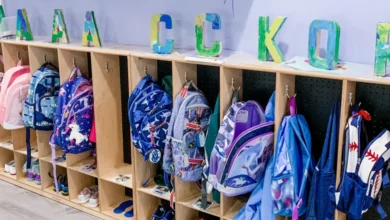
The creation of a cohesive community within a classroom or home setting is vital for long-term social success. Strategies such as maintaining a visual roster of absent peers encourage a sense of communal responsibility. By involving children in the care of their classmates—such as acknowledging an absence or helping a friend with a task—caregivers cultivate an environment of inclusivity.
Furthermore, the promotion of nurturing behaviors across all genders is a growing trend in educational policy. By encouraging both boys and girls to engage in caregiving play with dolls and stuffed animals, practitioners aim to dismantle rigid gender roles, ensuring that all children develop the capacity for empathy and care.

Implications and Future Outlook
The integration of these strategies has profound implications for educational systems. As schools face increasing pressure to improve standardized test scores, there is a counter-movement advocating for the prioritization of SEL. Proponents argue that academic performance is inherently tied to social stability. A child who cannot regulate their emotions or collaborate with peers will struggle to focus on literacy or numeracy.
Looking ahead, the focus in early childhood development is shifting toward a more holistic approach that bridges the gap between home and school. The consistency of language and expectation between a parent and an educator is crucial. When a child hears the same vocabulary for "sharing," "emotions," and "persistence" in both environments, the transition from home to school becomes significantly smoother.

Summary of Best Practices for Caregivers
- Be Consistent with Language: Use clear, simple, and consistent terms for social actions and emotions throughout the day.
- Scaffold Interactions: Do not expect children to play together perfectly from the start; provide the structure needed to facilitate collaboration.
- Validate, Don’t Dismiss: When a child is upset, acknowledge the emotion before attempting to redirect or solve the problem.
- Model Nurturing: Demonstrate caring behavior in your own interactions with other adults, providing a template for the child to follow.
- Encourage Persistence: Praise the effort put into a task, even when the outcome is imperfect, to build confidence.
By institutionalizing these methods, communities can ensure that the next generation of learners enters the primary school system not only with academic readiness but with the emotional maturity required to contribute positively to their social environment. The evidence is clear: the investments made in social and emotional intelligence during these critical years pay dividends that extend well into adulthood.