The Ultimate 4-Week Healthy Meal Prep Guide and Strategy for Busy Mothers Managing Family Nutrition


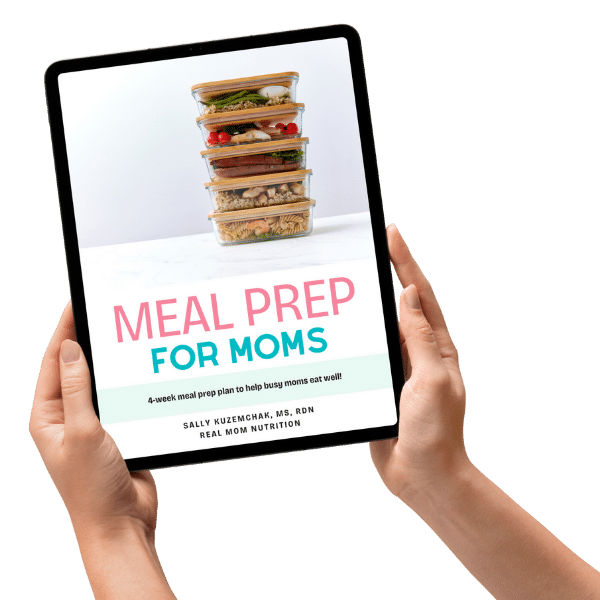
In the modern landscape of household management, the daily nutritional needs of primary caregivers frequently become secondary to the dietary demands of dependents. Public health observations and nutritional studies consistently indicate that mothers often sacrifice balanced, regular meals to manage child-rearing responsibilities, frequently resorting to skipped meals or consuming leftover snack foods. To address this persistent challenge within family dynamics, family health advocates have introduced comprehensive, structured dietary frameworks designed to streamline domestic food preparation. A notable addition to these resources is a structured four-week meal preparation initiative specifically tailored to alleviate the nutritional neglect frequently experienced by busy mothers.
Background and Context of Caregiver Nutritional Neglect
The phenomenon of maternal self-neglect regarding nutrition is well-documented in behavioral and domestic sociology. Caregivers, who typically shoulder the majority of meal planning, grocery shopping, and food preparation for children and partners, frequently find themselves depleted of time and energy by the time they can consume a meal. Nutritional experts note that erratic eating patterns, reliance on convenience foods, and inadequate caloric or nutrient intake can lead to chronic fatigue, diminished immune function, and long-term metabolic health issues among parents.

Historically, domestic management advice has focused heavily on feeding infants and school-aged children, often overlooking the dietary requirements of the adults providing the care. Recognizing this gap, nutritionists and parenting educators have shifted focus toward strategies that integrate caregiver-centric meals into the standard weekly cooking routine. The core philosophy of these modern interventions emphasizes that sustainable family nutrition must begin with the physical well-being of the primary food provider.
Structure of the Four-Week Meal Preparation Framework
The newly published four-week meal prep framework is engineered to minimize kitchen labor while maximizing nutritional density and convenience. Rather than demanding a complete overhaul of household dietary habits or requiring exhaustive hours of weekend cooking, the plan utilizes a modular approach. Each of the four weekly modules focuses on a select number of versatile, nutrient-dense staples, easy-to-grab snacks, and foundational meal components that can be rapidly assembled into satisfying meals.
Week One: Foundations of Morning and Midday Nourishment
The initial week of the program establishes routines centered around breakfast and protein-forward lunch options. Featured items in the first-week curriculum include no-bake cookie overnight oats, crispy tofu preparation, and homemade hummus. The corresponding game plan outlines an efficient sequence for grocery shopping across produce, pantry, and refrigerated sections, followed by a streamlined Sunday or weekday prep session. Storing and reheating instructions are explicitly detailed to maintain food safety and optimal texture throughout the week.
Week Two: Energy-Dense Breakfasts and Versatile Proteins
Building upon the initial week, the second phase introduces protein-rich breakfast waffles, large-batch shredded chicken, and freezer-friendly fudge bites designed to satisfy micronutrient needs and curb afternoon fatigue. The structured grocery list divides ingredients meticulously between pantry staples and refrigerated items, ensuring that cooks can execute the preparation steps without unexpected shortages of essential components.
Week Three: Expanding Variety and Complex Carbohydrates

Week three shifts attention toward integrating diverse produce selections and complex pantry items to maintain culinary engagement and prevent meal fatigue. The preparatory schedule guides users through concurrent cooking methods, optimizing oven and stovetop usage to reduce overall time spent in the kitchen. Clear storage guidelines ensure that prepped elements retain their flavor profiles and nutritional integrity for days following the initial preparation window.
Week Four: Streamlined Family-Style Assembly
The concluding phase of the four-week cycle emphasizes customizable components such as healthy homemade granola, seasoned taco meat, and creamy balsamic dressings. These items are specifically chosen for their high adaptability, allowing caregivers to quickly synthesize lunches and dinners that cater simultaneously to adult nutritional preferences and children’s palates.
Data and Methodological Insights Supporting Meal Planning

Nutritional science underscores the efficacy of structured meal preparation in achieving dietary goals. According to behavioral nutrition research published by public health institutions, individuals who engage in weekly food preparation consume a greater variety of vegetables, whole grains, and lean proteins compared to those who rely on ad-hoc daily meal decisions. Furthermore, structured planning significantly reduces household food waste and lowers overall grocery expenditures—a critical economic factor for modern families navigating inflationary pressures.
Dietary planners emphasize that the four-week framework is intentionally flexible. The overarching methodology does not demand rigid adherence; instead, participants are encouraged to select individual recipes or weeks that align with their specific schedules and dietary requirements. This low-barrier approach mitigates the psychological pressure often associated with wellness trends, framing meal prep as a supportive tool rather than a stringent obligation.
Broader Implications and Future Outlook
The introduction of targeted nutritional frameworks for caregivers reflects a broader cultural shift toward recognizing maternal health as an essential component of family stability. As public health initiatives increasingly focus on preventative care and holistic domestic wellness, resources that alleviate the cognitive and physical load of household management are expected to gain wider adoption.

By prioritizing accessible recipes, comprehensive grocery lists, and actionable storage guidelines, initiatives like the four-week meal preparation plan provide practical solutions to a widespread systemic issue. Ultimately, ensuring that caregivers are adequately nourished fosters healthier households, reduces stress associated with daily domestic labor, and sets a positive behavioral example for younger generations regarding self-care and balanced nutrition.