The Rise of the Ultimate Hybrid Treat: Why Salted Double Chocolate Chip Cookies Are Dominating Home Bakeries

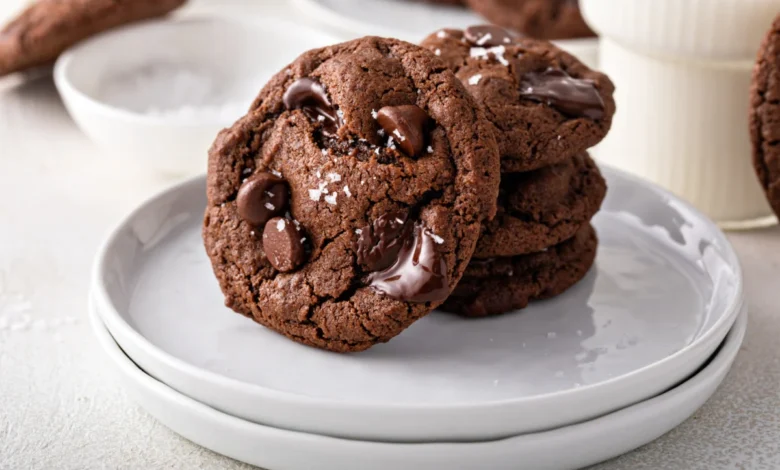
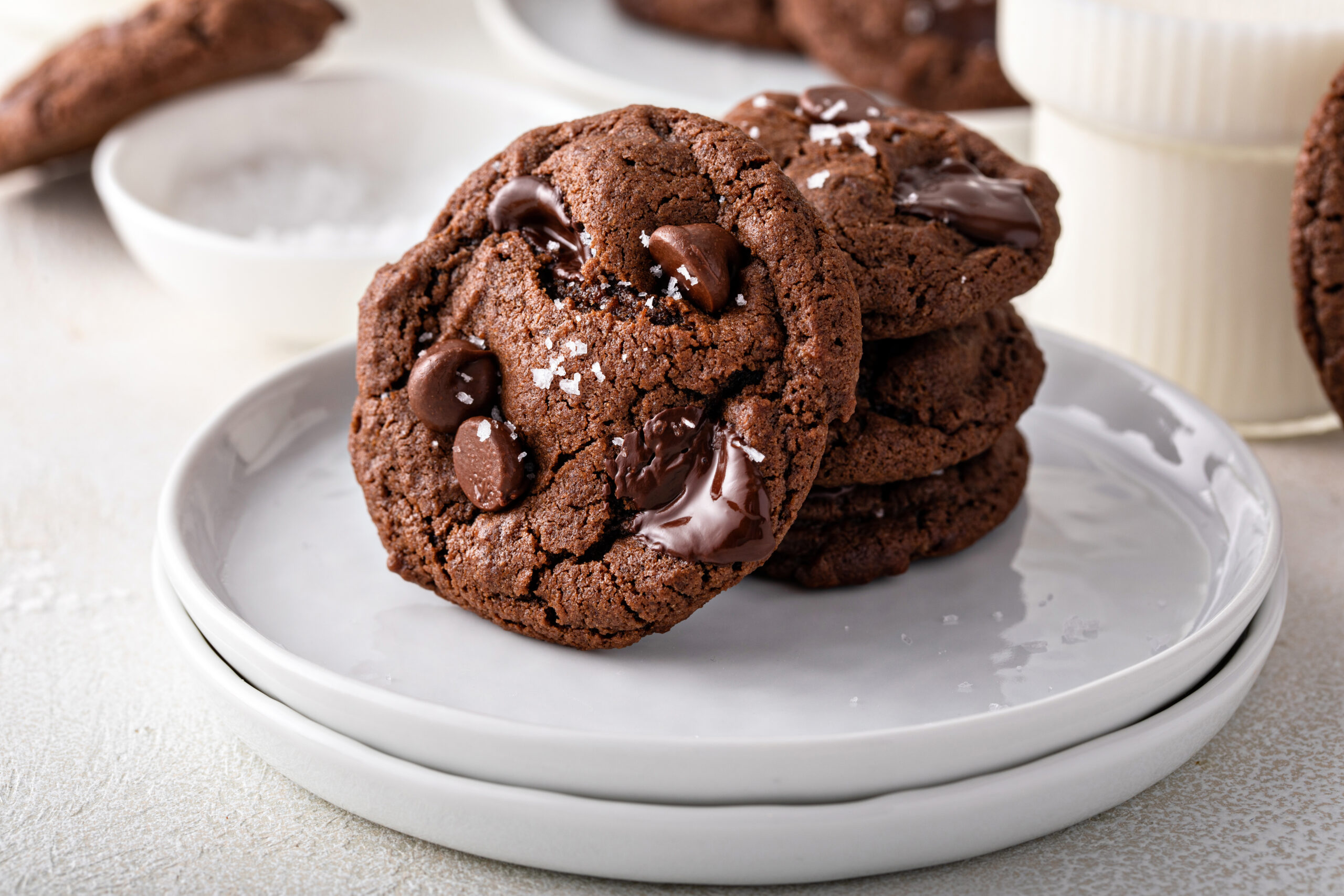
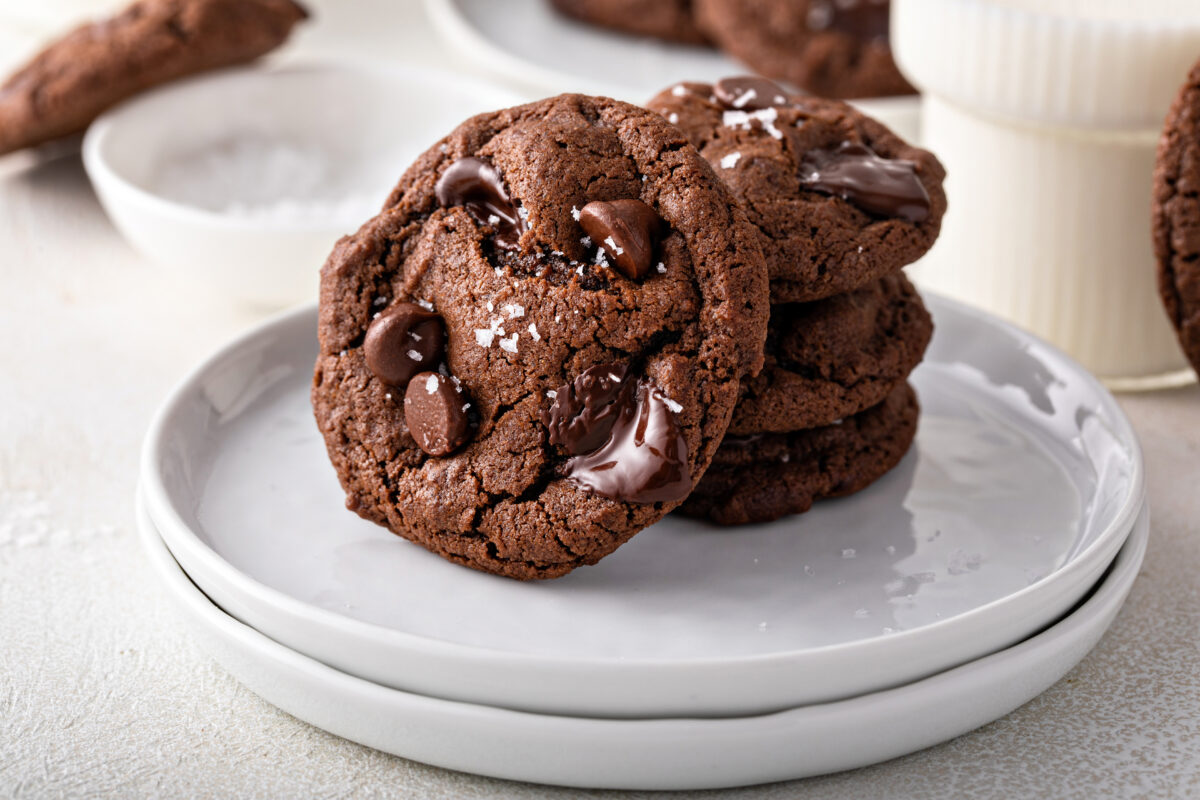
The intersection of classic chocolate chip cookies and dense, fudgy brownies has long been a holy grail for home bakers and commercial pastry chefs alike. In recent months, culinary data trends and baking community forums have highlighted a massive surge in the popularity of a specific hybrid confection: the Salted Double Chocolate Chip Cookie. Characterized by a rich, cocoa-infused dough, molten pockets of dark chocolate, and a final, balancing flourish of flaky sea salt, this treat has transitioned from gourmet artisanal bakeries into the mainstream domestic kitchen. Industry analysts note that consumer interest in comfort baking—sparked initially by shifting lifestyle patterns over recent years—has permanently evolved toward elevated nostalgic flavors, with sweet-and-salty flavor profiles leading the culinary landscape.
The culinary lineage of the double chocolate chip cookie can be traced back to the mid-20th century evolution of American cookie baking, which began experimenting heavily with cocoa powder additives following the post-World War II commercial expansion of baking chocolates. However, the modern iteration—specifically the addition of finishing salts such as Maldon sea salt—did not enter the mainstream culinary lexicon until the late 2000s, popularized by high-end pastry innovators who recognized that sodium chloride acts as a flavor amplifier, cutting through the heavy sweetness of refined sugar and intensifying the bitter, complex notes of high-grade cocoa solids. Food scientists explain that salt molecules interact with taste receptors on the tongue to suppress bitterness while simultaneously enhancing sweetness perception, creating a more rounded, sophisticated sensory experience.
From a nutritional and preparation standpoint, modern home economics experts emphasize that the success of these cookies relies heavily on precise technique rather than complex equipment. Requiring standard pantry staples such as all-purpose flour, unsweetened cocoa powder, butter, eggs, and sugars, the recipe has gained traction due to its high efficiency-to-reward ratio. Preparation typically demands approximately fifteen minutes of active time, followed by a brief eleven-minute baking window. Culinary instructors consistently advise that the critical variable in achieving the signature fudgy interior—reminiscent of a classic fudge brownie—is strict adherence to under-baking parameters. Removing the trays from the oven while the centers remain slightly translucent ensures that residual heat finishes the cooking process without drying out the crumb.
Beyond standard preparation, the culinary landscape surrounding the treat has expanded to include a diverse array of dietary and flavor adaptations. Data from recipe-sharing platforms indicates a significant rise in specialized variations, including gluten-free iterations utilizing one-to-one flour substitutes, vegan modifications employing plant-based fats, and flavor-infused versions incorporating espresso powder to deepen the chocolate profile. Food historians note that the addition of espresso or coffee powder is a time-tested professional baking secret; caffeine does not impart a coffee flavor in small quantities, but rather acts as a catalyst that amplifies the natural fruit and earth notes of the cocoa bean. Furthermore, variations featuring peppermint extracts, peanut butter swirls, and tricolor chocolate chips have broadened the appeal of the recipe across diverse demographic segments, from children’s birthday parties to upscale neighborhood potlucks.
The logistical efficiency of the recipe has further cemented its status as a staple for modern households. Food storage studies indicate that cookie dough formulated with high-fat cocoa components retains structural integrity exceptionally well when subjected to freezing. Culinary supply chains and home-management experts report a growing trend toward batch-cooking, where individuals portion unbaked dough into spherical aliquots and store them in sub-zero environments for up to three months. This method allows consumers to bake fresh, bakery-quality goods on demand with minimal preparation time, reducing food waste and aligning with modern consumer preferences for convenience without sacrificing sensory quality.
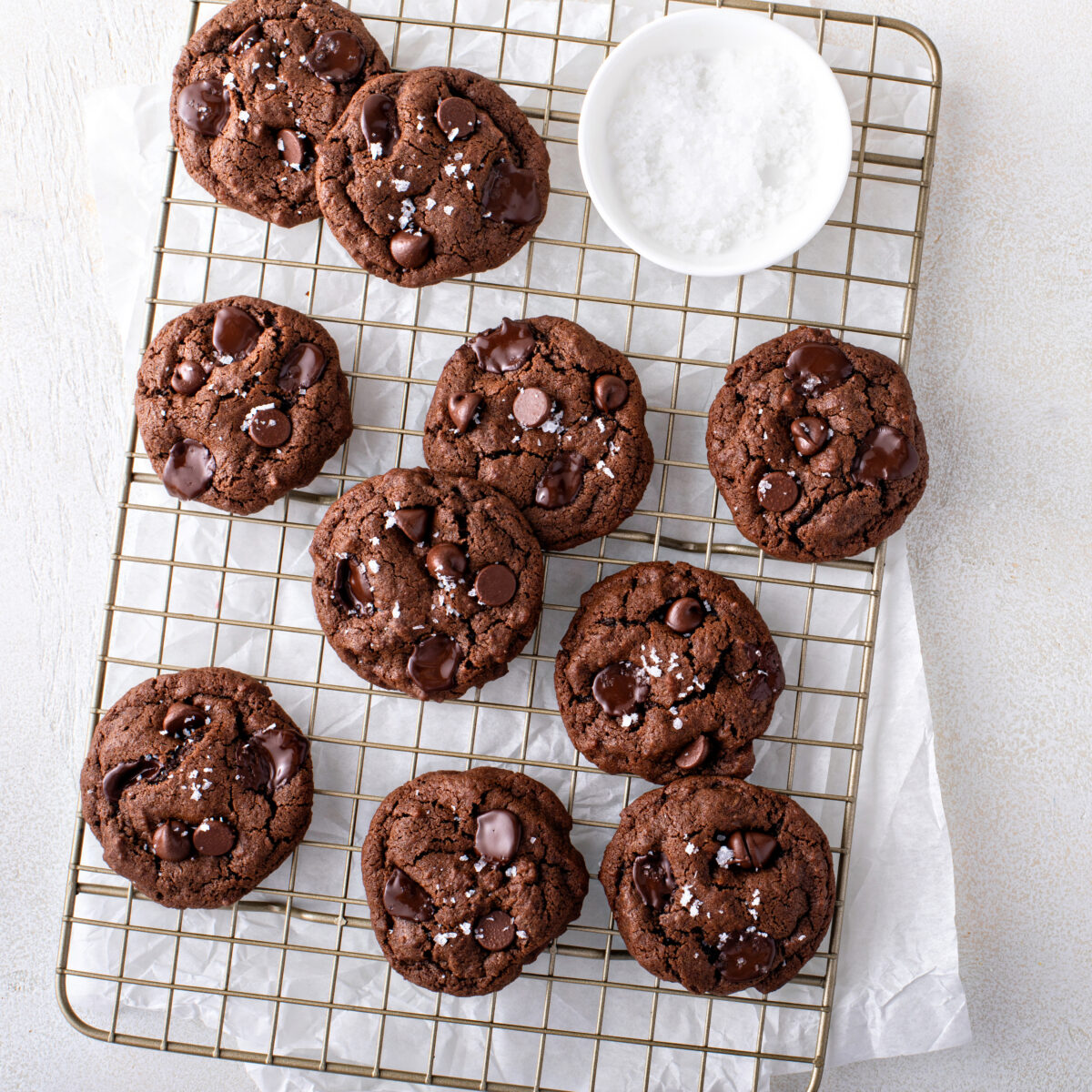
Industry observers and culinary economists point out that the enduring popularity of gourmet cookies reflects broader macroeconomic shifts in consumer spending habits. As dining-out costs have risen globally, households increasingly allocate disposable income toward "affordable luxuries"—high-quality ingredients and elevated culinary experiences executed within the domestic sphere. Premium components such as artisanal flaky sea salt and single-origin dark chocolate chips represent minimal financial investment per unit compared to restaurant desserts, yet yield a product that mimics high-end artisanal output. This democratization of gourmet baking underscores a permanent shift in home economics, where everyday comfort foods are continually reimagined through a lens of craftsmanship, sensory complexity, and accessible culinary innovation.