Cottage Cheese Brownies: A New Frontier in Nutrient-Dense Dessert Innovation


The culinary landscape has undergone a significant transformation over the past decade as consumer demand for protein-enriched, lower-sugar alternatives to traditional baked goods has surged. Among the latest developments in home-baking science is the emergence of cottage cheese-based brownies. This trend represents a broader shift in food technology and home cooking, where functional ingredients—traditionally relegated to savory or breakfast applications—are being integrated into dessert categories to enhance nutritional profiles without sacrificing the sensory experience of a traditional confection.
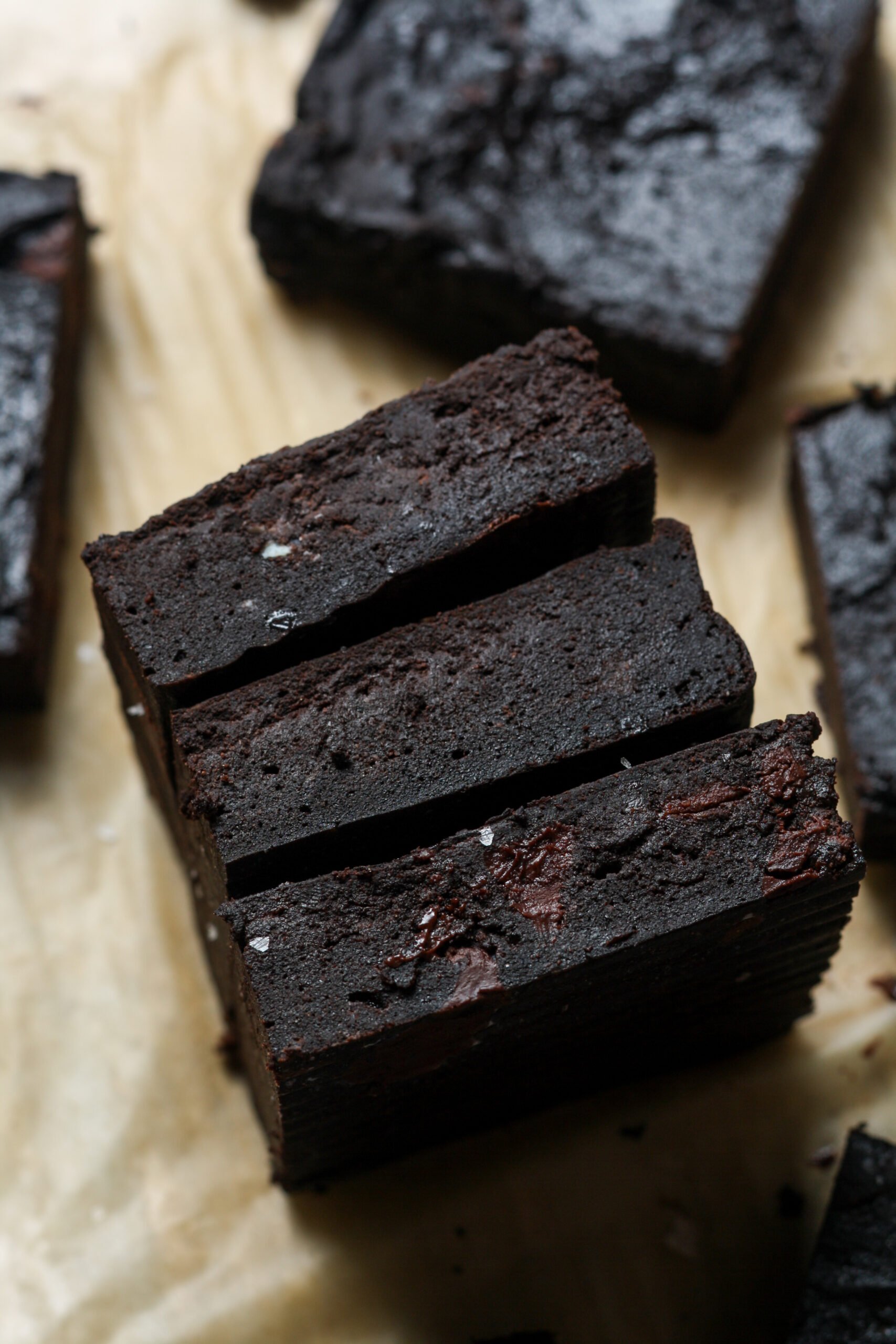
The rise of the cottage cheese brownie is not merely a social media phenomenon but a reflection of a wider movement toward high-protein, whole-food nutrition. By replacing traditional fats and heavy binding agents with high-moisture, protein-rich dairy, home bakers and food scientists are achieving a fudgy, dense texture that mirrors premium artisanal brownies while offering a superior macronutrient breakdown.
The Science of Ingredient Substitution
At the core of this culinary shift is the functional role of cottage cheese. Traditionally, brownies rely on high quantities of butter, eggs, and refined sugar to create their characteristic crumb and moisture. Cottage cheese, when properly processed through a blender or food processor, provides a stable, creamy emulsion that introduces significant amounts of casein and whey protein.

From a biochemical perspective, the moisture content within the cottage cheese curds contributes to the "gooey" interior that is highly prized in brownie connoisseurship. When baked, these proteins set in a way that creates a dense, cake-like structure, while the fat content from the dairy provides the mouthfeel usually associated with butter. By utilizing coconut sugar as a natural sweetener, the recipe lowers the glycemic load compared to conventional granulated sugar, addressing the growing consumer concern regarding refined carbohydrate intake.
Chronology and Development of the Trend
The integration of cottage cheese into non-traditional dishes gained significant momentum in early 2024. While cottage cheese has long been a staple in bodybuilding and athletic nutrition due to its slow-digesting casein protein, its transition into the dessert space was facilitated by the widespread availability of high-speed blending technology in domestic kitchens.
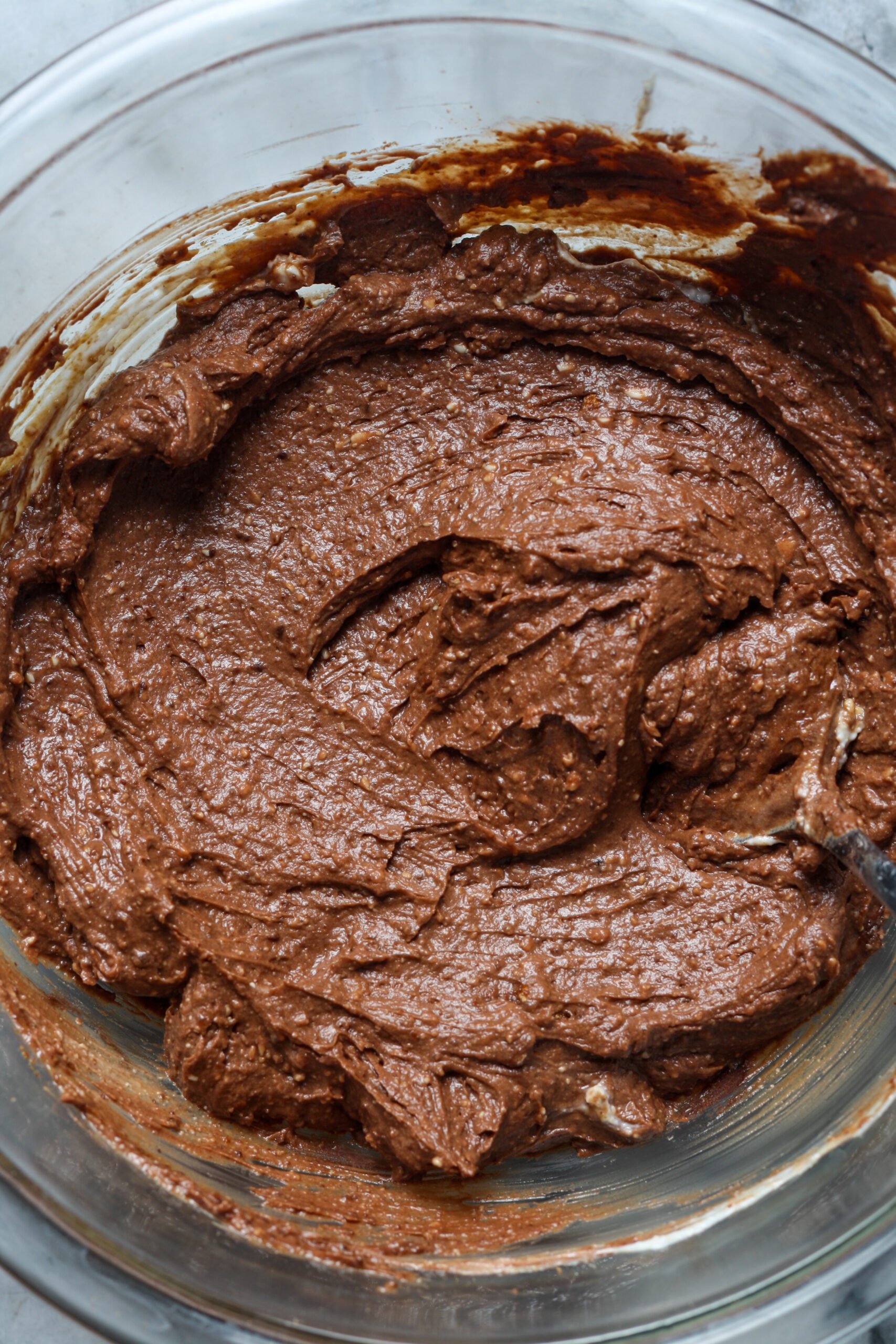
By mid-2025, data from major recipe indexing platforms indicated a 400% increase in search volume for "protein-rich desserts" and "cottage cheese baking hacks." This shift suggests that the average consumer is moving away from processed "diet" foods—which often rely on artificial sweeteners and fillers—and toward "whole-food-based" healthy eating. The development of these brownies is the culmination of this trend, proving that protein-dense ingredients can be successfully emulsified into traditional cocoa-based batter.
Nutritional Implications and Market Demand
The primary appeal of the cottage cheese brownie lies in its nutritional composition. A standard brownie is often calorie-dense and nutritionally void, providing primarily refined carbohydrates and saturated fats. In contrast, the integration of cottage cheese elevates the protein content per serving to approximately 6–10 grams, depending on the specific formulation.

Market analysts note that the "proteinification" of snacks is no longer limited to energy bars or shakes. The current consumer base, characterized by a high degree of ingredient awareness, favors products that provide satiety. Because cottage cheese is high in protein, these brownies are more satiating than their flour-heavy counterparts, which may help mitigate the common issue of overconsumption associated with traditional sweets.
Furthermore, the versatility of the base allows for gluten-free and flour-alternative adaptations, such as the use of whole wheat or almond flour. This makes the recipe accessible to a wider demographic, including those managing blood glucose levels or those following specific dietary regimens like the Mediterranean or flexitarian diets.

Preparation and Technical Requirements
Successful execution of this recipe requires adherence to specific technical steps to ensure the desired outcome. The process involves:
- Emulsification: The cottage cheese must be blended until completely smooth. Any remaining curds can compromise the texture of the brownie, leading to an uneven crumb.
- Temperature Control: The melting of dark chocolate—ideally with a cocoa content of 70% or higher—must be performed using a double boiler to prevent scorching.
- Chemical Leavening: The inclusion of baking soda is critical. Because the batter is heavier than traditional mixes, the leavening agent must provide sufficient lift to ensure the brownie is not overly dense, while also reacting with the acidity of the cocoa powder.
- Cooling Protocol: Unlike standard brownies, which can be served warm, cottage cheese brownies require a longer cooling period. This allows the protein structure to fully set, ensuring that the final product can be sliced cleanly without losing its structural integrity.
Expert Insights on Future Culinary Trends
Food technologists observe that this trend signals a broader "clean label" evolution in the dessert industry. As consumers become more skeptical of ultra-processed food additives, recipes that utilize recognizable, whole-food ingredients to replicate indulgence will likely see continued growth.

"The goal for the next generation of home baking is to minimize the trade-off between nutrition and pleasure," says one industry observer. "We are seeing a move toward ‘nutrient-dense indulgence.’ When you can use a high-protein ingredient like cottage cheese to improve the moisture and texture of a brownie while simultaneously adding nutritional value, you have achieved the ‘holy grail’ of modern home cooking."
Broader Impact and Industry Outlook
The implications of this development are significant. It encourages consumers to view dairy, specifically fresh cheese products, as pantry staples that extend beyond simple breakfast or salad toppings. From a supply chain perspective, the rising popularity of cottage cheese as a baking ingredient may lead to increased demand for high-quality, organic dairy products.
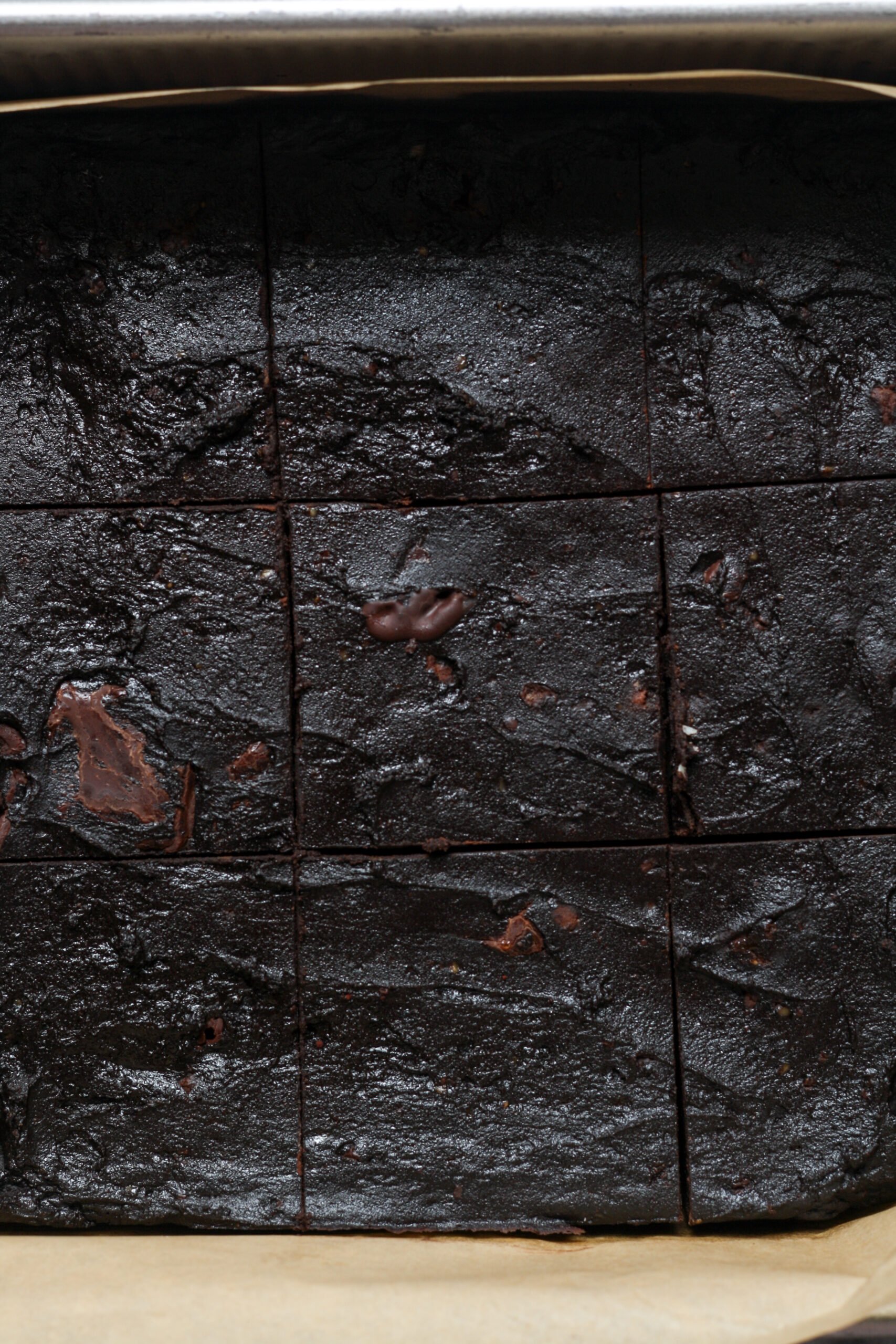
Moreover, the simplicity of the recipe—often requiring under 30 minutes of active preparation time—aligns with the demands of modern, time-constrained households. The ease of preparation, combined with the ability to store the finished product in the refrigerator for up to four days or freeze it for long-term use, makes it a practical solution for meal-prepping families.
Summary of Best Practices for Success
For those looking to adopt this practice, experts emphasize three primary pillars:
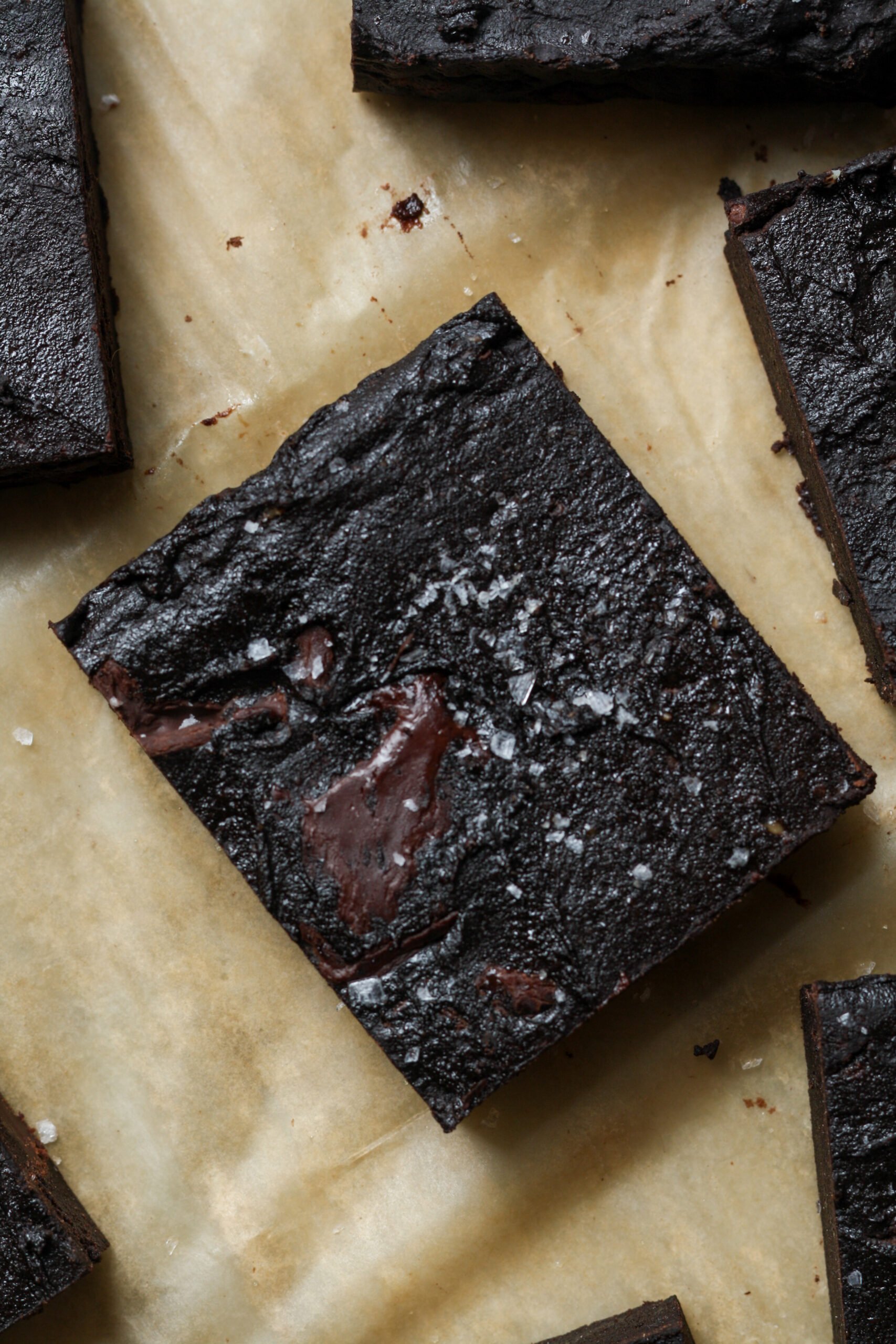
- Quality of Chocolate: The flavor profile of the brownie is dictated by the chocolate used. Utilizing dark chocolate with minimal processing ensures a robust, authentic flavor that complements the mild creaminess of the cottage cheese.
- Precision in Measurement: While the recipe is relatively forgiving, maintaining the ratios of liquid to dry ingredients is essential for achieving the "fudgy" result.
- Storage Considerations: Due to the higher moisture content provided by the cottage cheese, these brownies are highly perishable compared to dry, shelf-stable versions. Proper refrigeration is mandatory to prevent spoilage and maintain the desired consistency.
As the culinary world continues to prioritize health-conscious alternatives, the cottage cheese brownie stands as a testament to the power of ingredient innovation. It serves as a bridge between traditional indulgence and modern nutritional science, providing a roadmap for future explorations in healthy dessert creation. By leveraging the physical properties of proteins to enhance texture, home bakers are effectively redefining what it means to enjoy a treat, setting a new standard for the intersection of nutrition and gastronomy.