Transforming Early Childhood Mealtimes into Meaningful Educational Experiences

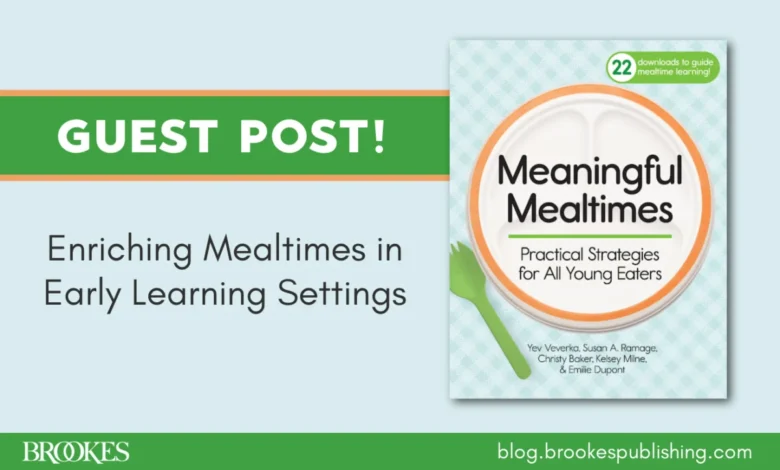
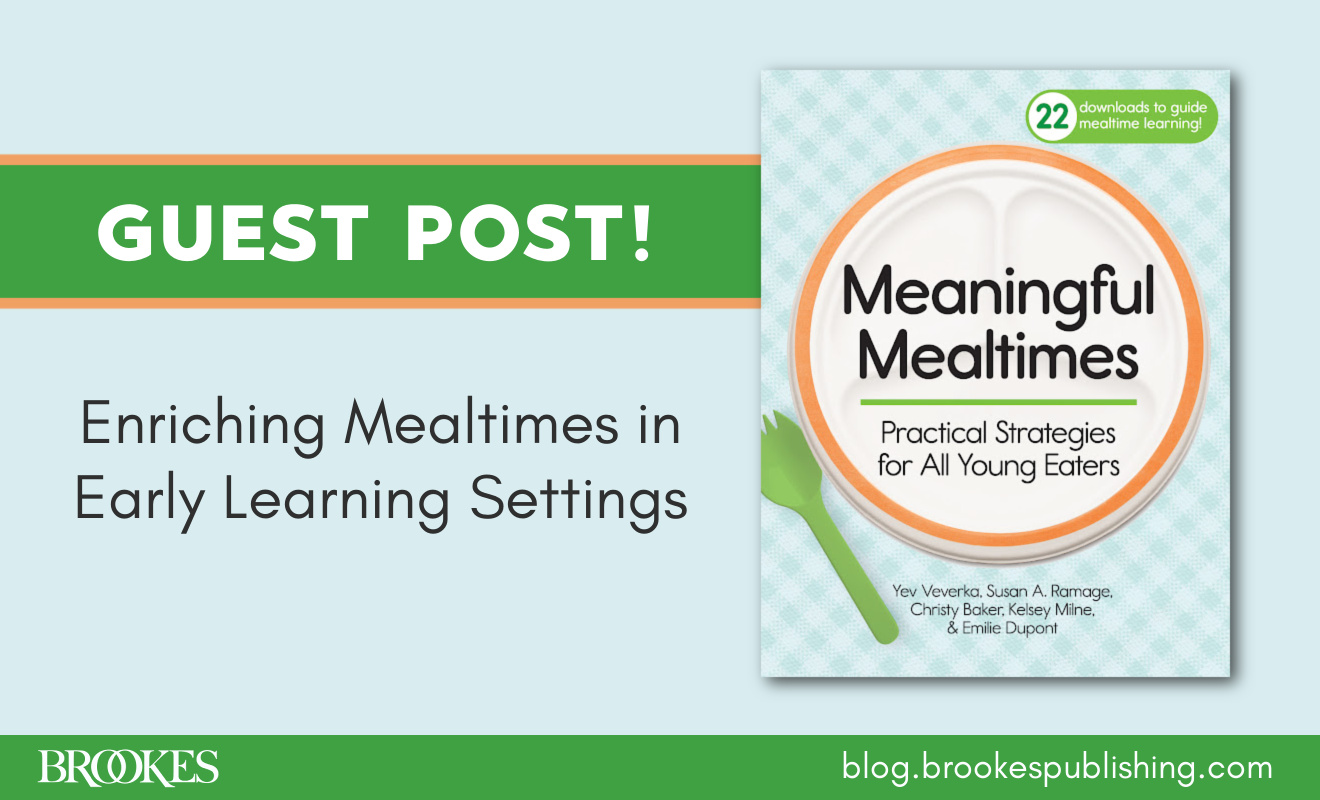
The nutritional and social landscape of early childhood education has undergone a significant shift in recent years as developmental experts increasingly view the lunch table not merely as a site for sustenance, but as a critical environment for behavioral and social-emotional growth. A new collaborative work, Meaningful Mealtimes, authored by a multidisciplinary team including Yev Veverka, Ph.D., BCBA-D, Susan A. Ramage, R.N., M.N., Christy Baker, OTR/L, CLE, Kelsey Milne, M.S., and Emilie Dupont, M.Ed., provides a framework for addressing the complexities of feeding young children in group settings. This publication arrives at a time when early learning providers are facing rising rates of sensory-processing challenges and food-related anxiety among toddlers and preschoolers, necessitating a move away from rigid, compliance-based feeding strategies toward more inclusive, responsive models.
The Evolution of Mealtime Standards
Historically, the approach to feeding in early childhood centers was often rooted in strict adherence to nutritional guidelines and logistical efficiency. During the mid-20th century, institutional models often prioritized silence and conformity, focusing primarily on the caloric intake of the child. However, the last two decades have seen a paradigm shift influenced by pediatric occupational therapy and behavioral science. Research from the American Academy of Pediatrics (AAP) and various child development journals now highlights that the “hidden curriculum” of the mealtime—how a child interacts with peers, how they perceive their own bodily hunger cues, and how they navigate the sensory properties of food—is as vital as the food itself.
This shift reached a turning point in the post-pandemic era. As children returned to group settings after significant periods of isolation, educators noted an increase in dysregulation during transitions, including mealtimes. The publication of Meaningful Mealtimes serves as a professional response to this post-pandemic reality, offering a structured methodology for providers to navigate these heightened sensitivities.
The Framework of Responsive Feeding
The central premise of the current research is that the adult’s role in a mealtime setting is not to “manage” the child’s consumption, but to facilitate a supportive environment. The methodology proposed by Veverka and her colleagues is built upon a foundation of self-reflection. Educators are encouraged to audit their own upbringing and cultural values regarding food. According to the authors, when a teacher is unaware of their own bias—for instance, the belief that a “clean plate” is a sign of respect—they are more likely to impose that expectation on children, potentially triggering anxiety or disordered eating patterns.
Data from the Centers for Disease Control and Prevention (CDC) underscores the importance of this approach, noting that the prevalence of obesity and nutritional imbalances in early childhood is strongly correlated with early negative experiences with food. By allowing children to regulate their own intake, educators can potentially reduce the development of “picky eating” behaviors that often stem from power struggles at the table.
Chronology of Behavioral Integration in Schools
The integration of sensory-friendly mealtime practices has progressed in several distinct stages:
- 1990s–2000s: The primary focus was on food safety, allergy management, and basic hygiene.
- 2010s: Increased attention was given to the “Division of Responsibility” in feeding, popularized by Ellyn Satter, which emphasizes that the adult decides the “what, when, and where” of feeding, while the child decides the “whether and how much.”
- 2020s: Modern standards now emphasize sensory regulation, the inclusion of assistive technology for children with disabilities, and the celebration of cultural diversity through food as a core component of the early childhood curriculum.
Sensory Regulation and Environmental Design
A critical component of the modern mealtime is the physical environment. Sensory-informed design in early childhood settings is becoming the industry standard. This involves a systematic reduction of environmental stressors: minimizing overhead fluorescent lighting, reducing acoustic interference from adjacent play areas, and providing clear, predictable transitions.
The authors suggest that “routine-based interventions” are the most effective way to reduce child anxiety. By implementing a standardized beginning and end to every meal, children develop a sense of agency. For example, the simple ritual of washing hands, followed by a communal transition song, provides a cognitive anchor that signals to the child that the meal is a safe, predictable event.
Supporting Diverse Needs and Inclusive Practices
In contemporary inclusive classrooms, the definition of a mealtime participant has expanded. Children with varying levels of motor skill development, those who utilize G-tubes for nutrition, and those with significant sensory aversions all require accommodations that honor their individual needs.
The strategy of "modeled communication" is vital here. Instead of forcing a child to vocalize a preference, educators are encouraged to observe non-verbal cues—such as a tilt of the head or a push-away gesture—and translate those into a shared communication system. This not only respects the child’s autonomy but also builds the foundation for more complex language development. The use of visual aids, such as gesture charts or picture boards, allows children who are non-verbal or pre-verbal to participate in the democratic process of choosing their food, which significantly increases their willingness to engage with new or unfamiliar items.
Broader Economic and Public Health Implications
The implications of these practices extend far beyond the walls of the classroom. Early childhood centers that adopt these inclusive and responsive feeding models report higher levels of parent satisfaction and, more importantly, improved developmental outcomes for children. From a public health perspective, establishing a healthy relationship with food early in life is a primary prevention strategy against long-term metabolic and psychological health issues.
However, the implementation of these strategies is not without challenges. Professional development for early childhood staff often lacks the funding required to sustain such intensive, one-on-one training. The authors argue that the cost of inaction is higher; when mealtimes are stressful for the child, the entire classroom environment suffers, leading to increased behavioral incidents and staff burnout.
The Role of Cultural Representation
Cultural competency in the cafeteria is the final, essential pillar of this approach. Food is one of the most accessible ways to teach children about diversity. By incorporating foods from the families represented in the classroom, schools can bridge the gap between home and school life. The authors note that when a child sees their cultural heritage reflected in the food served, their self-esteem and sense of belonging increase. This, in turn, creates a more favorable physiological response to eating, as the child feels safe and valued within the group setting.
Future Directions for Early Learning
As the field of early childhood education moves forward, the trend is clearly toward a holistic, child-led approach to nutrition. The integration of sensory science, behavioral psychology, and cultural inclusivity is no longer an optional “extra” for high-performing schools; it is becoming a requirement for those aiming to meet the emotional and physical needs of a diverse student body.
The work presented by Veverka, Ramage, Baker, Milne, and Dupont serves as a comprehensive resource for educators navigating this terrain. By moving away from a command-and-control model of feeding, the early childhood sector has the potential to transform the most mundane part of the day—the meal—into a rich, collaborative, and educational experience. The goal is clear: to ensure that when a child leaves an early learning setting, they carry with them not just a full stomach, but a positive, resilient, and curious relationship with the world of food.
As institutions and providers look to refine their practices, the evidence remains consistent: the most effective mealtime is one where the child is not just a consumer, but an active participant in their own growth and development. The path forward involves continued investment in staff training, the intentional design of learning environments, and an unwavering commitment to the individual needs of every child at the table.
Related posts: