Arizona Advocates and Families Gather at State Capitol to Champion Early Childhood Education and Legislative Funding Reforms

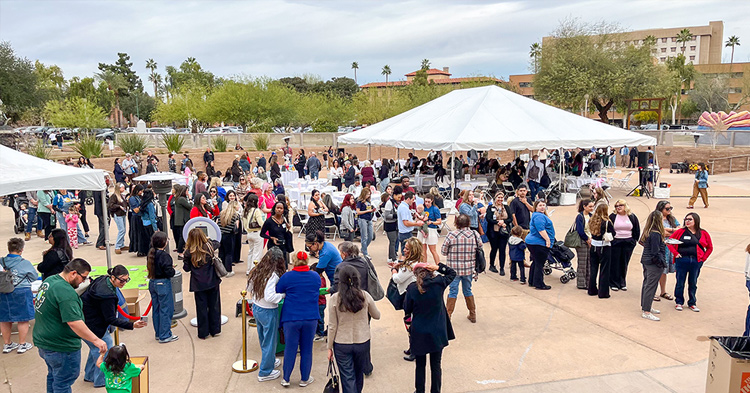
More than 500 early childhood supporters, educators, and families converged on the Arizona State Capitol on February 16, 2026, marking one of the largest mobilizations for the annual Early Childhood Day at the Capitol. The event, designed to bridge the gap between constituents and lawmakers, centered on the critical need for sustainable funding and expanded access to quality early learning environments. Sponsored by the Arizona Early Childhood Alliance (AZECA), a coalition that includes First Things First (FTF) and dozens of other cross-sector partners, the day served as both a celebration of early childhood milestones and a strategic advocacy push for pending legislation.
The 2026 gathering occurred at a pivotal juncture for Arizona’s social and economic infrastructure. As the state continues to grapple with the rising costs of childcare and the shifting landscape of public health funding, the presence of a record number of families and children on the legislative plaza sent a clear message to the 57th Legislature: early childhood development remains a top priority for the Arizona electorate.
A Unified Vision for Kindergarten Readiness
The Arizona Early Childhood Alliance (AZECA) represents a diverse array of stakeholders, ranging from healthcare providers and business leaders to educators and faith-based organizations. Their collective mission is rooted in the goal of ensuring every child in Arizona is prepared for kindergarten and remains on a trajectory for success by the end of third grade. Research consistently demonstrates that the first five years of a child’s life are the most critical for brain development, providing the foundation for all future learning, behavior, and health.
In Arizona, where third-grade reading proficiency is a key metric for long-term academic and economic success, the role of organizations like First Things First is indispensable. Created by voters in 2006, FTF provides programs that help kids start school healthy and ready to succeed. However, the funding mechanism for these programs—primarily a dedicated tax on tobacco products—has faced challenges as traditional smoking rates decline. This fiscal reality formed the backdrop for much of the day’s advocacy efforts.
Dylan Frye, Director of Government Affairs for First Things First and a lead organizer of the event, emphasized the necessity of direct engagement between citizens and their representatives. "It’s inspiring to see so many people becoming advocates for Arizona’s children and families," Frye stated. "It’s critical that our legislators hear the stories of families with young children and of child care providers. These personal narratives provide the context that data alone cannot convey."
Legislative Focus: House Bill 4032 and Funding Stability
A primary objective of the day’s activities was to build momentum for House Bill 4032. Sponsored by Representative Kevin Volk, the bill proposes an excise tax on nicotine and vapor products, aligning them with the existing taxes on traditional tobacco. This legislative move is viewed by advocates as a vital step toward stabilizing the long-term funding required for early childhood programs.
As consumer habits shift toward electronic cigarettes and vaporizers, the revenue streams originally established by voters to fund early childhood initiatives have seen a steady erosion. HB 4032 seeks to close this gap by ensuring that newer nicotine products contribute to the same public health and education goals as traditional cigarettes. If passed, the bill would provide a consistent and dedicated funding source, allowing Arizona to maintain and expand access to high-quality early learning, health screenings, and family support services.
During the event, Representative Volk was seen engaging directly with participants outside the House of Representatives, discussing the bill’s potential to safeguard the state’s future workforce. Supporters argue that the tax is not merely a fiscal adjustment but a strategic investment in the state’s human capital. By funding early childhood initiatives, the state reduces the long-term costs associated with remedial education, criminal justice, and public assistance.
The Raising Arizona Panel: Personal Stories of Policy Impact
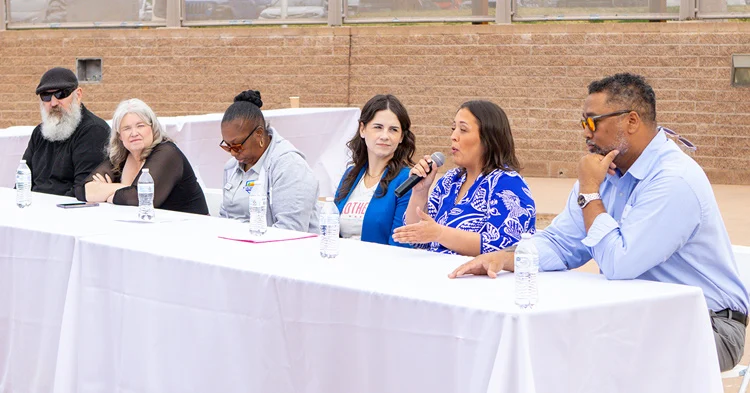
The centerpiece of the morning was a panel discussion titled "Raising Arizona: From Our Stories to Policy Change." The session featured a diverse group of Arizonans who shared their firsthand experiences with the state’s childcare and education systems. Moderated by Devin Del Palacio, Executive Director of the Copper State Education Alliance, the panel highlighted the multifaceted nature of the childcare crisis.
The panelists included:
- Mike Conner, a high school teacher from Avondale, who spoke about the challenges of balancing a career in public service with the rising costs of care for his own children.
- Jess Bjerke, a working mother from Maricopa and a member of the Chamber of Mothers, who detailed the logistical and financial hurdles facing modern working families.
- Alicia Lopez, a mother from Buckeye, who shared her difficult decision to leave the workforce to care for her children due to the lack of affordable, high-quality options in her community.
- Chris Willis, a childcare program director with the Valley of the Sun YMCA, who provided an administrator’s perspective on the staffing shortages and operational pressures facing providers.
- Monica Timberlake, a grandmother and caregiver from Quartzite, who highlighted the growing role of "kinship care" and the unique needs of rural families.
- Travis Jones, a certified public accountant from Marana and an early childhood advocate, who discussed the economic return on investment (ROI) that early childhood programs provide to the business community.
The panel underscored a common theme: the current childcare market is often inaccessible to those who need it most. Whether due to "childcare deserts" in rural areas or the prohibitive cost in suburban hubs, the panelists argued that state intervention is necessary to ensure that a family’s zip code or income level does not dictate a child’s opportunity for success.
Empowering the Public: The Request to Speak System
Beyond direct meetings with legislators, organizers focused on "civic literacy" by encouraging attendees to register for the Arizona Legislature’s "Request to Speak" (RTS) system. This digital platform is a unique feature of Arizona’s legislative process, allowing the public to register their support or opposition to specific bills as they move through the House and Senate.
By training parents and providers on how to use the RTS system, AZECA and FTF are building a sustainable infrastructure for advocacy that lasts long after the event at the Capitol concludes. Advocates noted that when legislators see dozens or hundreds of "thumbs up" or "thumbs down" on a bill’s dashboard, it significantly influences the committee process. For many families in attendance, this was their first introduction to the mechanics of state government, transforming them from passive observers into active participants in the democratic process.
A Day of Education and Engagement
The atmosphere at the Capitol was one of both serious advocacy and family-friendly engagement. While parents and advocates toured the historic building and visited legislative offices, children were provided with a "reading corner" and various educational activities. Senator Analise Ortiz was among the lawmakers who took time out of the legislative session to read to the children gathered at the plaza, emphasizing the importance of literacy and early engagement.
This "family affair" approach served a dual purpose: it made the event accessible to parents who might otherwise have childcare barriers to attending, and it provided a visual reminder to lawmakers of exactly who their policy decisions affect. The sight of toddlers playing on the plaza while their parents discussed excise taxes and funding formulas created a powerful contrast that highlighted the stakes of the day’s discussions.
The Economic and Social Implications of Early Childhood Investment
The arguments presented throughout the day were backed by a wealth of longitudinal data. Economic studies, such as those conducted by Nobel Laureate James Heckman, suggest that high-quality early childhood programs can yield a return on investment of up to 13% per year through improved health, lower crime rates, and increased labor productivity.
In Arizona, the data is equally compelling. According to First Things First, children who participate in high-quality early learning programs are:
- 25% more likely to graduate from high school.
- 40% less likely to require costly special education services.
- 70% less likely to be arrested for a violent crime by age 18.
Despite these benefits, Arizona continues to face a "childcare gap." Recent reports indicate that the average cost of center-based infant care in Arizona can exceed $10,000 annually, a figure that rivals the cost of tuition at the state’s public universities. For many families, this financial burden acts as a barrier to workforce participation, particularly for women, who are disproportionately affected by childcare shortages.
Future Outlook: The Path Forward for HB 4032
As the 2026 legislative session continues, the momentum generated by Early Childhood Day at the Capitol will be put to the test. HB 4032 faces a rigorous committee process, where it will be scrutinized by both proponents of fiscal reform and opponents of tax increases. However, the broad, non-partisan nature of the AZECA alliance—which includes members of the business community like Travis Jones—suggests a growing consensus that early childhood funding is a matter of economic necessity rather than partisan ideology.
The success of the event in drawing over 500 participants indicates a rising tide of civic engagement in Arizona. By connecting the personal stories of parents like Alicia Lopez and Jess Bjerke with the legislative goals of leaders like Representative Volk, advocates have created a compelling case for change.
The day concluded with a renewed sense of purpose among the attendees. As the sun set over the Capitol dome, the message remained clear: the investments made today in Arizona’s youngest citizens will determine the state’s prosperity for decades to come. The advocates of AZECA and First Things First have laid the groundwork; the responsibility now shifts to the legislature to decide the future of Arizona’s early childhood landscape.