From Lab Bench to Daily Life: Celebrating a Historic Year of Type 1 Diabetes Breakthroughs in Approvals and Access


Every monumental advancement in the management, treatment, and potential cure of type 1 diabetes (T1D) originates as a solitary idea. In the meticulous world of biomedical research, this initial hypothesis transforms over years, and frequently decades, into tangible progress—evolving through rigorous laboratory experiments, expansive data collection, and physical device prototyping. While scientists, inventors, and clinical researchers labor ceaselessly in academic and commercial laboratories, the fruits of their intensive efforts often take a protracted route before finally reaching the hands of community members. Consequently, when a federal regulatory agency approves a novel therapeutic drug or medical device, or when a healthcare policy shift dramatically enhances treatment affordability and accessibility, it represents the culmination of a long, arduous journey.
Marking National Diabetes Awareness Month, the global health community reflects upon a remarkable twelve-month window of regulatory approvals and expanded patient access. These milestones were forged through the unwavering dedication of multidisciplinary teams comprising scientists, practicing clinicians, patient advocates, and industry stakeholders committed to translating abstract research into life-altering realities.
The Long Arc of T1D Innovation: From Inception to Implementation
The journey from a molecular discovery to a bedside intervention is fraught with scientific challenges, stringent regulatory hurdles, and economic barriers. Historically, the lag between the initial conceptualization of a T1D therapy and its widespread commercial availability has spanned decades. This delay underscores why recent advancements carry such profound weight for the estimated millions of individuals worldwide living with the chronic autoimmune condition.
Type 1 diabetes is characterized by the autoimmune destruction of insulin-producing beta cells in the pancreas, necessitating lifelong insulin replacement therapy and meticulous blood glucose monitoring. For generations, the daily management of T1D imposed a relentless physical, emotional, and cognitive burden on patients and their caregivers. However, the past year has introduced a paradigm shift, transitioning the medical community from merely managing symptoms to actively delaying disease progression, expanding technological integration during vulnerable life stages, and introducing unprecedented economic relief.
Chronology of Key Breakthroughs: A Year in Review
The past year has yielded an extraordinary cadence of regulatory approvals, policy implementations, and technological breakthroughs. A chronological examination highlights the multifaceted nature of these advancements, addressing everything from systemic healthcare affordability to specialized pediatric care and pregnancy management.
January: Expanding Affordability with Long-Acting Insulin
The year began with a critical victory addressing the systemic financial toxicity associated with chronic disease management. In January, Civica made its long-acting insulin glargine-yfgn—an interchangeable biosimilar to Lantus—available for purchase at a capped price of no more than $55 for a pack of five pens. Crucially, this pricing structure is accessible to any individual with a valid prescription, completely independent of their insurance status, employment, or formulary restrictions. For countless Americans struggling under the weight of exorbitant insulin pricing, this initiative represents a monumental stride toward equitable healthcare access, removing a primary barrier to basic survival.
April: Teplizumab (Tzield) Transforms Pediatric Stage 2 Intervention
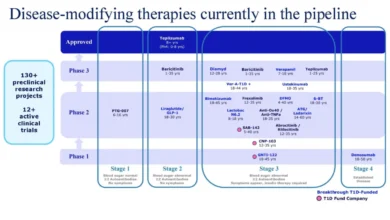
In April, the therapeutic landscape shifted dramatically toward disease interception. For the first time in medical history, families with children aged one year and older diagnosed with Stage 2 T1D were given access to teplizumab (marketed as Tzield). This groundbreaking immunotherapy has been clinically proven to delay the clinical onset of symptomatic Stage 1 and Stage 2 T1D progression by an average of two years.
For a young child, delaying the onset of symptomatic T1D means two additional years of healthy, unburdened childhood, free from the constant cycle of finger-prick blood glucose checks, carbohydrate counting, and insulin injections.
Reflecting on this milestone, Aaron J. Kowalski, Ph.D., CEO of Breakthrough T1D, noted, "Intervening earlier and slowing the disease’s progression will provide the gift of time to young children and their caregivers, potentially improving lifelong outcomes. I am immensely proud of Breakthrough T1D’s role in advancing the research that made Tzield possible."
May: Automated Insulin Delivery Revolutionizes Pregnancy Management
May brought unprecedented advancements in device technology, specifically addressing one of the most clinically complex scenarios in endocrinology: managing T1D during gestation. Tandem Diabetes Care received regulatory approval for Control-IQ+, making it the first automated insulin delivery (AID) system officially approved for use during pregnancy in women with T1D.
Pregnancy introduces massive, rapid hormonal fluctuations that drastically alter insulin sensitivity, making maintaining target blood glucose levels exceptionally difficult. The integration of advanced AID algorithms helps expectant mothers achieve significantly higher time-in-range metrics, substantially reduces the incidence of dangerous hypoglycemic events, promotes restorative sleep, and drastically improves overall maternal and fetal health outcomes.
Liz Walsh, who has lived with T1D for 35 years, experienced this technology firsthand. "During pregnancy, Control-IQ+ was a game-changer," Walsh shared. "It helped me achieve more time in range, more predictable outcomes, and experience fewer highs and lows. It also reduced much of the mental burden and T1D-related anxiety that comes with having to constantly monitor and make adjustments, which allowed me to focus more on my overall health and my baby’s well-being. I’m grateful for Control-IQ+ helping me feel more confident and in control during my pregnancy and the healthy, safe delivery of my baby boy."
May: Inhaled Insulin Offers Needle-Free Mealtime Relief
Continuing a monumental May, the pediatric and adolescent T1D community received a vital alternative to traditional delivery mechanisms with the approval of Afrezza. As a rapid-acting, inhaled mealtime insulin approved for children ages six and older with a prescription, Afrezza offers families a practical alternative that eliminates the physical and psychological barriers associated with daily subcutaneous injections or continuous pump infusion sets. By streamlining mealtime dosing, this therapy addresses injection fatigue, particularly among school-aged children and teenagers.
June: Expanding Teplizumab Indications for Newly Diagnosed Stage 3 Patients
Building upon the earlier pediatric approval, June marked another historic regulatory milestone for teplizumab. The therapy gained approval for children and adolescents aged eight to seventeen within eight weeks of a clinical Stage 3 T1D diagnosis. This indication serves a dual purpose: it safely and effectively delays the ongoing decline of the body’s residual endogenous insulin production, and it represents the first time regulatory authorities approved a T1D therapy explicitly based on C-peptide preservation—a direct biomarker of beta-cell function.
Dr. Joshua Vieth, Senior Director of Research at Breakthrough T1D, emphasized the strategic importance of this milestone: "Advancing therapies that can change the course of type 1 diabetes for those living with the condition is a key priority for Breakthrough T1D."
August: The Advent of Continuous Ketone Monitoring
August introduced a paradigm-shifting device aimed at preventing one of the most perilous acute complications of T1D. Abbott received approval for the Libre Duo 10 Day, marking the first commercially available continuous ketone monitor (CKM) cleared in the United States for individuals aged two and older with T1D.
Historically, monitoring ketone levels required cumbersome urine strips or intermittent blood meter tests, often performed only after symptoms of hyperglycemia had already manifested. Continuous ketone monitoring provides real-time tracking of metabolic shifts, offering early warnings that can effectively prevent diabetic ketoacidosis (DKA)—a severe, acute, and potentially life-threatening emergency characterized by dangerous levels of blood acidity.
September: First Renal Protection Therapy in Three Decades for T1D
The autumn months brought vital news for long-term chronic disease management. In September, finerenone (marketed under the brand name Kerendia) achieved regulatory approval as the first therapy in thirty years specifically indicated to slow the progression of chronic kidney disease (CKD) in individuals living with T1D. Nephropathy remains one of the most feared microvascular complications of long-standing diabetes, frequently leading to dialysis and renal transplantation.
Dr. Jonathan Rosen, Senior Director of Research at Breakthrough T1D, underscored the gravity of this approval: "Today, there are few treatments available for chronic kidney disease, a common complication of type 1 diabetes. The approval of finerenone is a huge win for the T1D community."
The Broader Impact and Implications for the Future
When viewed collectively, the breakthroughs of the past year represent a profound maturation in how the medical community approaches type 1 diabetes. Rather than relying on a monolithic model of care, modern T1D management has evolved into a personalized, multi-pronged discipline encompassing:
- Economic Demilitarization: Capping insulin costs through interchangeable biosimilars ensures that life-sustaining medications remain within economic reach, decoupling basic survival from personal wealth or insurance status.
- Interception and Preservation: Therapies like teplizumab prove that the autoimmune march of T1D is no longer entirely inevitable or untreatable at onset, offering genuine windows of disease modification and C-peptide preservation.
- Technological Sophistication: Advanced automated insulin delivery systems and continuous ketone monitors alleviate monumental psychological and physiological burdens, safeguarding vulnerable populations such as pregnant mothers and pediatric patients.
- Organ Protection: Novel therapeutics like finerenone actively combat long-term microvascular complications, extending both the quality and quantity of life for those managing multi-decade diagnoses.
Organizations such as Breakthrough T1D have maintained an instrumental role in funding, supporting, and accelerating every single advancement cataloged above. Yet, institutional backing relies entirely on the sustained generosity and commitment of global supporters, advocates, and donors.
Looking forward, the scientific ecosystem remains heavily focused on funding essential research into definitive cures, alongside incremental technological and pharmacological enhancements designed to ease the daily realities of current patients. By fueling this pipeline of critical research, the global community moves steadily closer to the ultimate objective: realizing a world entirely free from the burden of type 1 diabetes.