The Best Eco-Friendly and Ethical Men’s Underwear Brands for 2026

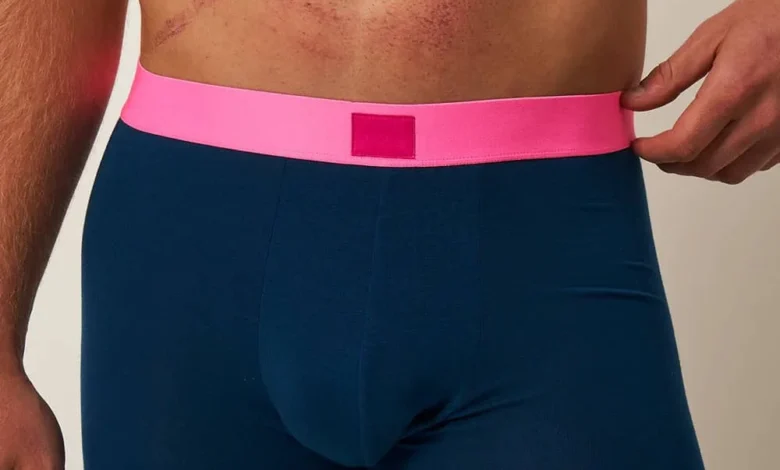
The global men’s underwear market is undergoing a significant transformation as consumer preferences shift toward sustainability, transparency, and high-performance, non-toxic fabrics. With the apparel industry responsible for an estimated 2 to 8 percent of global greenhouse gas emissions, the move toward ethically sourced base layers is no longer a niche trend but a growing component of the circular economy. As of 2026, the sector is characterized by a move away from synthetic, petroleum-based materials toward renewable, biodegradable fibers like Tencel, organic cotton, and bamboo.

The Shift Toward Sustainable Intimates
The evolution of the ethical underwear market has been driven by increased scrutiny of global supply chains. Historically, the textile industry has been criticized for poor labor conditions and excessive water usage. In response, a new cohort of UK-based and international brands has adopted rigorous certification standards, such as the Global Organic Textile Standard (GOTS) and B Corp certification, to verify their environmental and social claims.
Market data indicates that the demand for sustainable menswear has surged by approximately 15 percent year-on-year since 2022. This growth is attributed to heightened consumer awareness regarding "fast fashion" and the long-term environmental impacts of disposable clothing. Consumers are now prioritizing longevity, material quality, and the ethical treatment of garment workers over the low-cost, high-turnover model that dominated the early 21st century.

Chronology of Ethical Fabric Adoption
The integration of sustainable fabrics into mass-market underwear has followed a distinct timeline of technological advancement:
- Pre-2015: The industry remained heavily reliant on conventional cotton, a crop notoriously water-intensive and dependent on pesticides.
- 2015–2019: Early adoption of bamboo viscose and initial trials of recycled synthetics began to appear in high-end athletic wear.
- 2020–2023: The "B Corp" movement gained traction, with brands formalizing commitments to living wages and transparent supply chains.
- 2024–2026: Advanced cellulose-based fibers, such as MicroModal Air and sustainably sourced Tencel, have become the industry standard for premium, eco-friendly comfort, offering better moisture-wicking properties than traditional cotton.
Key Players and Ethical Benchmarks
Several brands have emerged as leaders in this space, each utilizing different materials and supply chain strategies to meet the demand for ethical apparel.
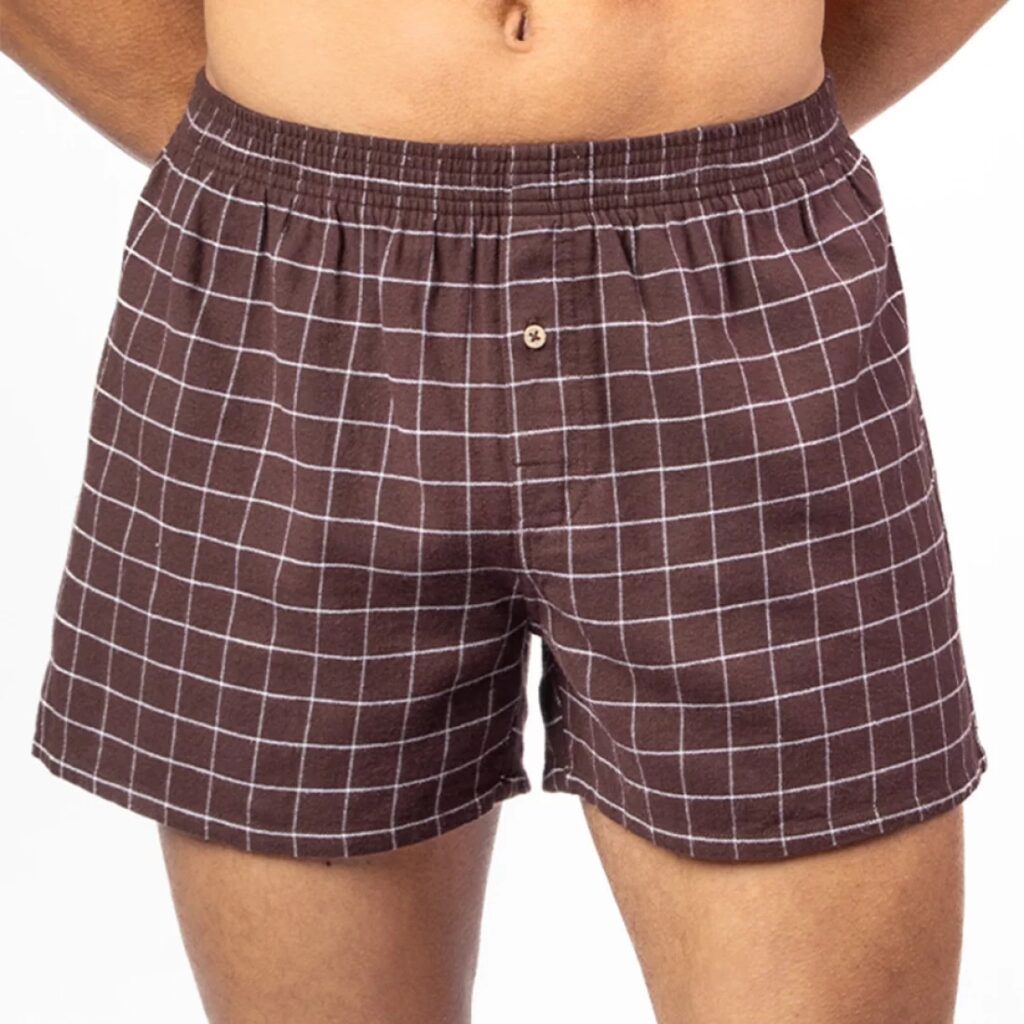
JustWears has distinguished itself through the use of MicroModal Air, a fiber derived from sustainably harvested European beechwood. Their manufacturing process emphasizes carbon neutrality and material durability. By eliminating tags and focusing on ergonomic design, the brand has addressed common consumer complaints regarding friction and skin irritation.
Project Pico serves as a case study for the integration of Fairtrade principles into manufacturing. Their supply chain in India relies on farmers’ cooperatives rather than large-scale industrial farms. The company’s policy of providing interest-free loans to employees for land acquisition and housing is an example of the "beyond compliance" approach to corporate social responsibility (CSR).

Y.O.U. Underwear provides a model for "buy-one-give-one" philanthropy. By partnering with organizations like Smalls for All, the company has integrated social welfare directly into its business model. Their use of SA8000-certified facilities ensures that their production lines meet international benchmarks for occupational health and safety.
BAM (Bamboo Clothing) focuses on the technical performance of bamboo-based fabrics. Bamboo is naturally antibacterial and highly absorbent, making it an ideal candidate for athletic wear. By blending bamboo with organic cotton, the company manages to achieve a balance between durability and softness.

Yes Friends has challenged the industry’s pricing structure. By leveraging economies of scale and direct-to-consumer models, they have proven that sustainable, GOTS-certified underwear can remain accessible to the average consumer. Their "tipping" mechanism for garment workers represents a pioneering effort in direct wage transparency.
Data Analysis: The Impact of Sustainable Manufacturing
The environmental benefits of these materials are quantifiable. For instance, Tencel production utilizes a closed-loop system where 99 percent of the water and solvents used in the manufacturing process are recycled. In contrast, conventional cotton production requires approximately 2,700 liters of water to produce the amount of cotton needed for a single t-shirt, a figure that remains a major point of contention for sustainability advocates.

Furthermore, the shift to solar-powered manufacturing, as seen in the operations of brands like Yes Friends and Rapanui, directly correlates to a reduction in Scope 2 greenhouse gas emissions. These manufacturers are no longer viewed merely as clothing producers, but as participants in the global effort to reach net-zero carbon targets.
Official Standards and Certifications
To navigate the landscape of "greenwashing," consumers are increasingly looking for independent, third-party certifications. The most prominent of these include:

- GOTS (Global Organic Textile Standard): The gold standard for the processing of textiles made from certified organic fibers, covering both environmental and social criteria.
- OEKO-TEX Standard 100: A testing and certification system for harmful substances in textiles, ensuring that finished products are safe for human health.
- B Corp Certification: An assessment of a company’s entire social and environmental performance, ensuring that profit is balanced with purpose.
- Fairtrade Certification: Ensures that producers receive a fair price for their goods and that workers are treated with dignity.
Implications for the Future of Retail
The trajectory of the ethical underwear market suggests that transparency will become a mandatory requirement rather than a competitive advantage. As regulations surrounding supply chain transparency—such as the European Union’s Corporate Sustainability Due Diligence Directive—continue to tighten, smaller brands that have already prioritized ethical sourcing will be better positioned to adapt to future legal landscapes.
For the consumer, the implication is a higher initial price point, which is often offset by the superior longevity of organic fibers compared to mass-market synthetics. The focus on "quality over quantity" is likely to reduce the volume of textile waste, as garments that are designed to last longer and resist wear will, by definition, end up in landfills less frequently.

Conclusion
The evolution of the men’s underwear sector reflects a broader societal shift toward conscious consumerism. By supporting brands that prioritize organic materials, fair labor practices, and carbon-efficient manufacturing, the modern consumer is participating in a necessary redesign of the textile industry. As of 2026, the options for high-quality, ethically produced underwear are more diverse and accessible than ever before, signaling that the future of intimate apparel is rooted in both sustainability and innovation. Through the continued support of brands that adhere to rigorous environmental and social standards, the industry is moving closer to a model where comfort does not come at the expense of the planet.
Related posts: