New Guidance Strengthened to Highlight Drowsiness and Co-Sleeping Risks for Infants


New guidance regarding medications that can induce drowsiness has been significantly strengthened this week, aiming to enhance the safety of infants by more explicitly highlighting the risks associated with co-sleeping when a caregiver is drowsy. This crucial update, championed by The Lullaby Trust and supported by key health organizations, empowers pharmacists to proactively engage with parents and carers of babies under 12 months old, offering vital information on safer sleep practices.
Enhanced Pharmacy Protocols for Safer Infant Sleep
Pharmacists are now encouraged to consider whether individuals collecting prescriptions for drowsiness-inducing medications are responsible for the care of infants under one year of age. If this is the case, they are equipped to provide clear, evidence-based advice on safer sleep environments and the inherent dangers of co-sleeping in specific circumstances. This proactive approach embeds crucial safety messaging directly into the point of medication dispensing, a critical touchpoint for many families.
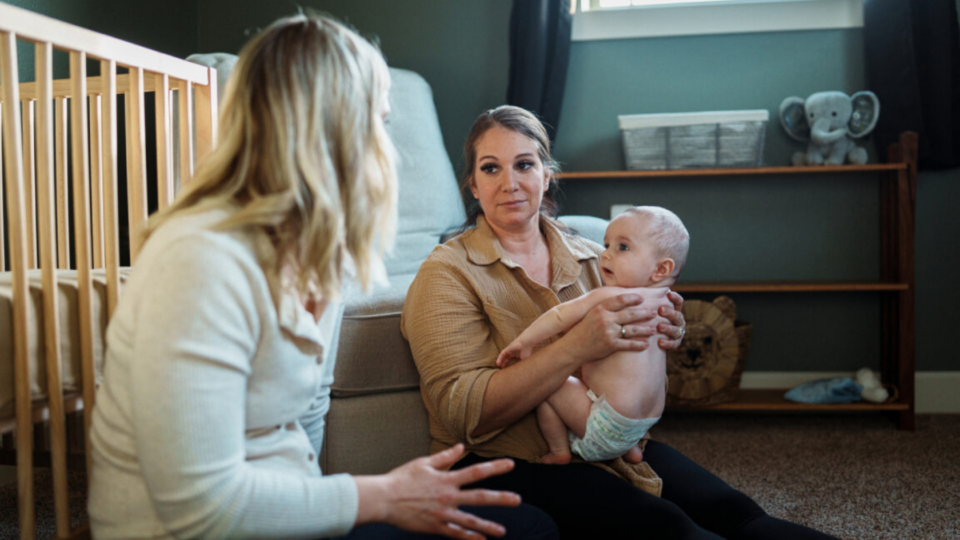
The updated guidance introduces new wording within standard cautionary advice for pharmacists. It now explicitly advises: "Patients who are parents or carers of babies aged up to 12 months should be counselled on the risks of co-sleeping (sleeping with a baby on a bed, sofa, chair, etc.) and directed to trusted safer sleep information." This addition ensures that a significant risk factor for sudden infant death is brought to the forefront of pharmaceutical consultations. Crucially, this updated guidance also serves as a direct referral point, signposting families and carers to The Lullaby Trust for comprehensive and authoritative information on safer sleep and the nuances of co-sleeping.
The Critical Importance of this Safety Initiative
The rationale behind this strengthened guidance is rooted in compelling evidence and the stark reality of infant mortality. Co-sleeping, particularly when a caregiver is experiencing drowsiness due to medication, alcohol, or fatigue, significantly elevates the risk of accidental suffocation and sudden infant death syndrome (SIDS). Drowsiness can impair a caregiver’s awareness and responsiveness, making it harder to react to a baby’s needs or to detect potential dangers, such as accidental airway obstruction.
The update directly reflects findings identified by Child Death Overview Panels (CDOPs) across the country. These panels meticulously review infant deaths, and their investigations have repeatedly highlighted instances where co-sleeping in conjunction with drowsiness-inducing medication was identified as a contributing risk factor to tragic outcomes. By integrating this advice into routine pharmaceutical practice, the aim is to create more opportunities for families to receive consistent, evidence-based information that can prevent avoidable tragedies.

This collaborative effort underscores a growing commitment to a multi-faceted approach to infant safety. The British National Formulary (BNF) and the British National Formulary for Children (BNFC), which serve as authoritative drug information resources, have incorporated these changes. The National Child Mortality Database (NCMD) and NHS England have also been instrumental in driving this initiative forward, working in tandem with CDOPs nationwide. The Lullaby Trust has expressed gratitude to all the organizations and teams involved in making this vital change a reality, recognizing the power of collective action in protecting vulnerable infants.
Background and Evolution of Safer Sleep Advice
The Lullaby Trust has long been at the forefront of promoting safer sleep practices for babies in the UK. Their core advice centres on the principle that the safest place for a baby to sleep is on their back, in a clear, flat sleep space, such as a cot or Moses basket. For at least the first six months of life, it is recommended that babies sleep in the same room as their parents. This room-sharing arrangement allows parents to monitor their baby more closely and respond quickly to any needs, while still maintaining separate sleep surfaces to reduce risks.
Historically, discussions around co-sleeping have been nuanced. While The Lullaby Trust acknowledges that some parents choose to share a bed with their babies, they strongly caution against it, especially under certain conditions. These conditions include when a parent is a smoker (even if they don’t smoke in the house), has consumed alcohol, is excessively tired, has taken medication that causes drowsiness, or if the baby was born prematurely or with a low birth weight. The risk is amplified on soft surfaces like sofas or armchairs, where accidental suffocation is a far greater concern.

The evolution of this guidance signifies a shift towards more explicit and actionable advice within healthcare settings. It moves beyond general recommendations to provide specific, targeted warnings at a point where families are actively seeking medical advice and obtaining potentially risk-associated medications.
Data and Evidence Supporting the Change
Statistics on SIDS and unexplained infant deaths underscore the importance of initiatives like this. While SIDS rates have decreased significantly over the past few decades due to increased awareness and adoption of safer sleep practices, any preventable death is a tragedy. Research consistently points to specific risk factors, with unsafe sleep environments being a primary concern.
Studies compiled by organizations like the Foundation for the Study of Infant Deaths (FSID), which merged with The Lullaby Trust, have demonstrated a correlation between co-sleeping and increased risk of SIDS, particularly when certain risk factors are present. The National Institute for Health and Care Excellence (NICE) also provides guidelines on reducing the risk of SIDS, reinforcing the importance of back sleeping and avoiding overheating.

The inclusion of drowsiness-inducing medication as a specific risk factor in co-sleeping scenarios is a direct response to observed patterns in infant mortality reviews. CDOPs, mandated to review all deaths of children up to their 18th birthday, have provided crucial data that has informed this updated guidance. Their reports often detail the circumstances surrounding infant deaths, and identifying recurring risk factors allows for targeted public health interventions. The emphasis on this particular risk factor acknowledges that modern medicine, while beneficial, can inadvertently introduce risks if not managed with a comprehensive understanding of its potential side effects in the context of infant care.
Official Responses and Stakeholder Perspectives
Representatives from The Lullaby Trust have welcomed the strengthened guidance. A spokesperson for the charity stated, "We are delighted that this crucial update has been implemented. Empowering pharmacists to have these conversations with parents and carers is a significant step forward in our mission to reduce the number of unexpected infant deaths. Our advice has always been clear: the safest place for a baby to sleep is on their back in their own clear, flat sleep space. When drowsiness is a factor, the risks associated with co-sleeping are substantially amplified, and it’s vital that this message reaches those who need it most."
Pharmacists themselves are expected to play a pivotal role in disseminating this information. Professional bodies representing pharmacists have been briefed on the changes, and training materials are being developed to ensure consistent application of the new protocols. The aim is to integrate this screening question and subsequent advice seamlessly into the dispensing process, making it a routine part of patient care.

Broader Impact and Future Implications
The implications of this strengthened guidance extend beyond immediate pharmacy interactions. It fosters a more informed public discourse around infant safety and medication use. By highlighting the intersection of these two areas, it encourages a more holistic approach to parenting and healthcare.
The success of this initiative may pave the way for further collaborations between health professionals and charities focused on child safety. It demonstrates the value of evidence-based policy changes that leverage existing healthcare touchpoints to deliver critical public health messages. For families, this means clearer, more consistent advice when they need it most, ultimately contributing to a safer environment for their babies. The ongoing commitment to reviewing and updating guidance based on emerging evidence is essential for the continued protection of infants and the promotion of healthy child development. The Lullaby Trust continues to offer a wealth of resources on their website, providing detailed information on safer sleep practices, the risks of co-sleeping, and advice on navigating the complexities of infant care.