The Comprehensive Guide to Navigating the Emotional, Physical, and Financial Realities of the Postpartum Period

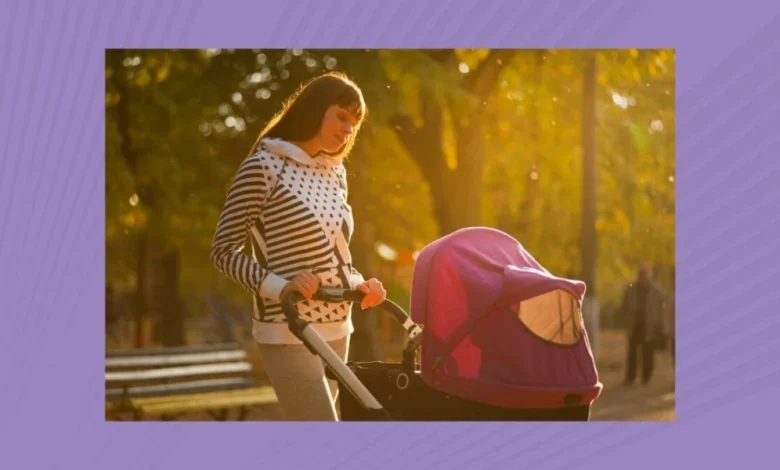
The transition into parenthood is often described as a life-altering event, yet the specific challenges of the fourth trimester—the critical three-month window immediately following childbirth—are frequently overlooked in mainstream medical and societal discourse. As millions of parents navigate the postpartum phase annually, emerging research and public discourse from high-profile figures are beginning to illuminate the complex intersection of hormonal volatility, identity shifts, and systemic economic pressures that define this period.

The Biological and Hormonal Landscape
Following the delivery of a child, the human body undergoes a profound hormonal reset. During pregnancy, levels of estrogen and progesterone skyrocket to support fetal development. Within 24 to 48 hours of birth, these levels plummet, a biological shift that frequently contributes to the "baby blues," affecting an estimated 60% to 80% of new mothers.

While the baby blues are generally transient, researchers note that this hormonal withdrawal acts as a catalyst for deeper emotional shifts. In recent years, public figures such as Keira Knightley and Jennifer Lawrence have opened a vital dialogue regarding the "postpartum crash." Knightley has spoken candidly about the intense emotional exhaustion and the societal pressure to "bounce back" to pre-pregnancy physical standards, a narrative that often masks the reality of postpartum recovery. Similarly, Jennifer Lawrence has highlighted the prevalence of postpartum anxiety, detailing the intrusive thoughts and heightened vigilance that many new parents carry in silence. These celebrity accounts mirror clinical findings which suggest that anxiety and depression in the postpartum period are not merely individual struggles but are exacerbated by a lack of institutional support and unrealistic cultural expectations.

The Myth of the Bounce Back and Physical Recovery
The pressure to return to a pre-pregnancy state is a recurring theme in modern motherhood. However, medical experts emphasize that the postpartum period is not a phase to be "recovered" from, but rather a transitional state of growth. Treating rest as a medical necessity rather than a luxury is paramount to long-term health.

Clinical data indicates that adequate physical recovery—including pelvic floor rehabilitation and the healing of surgical sites from C-sections—is essential for long-term musculoskeletal health. Despite this, the United States remains the only industrialized nation without a federal mandate for paid parental leave, forcing many parents to return to the workforce while their bodies are still in the critical stages of healing. This "motherhood tax," characterized by lower lifetime earnings and the loss of professional momentum, continues to widen the gender pay gap and place immense stress on the family unit.

The Socio-Economic Realities of New Parenthood
The transition to parenthood is rarely just an individual journey; it is a financial and social reconfiguration of the entire family structure. Recent economic data underscores that the financial burden of early parenthood is significant, with costs associated with childcare, medical care, and lost wages creating a compounding effect on household stress.

Financial experts suggest that small, strategic shifts in budgeting can mitigate this stress. Practices such as auditing recurring expenses before the baby arrives, securing life insurance early, and understanding the nuances of employer-provided parental leave can provide a necessary buffer. Furthermore, the role of grandparents and extended family has evolved; they are increasingly viewed as the "invisible scaffolding" of the modern family. Research into multi-generational care models shows that when grandparents are involved in a structured, boundary-conscious manner, the stress on new parents decreases significantly.

The Identity Rebirth: Beyond the Physical
Beyond the physical and financial hurdles lies the profound transformation of the self. Becoming a parent involves an "identity rebirth," a psychological shift that can lead to feelings of displacement or a sense of not recognizing oneself. This phenomenon is particularly acute for working mothers, who must reconcile their professional ambitions with the demands of primary caregiving.

Sociologists note that this identity shift is not a deficit but a evolution. The process of learning to trust one’s instincts, setting boundaries with relatives, and navigating the changing dynamics of friendships requires time. Friendships often act as lifelines during the "wild, wonderful blur" of the early days, yet these connections frequently suffer as time constraints and differing priorities take hold. Building a community—whether through local parent-baby centers or online support networks—is essential for sustaining mental health during this period.

Navigating Milestones and Sibling Dynamics
As the child grows, the parental experience continues to evolve. Every baby milestone—from the first smile to the first steps—is mirrored by a parental milestone. Parents are simultaneously learning to let go, ask for help, and establish their own boundaries.

Sibling dynamics also present a complex challenge. While sibling rivalry is often viewed as a negative, developmental psychologists argue that it is a fundamental way for children to practice conflict resolution and empathy. By framing these interactions as "love in disguise," parents can guide their older children through the adjustment of welcoming a new member into the family, fostering a sense of inclusion that strengthens the family unit long-term.

The Role of Advocacy and Systemic Change
The systemic challenges facing new parents—ranging from the high cost of childcare to the lack of mental health resources—have prompted calls for institutional reform. The "motherhood tax" is not just a personal struggle; it is a macroeconomic issue that affects workforce participation and productivity.

In 2025 and 2026, there has been an increased focus on what employers can do to support the transition to parenthood. Initiatives such as flexible working hours, phased returns to work, and comprehensive mental health benefits are being championed as essential tools for retaining talent. Furthermore, the legal and social landscape regarding adoption and surrogacy is also shifting. As more families build their lives through diverse pathways, there is a growing emphasis on creating rituals that celebrate these journeys, ensuring that every family story—regardless of how it begins—is honored and supported.

Conclusion: A New Standard of Support
The fourth trimester is a period of intense vulnerability and rapid development, not just for the infant, but for the parents as well. By shifting the cultural narrative from one of "bouncing back" to one of "moving forward," society can foster a more supportive environment for families.

The path forward requires a multifaceted approach:

- Medical Recognition: Treating postpartum mental and physical health as a long-term clinical priority, rather than a short-term hurdle.
- Economic Policy: Implementing robust parental leave policies and childcare subsidies that recognize the economic contribution of caregiving.
- Community Building: Fostering local, accessible support networks that normalize the complexities of parenthood and reduce the isolation often felt by new parents.
- Empathetic Leadership: Encouraging workplaces to adopt policies that prioritize the well-being of the family, acknowledging that professional success and effective parenting are not mutually exclusive.
As research continues to highlight the interconnectedness of parental mental health, child development, and economic stability, it becomes clear that supporting the postpartum period is an investment in the future of the entire society. The journey of motherhood is complex, filled with both "hardest love" and profound joy, and it deserves to be met with the empathy, resources, and respect that such a monumental life transition requires.