The Dual Realities of Modern Parenting: Navigating Daily Chaos and Cherished Milestones


The dichotomy of modern parenting is frequently defined by a fragile coexistence between chaotic daily friction and profoundly rewarding breakthroughs. While contemporary family life is routinely characterized by public meltdowns, defiant teenage behavior, and the relentless exhaustion of domestic management, it is occasionally punctuated by cinematic moments of pure familial joy. A recent personal essay shared by lifestyle writer and commentator Joanna Goddard has once again brought this universal psychological phenomenon into the public discourse, prompting a widespread cultural conversation regarding the emotional highs and lows of raising children in the twenty-first century.
The conversation, which originated from a casual weekend exchange between Goddard and her sister, highlights the stark contrast between the universally challenging aspects of child-rearing and the rare, highly coveted instances where parenting aligns precisely with idealized expectations. Such milestones—ranging from a toddler’s foundational vocabulary to vulnerable, late-night conversations with adolescents—serve as psychological anchors for parents, validating the immense expenditure of energy required to guide children through their developmental years.
The Psychology of Everyday Chaos Versus Peak Parenting
To understand why moments of effortless connection resonate so deeply with parents, child development specialists and family psychologists point to the heavy cognitive load carried by primary caregivers. Modern parents navigate unprecedented levels of scheduling pressure, digital distractions, and societal expectations. Consequently, routine daily conflicts—such as infants crying during commercial air travel or teenagers slamming bedroom doors—trigger a chronic low-grade stress response in caregivers.
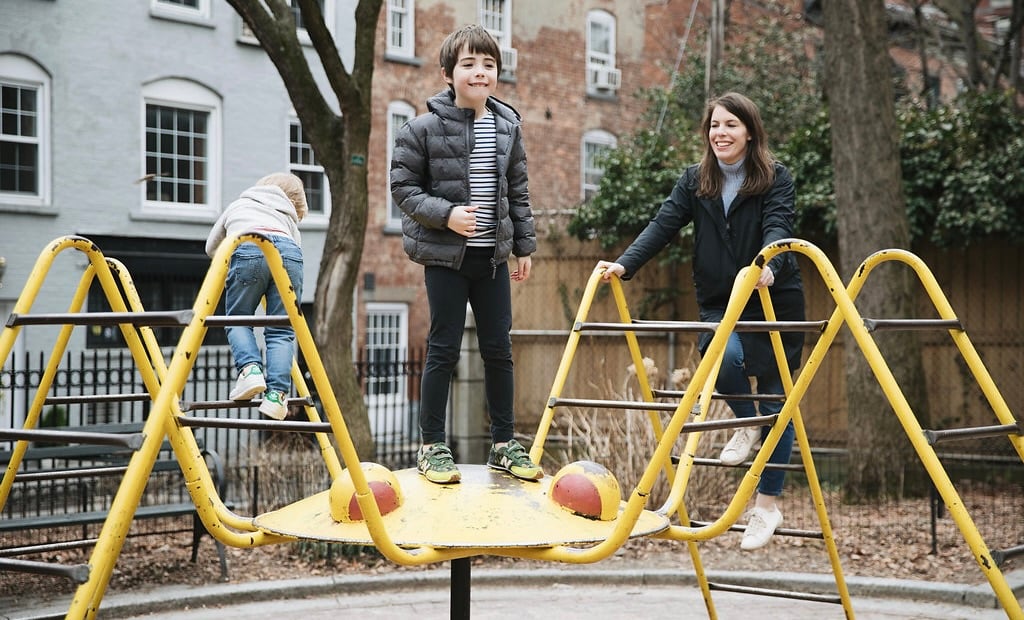
Conversely, "pinch-myself" parenting moments act as powerful emotional correctives. These incidents, often characterized by spontaneous play, shared humor, or unexpected displays of empathy from children, release a surge of positive reinforcement. Psychologists note that these affirmative experiences are critical for long-term parental mental health, effectively buffering against burnout and fostering resilience. Goddard’s recent anecdote—involving a game of hide-and-seek at a neighborhood playground where she successfully concealed herself in plain sight by joining a group of chatting adults—serves as a quintessential example of the spontaneous, lighthearted joy that revitalizes exhausted caregivers.
A Chronology of Modern Parenting Discourse
The public conversation surrounding the emotional spectrum of parenting has evolved significantly over the past decade, shifting away from rigid, perfectionist standards toward a more transparent, humorous acknowledgment of daily struggles.
- Early 2010s: The rise of mom-bloggers and digital parenting communities began dismantling the myth of effortless domestic perfection, encouraging open dialogues about parental fatigue.
- Mid-2010s to 2020: Cultural shifts favored vulnerability and relatability, with prominent essays and memoirs exploring the psychological toll and unexpected comedy of raising young children. Notable milestones during this period included widespread discussions on alternative discipline techniques, such as positive parenting models and the efficacy of shifting away from reflexive negative commands.
- Post-2020 to Present: The lingering societal impacts of pandemic-era isolation placed an even heavier burden on families, accelerating the demand for shared community spaces, digital peer support, and lighthearted narratives that normalize the unpredictable nature of raising children.
Data and Demographic Insights on Family Stress and Well-Being
Sociological data underscores the timeliness of discussions surrounding parental stress and the necessity of positive reinforcement. According to recent reports from family advocacy organizations and psychological research institutions, parental burnout has risen steadily over the last twenty years, driven by economic pressures, the blurring boundaries between work and home life, and the pervasive influence of curated digital media.
Key findings from recent demographic and psychological studies indicate:
- Elevated Stress Levels: Over 45% of working parents report feeling chronically overwhelmed by the demands of managing household responsibilities and childcare, a statistic that has climbed significantly since the turn of the decade.
- The Value of Micro-Moments: Behavioral studies consistently show that brief, positive interactions—such as shared laughter or playful deception during games—contribute disproportionately to a parent’s sense of fulfillment and overall life satisfaction, often outweighing the cumulative impact of major milestones.
- Community Dependence: Informal networks of neighborhood parents, extended family members, and peer support groups remain the primary buffer against isolation and stress for primary caregivers.
Expert Perspectives and Reactions
Family counselors and developmental pediatricians have frequently weighed in on the therapeutic value of humor and shared play in family dynamics. According to clinical child psychologists, games like hide-and-seek do more than merely entertain children; they foster crucial cognitive development, trust, and spatial awareness while simultaneously offering parents a low-stakes environment to engage in lighthearted deception and bonding.
Furthermore, cultural commentators observe that public confessions of minor parenting triumphs—and the collective sharing of similar stories—create a vital sense of solidarity. When prominent voices in the parenting space share anecdotes of hiding in plain sight or navigating domestic absurdity, it democratizes the parental experience, assuring isolated caregivers that the mixture of chaos and magic is a universal human condition.
Broader Implications for Family Culture
As cultural narratives surrounding family life continue to mature, the emphasis is increasingly placed on emotional authenticity rather than unattainable standards of domestic tranquility. The recognition that deeply challenging phases can exist simultaneously with profound emotional rewards allows caregivers to process their experiences with greater self-compassion.
Ultimately, the ongoing public dialogue initiated by reflections on everyday family life serves a dual purpose: it validates the exhausting realities of raising the next generation while reminding caregivers to remain open to the unexpected, magical moments that inevitably punctuate the journey. Whether through an elaborate playground game of hide-and-seek or a quiet conversation at bedtime, these instances form the enduring foundation of modern family culture.
Related posts: