The Ultimate Guide to Baking a Traditional Homemade Peach Cobbler: History, Culinary Techniques, and Nutritional Insights

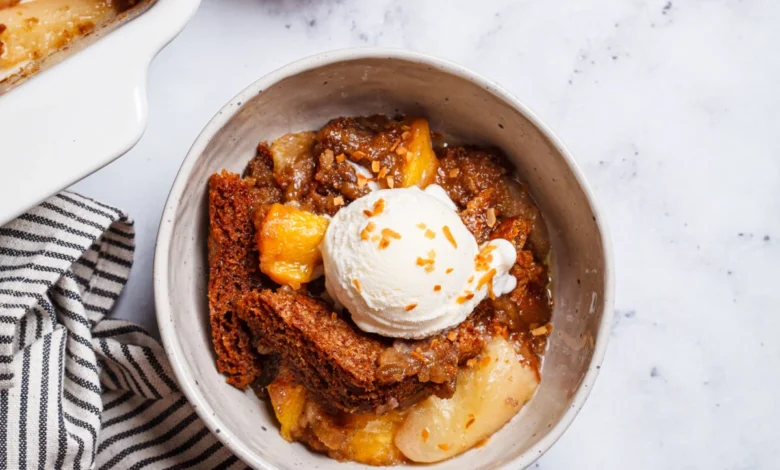
The tradition of baking fruit cobblers dates back to the early
European settlements in the American colonies, where British settlers adapted traditional pudding and pie recipes to fit their new environment. Lacking the proper equipment and deep-dish pastry ingredients to bake traditional pies, colonial cooks improvised by placing a thick layer of biscuit dough, scone batter, or dumpling-style drop biscuits directly over a bed of stewed or fresh seasonal fruit. As the dessert baked in open hearths or early wood-burning ovens, the dough expanded and formed a rustic, uneven crust that reportedly resembled the cobblestone streets of old European towns—thus cementing the name "cobbler" in the culinary lexicon.
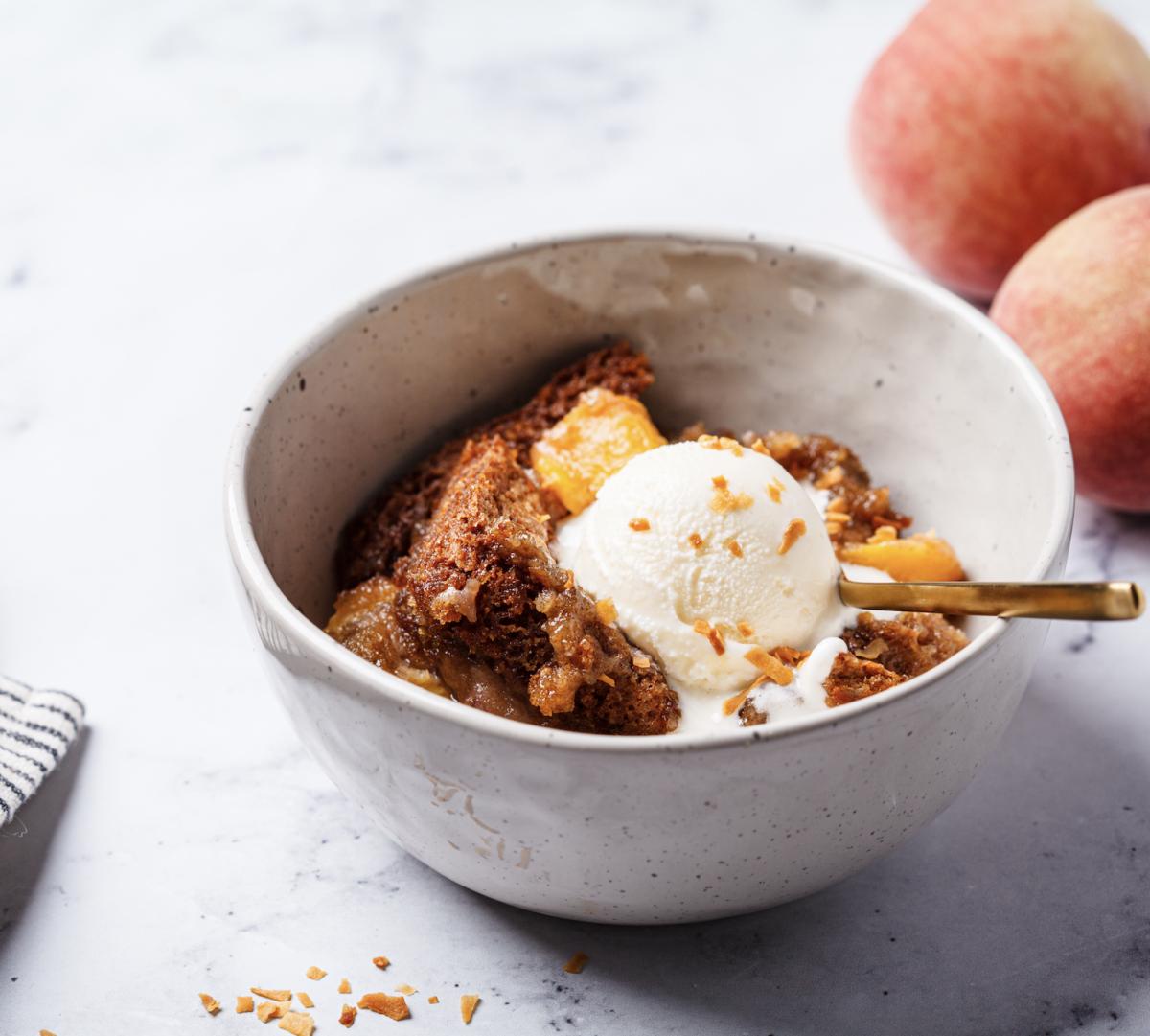
Centuries later, peach cobbler remains a cornerstone of American comfort food and a hallmark of peak summer cuisine, particularly throughout the agricultural heartland and the American South, where fresh stone fruit flourishes during the warmer months. Culinary historians note that while peach cobbler was originally designed as a practical method to utilize overripe or falling fruit before it spoiled, it has evolved into a celebrated, nostalgic dessert found at family reunions, backyard barbecues, and holiday tables nationwide.
Essential Culinary Techniques for Crafting the Ideal Peach Cobbler
Achieving the ideal balance of textures—a bubbling, perfectly thickened fruit filling underneath a tender, buttery, golden-brown crust—requires adherence to specific fundamental baking techniques. Professional pastry chefs and home economists emphasize that the quality of a peach cobbler is intrinsically tied to the selection and preparation of its core ingredients.
The primary component, of course, is the fruit. Ripe, freestone peaches are widely considered the gold standard for baking. Unlike clingstone varieties, where the peach flesh firmly adheres to the pit, freestone peaches allow the fruit to be easily sliced away, minimizing bruising and preserving the integrity of the slices. When fresh peaches are out of season, commercial quick-frozen sliced peaches or properly drained canned peaches packed in 100% fruit juice serve as reliable alternatives, though adjustments to baking time and thickening agents may be necessary to account for varying moisture content.
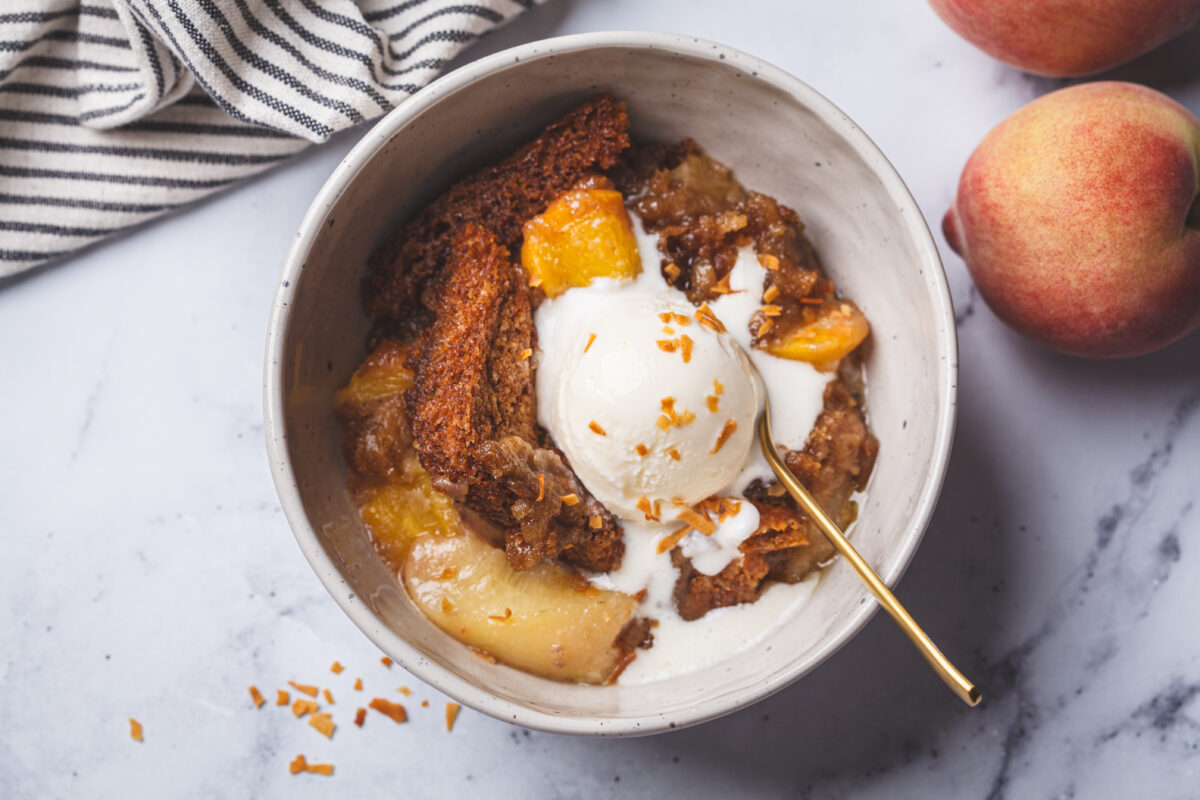
To prevent the common culinary pitfall of a watery or runny cobbler, precise measurement of thickening agents such as cornstarch is critical. Peaches release a significant volume of natural water content as they heat up in the oven. If unaddressed, this liquid dilutes the natural sugars and spices, resulting in a soup-like consistency. Incorporating cornstarch or tapioca starch directly into the sugar and spice mixture ensures that the juices gelatinize properly during the baking process, yielding a glossy, spoonable sauce that clings to the fruit.
Furthermore, the temperature of the fat used in the cobbler topping dictates its final texture. Much like biscuits or pie pastry, keeping butter thoroughly chilled before incorporating it into the dry flour mixture allows pockets of steam to form as the butter melts in the hot oven. These steam pockets create a light, flaky, and tender crumb structure. Overmixing the dough or allowing the butter to soften at room temperature too early in the preparation phase can lead to a dense, heavy, and rubbery crust.
Adaptability and Modern Variations in Fruit Desserts
While traditional southern peach cobbler relies on a straightforward combination of fresh sliced peaches, granulated sugar, a touch of cinnamon, and a simple drop-biscuit or batter topping, modern home cooks and professional bakers frequently experiment with flavor profiles and regional adaptations.
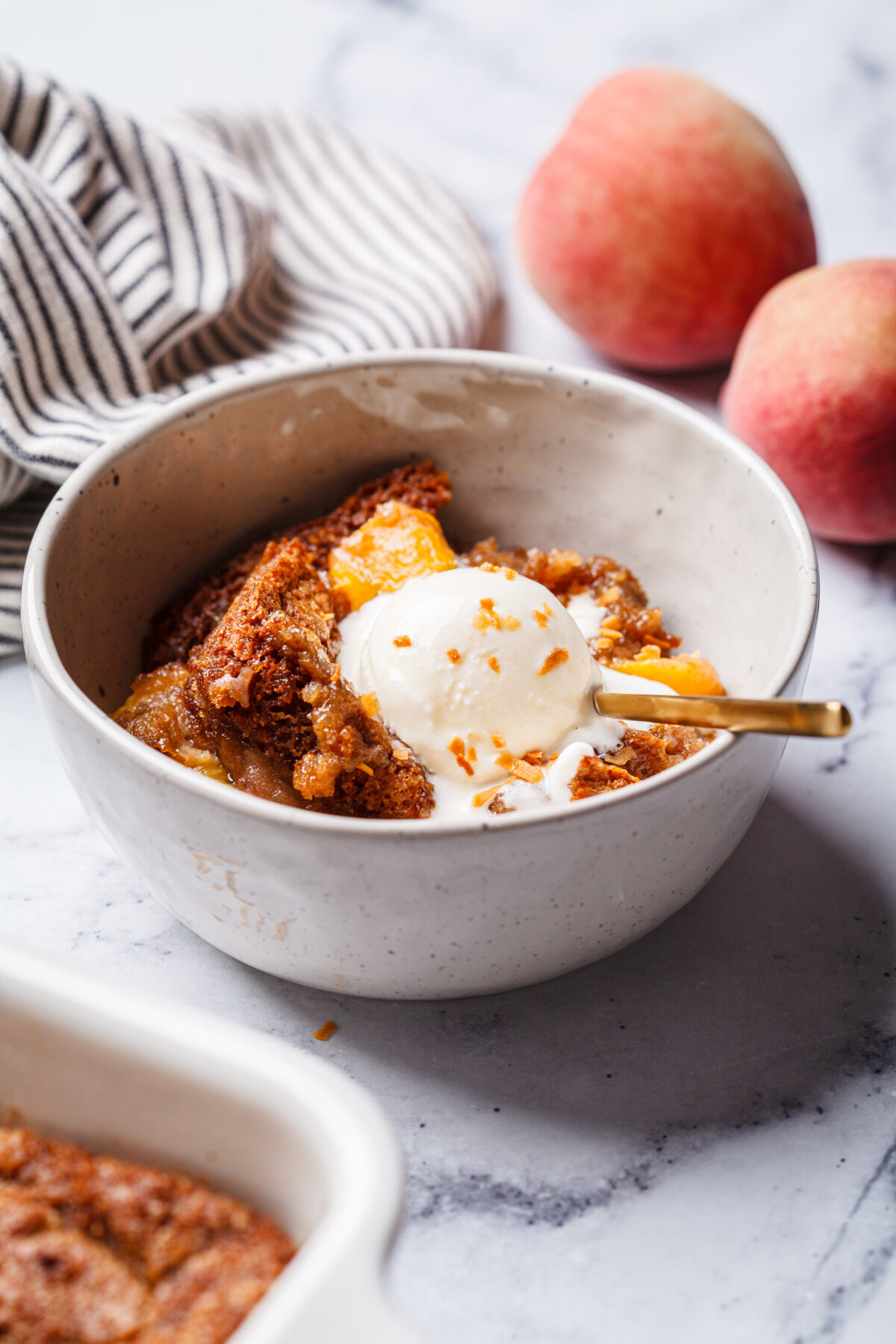
Nutritional and culinary analyses of fruit-based desserts highlight that peaches are naturally rich in dietary fiber, Vitamin C, Vitamin A, and various essential antioxidants, making them a nutrient-dense foundation for baked goods. To cater to diverse dietary preferences and flavor profiles, several variations have gained mainstream popularity:
- Berry Integration: Incorporating one cup of tart summer berries—such as blueberries, raspberries, or blackberries—directly into the peach filling introduces a balanced acidity that cuts through the sweetness of the fruit while imparting a vibrant color palette.
- Warm Spice Enhancements: While cinnamon is the traditional spice of choice, augmenting the filling with a fraction of ground ginger, freshly grated ginger root, or a dash of nutmeg adds depth and complexity.
- Nutty and Textural Additions: Sprinkling raw, chopped pecans over the unbaked topping or folding a small quantity of rolled oats into the dry ingredients introduces a contrasting crunch, elevating the textural experience of the dessert.
- Dietary Substitutions: To accommodate contemporary dietary restrictions, standard dairy butter can be successfully replaced with plant-based butter substitutes, and all-purpose flour can be partially substituted with white whole-wheat flour or gluten-free flour blends, provided proper liquid ratios are maintained.
Storage, Shelf Life, and Food Safety Guidelines
Proper post-baking handling is essential for maintaining the structural integrity and food safety of a homemade fruit cobbler. Once removed from the oven, a freshly baked cobbler requires a resting period of approximately 15 to 20 minutes at room temperature. This crucial cooling window allows the cornstarch-thickened fruit juices to drop in temperature and set completely, preventing the filling from spilling apart when portioned.
For short-term storage, any leftover cobbler should be allowed to cool entirely before being covered tightly with plastic wrap, aluminum foil, or transferred to an airtight glass container. Stored properly in a standard household refrigerator, baked peach cobbler remains safe and palatable for up to four days. Reheating individual portions can be efficiently accomplished using a microwave, while larger quantities are best warmed in a conventional oven preheated to 325 degrees Fahrenheit (approximately 163 degrees Celsius) to restore the crispness of the outer crust.
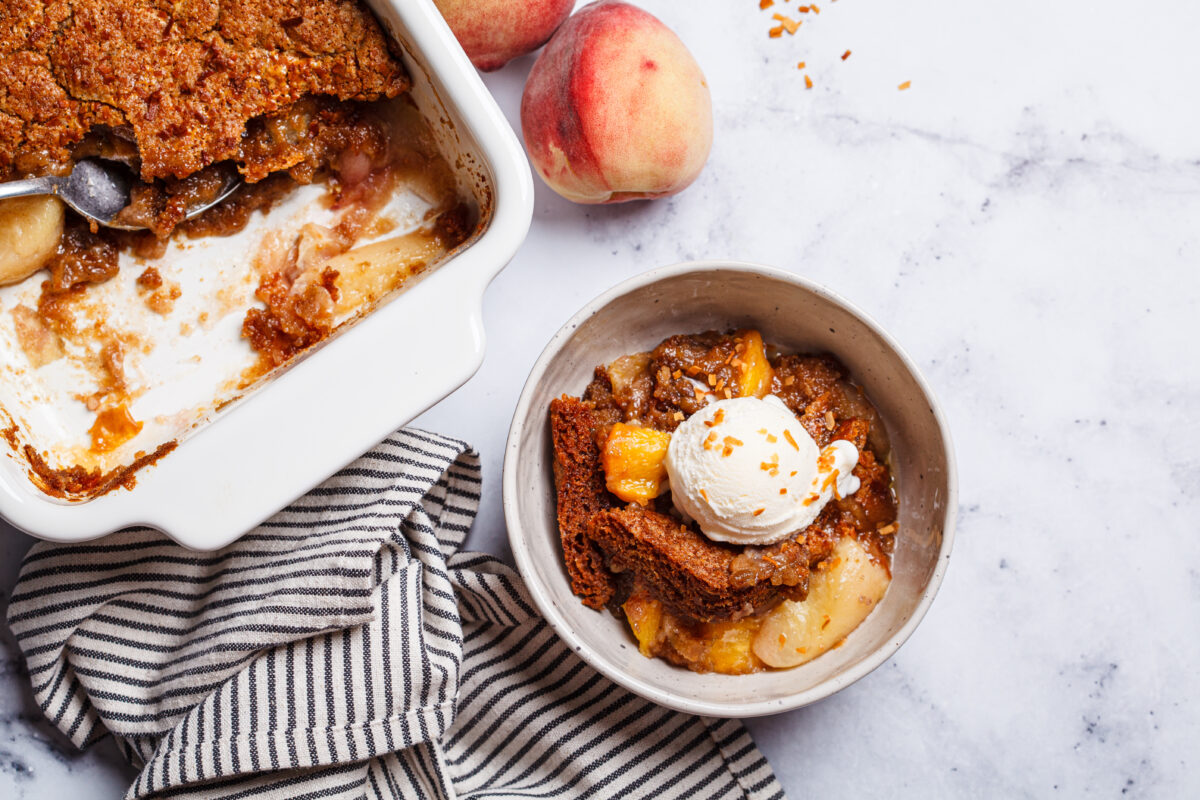
For long-term preservation, fully baked and cooled peach cobbler can be frozen for up to three months. To freeze successfully, the baking dish should be tightly wrapped in multiple layers of heavy-duty aluminum foil or transferred to freezer-safe containers. When ready to consume, the cobbler should be thawed slowly overnight in the refrigerator and subsequently reheated in a moderate oven. While freezing may slightly soften the exterior texture of the baked topping, the underlying flavor profile and aromatic qualities of the spiced peaches remain largely uncompromised.
Economic and Cultural Significance of Seasonal Fruit Desserts
The enduring popularity of homemade peach cobbler underscores a broader cultural appreciation for scratch-made, comfort-oriented culinary traditions. In an era dominated by convenience foods and highly processed commercial snacks, baking traditional desserts from scratch represents a deliberate return to seasonal, whole-food ingredients.
Agricultural economists note that peak peach season—typically spanning from late May through late September across North America—drives significant retail activity in farmers’ markets, local orchards, and grocery produce departments. Promoting recipes that utilize fresh, seasonal produce not only supports regional agriculture and local farming cooperatives but also encourages culinary education within households.
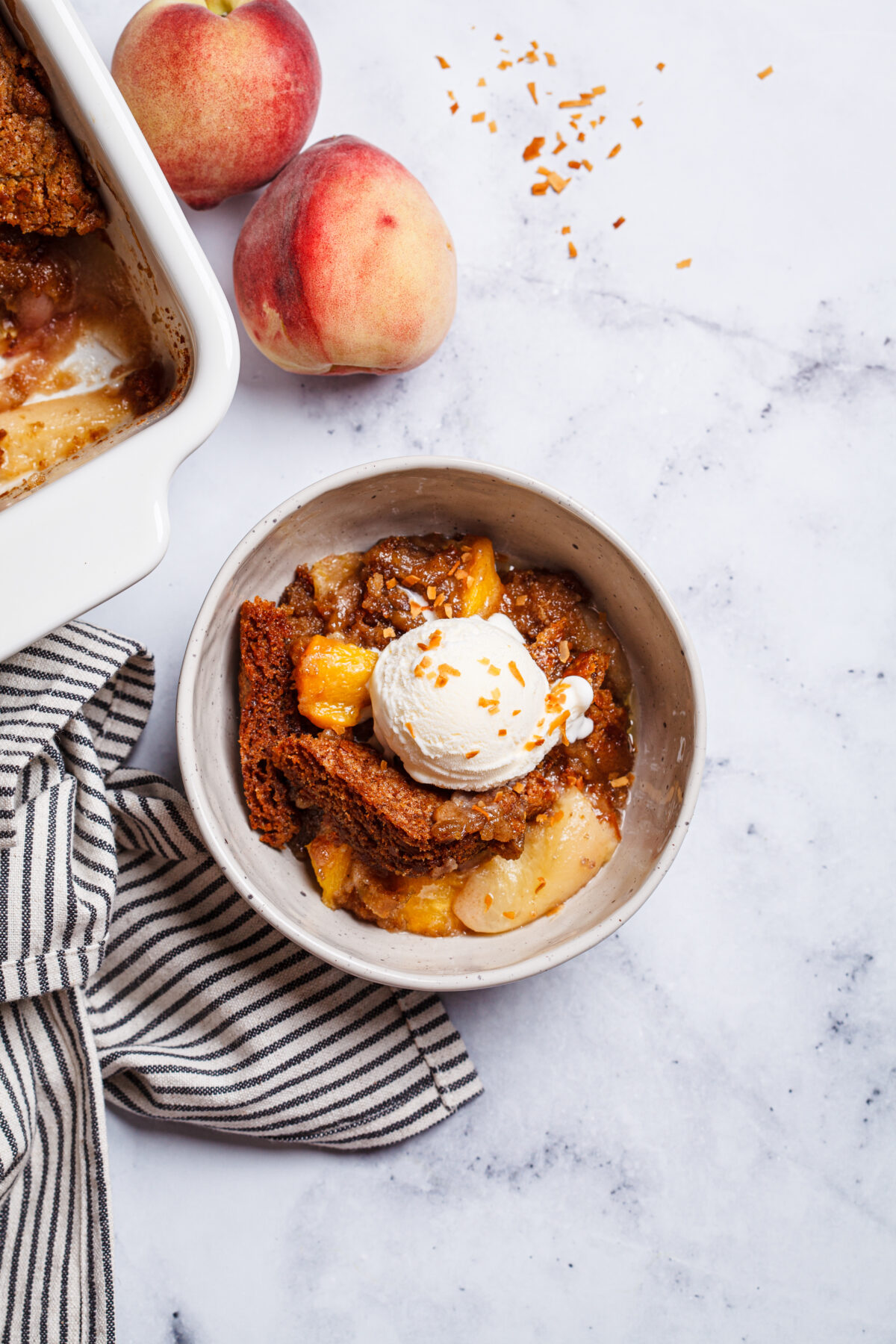
Ultimately, the homemade peach cobbler endures not merely as a simple sweet treat, but as a culinary bridge connecting past generations with contemporary kitchens. By combining accessible ingredients, forgiving baking techniques, and adaptable flavor profiles, this classic dessert maintains its prominent place in home-baking culture, offering a reliable, crowd-pleasing option for family meals and communal gatherings alike.