The Rise of Protein-Infused Confectionery: An Analysis of the Cottage Cheese Brownie Trend

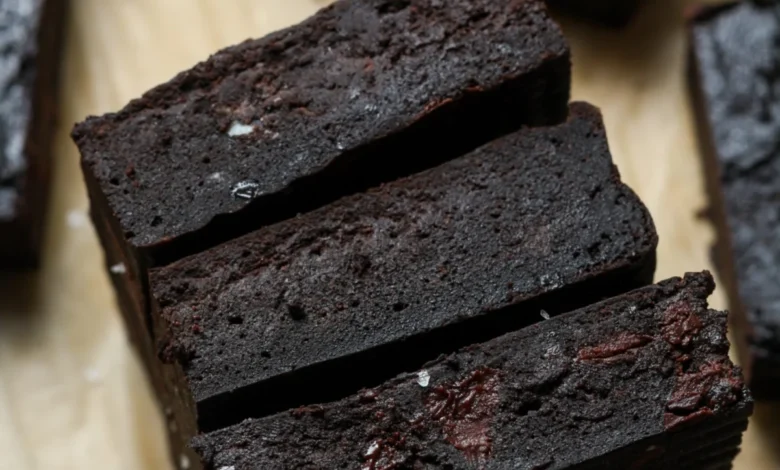
The culinary landscape has undergone a significant transformation over the past decade, driven by an increasing consumer demand for "functional" desserts—treats that satisfy a craving while simultaneously contributing to daily nutritional goals. Among the most notable recent developments in this sector is the emergence of cottage cheese-based baked goods, specifically the protein-packed brownie. This innovation represents a convergence of traditional baking techniques and modern dietary preferences, effectively bridging the gap between indulgence and health-conscious consumption.
The Nutritional Shift in Home Baking
The transition toward incorporating dairy-based proteins into baked goods is rooted in the broader "protein-fortification" movement. While protein bars and powders have long dominated the fitness nutrition market, the integration of whole-food sources like cottage cheese into standard recipes marks a shift toward accessible, kitchen-friendly wellness.
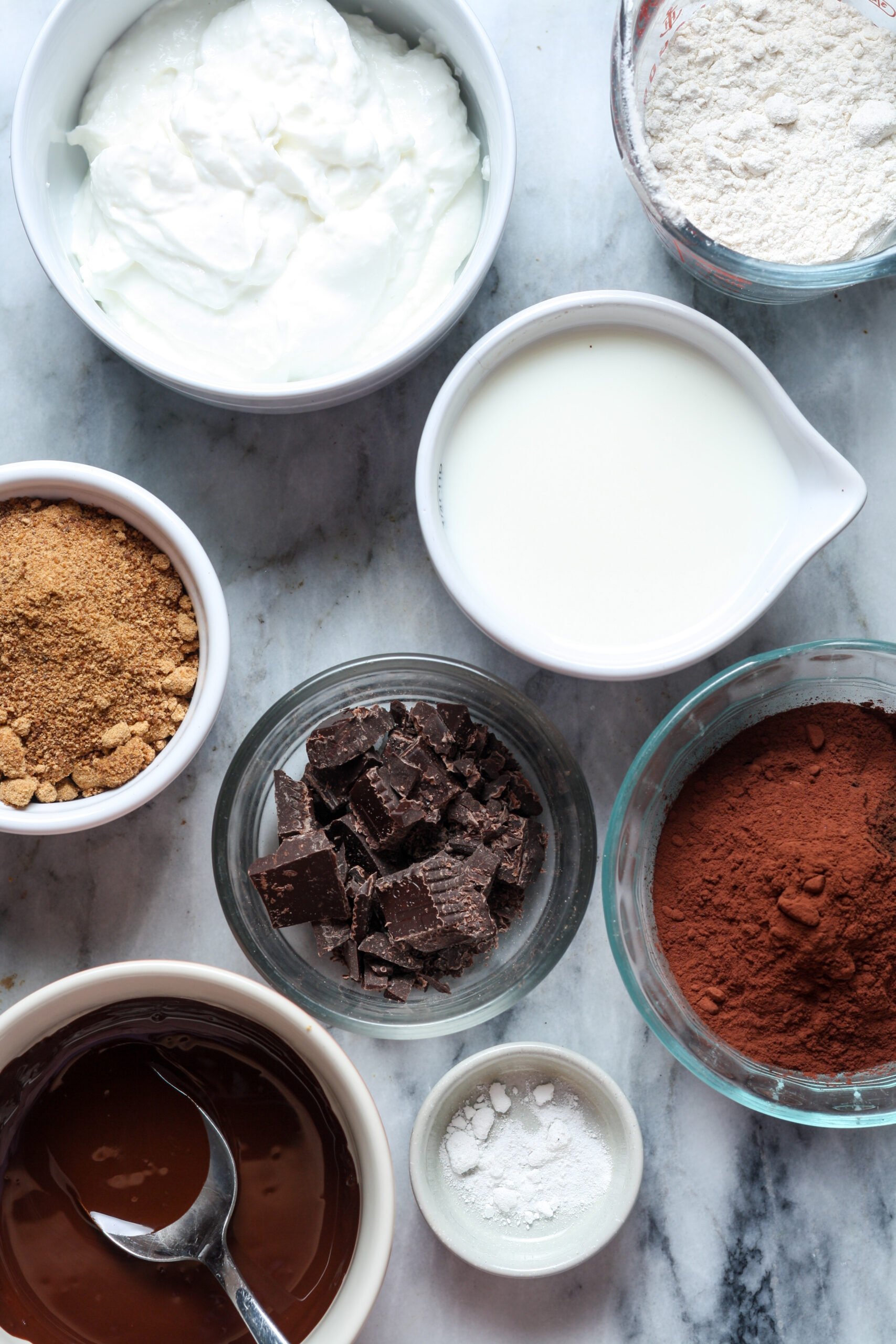
Cottage cheese, a high-protein dairy product, contains casein protein, which is known for its slow-digesting properties and high concentration of essential amino acids. By blending cottage cheese into a brownie batter, home bakers are effectively substituting traditional fats—such as butter or heavy oils—with a curd-based product that maintains moisture while significantly elevating the protein content per serving. This process also allows for the reduction of refined sugars, as the creamy texture of the blended cheese compensates for the structural changes that occur when sugar content is lowered.
Chronology of the Trend
The popularity of cottage cheese as a versatile baking ingredient accelerated rapidly throughout 2024 and 2025. Data from social media engagement and search engine trends indicate that consumers began seeking "protein-rich dessert hacks" following the widespread adoption of high-protein diets in the post-pandemic era.
The timeline of this phenomenon follows a predictable path:
- Late 2023: Early experimentation with "hidden vegetable" and "hidden protein" baking began appearing in niche wellness blogs.
- Mid-2024: The viral success of cottage cheese-based ice creams and pasta sauces created a baseline of consumer trust in the ingredient’s versatility.
- Early 2025: Professional and amateur culinary creators solidified the recipe for the "Cottage Cheese Brownie," emphasizing the elimination of a "cheesy" aftertaste through high-speed blending and cocoa-heavy profiles.
Supporting Data and Compositional Analysis
The nutritional profile of a standard brownie is typically characterized by high concentrations of saturated fats and simple carbohydrates. In contrast, the cottage cheese variant provides a more balanced macronutrient distribution.
Laboratory-based nutritional estimates for a typical cottage cheese brownie batch show a notable increase in protein density. A standard 8-inch square pan of these brownies generally yields:

- Protein: Approximately 8–12 grams per serving, compared to 2–3 grams in a traditional flour-and-butter recipe.
- Lipid Profile: Lower saturated fat content due to the reduction of butter, supplemented by the moderate protein-to-fat ratio of low-fat cottage cheese.
- Glycemic Impact: The presence of protein and fiber (if using whole-grain or alternative flours) helps to moderate the insulin response compared to traditional cocoa-sugar brownies.
Technical Preparation and Culinary Execution
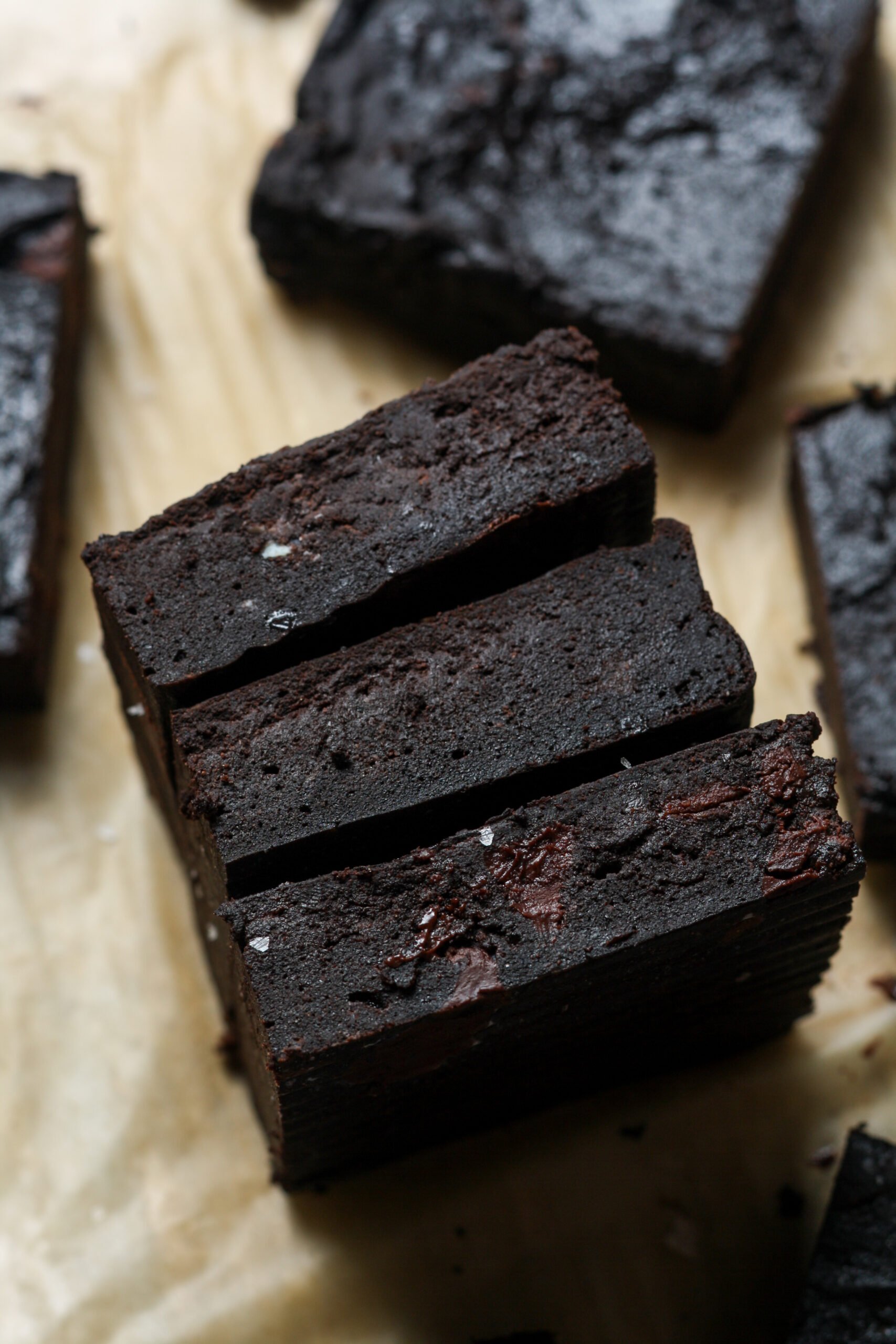
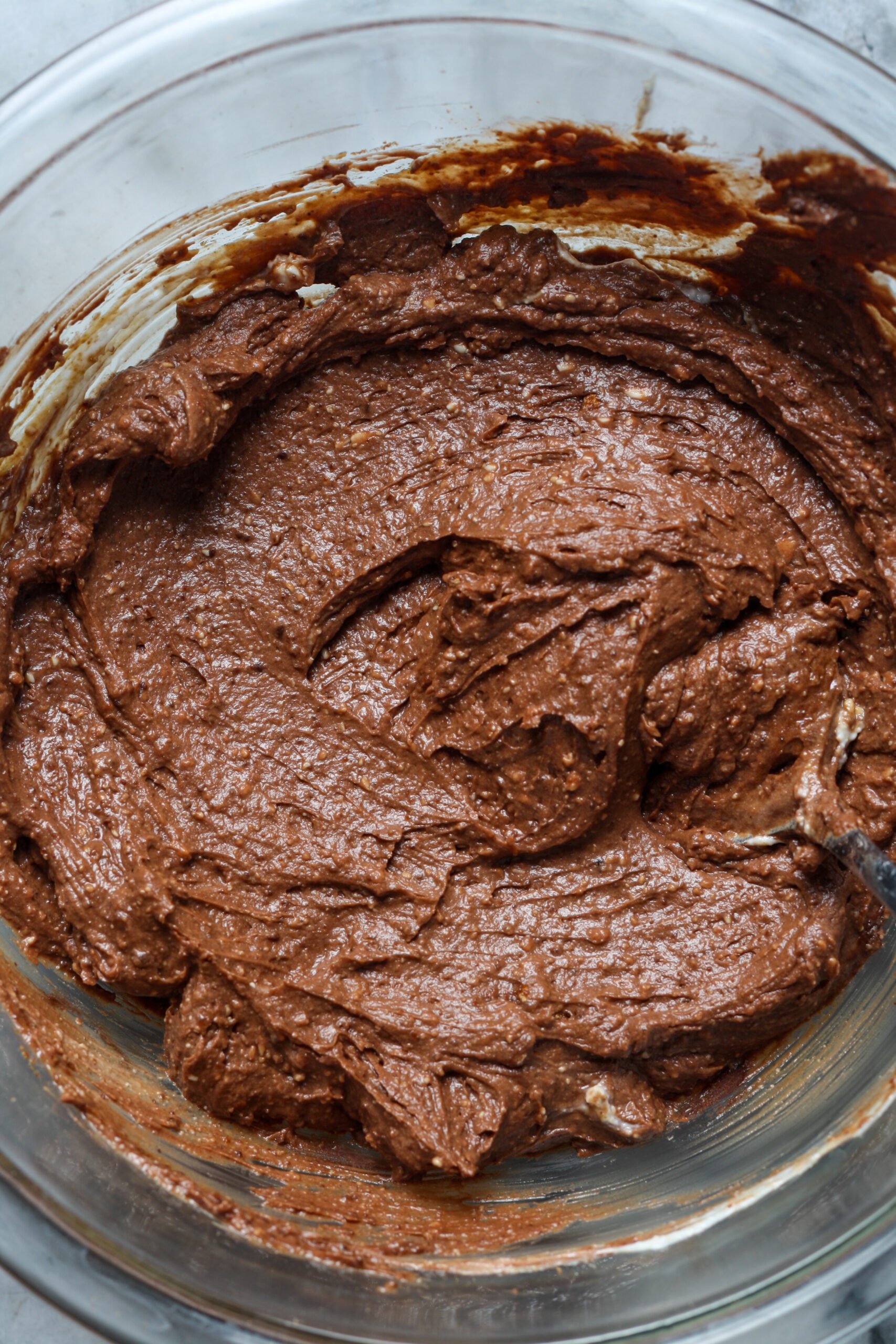
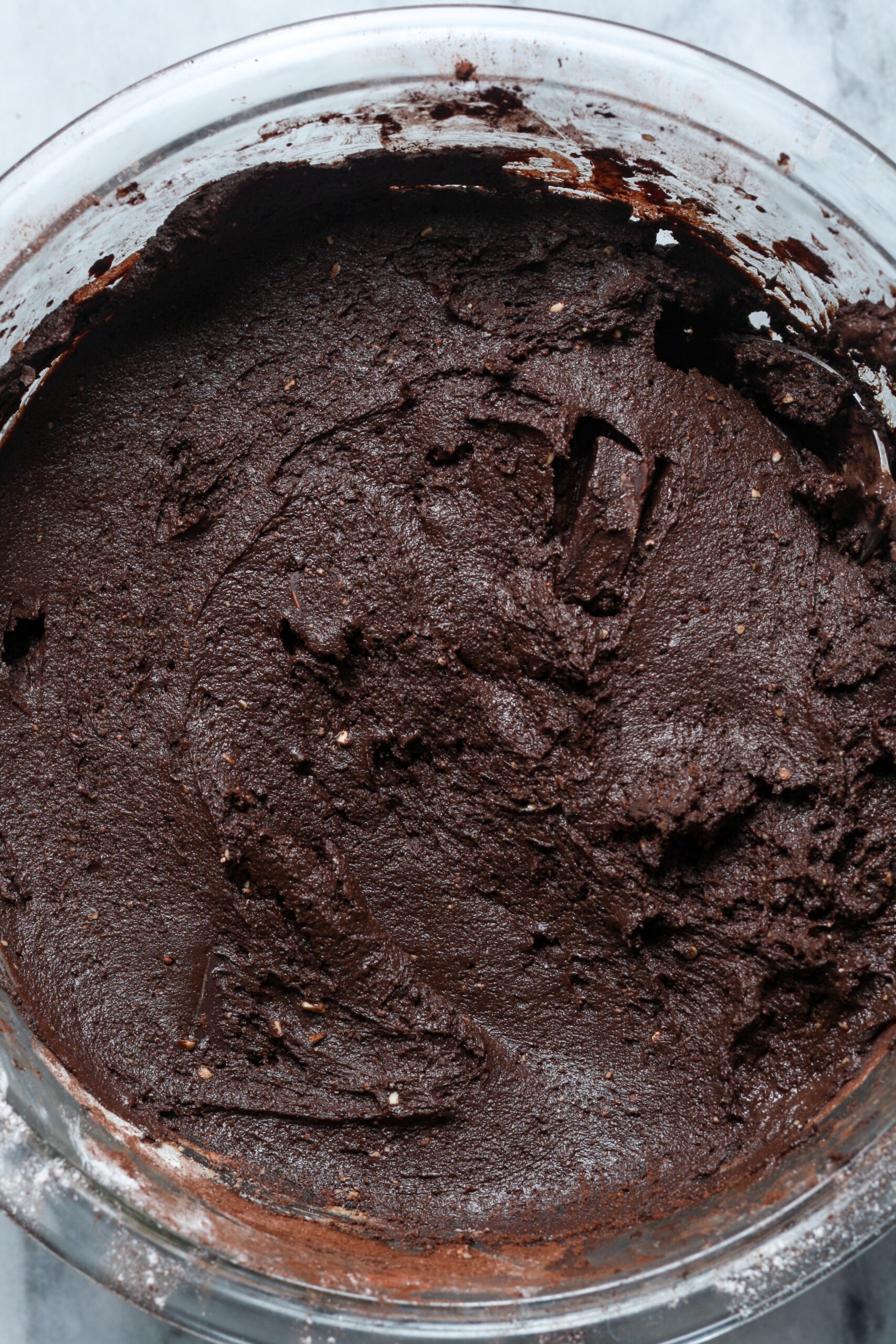
The successful execution of this recipe relies on two technical pillars: the reduction of moisture content and the homogenization of the curd. Culinary experts note that the "runny" nature of raw batter is a common hurdle. To achieve the desired "fudgy" consistency, the cottage cheese must be processed until it reaches a completely liquid, velvet-like state.
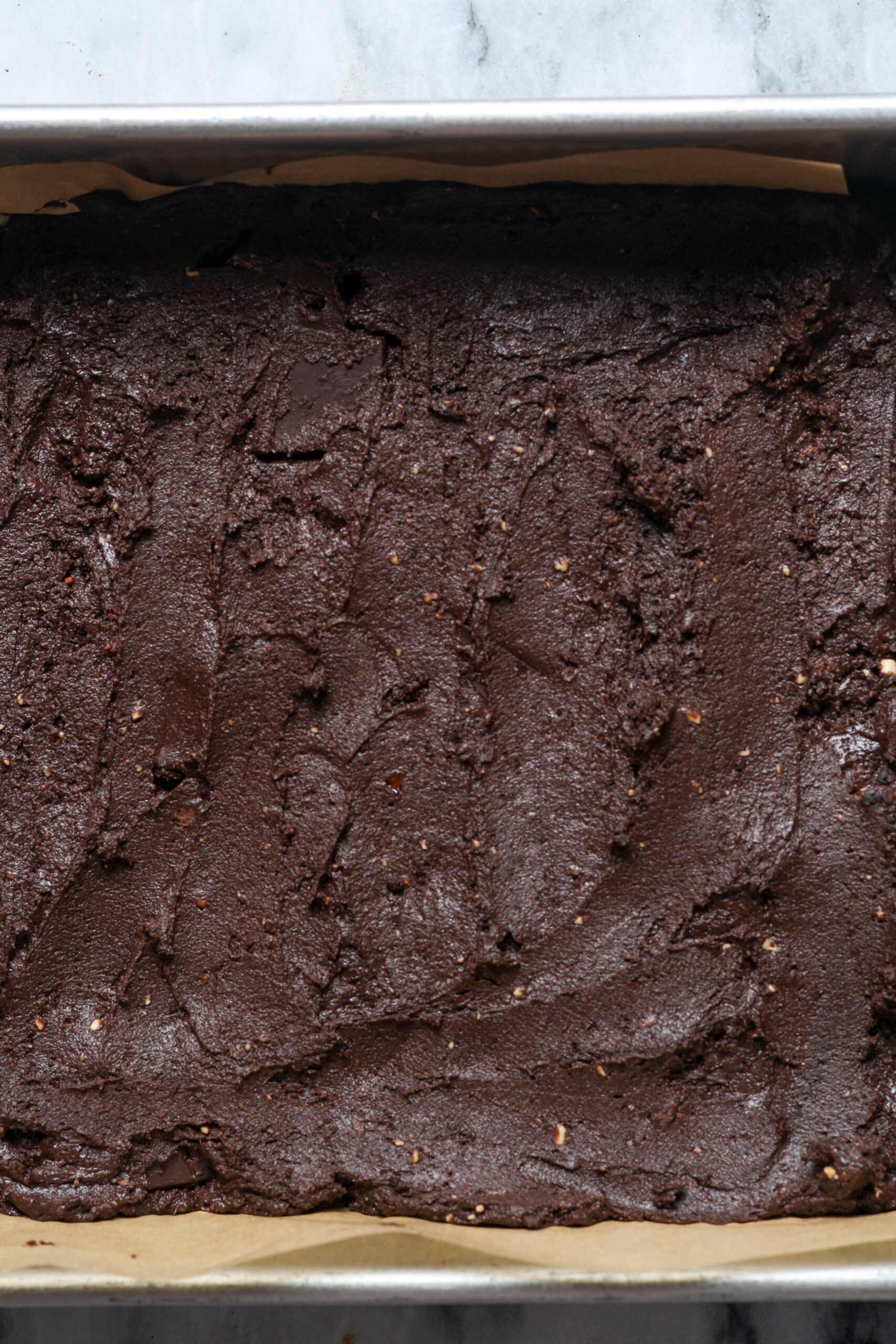
Temperature control during the baking process is equally critical. Because cottage cheese introduces moisture, the brownies require a precise bake time—typically 20 to 21 minutes at 350°F—to prevent the center from remaining undercooked or "soupy." Cooling is not merely a convenience; it is a structural necessity. As the protein matrix sets during the cooling phase, the brownie achieves its characteristic chewiness, which distinguishes it from a standard cake-like brownie.
Industry Implications and Market Impact
The rise of the cottage cheese brownie is more than a fleeting social media trend; it reflects a broader industry movement toward "stealth health." Food scientists and product developers are currently observing how home-baking trends influence commercial product lines. Major manufacturers of dairy products have reported increased sales of cottage cheese in regions where such viral recipes have gained traction, suggesting that the ingredient is shedding its reputation as a "diet food" or "side dish" and is being repositioned as a foundational culinary staple.
From an economic perspective, this shift highlights a consumer preference for "clean label" ingredients. By utilizing cottage cheese, consumers avoid the long lists of stabilizers and additives often found in store-bought protein snacks. This reflects a growing market appetite for DIY, high-protein alternatives that rely on simple, recognizable ingredients.
Future Perspectives
As nutritionists continue to emphasize the importance of protein intake for muscle maintenance and satiety, it is likely that the inclusion of cottage cheese in baked goods will evolve further. Future variations may include the integration of plant-based curds or specialized fermented products to accommodate the growing population of consumers with dairy sensitivities.
Furthermore, the environmental implications of this trend are being studied. Cottage cheese is a byproduct of the cheese-making process, often requiring less intensive resource management than the production of refined butter or specialized protein isolates. As sustainability becomes a core pillar of food choice, the use of such "upcycled" or readily available dairy products may become a standard practice in both home and commercial kitchens.
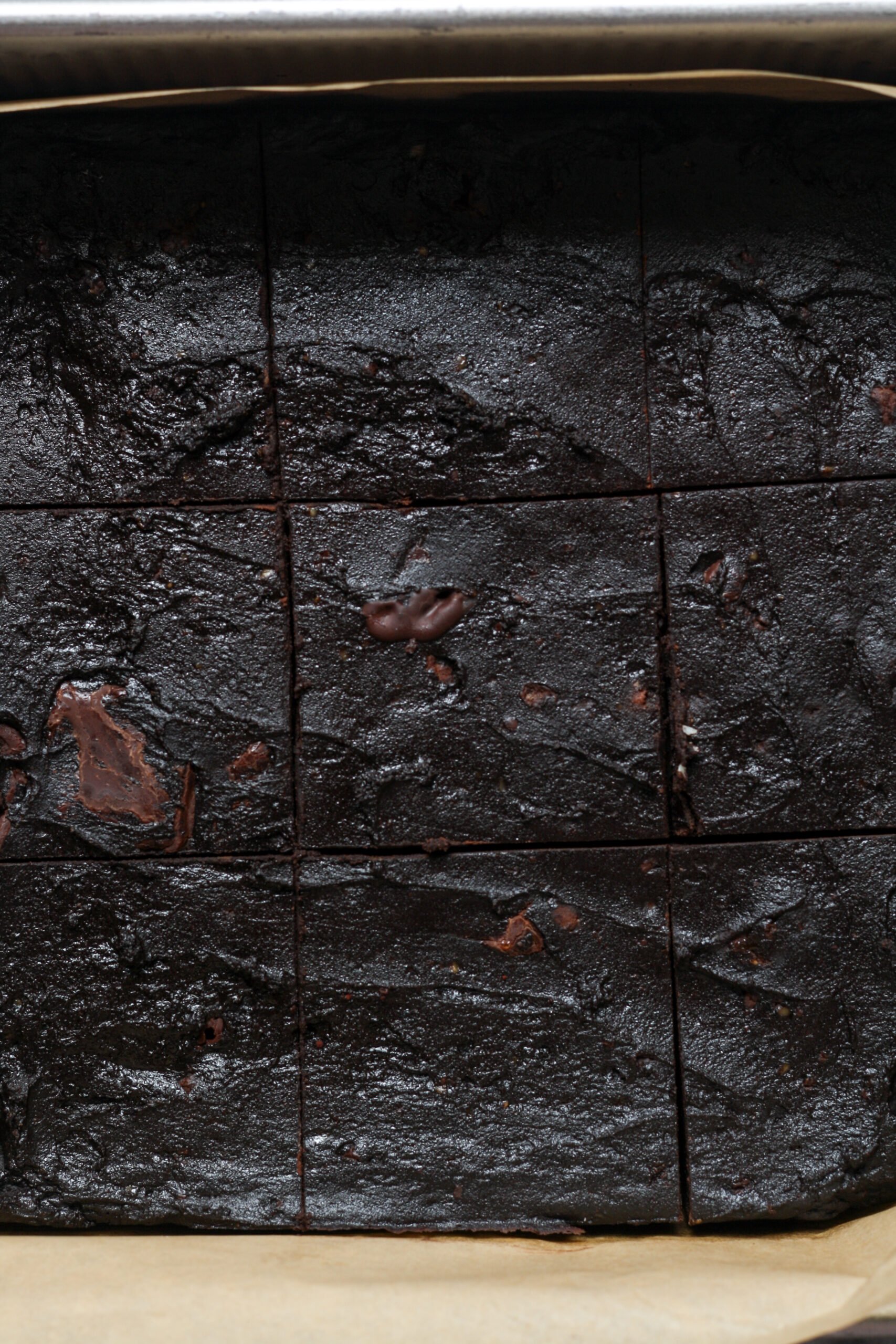
In summary, the cottage cheese brownie stands as a prime example of how traditional ingredients can be repurposed to meet the health-conscious demands of the modern consumer. Through the careful balance of protein-dense dairy and traditional baking chemistry, this recipe offers a blueprint for a future where indulgence and nutrition are no longer mutually exclusive. As the trend matures, it is expected that the integration of such nutrient-dense ingredients will continue to reshape the standard for home-prepared desserts across the globe.