The Ultimate Guide to Baking Butterscotch Banana Bread: History, Techniques, and Culinary Science

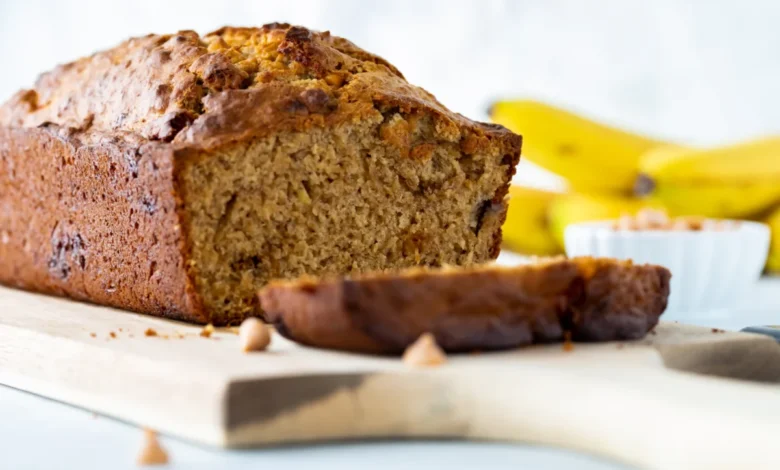
Home bakers and culinary enthusiasts are increasingly turning their attention toward innovative twists on traditional comfort foods, with butterscotch-infused banana bread emerging as a prominent trend in modern domestic baking. Combining the natural sweetness of overripe bananas with the rich, buttery profile of butterscotch confectionery chips, this variation elevates a century-old staple into a gourmet experience. Food historians and culinary experts note that banana bread first gained mainstream popularity in the United States during the 1930s, largely propelled by the commercial availability of baking soda and baking powder during the Great Depression. Households sought resourceful ways to utilize bruised, overripe fruit to avoid food waste, laying the foundation for what would become an enduring American tradition.
The resurgence of comfort baking in contemporary culture has driven a demand for recipes that balance nostalgic flavors with elevated profiles. According to recent culinary data tracking home-cooking trends, baked goods incorporating mix-ins such as butterscotch, toffee, and premium chocolates have seen a steady rise in popularity across digital recipe platforms and community kitchens. This particular iteration of banana bread relies on straightforward pantry staples while delivering a complex flavor profile, making it accessible to novice cooks yet sophisticated enough for specialty bakeries and weekend gatherings.
Culinary Science and the Mechanism of Moisture in Baking
The structural integrity and sensory appeal of high-quality banana bread depend heavily on precise biochemical reactions within the mixing bowl. Food scientists emphasize that the primary driver of moisture and natural sweetness in any banana-based loaf is the ripening process itself. As bananas transition from firm green or bright yellow to heavily speckled brown and black, starches undergo enzymatic hydrolysis, converting complex carbohydrates into simple sugars including sucrose, glucose, and fructose. This natural transformation not only intensifies the distinct aromatic profile of the fruit but also lowers the starch content, resulting in a softer cellular structure that integrates seamlessly into batter.
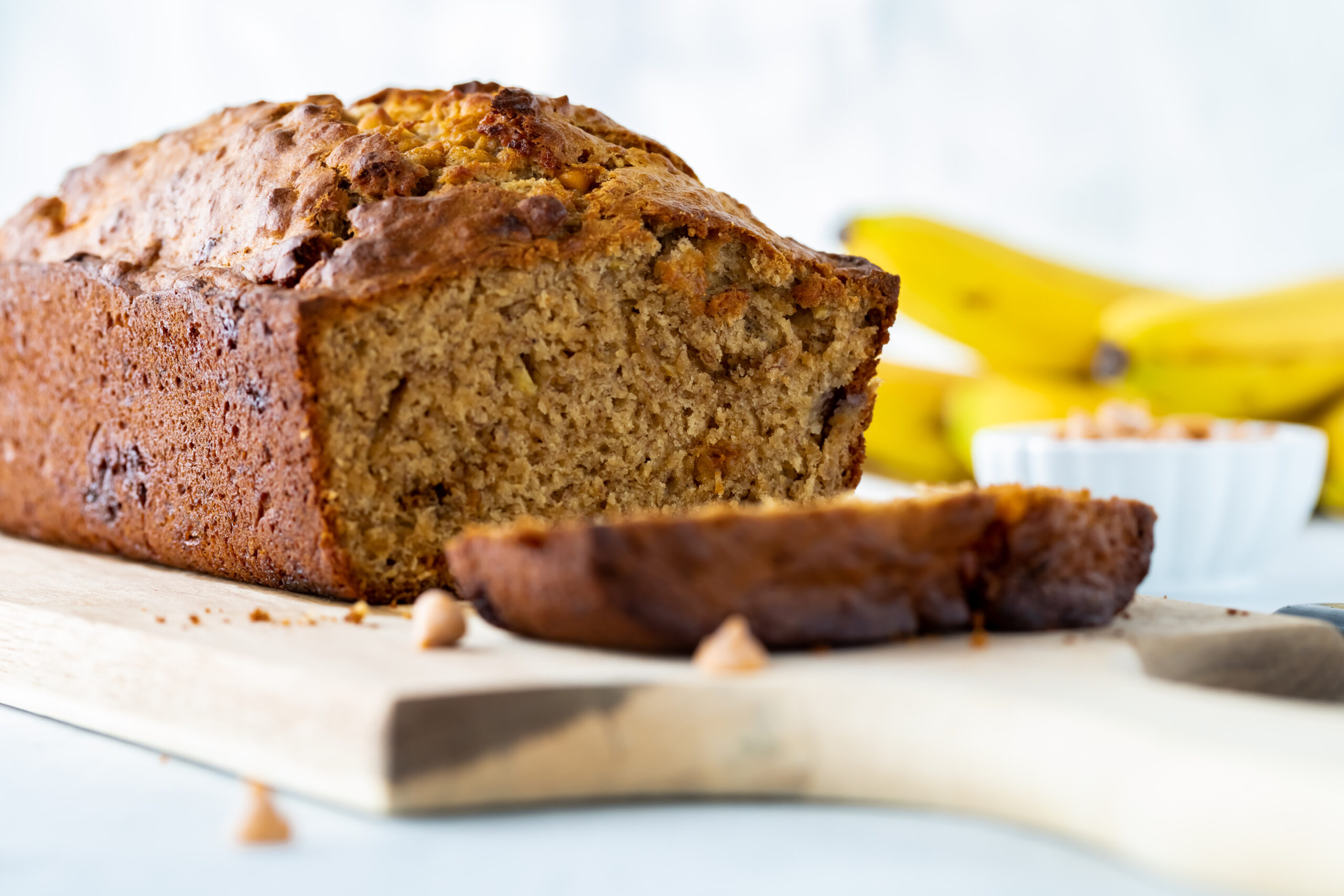
Furthermore, the inclusion of acidic dairy components, such as Greek yogurt or sour cream, plays a critical chemical role. The lactic acid present in these ingredients reacts with alkaline leavening agents—specifically baking soda—to release carbon dioxide gas, producing a tender crumb and preventing the heavy, dense texture often associated with quick breads that rely solely on mechanical mixing. Fat molecules coat the flour proteins, inhibiting excessive gluten development and ensuring that each slice retains a plush, velvety mouthfeel without becoming rubbery.
Chronology of Ripening and Optimal Preparation Timeline
Achieving the ideal loaf requires adherence to a strict timeline regarding ingredient preparation. The lifecycle of a baking banana spans several days, dictating the ultimate success of the recipe:
Day 1 to Day 3: Firm yellow bananas are harvested and shipped to markets. At this stage, they contain high levels of resistant starch and minimal sugar, making them unsuitable for baking due to low moisture retention and lack of flavor concentration.
Day 4 to Day 6: The fruit develops light freckling. Starches begin breaking down into sugars, and the peel lightens as chlorophyll degrades. Aroma compounds begin to form.
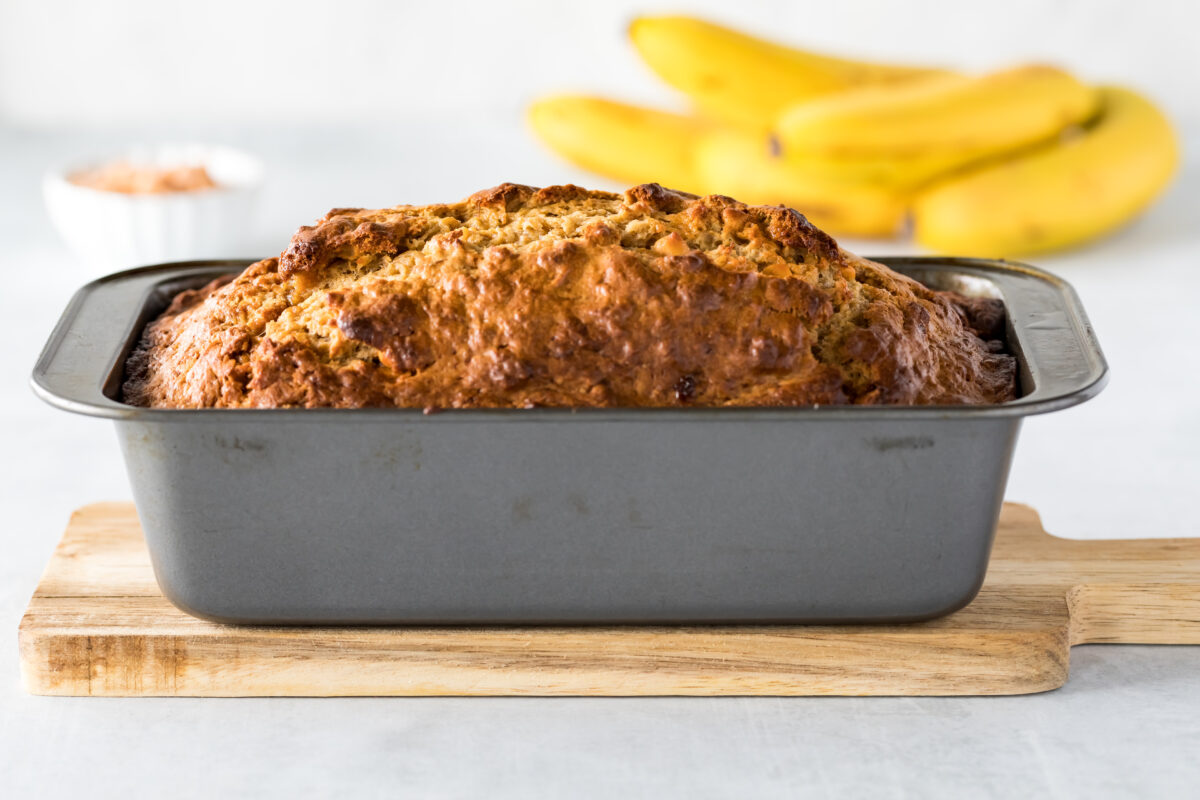
Day 7 to Day 10 (Peak Baking Window): The peels display extensive brown and black spotting. The fruit yields easily to gentle pressure and exhibits a strong, sweet aroma. This is the optimal window for mashing and incorporating into quick bread batter, as maximum natural sugars and moisture are present.
For bakers facing time constraints, accelerated ripening methods are frequently employed in professional and home kitchens alike. The paper bag method, which traps ethylene gas—a natural plant hormone that stimulates ripening—alongside an apple or another ripe fruit, can successfully advance the ripening process within 24 to 48 hours. Alternatively, the thermal oven method involves placing unpeeled, firm bananas on a parchment-lined baking sheet at 300 degrees Fahrenheit. Subjecting the fruit to gentle heat forces the starches to rapidly convert and moisture to concentrate within the skin, softening the flesh in approximately 15 to 30 minutes. While thermal ripening offers immediate convenience, culinary professionals note that naturally ripened fruit yields a more complex and authentic flavor profile.
Technical Guidelines and Professional Baker Recommendations
To ensure consistent results, pastry chefs and home-baking authorities recommend specific methodological protocols during the preparation phase. One of the most critical variables is flour measurement. The common practice of scooping a measuring cup directly into a flour canister compresses the powder, resulting in an excess of up to twenty percent dry weight. This surplus leads directly to a dry, crumbly loaf. Professionals advocate for the "spoon and level" technique, where flour is gently aerated with a spoon, transferred into the measuring cup until overflowing, and leveled off with a straight-edged utensil.
Mixing technique also dictates the final texture of the bread. Quick breads operate under different chemical principles than yeast-raised doughs; prolonged agitation stimulates gluten networks, yielding a tough, rubbery structure. The incorporation of dry ingredients should occur in stages, utilizing a gentle folding motion with a spatula until no dry streaks remain, followed immediately by the distribution of butterscotch chips.
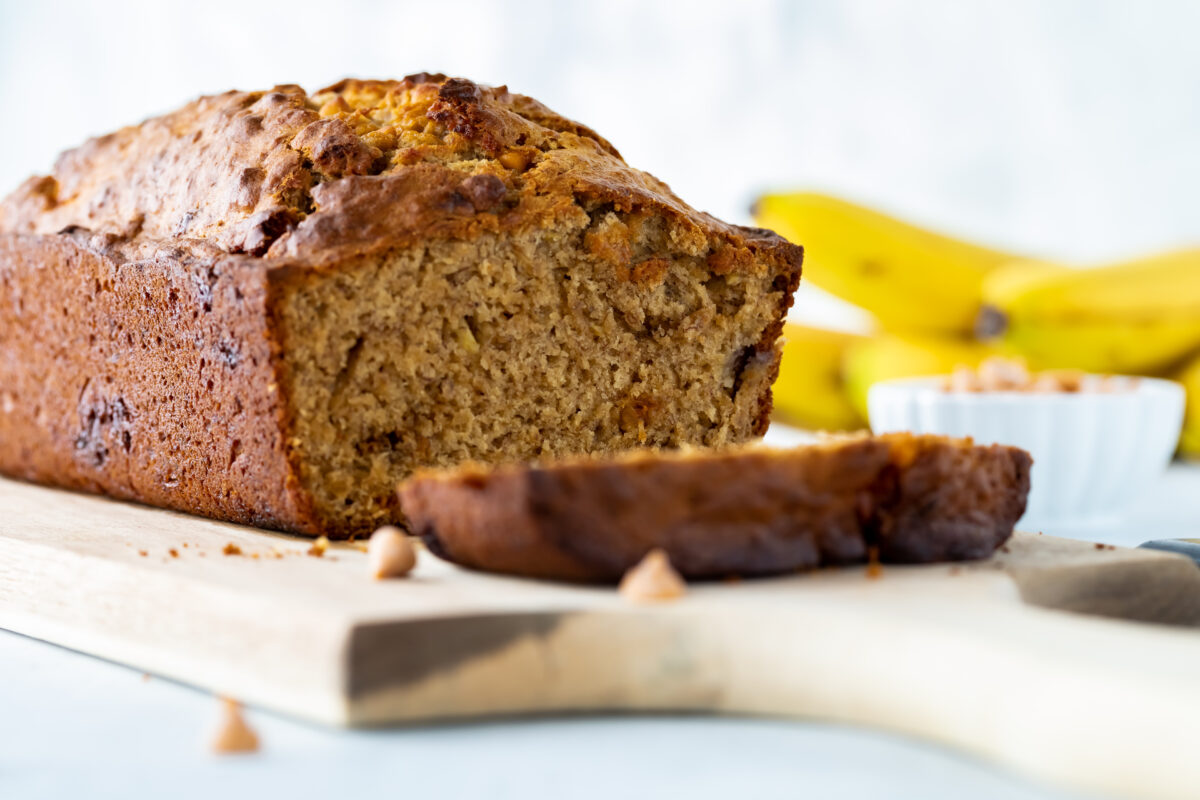
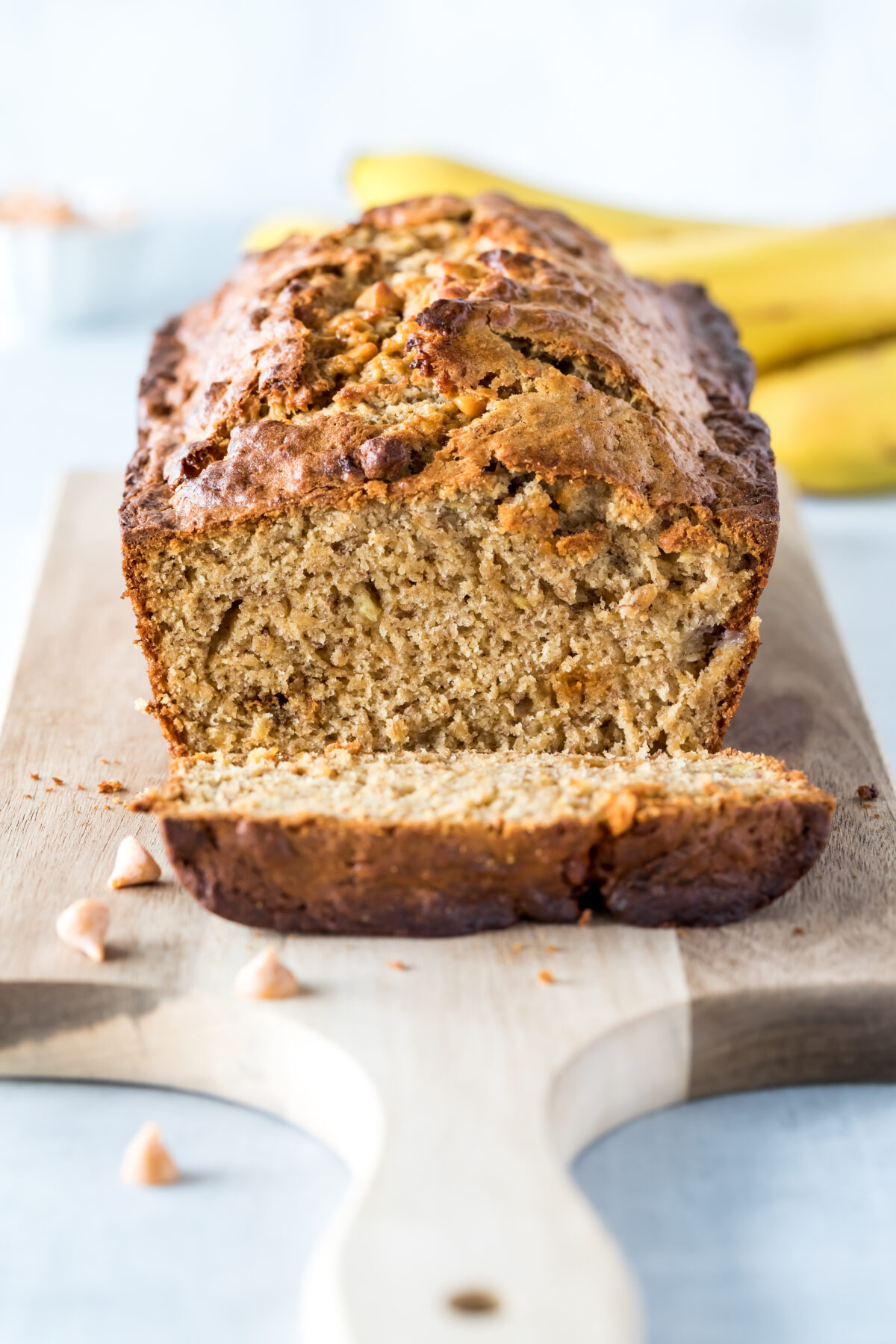
Thermal management during baking remains equally vital. Because loaf pans possess dense thermal masses, the exterior of the batter cooks significantly faster than the interior. Ovens must be preheated accurately, and baking pans should be positioned in the center of the oven cavity to ensure uniform heat distribution. The introduction of butterscotch chips introduces pockets of high-sugar fat that melt during the baking process; if the loaf is sliced prematurely—ideally, it should rest on a wire rack for a minimum of thirty minutes—these molten pockets will cause the internal crumb structure to collapse and disintegrate upon contact with a knife blade. A digital thermometer inserted into the center should read approximately 200 degrees Fahrenheit, or a wooden skewer should emerge with a few moist crumbs attached rather than wet batter.
Adaptations, Regional Variations, and Flavor Profiles
While the classic butterscotch and banana combination remains a favorite, modern culinary adaptation allows for substantial versatility. Bakers frequently experiment with textural enhancements by folding in toasted nuts such as chopped pecans or walnuts, which provide a savory counterpoint to the pronounced sweetness of the butterscotch confectionery chips. The addition of warm spices, including an elevated quantity of Ceylon cinnamon, freshly grated nutmeg, or cardamom, enhances the aromatic depth of the loaf.
For those seeking alternative formats, the identical batter can be portioned into standard or mini muffin tins. Because individual portions possess a higher surface-area-to-volume ratio than a traditional loaf pan, baking times decrease significantly, typically requiring between eighteen and twenty-two minutes at 350 degrees Fahrenheit. This adaptation has made butterscotch banana muffins a staple for school lunch programs, catered breakfast meetings, and portable domestic snacks. Other contemporary variations include swirling artisan peanut butter through the batter prior to baking, incorporating toffee bits for added caramelization, or combining half butterscotch and half dark chocolate chips to balance the overall sweetness profile.
Broader Economic and Cultural Implications of Comfort Baking
The enduring popularity of recipes like butterscotch banana bread reflects broader psychological and socioeconomic trends surrounding home economics. Market researchers point out that during periods of economic uncertainty or cultural stress, consumer spending shifts markedly toward "affordable luxuries" and comforting domestic activities. Baking serves a dual purpose: it provides a cost-effective method of household provisioning while offering measurable psychological benefits through creative expression and sensory engagement.
Furthermore, the utilization of overripe produce aligns with international sustainability initiatives aimed at reducing household food waste. Bananas consistently rank among the most commonly discarded fruits globally due to their rapid ripening cycle. Recipes that specifically require overripe fruit provide an ecologically sound culinary solution, transforming potential waste into nutrient-dense, high-value meals. As digital recipe curation continues to evolve, the integration of traditional comfort foods with accessible specialty ingredients ensures that classic quick breads will remain a fixture of modern home kitchens for generations to come.