The Rock n’ Play Recall: Unpacking a Wider Crisis in Infant Sleep Safety

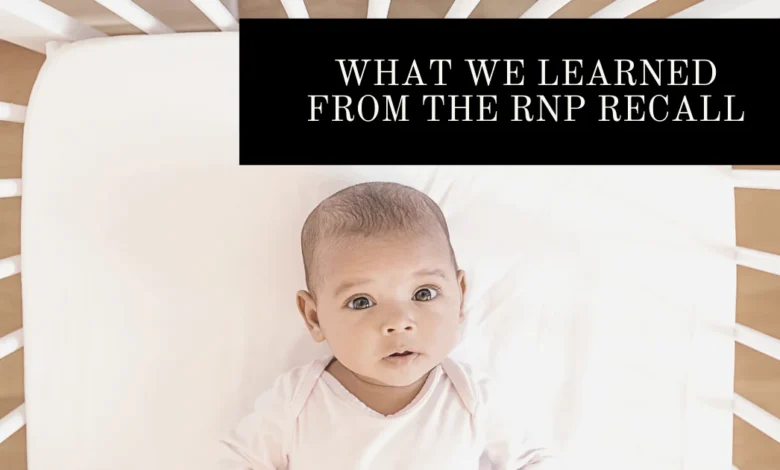
The widely publicized recall of the Fisher-Price Rock ‘n Play Sleeper, while a significant event in infant safety, represents the tip of a much larger iceberg concerning the risks associated with inclined infant sleep products. This issue extends beyond a single product to encompass a broader pattern of regulatory oversight, manufacturer accountability, and the urgent need for safe sleep alternatives for exhausted parents. The story of the Rock ‘n Play recall is not just about a product being removed from the market; it is a critical examination of how safety information emerges, the role of consumer advocacy, and the persistent challenges parents face in securing safe sleep for their infants.
The Genesis of the Rock ‘n Play Recall and Broader Concerns
The alarm bells regarding inclined infant sleep products began to ring loudly in April 2019. Consumer Reports, a non-profit consumer advocacy organization renowned for its independent product testing and investigative journalism, published a groundbreaking report that exposed serious safety concerns surrounding these popular baby sleep devices. Their investigation highlighted that many inclined infant sleepers, including the ubiquitous Fisher-Price Rock ‘n Play, failed to meet basic safety standards and had been linked to a disturbing number of infant fatalities.
This investigative work directly spurred action from the U.S. Consumer Product Safety Commission (CPSC). On October 31, 2019, the CPSC issued a critical warning to consumers, advising them against using any inclined infant sleep products. This advisory was a direct response to the mounting evidence of danger, which had already been linked to a tragic toll of infant deaths. The scope of the concern quickly broadened beyond the initial focus on the Rock ‘n Play, as the CPSC proposed a rule to ban the sale and use of all infant inclined sleep products with an incline greater than 10 degrees. This proposed ban encompassed a wide array of products, affecting numerous brands and models that offered inclined sleeping surfaces for babies.
Data compiled from various sources, including the CPSC and Consumer Reports, indicated that at least 73 infant deaths had been associated with inclined infant sleepers by the time of the proposed ban. This figure underscored the systemic nature of the problem, suggesting that the risks were not isolated to a single design flaw but were inherent to the concept of inclined infant sleep. The affected brands, while not all subject to immediate recall at that precise moment, were all brought under scrutiny due to the overarching safety concerns.
It is crucial to note that not all inclined infant sleepers were immediately recalled. However, the CPSC’s directive was unequivocal: any parent using a product with an incline greater than 10 percent was urged to cease its use immediately, regardless of whether a formal recall had been issued for that specific item. This proactive stance by the CPSC, driven by the alarming data, aimed to prevent further tragedies by alerting the public to the inherent dangers of these products.
The Unfolding Narrative: How Safety Crises Emerge
The story of the Rock ‘n Play recall reveals a stark reality about product safety: the emergence of critical safety information is often driven by independent investigation rather than proactive industry self-regulation or immediate regulatory intervention. Many parents, like the author of the original piece, operated under the assumption that reputable manufacturers would have robust safety testing protocols in place and that regulatory bodies like the CPSC were actively monitoring and disseminating crucial safety information. This assumption, in the case of the Rock ‘n Play, proved to be fundamentally flawed.
The overwhelming consensus from those closely following the issue is that the public would likely remain unaware of the severe risks associated with the Rock ‘n Play and similar products without the diligent and extensive investigative work of Consumer Reports. Their in-depth reporting, which took considerable effort to produce and digest, served as the primary catalyst for bringing these dangers to light. The report meticulously detailed how a product as popular and widely used as the Rock ‘n Play, which had sold an estimated 4.7 million units, could have been brought to market and remained in widespread use for so long without adequate safety assurances.
Furthermore, the revelation of the extent of the problem was exacerbated by the fact that, even as concerns mounted and reports of infant deaths surfaced, Fisher-Price, the manufacturer of the Rock ‘n Play, initially maintained a staunch defense of its product. This stance highlighted a recurring tension between corporate interests and public safety, where manufacturers may prioritize product continuation over immediate acknowledgment of potential hazards.
The circumstances surrounding the disclosure of critical data further underscored systemic issues. It was revealed that crucial information regarding the risks associated with these products might have remained obscured had the CPSC not inadvertently shared unredacted data. This suggests that the transparency and accountability mechanisms within the regulatory framework may have been insufficient to proactively identify and address these dangers. This situation has led to critical analyses suggesting that current laws governing the CPSC may inadvertently favor manufacturers, potentially at the expense of consumer health and safety.
A Deeper Dive into the Dangers of Inclined Sleep
The fundamental concern with inclined infant sleep products lies in their design, which places infants at an angle greater than 10 degrees. While marketed as a solution for fussy babies or for parents seeking an alternative to a flat crib, this incline creates significant physiological risks. When an infant is placed in an inclined position, their head can fall forward, obstructing their airway and making it difficult to breathe. This can lead to rebreathing of exhaled air, a reduction in oxygen levels, and an increased risk of suffocation.
The "gold standard" for infant sleep, as consistently advocated by pediatric organizations like the American Academy of Pediatrics (AAP), is a firm, flat sleep surface in a crib, bassinet, or play yard, free from soft bedding, blankets, bumpers, and stuffed animals. This recommendation is rooted in extensive research demonstrating that such conditions significantly reduce the risk of Sudden Infant Death Syndrome (SIDS) and other sleep-related infant deaths.

However, the reality for many parents is far more challenging. Severe sleep deprivation is a profound and often debilitating experience that can push parents to their limits. The struggle to get an infant to sleep, especially for extended periods, can lead to desperation. In this state of extreme exhaustion, parents may seek out any solution that offers even a temporary respite. This desperation, as highlighted by the author, explains why products like the Rock ‘n Play, despite their inherent risks, became best-sellers. Parents are not typically unaware of safety; they are often driven to compromise by the sheer overwhelming nature of infant care and sleep deprivation.
Examining Alternatives: From Swings to Flat Sleepers
Historically, infant swings have been recommended by some experts, including Dr. Harvey Karp, as a viable "Plan B" for parents struggling with sleep issues. Swings, with their gentle motion, could often soothe distressed infants and provide parents with much-needed breaks. While acknowledging that a flat crib remained the ideal, the lack of readily available and effective alternatives for extreme sleep deprivation made swings a popular and, for a time, seemingly acceptable option. The limited research available at the time, often shared by the CPSC, suggested that swings were generally safe when used as intended, with most reported incidents involving egregious misuse, such as placing premature twins in a single swing with blankets.
However, in light of the revelations surrounding inclined sleep, the perspective on angled infant swings has shifted dramatically. The author of the original piece has since revised their recommendations, now strongly urging parents to discontinue the use of angled infant swings immediately. This change in guidance reflects a growing understanding of the potential hazards associated with any sleep environment that deviates from the AAP’s recommendations for a firm, flat surface.
The emergence of flat, motorized bassinets has introduced another category of sleep devices for parents. Products like the SNOO Smart Sleeper, developed by Dr. Karp, offer continuous motion and soothing sounds in a flat, enclosed environment. While lauded by many parents for their effectiveness, these devices also come with a significant price tag and have raised questions about their long-term safety and necessity. Potential risks, though less documented than those of inclined sleepers, could include entrapment or a newborn rolling into a facedown position due to the motion. Current safety regulations for bassinets are also considered less stringent than those for cribs, leaving room for ongoing scrutiny and research.
Redefining "Plan B" in the Face of New Information
The safety crisis surrounding inclined infant sleep products forces a re-evaluation of what constitutes a safe and effective "Plan B" for parents facing overwhelming sleep deprivation. The notion that parents can simply "soldier through" severe exhaustion is, as the original article asserts, a dangerous fallacy. The consequences of extreme fatigue can be severe, ranging from cognitive impairment and dangerous driving to exacerbated mental health issues like depression and anxiety.
The current reality is that parents are often pushed beyond their limits, leading them to seek solutions that may not be fully vetted for safety. The widespread availability of potentially hazardous products on popular online marketplaces underscores this desperation.

The ultimate solution, as proposed, lies in prioritizing good sleep hygiene and fostering independent sleep habits in infants as early as possible. Techniques like the "SWAPS" (Sleeper, Wipes, And a Pacifier, Swaddle) method, introduced at 2-4 months, aim to establish independent sleep skills before parents reach a crisis point. This proactive approach, focusing on setting babies up for sleep success from an early age, is presented as a more sustainable and safer alternative to relying on potentially hazardous sleep devices.
The Call for Greater Transparency and Accountability
The Rock ‘n Play recall and the broader issues surrounding inclined infant sleep products highlight a critical need for greater transparency and accountability in the infant product industry. Parents deserve comprehensive research and clear, science-based information to make informed decisions about their children’s safety. This necessitates regulations that are driven by scientific evidence and prioritize child well-being over corporate interests.
There is a pressing demand for the CPSC to be more robustly funded and empowered to act proactively in identifying and mitigating product safety hazards. Ensuring that the CPSC’s primary concern is the safety of children, rather than the protection of corporate reputations, is paramount. The current regulatory landscape, which appears to have allowed potentially deadly products to remain on the market for extended periods, requires urgent reform.
In the interim, the focus must remain on educating parents about the risks associated with inclined sleep and empowering them with strategies to establish healthy sleep habits for their infants. By fostering independent sleep skills and promoting safe sleep environments from the outset, parents can navigate the challenges of infant care with greater confidence and significantly reduce the likelihood of resorting to unsafe sleep solutions. The lessons learned from the Rock ‘n Play saga serve as a critical reminder that vigilance, informed advocacy, and a commitment to evidence-based safety standards are essential for protecting our most vulnerable.
Related posts: