The Ultimate 15-Minute Caramelized Apple Slices Recipe for Cozy Mornings and Quick Desserts

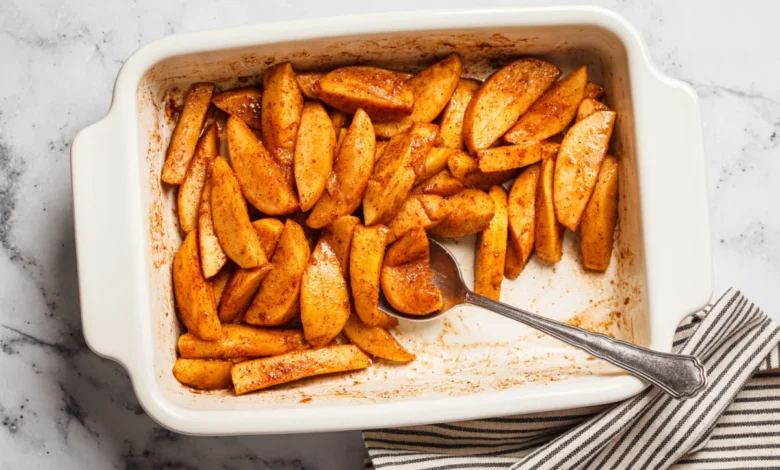
The culinary landscape of home baking and quick weekday breakfasts has experienced a notable shift toward streamlined, nutrient-dense preparations that do not sacrifice flavor. Among the most popular iterations of this trend is the rapid preparation of skillet-cooked fruit, specifically caramelized apple slices seasoned with warm spices and unrefined sweeteners. Culinary historians and food scientists note that the technique of lightly sautéing fruit in butter or plant-based alternatives alongside natural syrups dates back centuries, serving as a fundamental method for preserving and elevating seasonal orchard harvests. Today, this traditional approach has been modernized to accommodate fast-paced lifestyles, culminating in a popular 15-minute recipe that requires only a single skillet, a handful of wholesome ingredients, and minimal culinary expertise.
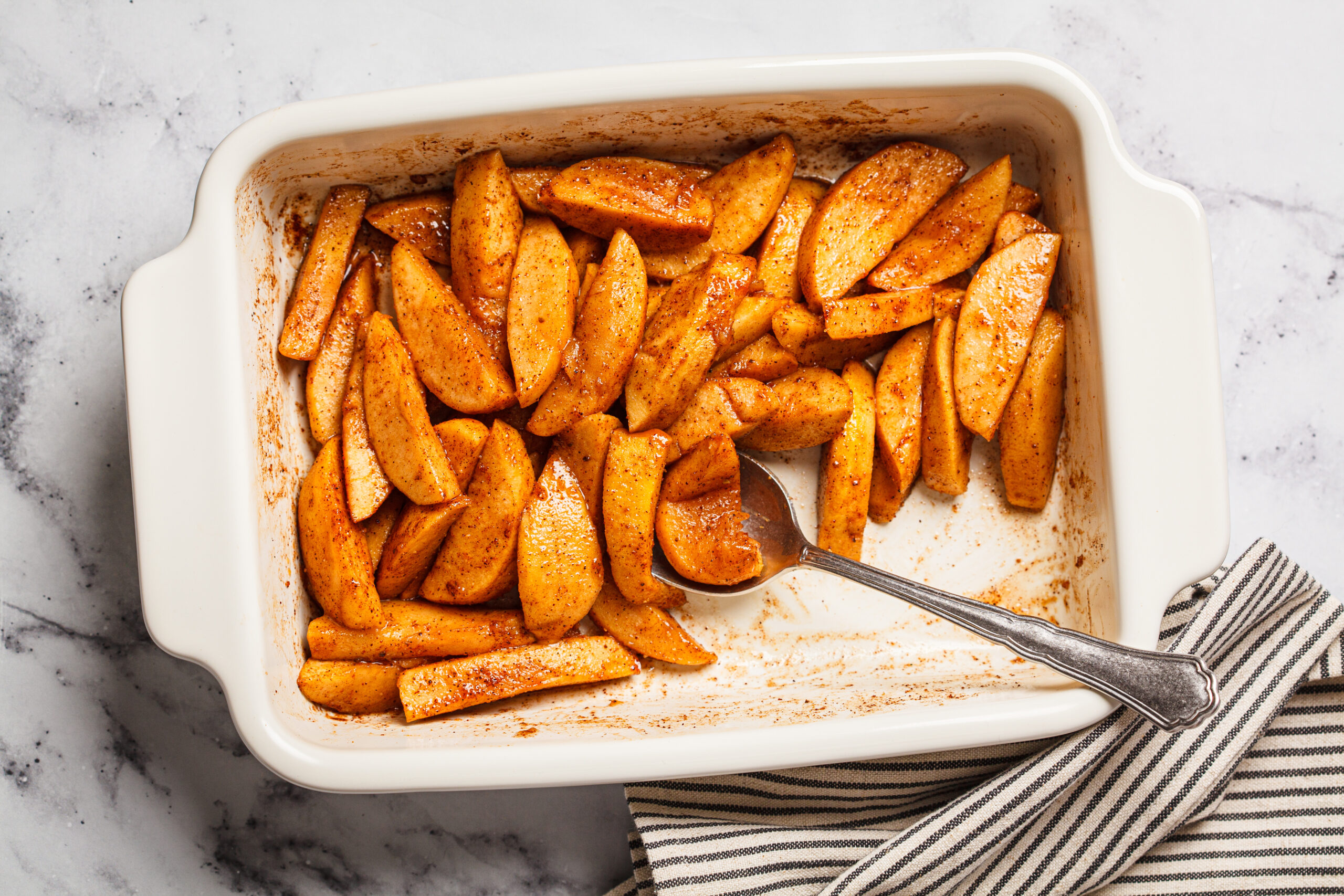
According to recent consumer food trends compiled by agricultural and culinary research groups, autumn and winter months consistently trigger a surge in consumer demand for comfort foods featuring orchard fruits like apples. However, modern households increasingly seek alternatives to heavily processed desserts and breakfast items laden with refined white sugars. This evolving consumer preference has driven a significant increase in recipes utilizing pure maple syrup, honey, and natural fruit sugars. Culinary experts point out that apples—rich in dietary fiber, vitamin C, and various antioxidants—provide an ideal canvas for healthier sweet dishes when paired with warming spices such as cinnamon, nutmeg, and allspice.
The step-by-step evolution of preparing these caramelized apple slices is designed for maximum efficiency without compromising the structural integrity or taste profile of the fruit. The foundational process begins with the careful selection and preparation of the apples. Culinary professionals recommend utilizing varieties that hold their shape well under heat, such as Honeycrisp, Granny Smith, Braeburn, or Gala. Uniformity in slicing is critical; pieces cut to approximately one-quarter-inch thickness ensure even thermal conductivity and consistent cooking times across the entire batch. Slicing the fruit too thin risks breaking down the cellular structure of the apples, transforming them into an unintentional applesauce, while overly thick slices fail to absorb the aromatic flavors and caramelize unevenly.
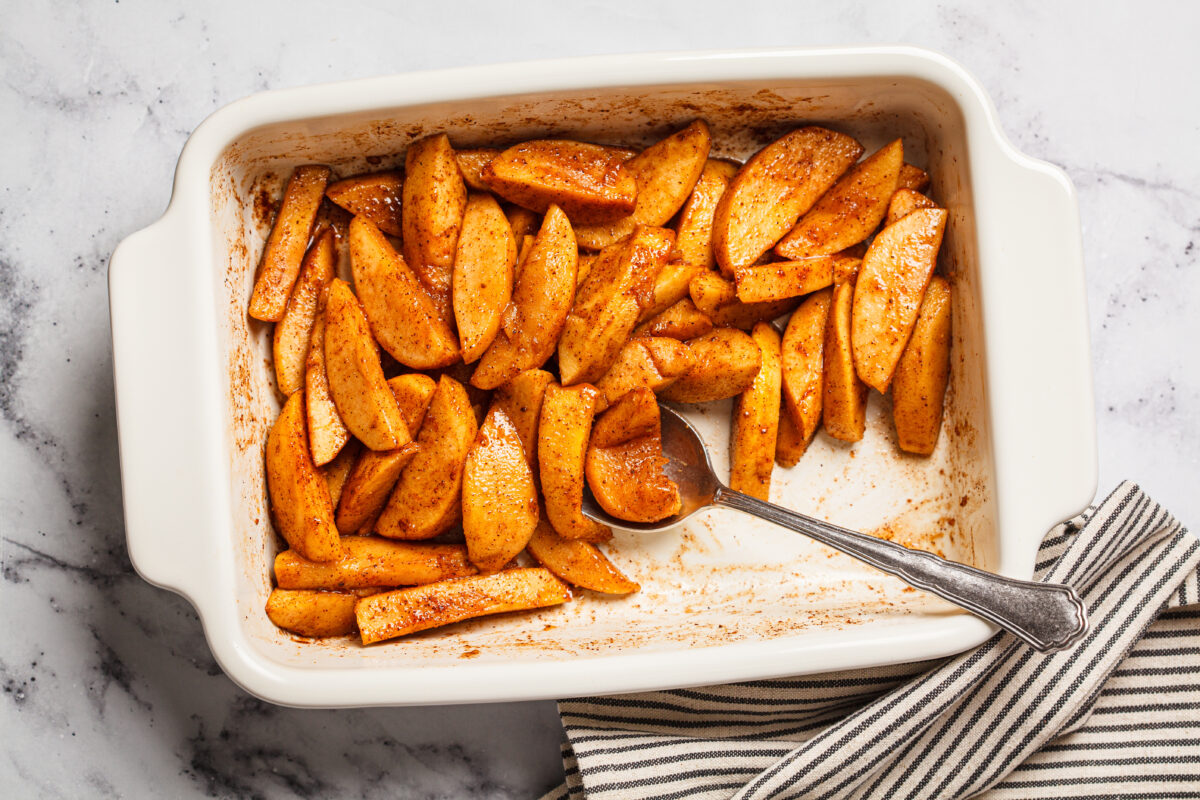
The cooking timeline is remarkably swift, requiring a total duration of just 15 minutes, broken down into 10 minutes of preparation and 5 minutes of active cooking time. The process initiates with heating a skillet over a moderate flame, ensuring the cooking surface is neither too hot—which would burn the natural sugars and maple syrup—nor too cool, which would stew the apples rather than caramelize them. Butter or a suitable plant-based fat is melted in the pan before the apple slices are introduced, coating them evenly to promote a golden-brown exterior. Pure maple syrup is then drizzled over the fruit, working in tandem with the natural fruit juices released during heating to create a rich, glossy reduction that coats each slice. A generous dusting of cinnamon is incorporated toward the end of the cooking phase to preserve its volatile aromatic oils, preventing bitterness that can arise from prolonged direct exposure to high heat.
Nutritional analysts and registered dietitians have frequently highlighted the versatility of incorporating such fruit preparations into balanced daily diets. Unlike commercial pie fillings or processed toppings containing high-fructose corn syrup, homemade maple-cinnamon apples offer controlled ingredient sourcing. The inclusion of optional mix-ins, such as raw or toasted pecans and dried cranberries, further elevates the nutritional profile by introducing healthy monounsaturated fats, plant-based proteins, and additional dietary fibers. Culinary researchers note that toasting nuts briefly within the skillet before or alongside the apples activates their natural essential oils, yielding a richer, more complex flavor profile that contrasts sharply with the soft, tender texture of the cooked fruit.
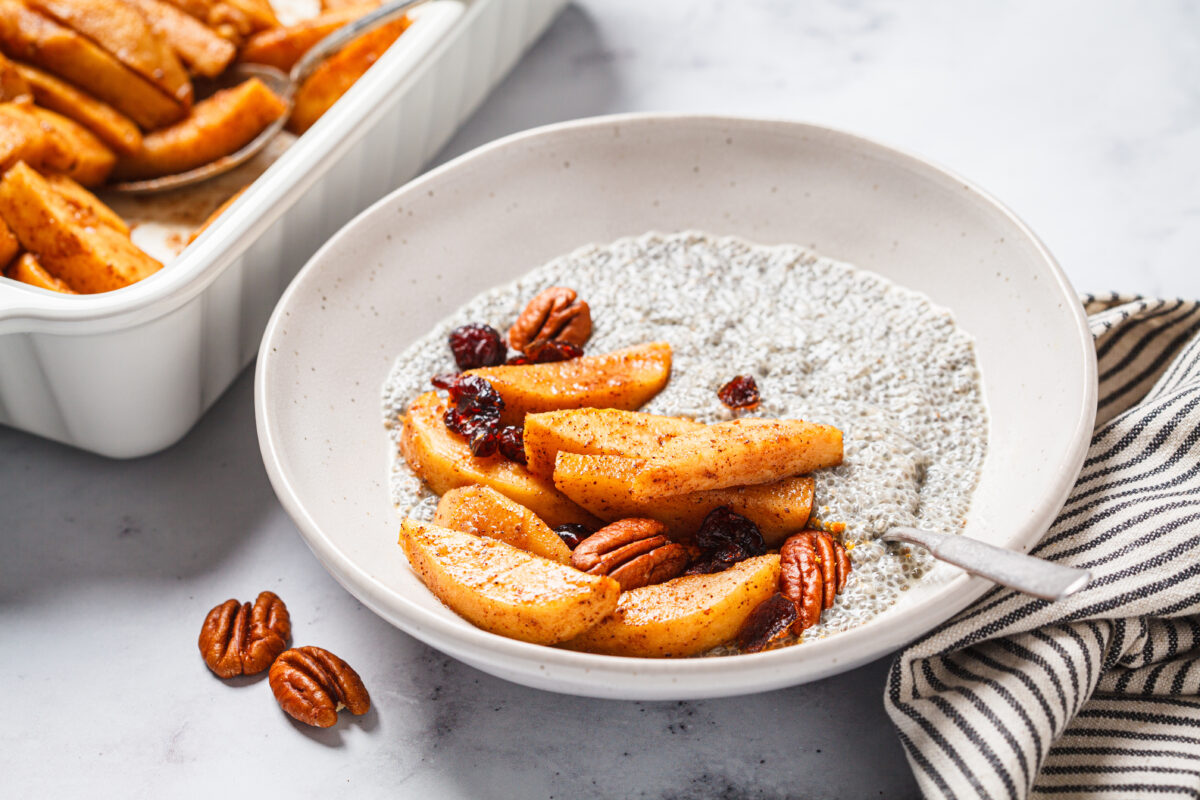
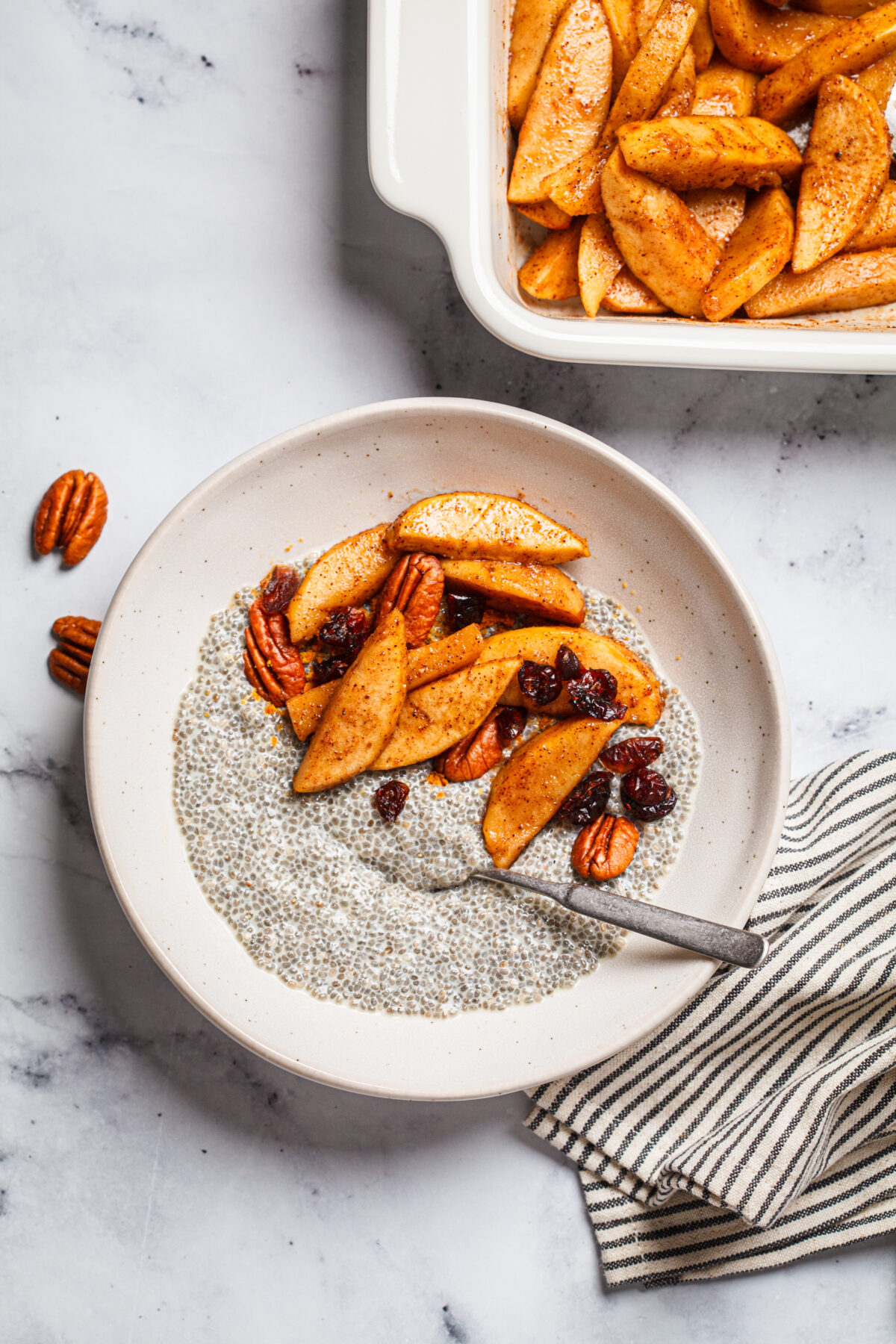
The culinary applications for these versatile caramelized apple slices extend far beyond a simple standalone snack. Gastronomic professionals and home cooks alike utilize the preparation across a wide array of breakfast, snack, and dessert formats. Common morning implementations include spooning the warm, spiced apples over traditional rolled oats, chia seed pudding, Greek yogurt parfaits, or whole-grain pancakes. For evening service, the slices are frequently deployed as a natural, warm topping for vanilla bean ice cream, pound cake, or artisanal waffles. This adaptability has made the recipe a staple in modern household meal-planning strategies, particularly for families seeking quick ways to utilize surplus apples before they overripen in household fruit bowls.
Storage and preservation guidelines established by food safety authorities dictate that leftover caramelized apples must be cooled completely to room temperature before being transferred to a tightly sealed airtight container. When properly refrigerated, the cooked fruit maintains optimal quality, texture, and flavor for up to four days. Reheating can be efficiently executed using a stovetop skillet over low heat or via short bursts in a microwave. Alternatively, many consumers enjoy the prepared slices in a chilled state, specifically when layered into cold overnight oats or breakfast yogurt bowls. Food preservation specialists emphasize that proper cooling prevents condensation buildup inside storage containers, thereby mitigating the risk of microbial growth and maintaining the structural integrity of the apple slices over the multi-day storage window.
From a broader economic and agricultural perspective, versatile apple recipes play a subtle yet vital role in household food waste reduction. Fresh apples are among the most frequently purchased produce items globally, yet they are also prone to bruising and accelerated softening in home kitchens. By providing accessible methods to transform slightly overripe or surplus apples into gourmet-quality components, culinary platforms help consumers maximize their grocery investments. Agricultural economists point out that empowering home cooks with rapid, adaptable recipes encourages sustainable consumption habits, aligning with broader international initiatives aimed at curbing household-level food waste.
The enduring popularity of cinnamon and apple combinations traces deep roots through culinary history, spanning European baking traditions and North American harvest celebrations. Food historians suggest that the psychological comfort associated with the aroma of warming spices and simmering fruit is deeply embedded in cultural conditioning, often evoking feelings of nostalgia and domestic security. In contemporary culinary arts, this sensory response is leveraged by both home cooks and commercial establishments to create welcoming environments and satisfying dietary experiences. As modern consumers continue to prioritize speed, health, and flavor in equal measure, simple techniques like the 15-minute skillet caramelization of apples demonstrate how traditional ingredients can successfully adapt to contemporary lifestyles without losing their foundational appeal.