The Ultimate Budget-Friendly Guide to Sustainable and Ethical Christmas Gift-Giving for 2026

As the 2026 holiday season approaches, consumer habits are undergoing a significant shift. Amidst ongoing economic pressures and a heightened global awareness regarding the climate crisis, shoppers are increasingly pivoting away from mass-market consumerism toward ethical, sustainable, and circular gift-giving. With the retail sector bracing for the peak festive period, the challenge for the modern consumer is distinguishing between genuine sustainability and the pervasive threat of greenwashing.

The environmental impact of Christmas is substantial. Historically, the festive season generates an estimated 30% increase in household waste, much of which is comprised of non-recyclable gift wrap, plastic packaging, and discarded items that end up in landfills. Research from environmental advocacy groups suggests that by choosing circular economy products—items designed to be reused, repaired, or recycled—consumers can collectively reduce their carbon footprint by up to 25% during the winter months.

The Evolution of Ethical Consumption
The shift toward conscious gifting is not merely a trend but a response to evolving supply chain transparency. Modern shoppers are now prioritizing brands that hold certifications such as B Corp status, Fairtrade labels, or Global Organic Textile Standard (GOTS) verification. These certifications provide an objective framework for assessing a company’s impact on people and the planet.

For the 2026 season, the retail market has responded by scaling up "pre-loved" and upcycled offerings. The secondary market for apparel and accessories is projected to grow by 15% this year, as consumers seek high-quality items that have been diverted from the waste stream. By opting for gifts made from recycled nylon, pre-consumer fabric scraps, or restored vintage cashmere, shoppers are effectively lowering the demand for virgin material production, which remains one of the primary drivers of industrial carbon emissions.

Strategic Gift Selection: A Sector-by-Sector Analysis
Effective sustainable gifting requires a focus on longevity and utility. When evaluating potential gifts, experts recommend a three-pillar framework: material composition, manufacturing ethics, and the brand’s end-of-life circularity programs.

Apparel and Textiles
The fashion industry remains the second-largest polluter globally. To combat this, the 2026 gift guide emphasizes organic cotton and recycled synthetics. Brands operating on a "take-back" model—where garments can be returned to the manufacturer for fiber-to-fiber recycling once they are worn out—represent the gold standard of circularity.
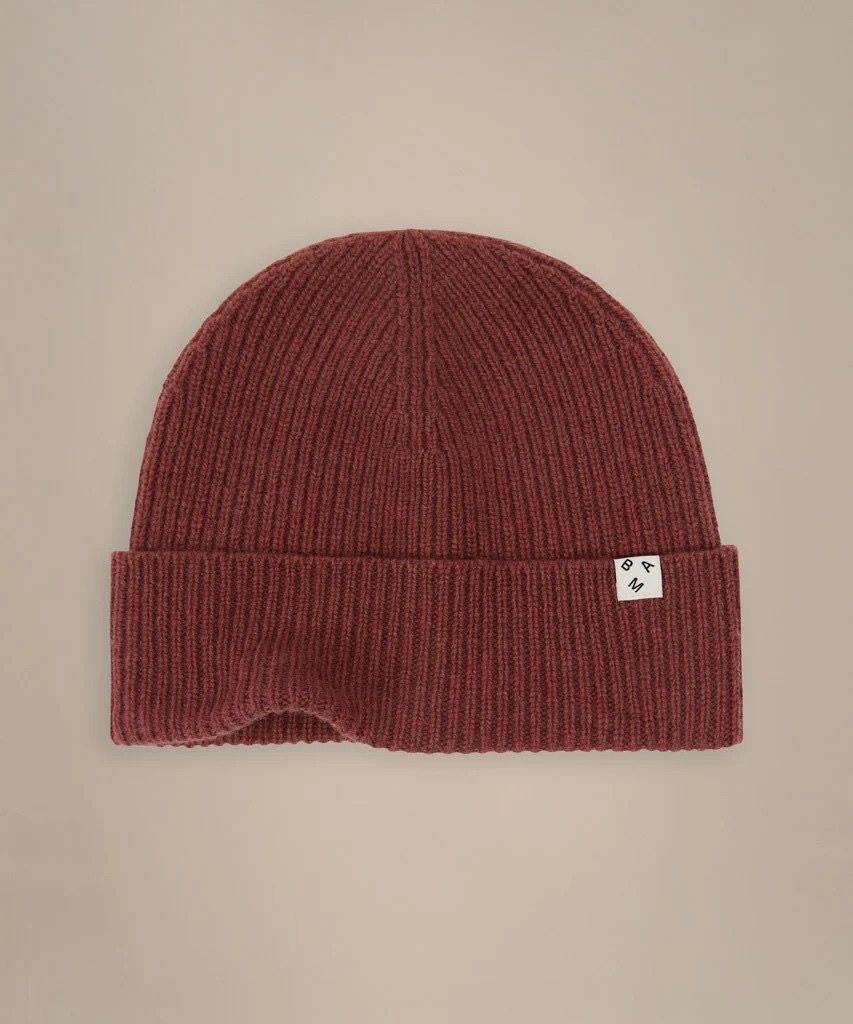
Items such as organic cotton sleepwear, produced in facilities powered by renewable energy, offer a balance between comfort and environmental responsibility. Similarly, the rise of "slow fashion" accessories, such as socks made from bamboo or organic cotton, provides a practical gift option that adheres to fair wage and safe labor standards. These products often replace high-street alternatives that rely on exploitative labor practices and heavy pesticide use in crop production.

Beauty and Personal Care
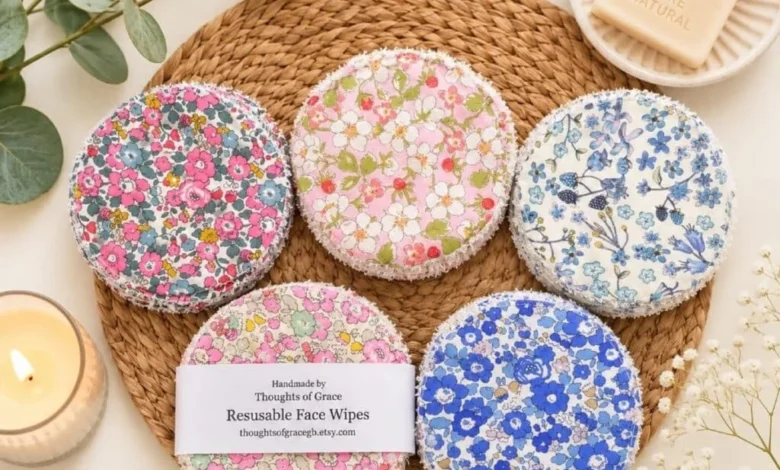
The beauty industry has historically struggled with excessive plastic packaging and the use of unsustainable palm oil. Current industry data shows a surge in demand for waterless beauty products—shampoo bars, soap blocks, and concentrated serums—which eliminate the need for heavy plastic bottles and reduce shipping emissions due to their smaller volume.

For the 2026 season, consumers are gravitating toward "discovery kits" that utilize glass or aluminum containers, both of which have significantly higher recycling rates than typical cosmetic plastics. Furthermore, products formulated without parabens, phthalates, or silicones represent a growing segment of the market that prioritizes both human health and aquatic ecosystem safety.
Home Goods and Lifestyle
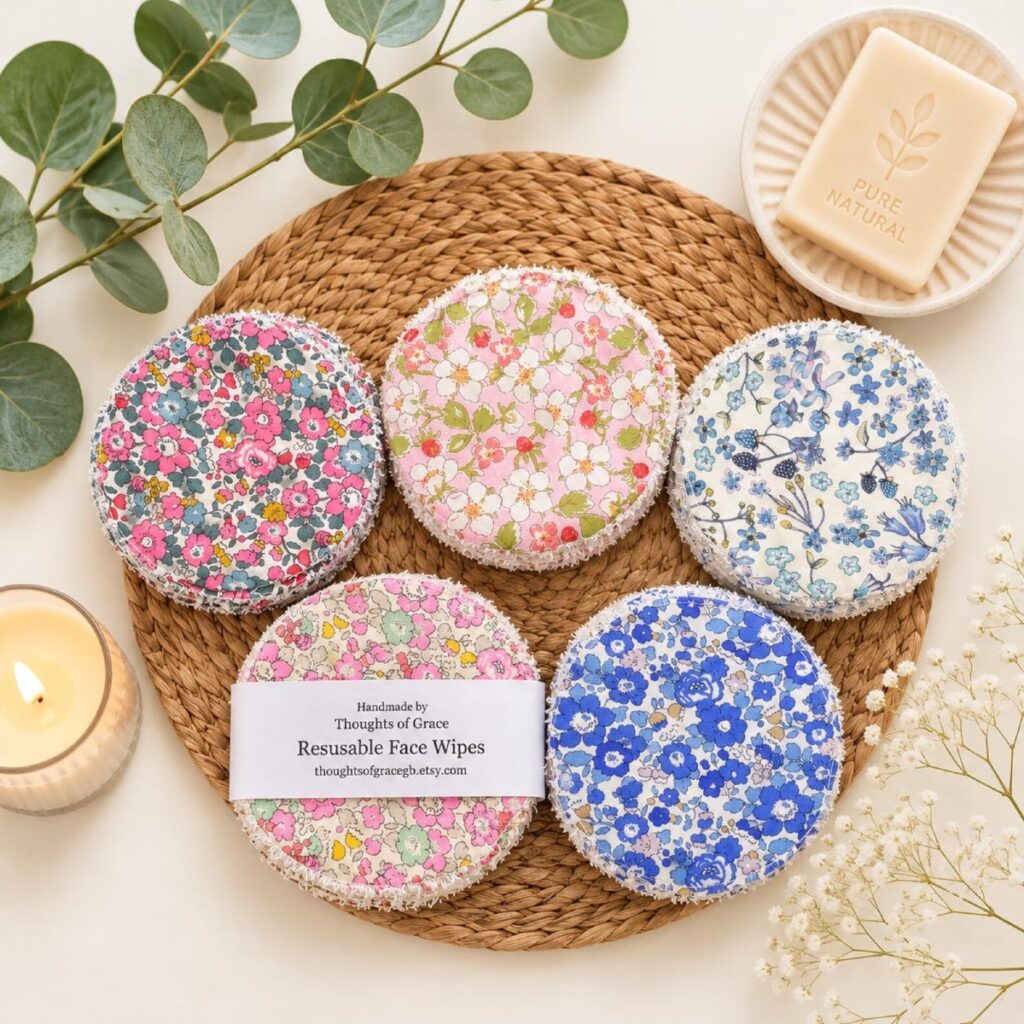
Homeware represents a significant opportunity for long-term waste reduction. Artisanal goods, such as glassware crafted from recycled materials, marry traditional manufacturing techniques with modern environmental goals. By supporting small-scale collaborations between designers and factories in regions like the Atlas Mountains, consumers can ensure their spending supports local economies while avoiding the high energy costs associated with large-scale industrial glass production.

Data-Driven Insights into Ethical Spending
The financial climate of 2026 has necessitated a more disciplined approach to holiday spending. Market analysts note that "value-based" shopping does not necessarily equate to "high-cost" shopping. A significant portion of the most sustainable gifts—such as handmade soaps, recycled stationery, or high-quality loose-leaf teas—fall within the £2 to £50 price bracket.

Statistical analysis of consumer behavior indicates that when brands offer transparency regarding their supply chain, customer retention increases by an average of 12%. This suggests that the "conscious consumer" is willing to pay a premium for verified ethics, but they are also seeking out discounts and mailing-list incentives to make their budget stretch further during the holiday crunch.

The Role of Corporate Responsibility
Beyond the individual product, the broader impact of a brand’s supply chain is paramount. For 2026, experts suggest that consumers should look for:

- Fairtrade Labor Practices: Brands that guarantee living wages and safe working conditions.
- Biodiversity Initiatives: Companies that allocate a percentage of profits toward habitat restoration or anti-pollution efforts.
- Packaging Minimization: A move toward compostable mailers and the elimination of single-use plastic infill in shipping boxes.
Implications for the Future of Retail
The implications of this shift are profound for the retail sector. As consumer expectations for sustainability rise, companies that rely on fast-fashion models or excessive, non-recyclable packaging are likely to face increased scrutiny and potential market share erosion. The "greenwashing" of products—the act of misleading consumers about the environmental benefits of a product—has become a focal point for regulatory bodies, with stricter advertising standards now being applied to retail marketing.

For the consumer, the 2026 festive season offers a chance to participate in a more restorative economy. By carefully selecting gifts that align with ethical standards, individuals are not only providing meaningful presents to their loved ones but are also signaling to the broader market that sustainability is a prerequisite for long-term business viability.

A Path Forward for Conscious Gifting
As the calendar approaches December, the advice for shoppers remains consistent: prioritize quality over quantity, investigate the origins of the materials, and support brands that provide clear documentation of their ethical claims.

The transition to a sustainable Christmas is a cumulative process. Every item chosen from a brand that prioritizes recycled content, fair labor, and minimal waste contributes to a larger reduction in the environmental burden typically associated with the holiday season. By utilizing the framework of material, packaging, and supply chain ethics, shoppers can navigate the 2026 holiday season with confidence, ensuring that their gifts reflect their values without falling victim to the deceptive marketing tactics that have clouded the market in years past.

This systematic approach to gift-giving serves as both a practical guide and a commentary on the changing landscape of global commerce, highlighting a future where the act of giving is fundamentally linked to the health of the planet and the well-being of the global workforce.