The Ultimate Dietitian-Approved College Apartment Grocery and Kitchen Setup Guide

Transitioning from the heavily structured environment of a college dormitory to an off-campus apartment marks a significant milestone in young adulthood, characterized by newfound independence, lease agreements, and the sudden realization of personal culinary responsibility. While the departure from shared dorm bunk beds, mandatory resident advisor check-ins, and communal hallway bathrooms is universally celebrated, the romanticized notion of autonomous living frequently collides with a stark reality between move-in day and the first grocery store run: the absolute necessity of self-sustained nutrition. For students, this transition provokes a distinct duality of excitement and intimidation. Conversely, for parents, the departure from the safety net of the campus dining hall often breeds acute anxiety regarding whether their children will survive on a restricted diet of caffeinated energy drinks and instant ramen.
However, empirical evidence from family nutrition experts and pediatric dietitians indicates that young adults frequently rise to the occasion when equipped with the proper framework. Culinary adaptation in a rental property does not necessitate a gourmet kitchen, professional culinary training, or an exorbitant grocery budget. Rather, successful independent eating relies on strategic ingredient curation, foundational cooking equipment, and deliberate meal planning. This comprehensive operational guide establishes the baseline requirements for stocking a collegiate kitchen, categorizing essential equipment, pantry staples, refrigerated goods, and freezer necessities while addressing the financial and logistical realities of student life.
Navigating the Shift from Campus Dining to Independent Cooking
The evolution from a meal-plan-dependent lifestyle to independent grocery shopping and meal preparation represents a critical developmental phase in higher education. Historically, university dining halls provided structured access to varied food groups, mitigating the need for undergraduate students to manage food inventory, preservation, or culinary execution. When students relocate to off-campus apartments—typically occurring during their junior or senior years—this structured safety net dissolves entirely.
Dietary researchers note that the sudden absence of institutional dining often triggers behavioral shifts in young adults. Without intervention, students frequently fall into cycles of erratic eating patterns, heavy reliance on ultra-processed convenience foods, or skipping meals entirely due to academic stressors. Yet, observational insights from clinical nutritionists reveal that students who establish basic culinary competencies early in their apartment tenure exhibit superior dietary diversity and long-term nutritional habits. When provided with a pragmatic roadmap that emphasizes accessible ingredients and minimal equipment, students routinely demonstrate the capability to research recipes, incorporate fresh produce, and execute balanced meals within tight schedules.
Essential Kitchen Equipment: The Pragmatic Inventory
A common pitfall for incoming apartment residents is the acquisition of excessive, single-use kitchen gadgets marketed toward collegiate demographics. Culinary experts emphasize that a functional student kitchen requires significantly less hardware than commonly assumed. The objective is to curate a lean, versatile inventory of durable tools that facilitate high-frequency cooking tasks without cluttering limited counter and cabinet space.
The foundational equipment list is divided into distinct priority tiers to assist students in budget allocation:
Critical Must-Haves
- The Chef’s Knife and Paring Knife: A sharp, high-quality 8-inch chef’s knife serves as the primary instrument for vegetable fabrication, meat processing, and general prep work, supplemented by a smaller paring knife for precision tasks.
- Cutting Boards: Non-porous plastic or heavy-duty wooden boards dedicated to separating proteins from produce to prevent cross-contamination.
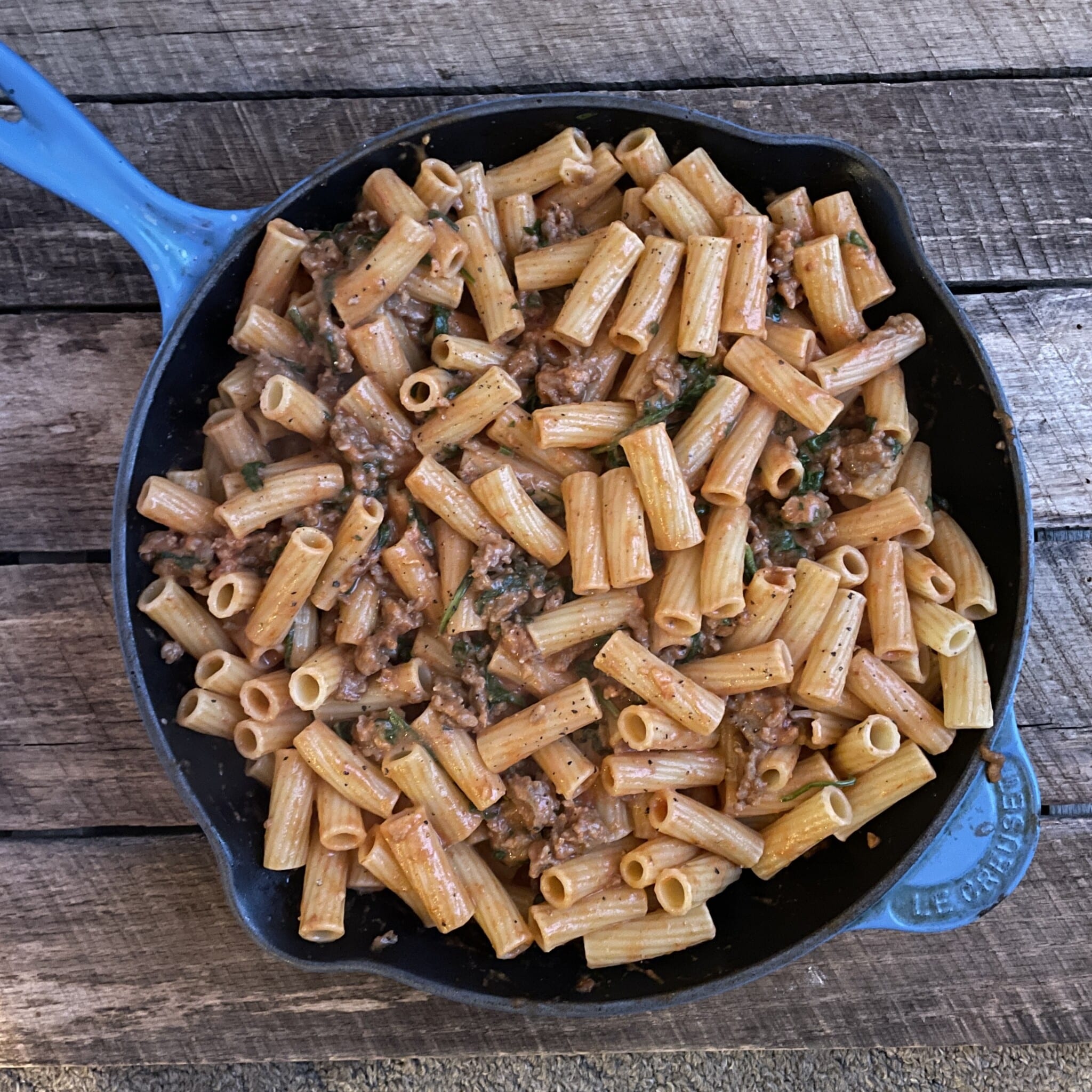
- Primary Cookware: A medium-to-large stainless steel or enameled cast-iron skillet for searing and sautéing, alongside a multi-quart saucepan for boiling grains, pasta, and simmering soups.
- Baking Sheet: A heavy-gauge rimmed half-sheet pan essential for roasting vegetables, proteins, and baking convenience items.
- Basic Utensils: A silicone spatula, a wooden spoon, a metal spatula, a ladle, and a pair of locking stainless steel tongs.
- Measuring Tools: A standard set of dry measuring cups, liquid measuring cups, and measuring spoons to ensure culinary accuracy.
- Colander: A durable mesh strainer for draining pasta, washing produce, and rinsing canned legumes.
Conditional Must-Haves and Utility Items
- Can Opener: Frequently overlooked until needed, a sturdy manual can opener is indispensable for accessing shelf-stable proteins and vegetables.
- Mixing Bowls: A nested set of metal or glass bowls for food prep, mixing batters, and storing ingredients.
- Food Storage Containers: A coordinated set of airtight glass or BPA-free plastic containers for meal prepping, storing leftovers, and extending the shelf life of opened ingredients.
Equipment to Consider Skipping
To preserve financial resources and prevent unnecessary clutter, students are strongly advised to bypass single-purpose appliances such as dedicated quesadilla makers, excessive specialized baking molds, high-end espresso machines, and elaborate multi-piece knife blocks featuring redundant blades. Standard appliances provided by landlords, such as a basic microwave and refrigerator, combined with the aforementioned manual tools, are entirely sufficient for comprehensive nutritional execution.
Financial Architecture and Budgetary Management
Balancing grocery expenditures with fluctuating student budgets demands deliberate financial planning. Food insecurity and budgetary strain are documented stressors within undergraduate populations. To optimize purchasing power, nutritionists recommend establishing a baseline inventory gradually rather than attempting to fully stock a pantry in a single, high-cost excursion.
Strategic grocery shopping involves leveraging discount grocers, prioritizing store-brand equivalents over name brands, and focusing on shelf-stable ingredients that yield multiple meals. By purchasing foundational grains and proteins in bulk and supplementing them with seasonal, budget-friendly produce, students can maintain a nutritious dietary intake while keeping per-meal costs significantly below the price point of campus dining plans or commercial food delivery services. Furthermore, collaborative purchasing models among apartment roommates—such as sharing foundational condiments, oils, and bulk staples—can drastically reduce individual overhead expenses.
The Resilient Pantry: Shelf-Stable Foundations
The backbone of any functional student kitchen is a well-managed pantry. Shelf-stable items provide a reliable nutritional safety net, enabling the rapid assembly of meals during high-stress academic periods when fresh ingredients may be depleted.
Grains and Complex Carbohydrates
Grains serve as the caloric and textural base for numerous budget-friendly dishes. Essential dry goods include:
- Pasta: Various shapes of dried wheat or chickpea-based pasta for rapid preparation.
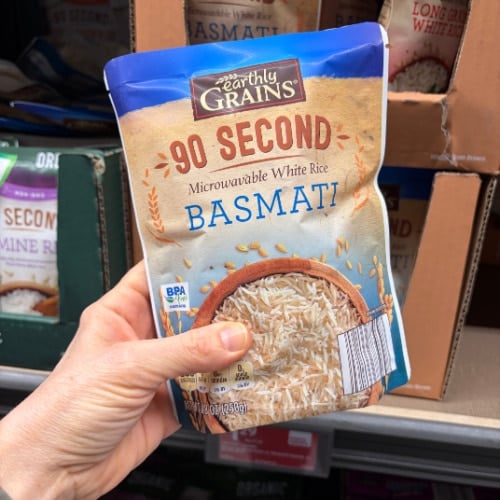
- Rice: Long-grain white or brown rice, which offers high yield and versatility.
- Oats: Rolled or steel-cut oats for breakfast applications and baking.
- Tortillas and Bread: Whole-grain sandwich bread and tortillas stored properly to maximize longevity.
Shelf-Stable Proteins
To ensure adequate macronutrient intake without the rapid spoilage rates associated with fresh meats, the pantry should house:
- Canned Legumes: Black beans, chickpeas, and kidney beans, which provide high concentrations of fiber and plant-based protein.
- Canned Fish: Tuna and salmon packed in water or olive oil for immediate protein access.
- Nut Butters: Peanut, almond, or sunflower seed butter offering dense caloric and protein profiles.
Produce with Extended Shelf Life
While fresh produce requires careful rotation, certain botanical varieties withstand ambient room temperatures for extended periods:
- Alliums: Yellow onions, red onions, and garlic bulbs, which form the aromatic foundation of savory cooking.
- Tubers: Russet, sweet, and Yukon Gold potatoes, alongside various hard squashes, offering complex carbohydrates and sustained energy.
- Note on Food Safety: Public health agencies continuously monitor agricultural advisories regarding fresh produce. Students must remain vigilant regarding regional food safety notices, such as avoiding pre-washed bagged greens during localized Cyclospora outbreaks, and prioritize thorough washing of all fresh produce regardless of packaging claims.
Sauces, Oils, and Flavor Enhancers
Flavor development requires minimal financial investment when utilizing high-impact condiments and fats:
- Cooking Oils: Neutral oils such as canola or vegetable oil for high-heat cooking, paired with extra virgin olive oil for dressings and finishing.
- Acidulants: Apple cider vinegar, white vinegar, or fresh citrus to balance savory profiles.
- Condiments: Soy sauce, hot sauce, salsa, and canned crushed tomatoes or marinara sauce to instantly elevate basic proteins and grains.
Spices and Baking Essentials
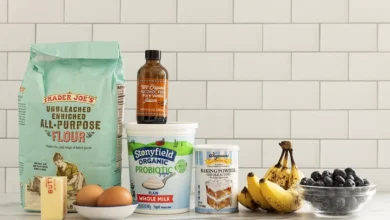
A modest collection of fundamental spices transforms basic ingredients into palatable meals. Essential acquisitions include kosher salt, black peppercorns, garlic powder, onion powder, smoked paprika, cumin, and dried oregano. Baking fundamentals—such as all-purpose flour, granulated sugar, baking powder, and honey—round out the pantry for auxiliary food preparation.

Refrigerated and Frozen Inventories: Perishables and Preservation
Managing perishable goods requires an understanding of thermodynamics and food spoilage timelines. The refrigerator and freezer act as dynamic zones where raw ingredients transform into finalized meals.
Refrigerated Staples
- Eggs: A supreme, versatile protein source that supports breakfast, baking, and quick dinner applications.
- Dairy or Plant-Based Alternatives: Milk, Greek yogurt, or fortified plant beverages providing calcium and probiotics.
- Cheese: A block of cheddar or a bag of shredded mozzarella for melting applications.
- Fresh Produce (Short-Term): Carrots, bell peppers, and sturdy greens stored in appropriate crisper drawers.
Freezer Staples
The freezer serves as the ultimate insurance policy against food waste and time scarcity:
- Frozen Vegetables: Broccoli florets, peas, and mixed vegetables flash-frozen at peak ripeness, eliminating prep work and spoilage risk.
- Frozen Fruit: Berries and sliced mangoes for smoothies and oatmeal integration.
- Frozen Proteins: Chicken breasts, ground turkey, or edamame purchased in bulk and portioned for individual use.
- Bread: Sliced sandwich bread stored in the freezer to prevent mold growth, easily toasted on demand.
Broader Impact and Educational Implications
The acquisition of culinary literacy during the undergraduate years extends far beyond immediate nutritional sustenance. Public health analysts note that young adults who develop self-reliance in the kitchen exhibit lower rates of diet-related chronic illnesses later in life. By mastering the fundamentals of grocery budgeting, inventory management, and basic food safety, students cultivate executive functioning skills directly transferrable to professional and domestic spheres post-graduation.
Ultimately, transitioning to a college apartment kitchen represents an invaluable rite of passage. Armed with a disciplined equipment list, a resilient pantry, and an adaptable mindset, students can successfully navigate the culinary demands of independent living, establishing lifelong habits centered around health, fiscal responsibility, and nutritional autonomy.