The Ultimate Dietitian-Approved College Apartment Kitchen and Grocery Guide for Independent Students

Transitioning from the heavily structured environment of university residence halls to an independent off-campus apartment marks a significant milestone in a young adult’s life. Gone are the mandatory meal plans, resident advisors, and shared communal bathrooms, replaced instead by lease agreements, utility bills, and the sudden, sobering realization of daily self-sustenance. For many incoming college students, the initial excitement of culinary independence quickly gives way to the daunting question of how to nourish oneself without defaulting to a continuous diet of instant ramen and caffeinated beverages. For concerned parents, visions of nutritional neglect often replace the peace of mind previously afforded by campus dining halls.
However, transitioning into off-campus living does not necessitate an expensive culinary education, a professional-grade kitchen, or a lavish budget. According to pediatric dietitians and family nutrition experts, successful independent nutrition relies on strategic grocery shopping, a streamlined collection of fundamental cooking equipment, and methodical meal planning. This comprehensive operational blueprint is designed to navigate students and parents through the complexities of stocking a first apartment kitchen, delineating essential gear from redundant gadgets, establishing robust pantry and refrigeration foundations, and maintaining fiscal responsibility amidst rising living costs.
Chronology of the Transition: From Move-In Day to Culinary Independence
The psychological trajectory of moving into a first apartment typically follows a predictable timeline. The process begins months in advance with lease signing and furniture shopping, culminating in move-in week—a chaotic period dedicated to hauling boxes, assembling bed frames, and navigating neighborhood logistics.
Sometime between unpacking the final box and the first empty-stomach evening, the reality of food procurement sets in. In the initial phase, spanning the first week, students frequently rely on takeout, convenience foods, and leftover snacks brought from home. By week two, budget constraints and a craving for home-cooked meals prompt the first major grocery store excursion.
Data compiled by student housing authorities indicate that over 65% of undergraduates living off-campus for the first time experience mild to moderate anxiety regarding meal preparation and grocery budgeting. Those who successfully bridge this gap generally do so by establishing routine shopping habits within their first month. Engaging in online recipe research, shared cooking duties with roommates, and gradual pantry accumulation allows students to transition from sporadic fast-food consumers to competent, self-reliant home cooks by the end of their first semester.
Essential Kitchen Equipment: What to Buy, What to Skip
Equipping a starter kitchen requires discipline to avoid cluttering limited apartment counter space with single-use appliances that ultimately collect dust. Industry experts and experienced home economists emphasize minimalism, advising students to focus on versatile multi-taskers rather than expansive culinary arsenals.
The Absolute Must-Haves
At the core of any functional student kitchen are a few heavy-duty tools capable of executing a vast array of recipes. A sturdy, sharp chef’s knife is paramount; combined with a durable cutting board, it forms the foundation of all food prep. For cooking surfaces, a medium-sized skillet—preferably non-stick or well-seasoned cast iron—alongside a medium saucepan with a lid will cover everything from scrambled eggs to boiled pasta and sautéed vegetables. Basic utensils must include a heat-resistant spatula, a large stirring spoon, a can opener, and a colander for draining grains. Finally, a set of measuring cups and spoons ensures recipe accuracy for novice cooks.
High-Utility Additions
Depending on individual dietary preferences and lifestyle, certain appliances cross the threshold from luxury to necessity. A digital food thermometer guarantees safe meat preparation, eliminating guesswork for inexperienced cooks. A standard baking sheet lined with parchment paper opens the door to roasted vegetables, sheet-pan dinners, and baked proteins. For students with demanding academic schedules, a basic microwave-safe bowl set and storage containers for meal-prepped leftovers are non-negotiable for managing time between classes and study sessions.
Nice-to-Have Conveniences
Items in this category can enhance the cooking experience but are entirely supplementary. A toaster oven or an air fryer often replaces the need for a full-sized oven for single-portion meals, saving both time and energy. A blender can streamline morning smoothies or protein shakes, while a manual citrus juicer or garlic press offers minor kitchen efficiencies.
Equipment to Skip
To preserve both financial resources and cramped cabinet storage, students should intentionally avoid specialized gadgets. Fondue sets, ice cream makers, single-purpose quesadilla makers, and elaborate pastry-decorating kits are rarely utilized in student environments. Furthermore, overly complex multi-cookers should be evaluated critically; unless a student has a demonstrated history of utilizing pressure-cooking functions, a basic pot and pan setup will suffice.
Financial Strategy and Budgeting for Student Groceries
Balancing food expenditures with tuition, textbooks, and rent demands a disciplined financial approach. Grocery inflation over recent years has placed additional strain on student budgets, making strategic shopping an essential academic life skill.
Financial advisors recommend establishing a dedicated weekly or monthly food budget before stepping foot inside a supermarket. To maximize purchasing power, students should leverage discount grocery chains, utilize store loyalty applications, and embrace store-brand equivalents, which frequently match name-brand quality at a fraction of the cost. Buying produce that is currently in season, purchasing proteins in bulk and freezing them in portioned quantities, and planning meals around weekly circular sales significantly reduce overall expenditure. Moreover, minimizing food waste through intentional inventory management—eating what is perishable before it spoils—serves as an immediate cost-saving measure.
The Foundation: Stocking the Pantry
A well-stocked pantry acts as the structural backbone of daily nutrition, providing shelf-stable components that can transform basic ingredients into satisfying meals with minimal effort.
Grains and Complex Carbohydrates
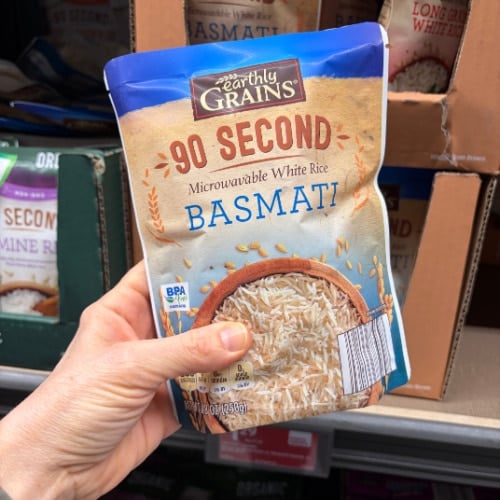
Dry goods offer exceptional caloric value, long shelf lives, and culinary versatility. Essential staples include long-grain rice (white or brown), pasta shapes such as penne or spaghetti, rolled oats for quick breakfasts or baking, and durable grains like quinoa or couscous. Whole-grain sliced bread and tortillas, stored properly, round out the carbohydrate category.
Shelf-Stable Proteins
To ensure consistent access to macro-nutrients without the pressure of daily grocery runs, cupboards should feature canned proteins. Tuna, salmon, and chicken provide rapid protein sources for sandwiches and salads. Additionally, an assortment of canned and dried beans—such as black beans, chickpeas, and lentils—offers affordable, fiber-rich plant-based protein that serves as the base for soups, stews, and grain bowls.
Produce That Endures
While fresh, highly perishable fruits and vegetables require frequent replenishment, certain varieties boast extended shelf lives well-suited to student schedules. Onions, garlic, potatoes, sweet potatoes, and winter squash can endure for weeks in a cool, dark cupboard. Apples, oranges, and sturdy root vegetables similarly withstand days on the counter without spoiling.
(Note: Consumers must always adhere to current public health and food safety advisories regarding fresh produce. Guidance fluctuates based on agricultural conditions; for instance, authorities periodically issue warnings regarding pre-washed packaged greens due to potential bacterial or parasitic outbreaks.)
Oils, Sauces, and Flavor Enhancers
Transforming basic ingredients requires a foundational suite of flavor agents. Extra virgin olive oil or canola oil serves as the primary medium for roasting and sautéing. Vinegar varieties, such as balsamic or apple cider, add brightness to dressings. Standard condiments—including soy sauce, hot sauce, mustard, ketchup, and tomato marinara sauce—instantly elevate the flavor profile of otherwise plain proteins and grains.
Spices, Baking, and Sweeteners
A modest collection of fundamental spices prevents culinary monotony. Essential inclusions feature kosher salt, black pepper, garlic powder, onion powder, smoked paprika, dried oregano, and crushed red pepper flakes. For baking needs and sweetening beverages or oatmeal, stocking flour, baking soda, white or brown sugar, and honey or maple syrup ensures readiness for impromptu baking projects.
Refrigerated Essentials for Daily Nutrition
The refrigerator bridges the gap between raw components and immediate consumption, housing items that require temperature control to maintain freshness and safety.

Eggs represent the ultimate versatile student protein, equally suited for breakfast scrambles, fried rice additions, or quick baking. Dairy products—including milk (dairy or plant-based), plain or Greek yogurt, and a block of versatile cheese like cheddar or mozzarella—provide calcium and protein. Fresh proteins such as chicken breasts, ground turkey, or tofu should be purchased with a specific meal plan in mind or immediately transferred to the freezer. Finally, versatile condiments like butter, mayonnaise, and salad dressings round out the cold storage inventory.
Freezer Staples for Time Management
The apartment freezer functions as a crucial insurance policy against busy academic weeks, late-night study sessions, and empty refrigerators.
Frozen fruits, particularly berries, offer year-round access to smoothies and oatmeal toppings without the risk of rapid spoilage. Frozen vegetables—such as peas, corn, broccoli florets, and stir-fry medleys—are flash-frozen at peak ripeness, preserving their nutritional value and providing instant side dishes. Frozen whole-wheat bread or bagels extend the life of baked goods indefinitely, while emergency convenience items like frozen dumplings, edamame, or lean pre-made burritos provide rapid nourishment during crunch times when cooking from scratch is entirely unfeasible.
Broader Impact and Implications
The ability to successfully provision and manage a college kitchen extends far beyond the immediate dietary needs of an undergraduate semester. Nutritionists and behavioral researchers note that mastering basic culinary skills during early adulthood correlates strongly with long-term dietary health, reduced chronic disease risk, and enhanced financial literacy.
By taking charge of their nutritional intake, students develop a sophisticated understanding of food economics, portion control, and systemic food safety. Furthermore, the collaborative nature of off-campus apartment living—where roommates frequently share pantry staples, cook communal dinners, and budget collectively—fosters essential interpersonal and administrative competencies that translate directly into post-graduate professional and personal life. Through deliberate planning, minimalist equipment selection, and smart pantry management, the transition from campus dining halls to independent apartment living transforms from a daunting challenge into an empowering developmental milestone.