The Ultimate Guide to Surviving 15 Years of School Lunch Packing with Creative Meal Rotations

The daily routine of preparing school lunches presents a persistent logistical challenge for households across the nation, a phenomenon underscored by over a decade and a half of domestic culinary experience. While the actual act of cooking rarely constitutes the primary obstacle, the cyclical nature of the task—requiring repetition every single school day—places a significant cognitive burden on parents. This domestic reality often triggers culinary fatigue for both children and caregivers, frequently culminating in the classic declaration that a child is finished with standard sandwich options. Such everyday friction points have catalyzed broader shifts in how families approach midday meals, influencing cookbook development, meal-planning strategies, and the commercial landscape of children’s food preparation accessories.
Background Context and Nutritional Frameworks
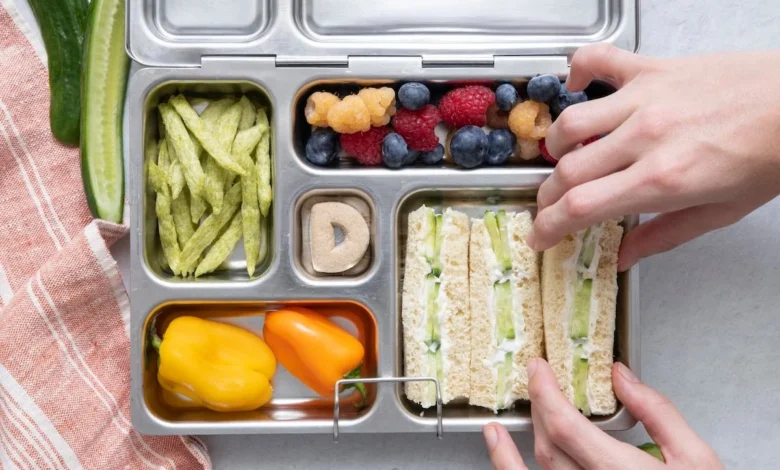
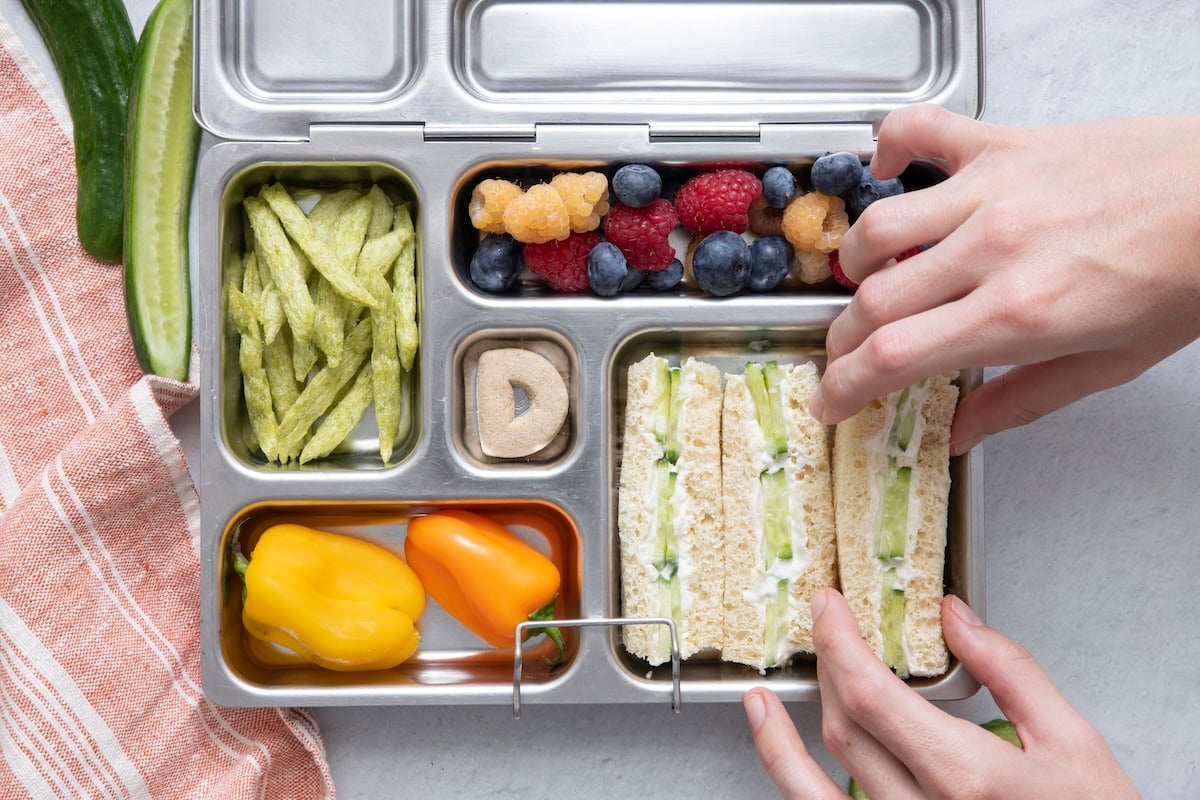
The modern school lunch dilemma has evolved significantly over the past twenty years. Historically, the standard brown-bag lunch relied heavily on cold cuts, sliced white bread, and pre-packaged snacks. However, heightened awareness surrounding childhood nutrition, dietary diversity, and food waste has transformed the midday meal into a carefully balanced nutritional requirement. Nutritionists and family food advocates increasingly recommend a modular approach to lunchbox packing, typically structured around five core components: a reliable protein, fresh seasonal fruit, vegetables, a complex carbohydrate, and a modest sweet addition.
By sourcing fruits and vegetables from local farmers’ markets on a weekly basis, parents can streamline the preparation process through pre-washing and chopping produce immediately upon arrival home. This systemic method reduces morning friction, ensuring that healthy options are ready to grab and place directly into compartment containers. Furthermore, adapting menus to accommodate dietary preferences—such as vegetarian rotations or meatless sandwich alternatives—allows households to maintain variety without drastically increasing daily labor.
Evolution of Sandwich Alternatives and Visual Appeal
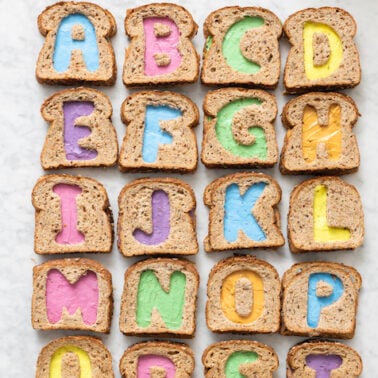
When children reject traditional sandwiches, the issue is frequently psychological and visual rather than culinary. Altering the geometry and presentation of familiar ingredients can fundamentally change a child’s perception of the food, transforming a mundane meal into an engaging dining experience.
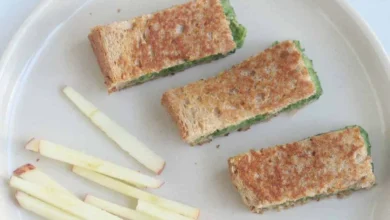
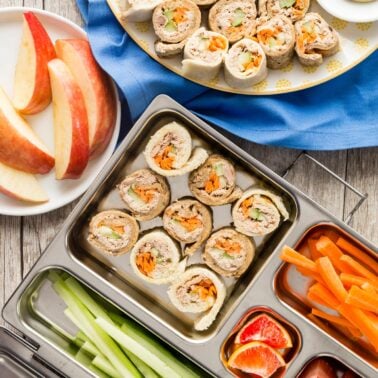
Innovative preparation techniques include rolling standard sandwich bread with a rolling pin alongside a preferred spread and filling, then slicing the cylinder into bite-sized pinwheels or "sushi sandwiches." Popular variations feature traditional peanut butter and jelly or savory tuna salad. Similarly, utilizing letter-shaped cookie cutters to create monogrammed sandwiches encourages children to consume their entire meal, provided a sturdier bread is selected to maintain structural integrity.
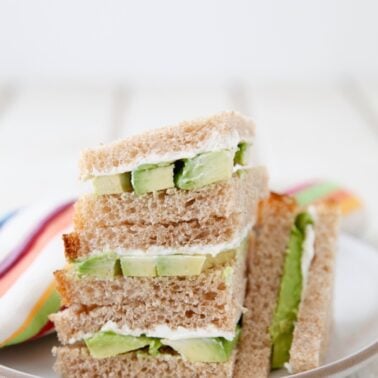
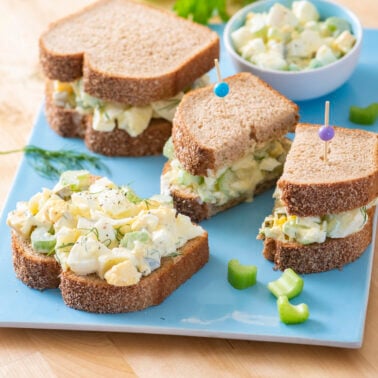
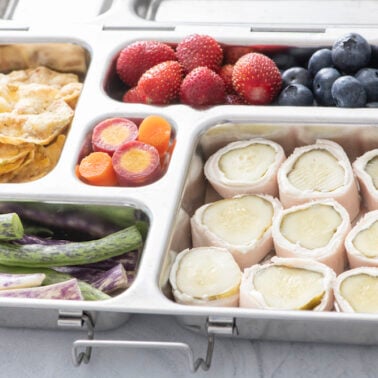
Beyond structural alterations, ingredient pairings can extend the shelf life and visual appeal of perishable items. For instance, combining avocado with cream cheese creates a protective barrier that significantly slows the oxidation and browning process, ensuring the meal remains appetizing by midday. Hard-boiled eggs, prepared in batches at the beginning of the week, serve as the foundation for versatile egg salad options that can be assembled quickly in the mornings. For children who reject bread entirely, alternative formats such as turkey and pickle roll-ups provide essential protein and texture without traditional carbohydrates.
The Economics and Efficiency of Dinner-to-Lunch Transitions
One of the most effective strategies for mitigating morning meal-preparation stress involves the strategic repurposing of dinner leftovers. Integrating evening meal planning with next-day lunch preparation eliminates the need to invent novel midday menus.
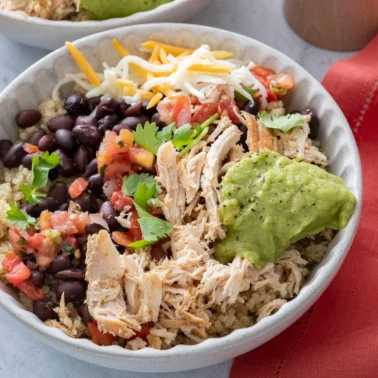
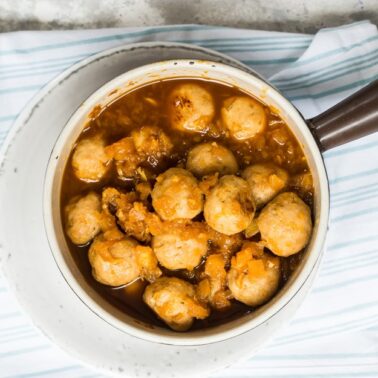
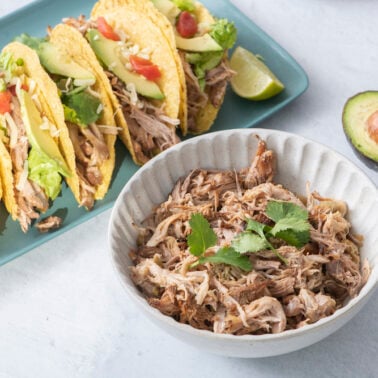
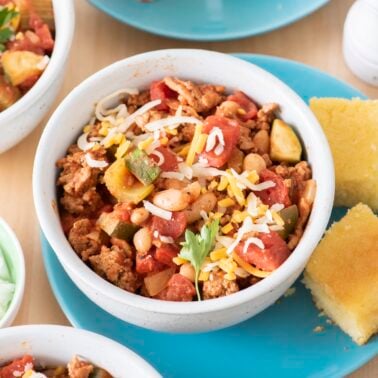
Slow-cooker recipes, such as shredded chicken burrito bowls or Mexican pulled pork shoulder, adapt exceptionally well to lunchbox environments, provided that moisture-heavy toppings are stored separately to prevent sogginess. Batch cooking versatile items like teriyaki meatballs or turkey veggie chili provides multiple meals from a single cooking session, as chili and similar braised dishes often improve in flavor over time.
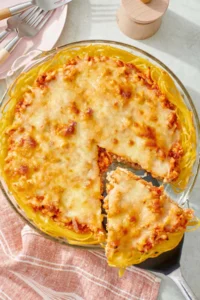
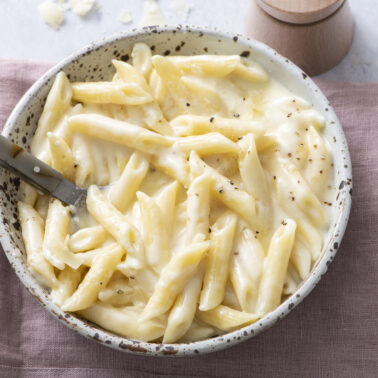
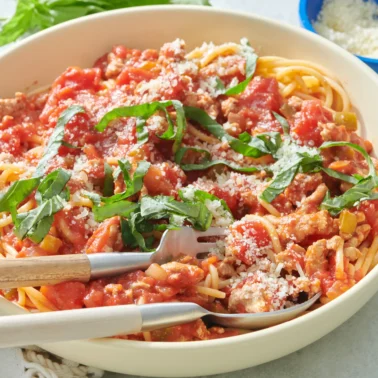
For carbohydrate-heavy comfort foods such as stovetop macaroni and cheese or pasta with homemade spaghetti sauce, successful transport relies on thermal management and moisture adjustment. Packing pasta dishes slightly looser than usual allows the starches to absorb excess liquid while contained in a thermos, returning to an ideal consistency after a brief stir at lunchtime.
Thermal Engineering: Optimizing Thermos Performance
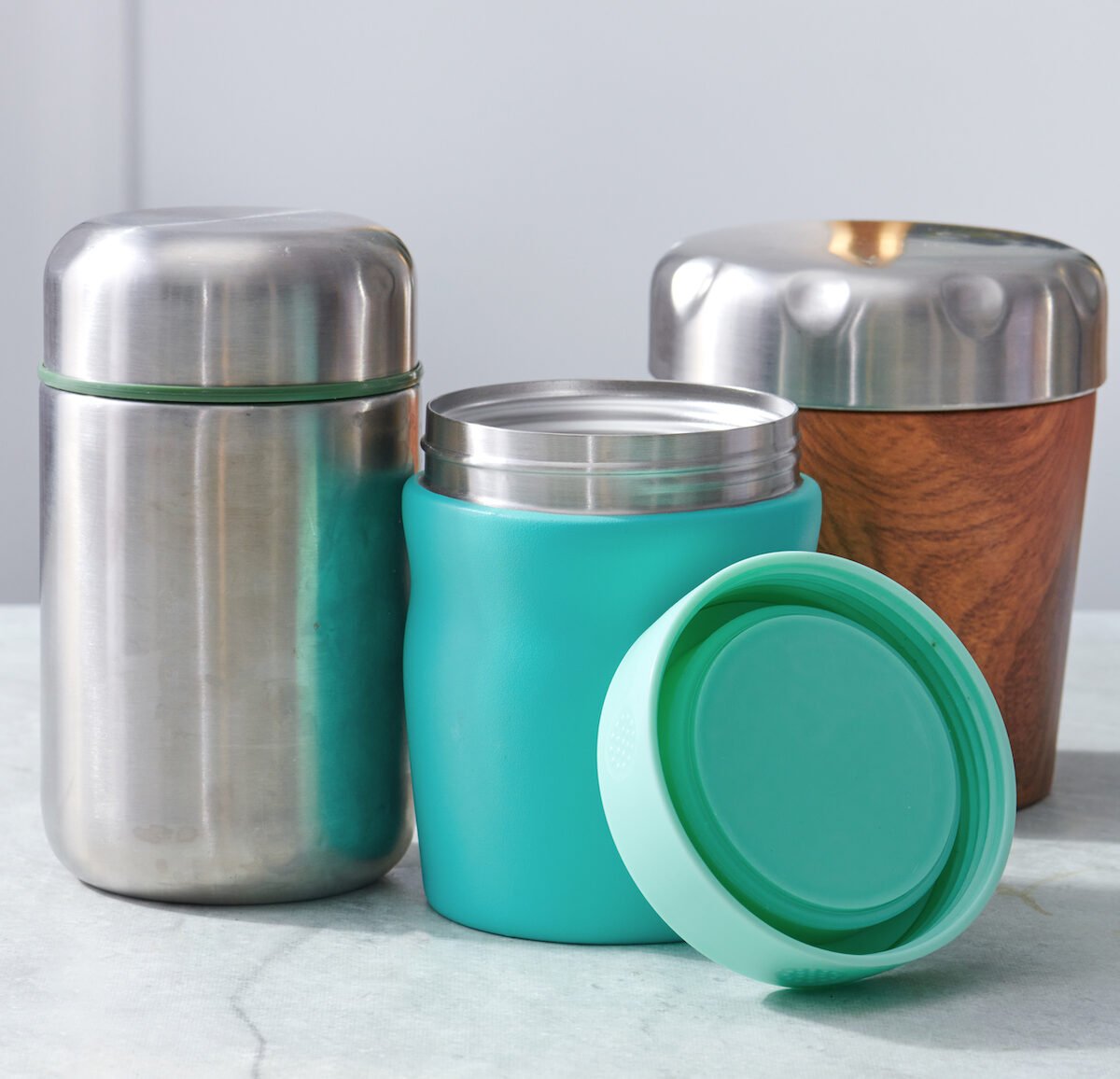
The successful transport of hot school lunches depends heavily on thermal physics, with user disappointment typically stemming from a single omitted preparation step: preheating the food jar. Without preheating, a cold stainless-steel container will rapidly absorb thermal energy from the food, resulting in a lukewarm meal by midday.
To ensure food remains piping hot at 12:00 PM, food safety and culinary experts recommend a standardized protocol:
- Boil fresh water using a kettle or microwave.
- Pour the boiling water directly into the empty thermos or food jar.
- Seal the container tightly and allow it to sit for approximately 5 to 10 minutes to heat the surrounding metal walls.
- Empty the water thoroughly.
- Immediately fill the container with piping-hot food (such as chili, soup, or pasta) and seal securely.
Conversely, this thermal principle applies in reverse for cold items. Chilling lunchboxes overnight in the refrigerator, combined with properly positioned ice packs, maximizes the cooling efficiency required for perishable items like dairy, fresh produce, and deli meats.
Muffin Tin Batch Cooking and Finger Foods
Utilizing standard muffin tins for baking offers a streamlined approach to portion control and independent eating. Food items prepared in individual compartments emerge pre-portioned, structurally sound, and easy to consume with minimal utensils—qualities that appeal strongly to younger children while remaining popular among older students.
Classic examples include baby frittatas, which function as portable, temperature-stable egg bites that maintain high palatability even when consumed cold. Similarly, pizza muffins and corn dog muffin bites capture the familiar flavors of fast-casual dining within a sturdy, lunchbox-friendly format. Spinach and ricotta mixtures, when baked in muffin form, retain moisture and tenderness rather than becoming rubbery after hours in a backpack. The inherent freezer-friendly nature of these baked goods allows parents to execute extensive batch cooking sessions, establishing a deep inventory of reliable lunch components for the academic year.
Snacks, Dips, and Dippable Nutrition
Snacks frequently constitute a major portion of a child’s school day consumption, and nutrient-dense dips often serve as the primary catalyst for encouraging children to consume raw vegetables. Preparing items such as red bell pepper hummus, classic vegetable dips, or fresh guacamole at the beginning of the week provides a reliable supply of healthy fats and proteins. To maintain the vibrant green color of guacamole during storage, culinary professionals advise pressing plastic wrap directly onto the surface of the dip before sealing the container to eliminate oxygen exposure, accompanied by a sufficient concentration of citrus juice.
Dry snacks can also be produced efficiently at home to replace commercial processed alternatives. Preparing air-popped popcorn in brown paper bags requires minimal time and ingredients, echoing traditional homemade snacks. Similarly, oven-baked or air-fried crispy chickpeas provide substantial crunch and protein, maintaining structural integrity in sealed containers for multiple days.
Sweet Additions and Balanced Confections
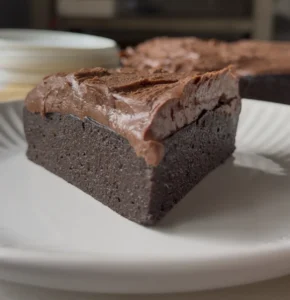
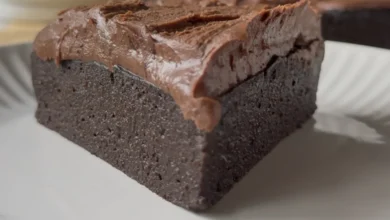
Incorporating a modest sweet element into a school lunch does not necessitate relying on excessively sugary commercial products. Nutrient-dense baked goods, such as fruit and oat crumble bars, breakfast cookies loaded with whole grains, and classic banana chocolate chip muffins, offer balanced sweetness while withstanding the physical rigors of transport in a crowded backpack. Furthermore, traditional treats like homemade graham crackers or oven-dried strawberry fruit leather allow caregivers to control ingredient quality entirely while satisfying adolescent preferences for familiar snack formats.
Broader Industry Implications and Family Engagement
The continuous evolution of school lunch preparation reflects broader cultural shifts in parenting, nutrition education, and consumer goods. As families navigate the perpetual cycle of meal planning, the integration of children into the decision-making process has emerged as a best practice among family nutritionists. Involving children in selecting components of their midday meals fosters a sense of agency, reduces overall food waste, and introduces novel flavor profiles that might otherwise be rejected.
Ultimately, successful long-term lunch packing relies on systemic organization, strategic batch cooking, efficient thermal gear management, and flexible menu rotation. By reframing the daily chore into a collaborative and structured routine, households can successfully navigate the culinary demands of the academic calendar.