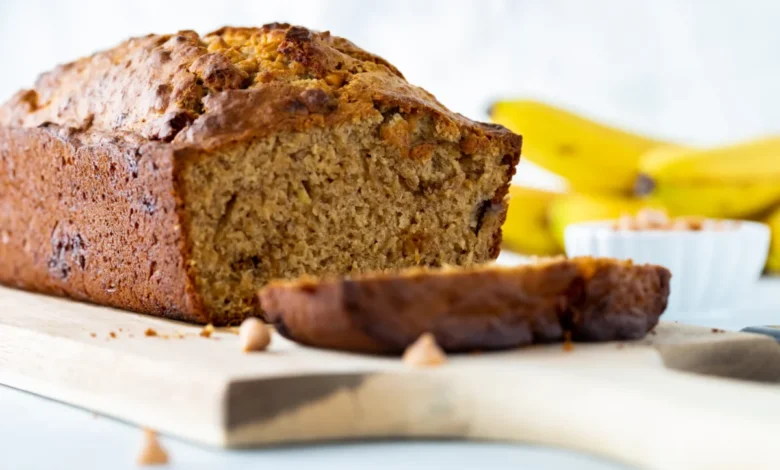
The culinary landscape of home baking has experienced a significant resurgence in recent years, driven largely by consumer demand for comfort foods that bridge the gap between traditional favorites and innovative flavor profiles. Among the most enduring staples of domestic baking is banana bread, a recipe deeply rooted in the resourcefulness of twentieth-century American kitchens, particularly popularized during the Great Depression when families sought to utilize overripe produce and prevent household waste. Today, culinary experts and food scientists are examining a modern evolution of this classic comfort food: Butterscotch Banana Bread. By incorporating meltable butterscotch chips into the traditional batter of ripe fruit, flour, sugar, and fat, home bakers are transforming a simple breakfast loaf into a rich, multi-dimensional dessert and snack option.
Main Facts and Culinary Mechanics
At its core, Butterscotch Banana Bread relies on precise chemical interactions between simple pantry staples. Food science and culinary research highlight that the success of any banana bread depends heavily on the moisture content and sugar conversion rates of the fruit. As bananas transition from firm, starchy yellow fruits to soft, brown-spotted specimens, endogenous enzymes known as amylases break down complex starches into simple sugars such as glucose, fructose, and sucrose. This natural ripening process not only increases sweetness but also softens the cellular structure of the fruit, making it easier to incorporate into batters and ensuring a dense, moist crumb.
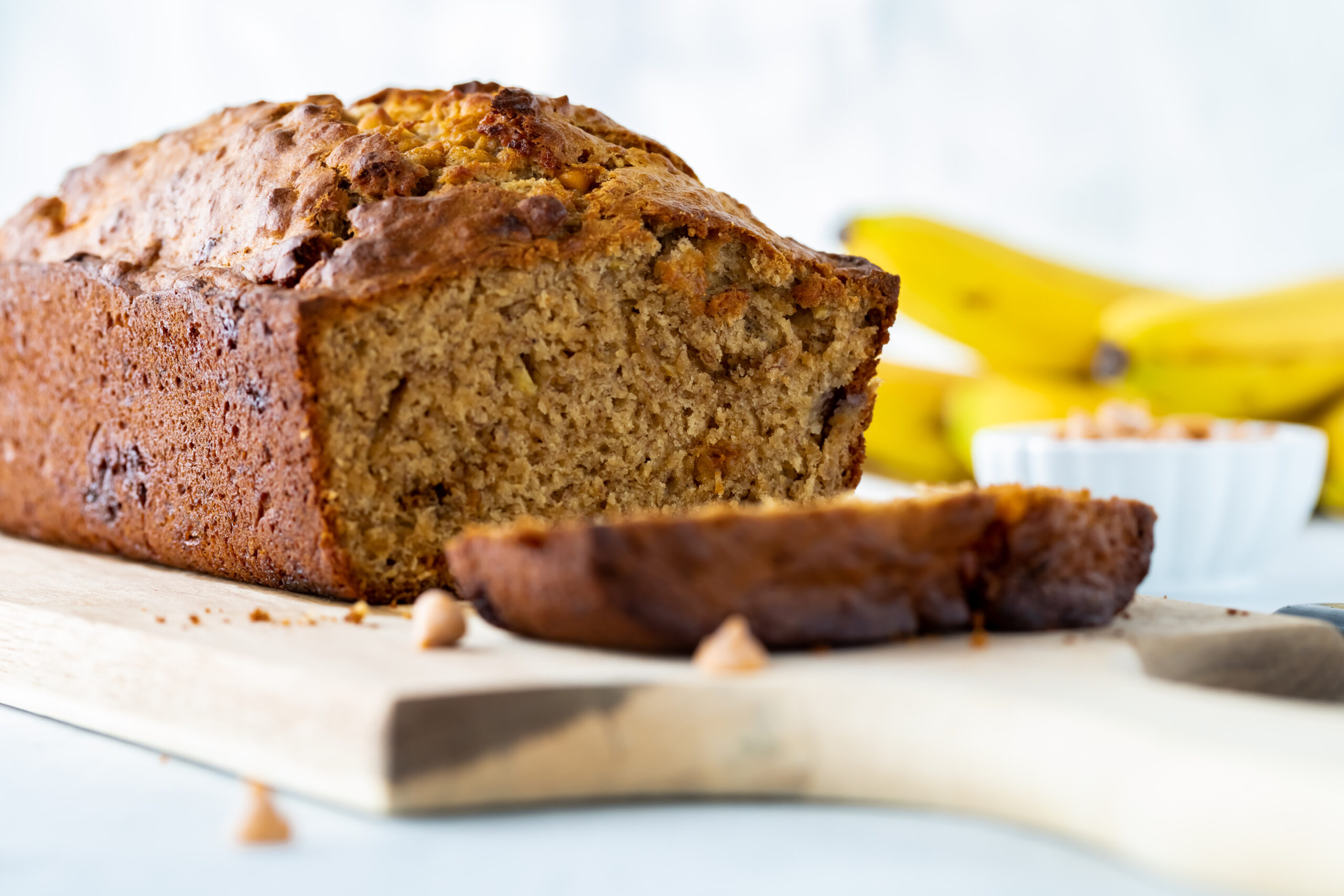
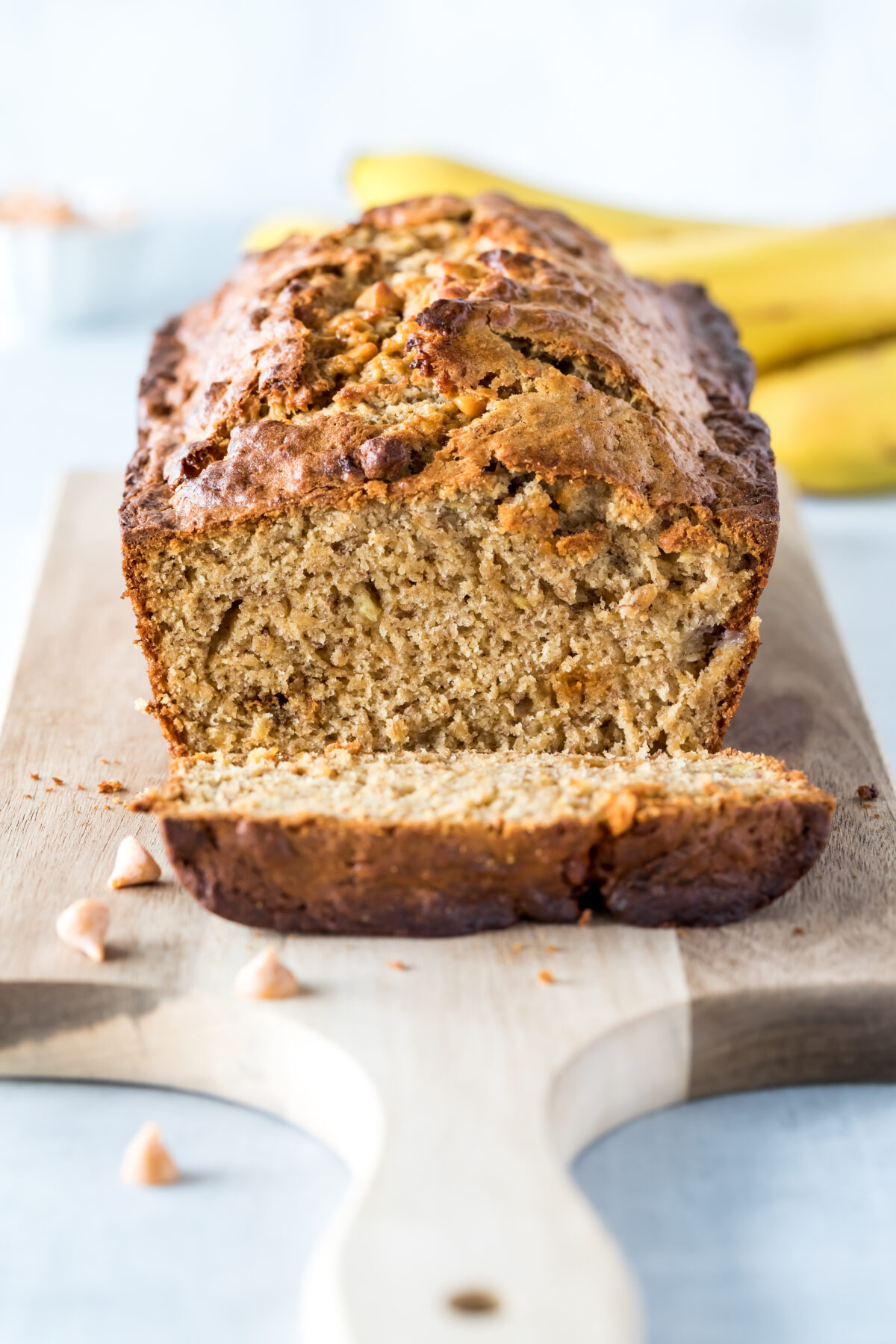
In the case of butterscotch-infused variations, the addition of butterscotch chips introduces pockets of caramelized sugar and dairy fats that melt unevenly during the baking process. This creates intermittent bursts of rich, buttery flavor that contrast with the earthy, slightly acidic notes of the banana. Professional bakers emphasize that achieving the ideal loaf requires strict adherence to measurement techniques—particularly regarding flour. Over-measuring flour, often caused by directly scooping dry measuring cups into storage bags, remains the primary cause of dry or crumbly loaves. Culinary guidelines recommend the spoon-and-level method, which ensures the correct flour-to-liquid ratio necessary to support the heavy fruit and chip inclusions.
Background Context and Historical Evolution
The history of banana bread in North American cuisine dates back to the widespread commercial availability of baking soda and baking powder in the 1930s. Prior to this chemical expansion, quick breads had existed in various forms, but the convergence of affordable commercial leavening agents and the importation of bananas via maritime trade networks made banana bread a fixture in cookbook literature. The recipe gained unprecedented momentum during the economic hardships of the Great Depression, when throwing away overripe food was financially unfeasible, and during World War II, when rationing forced homemakers to be creative with alternative sweeteners and moisture retainers.
Over the decades, home cooks and professional pastry chefs alike have experimented with countless variations of the foundational recipe. Additions such as walnuts, pecans, chocolate chips, and cream cheese swirls became standard modifications. The introduction of butterscotch chips into banana bread represents a broader contemporary trend in baking: the fusion of nostalgic, old-fashioned foundations with intense, confectionery-style flavor profiles. Industry analysts tracking consumer packaged goods and home baking trends note that specialty baking chips—including butterscotch, toffee, and dark chocolate—have seen steady growth in retail sales, indicating that consumers increasingly favor customizable, elevated versions of traditional comfort bakes.
Chronology and Preparation Methodology
For home cooks executing the recipe, adherence to a precise preparation timeline is essential for optimal structural integrity and flavor development. The typical workflow spans approximately one hour and ten minutes, divided into active preparation and passive thermal processing.
The initial phase involves ingredient gathering and fruit assessment. Bakers must evaluate whether their bananas have reached the appropriate stage of ripeness. Ideally, the fruit should exhibit extensive brown or black speckling and yield softly to pressure. In scenarios where only firm, yellow bananas are available, accelerated ripening methods can be employed. The paper bag method—which traps ethylene gas emitted by the fruit alongside a catalyst such as an apple—requires 24 to 48 hours of room-temperature storage. Alternatively, the thermal oven method involves baking unpeeled, firm bananas at 300 degrees Fahrenheit on a parchment-lined sheet until the peels darken and the internal starches soften, a process that takes roughly 15 to 20 minutes.
Active preparation commences with the creaming or mixing of wet ingredients—typically butter or oil, brown sugar, eggs, and vanilla extract—followed by the incorporation of mashed ripe bananas and a dairy element such as Greek yogurt or sour cream. The inclusion of yogurt or sour cream is a scientifically proven technique; the mild acidity reacts gently with the leavening agents while providing additional moisture and tenderness to the crumb without thinning the batter.
Dry ingredients, consisting of all-purpose flour, baking soda, and salt, are gently folded into the wet mixture. Culinary experts emphasize the necessity of the folding stage: overmixing activates the gluten proteins in the wheat flour, which can lead to a tough, rubbery, or tunnel-riddled loaf. Once the butterscotch chips are evenly distributed—with a small reserve set aside for topping—the batter is transferred to a greased or parchment-lined loaf pan.
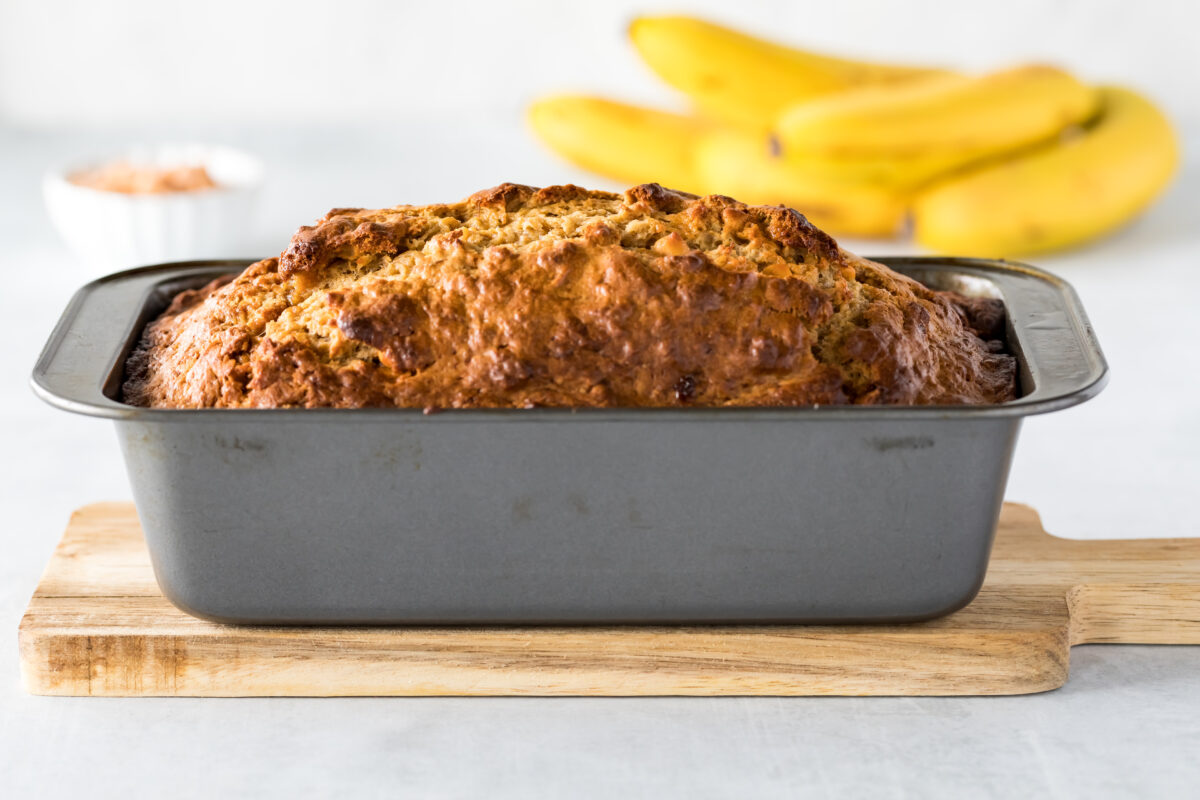
The baking process generally requires 50 to 55 minutes in an oven preheated to standard baking temperatures, typically 350 degrees Fahrenheit. Because loaf pans vary in material composition (glass, dark metal, or light aluminum) and ovens possess distinct thermal variances, bakers are advised to perform a doneness test during the final ten minutes of baking. Inserting a wooden toothpick or skewer into the thickest part of the center should yield a few moist crumbs, but no wet batter. Following removal from the oven, cooling protocol dictates that the loaf must rest in the pan for 10 to 15 minutes before being transferred to a wire rack. Crucially, slicing the bread immediately upon removal is discouraged; allowing the loaf to cool for at least 30 minutes permits the internal starches to set and prevents the crumb from prematurely crumbling.
Supporting Data and Nutritional Considerations
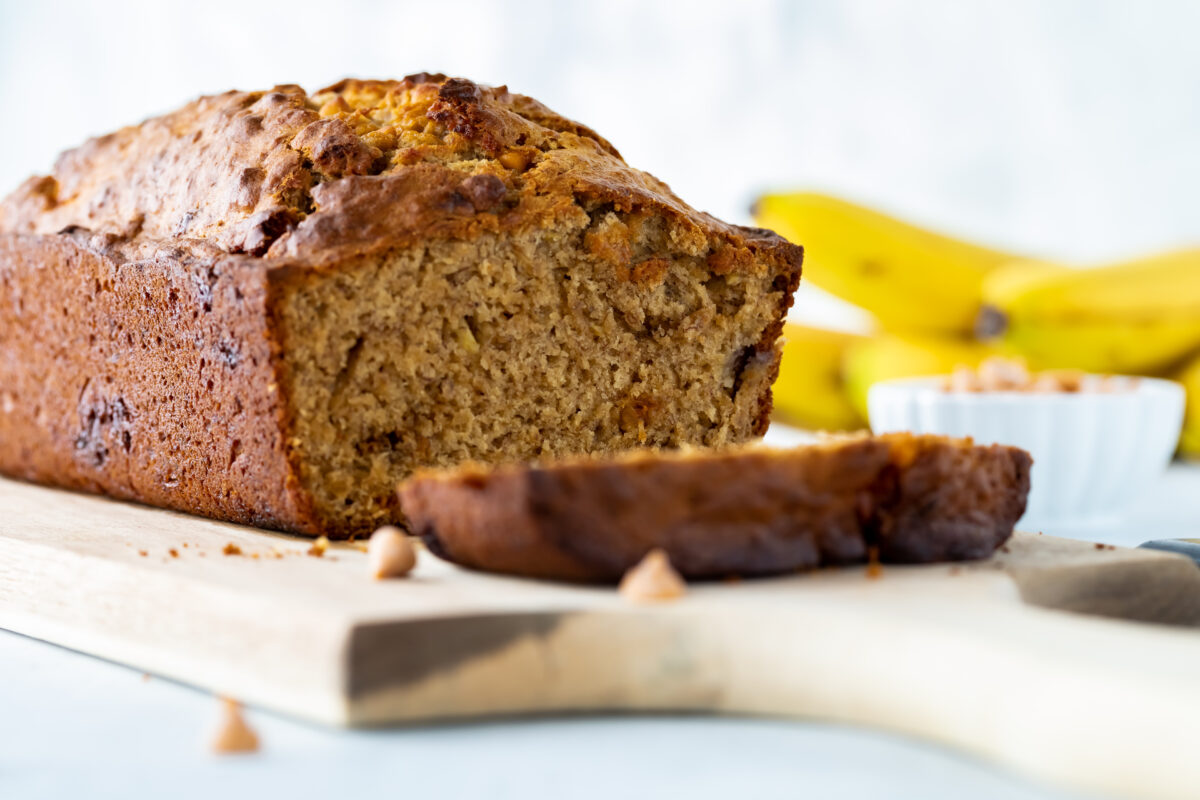
From a nutritional standpoint, Butterscotch Banana Bread occupies a dual role as both an energy-dense snack and a traditional baked dessert. Bananas provide valuable dietary potassium, vitamin B6, vitamin C, and dietary fiber, while whole grains from the flour contribute complex carbohydrates. However, the incorporation of brown sugar, butter, and commercially manufactured butterscotch chips significantly increases the overall caloric density, sugar content, and saturated fat profile of the finished product.
Dietary analysts note that standard household servings of butterscotch banana bread—typically calculated at ten slices per loaf—deliver moderate energy levels suitable for active individuals, children, and school lunchboxes. To modify the nutritional profile, health-conscious home bakers frequently experiment with substitutions, such as replacing a portion of the all-purpose flour with whole-wheat flour, utilizing plant-based oils, or incorporating reduced-sugar mix-ins. Despite these modifications, the core appeal of the recipe remains rooted in its indulgence and sensory gratification rather than strict dietary compliance.
Official Industry Responses and Culinary Perspectives
Culinary educators and food media publications have widely embraced flavored quick breads as an accessible entry point for novice bakers. Professional pastry chefs point out that quick breads require no yeast cultivation, kneading, or extended proofing times, making them highly forgiving for individuals with limited baking experience.
Furthermore, consumer goods manufacturers and baking supply brands have reported positive engagement metrics regarding recipes featuring specialty chips. Culinary marketing data indicates that home baking content emphasizing sensory descriptors—such as "soft," "moist," "melty," and "caramel-like"—consistently generates high consumer interest across digital platforms. This enthusiasm reflects a broader psychological reliance on baking as a therapeutic domestic activity, a trend that accelerated globally following periods of widespread lifestyle disruption and home confinement.
Broader Impact and Socioeconomic Implications
The enduring popularity of banana bread and its creative iterations speaks to broader cultural values surrounding food waste reduction and domestic resourcefulness. Bananas consistently rank among the most frequently purchased and discarded fresh fruits in Western households. Recipes that successfully utilize overripe produce serve a practical economic function by lowering household grocery waste and maximizing the utility of purchased food items.
In addition to its economic utility, the preparation of baked goods such as Butterscotch Banana Bread carries significant cultural weight regarding home-based hospitality and familial comfort. The sensory experience of baking—specifically the diffusion of caramelized sugar, ripe fruit, and baked vanilla aromas throughout a living space—is frequently cited in consumer surveys as a generator of psychological comfort and nostalgia. As home cooks continue to seek approachable, creative outlets for everyday ingredients, variations like butterscotch banana bread demonstrate how traditional recipes can be successfully modernized to satisfy contemporary culinary preferences without losing their foundational simplicity.