The Ultimate Guide to High-Protein Vegan Snacks for Sustained Energy and Nutrition

Achieving optimal protein intake on a plant-based diet requires a strategic approach, particularly when selecting snacks that bridge the gap between meals. Registered dietitians increasingly emphasize that for vegan adults, a well-balanced snack should contain between 15 and 20 grams of protein to support muscle recovery, stabilize blood glucose levels, and maintain satiety throughout the day. By combining diverse plant-based sources, individuals can effectively replace animal-derived proteins while meeting their physiological requirements.
The Nutritional Necessity of Protein Pairing
Protein is a fundamental macronutrient required for the repair of muscle tissue and the production of enzymes and hormones. In the context of a vegan diet—which excludes meat, dairy, eggs, and honey—intentional consumption is necessary to ensure the intake of all essential amino acids.
Nutritional experts suggest that the efficacy of a snack is determined not just by its protein content, but by its synergy with fiber, complex carbohydrates, and healthy fats. This combination is essential for preventing the glycemic spikes associated with high-sugar, low-protein processed foods. When protein is paired with fiber-rich legumes or heart-healthy fats, the gastric emptying rate slows, leading to a sustained release of energy that prevents mid-afternoon fatigue.
Categorizing High-Protein Plant Sources
Plant-based protein sources are vast, yet they vary significantly in bioavailability and concentration. Understanding these categories allows for more efficient meal planning:
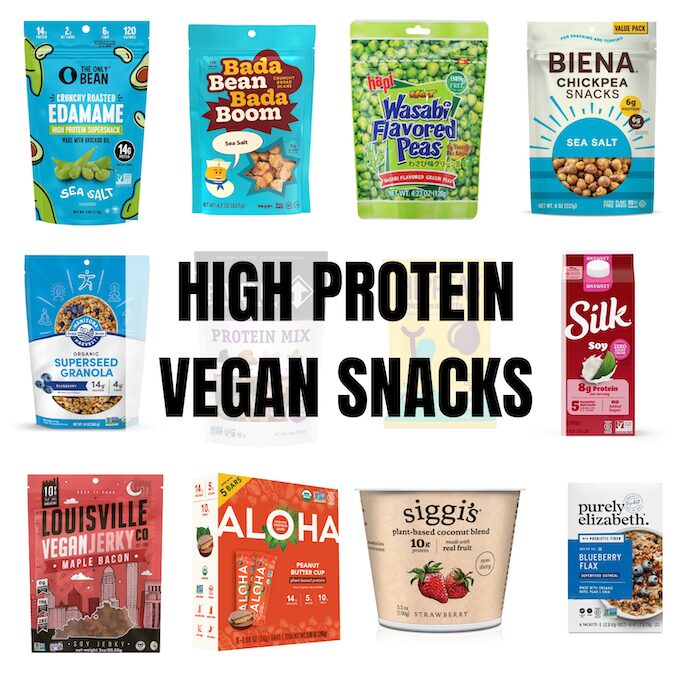
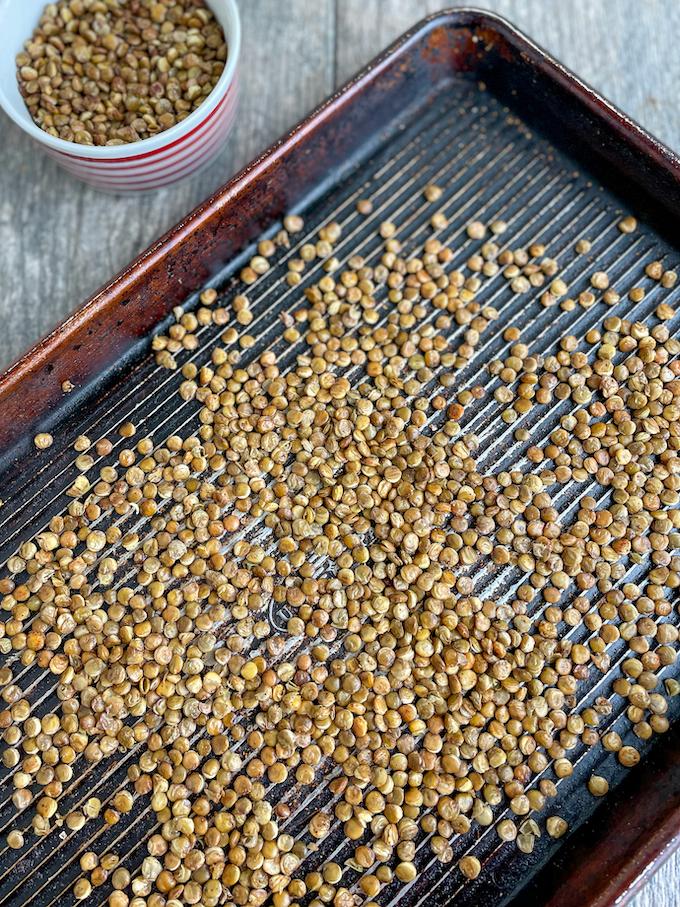
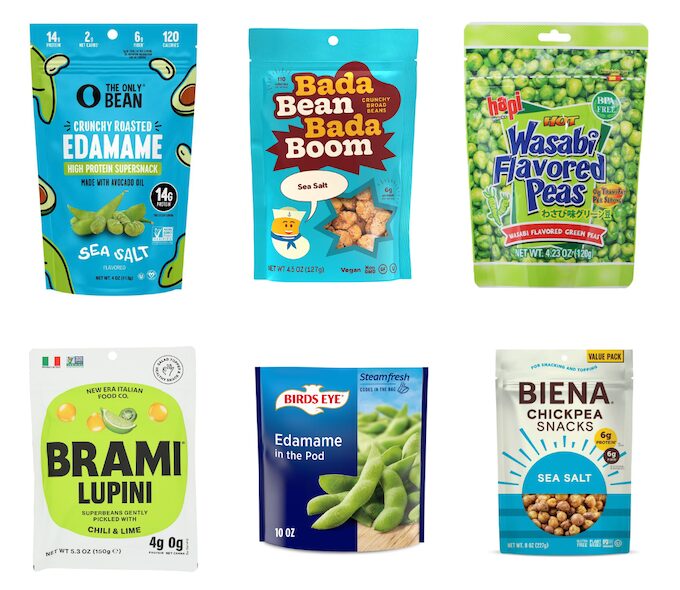
- Legumes and Pulses: Edamame, lentils, chickpeas, and lupini beans remain the gold standard for high-protein, fiber-dense snacks. These can be roasted for crunch or blended into dips.
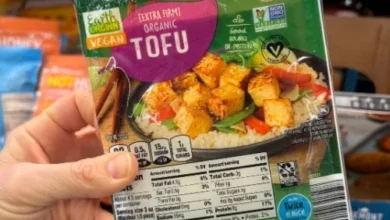
- Soy-Based Proteins: Tofu and tempeh are versatile staples. Air-frying firm tofu or incorporating silken tofu into smoothies can significantly boost the protein profile of a snack without adding significant caloric density.
- Seeds and Nuts: Hemp hearts, pumpkin seeds, and almonds provide both protein and essential omega-3 fatty acids. These are highly portable and ideal for on-the-go consumption.
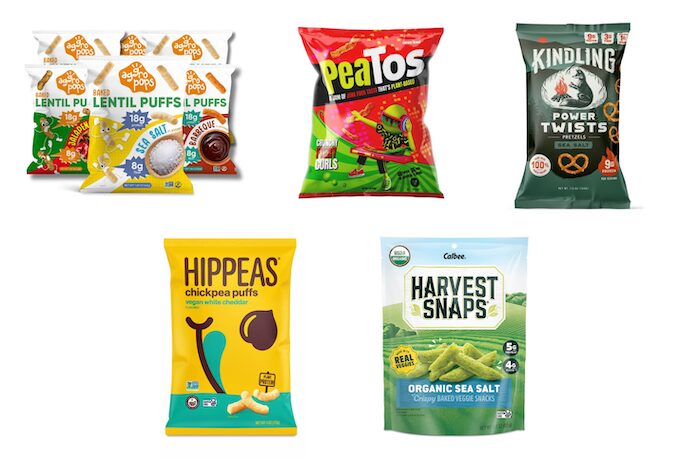
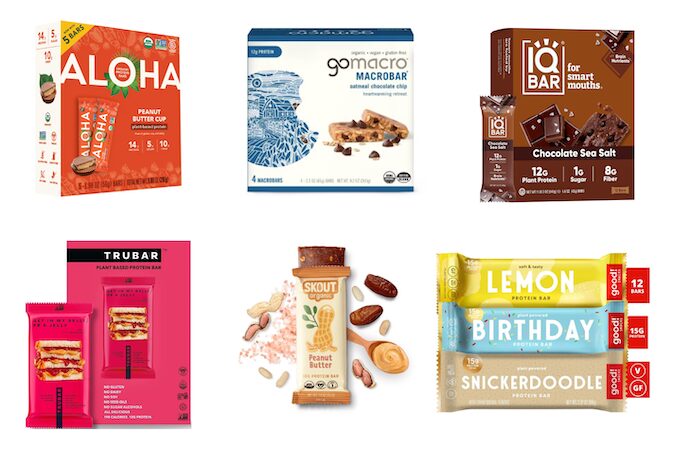
- Processed Alternatives: Modern food technology has introduced high-protein vegan crackers, pea-protein-based bars, and seitan-based jerky, which offer convenience for those with limited preparation time.
Economic and Dietary Considerations
A common critique of the plant-based lifestyle is the perceived high cost of specialized vegan products. However, data indicates that the most effective protein sources—beans, lentils, and bulk-purchased seeds—are among the most affordable items in the grocery store.
For example, a bag of dried lentils or a block of tofu costs a fraction of processed vegan protein bars. By utilizing budget-friendly ingredients, consumers can create homemade snacks such as roasted lentil medleys or bean-based dips, which are nutritionally superior to many pre-packaged alternatives that are often high in sodium and artificial additives.
Strategies for Soy-Free and Nut-Free Snacking
For individuals with specific allergies, the landscape of high-protein snacking remains robust. Those avoiding soy can rely on pea protein isolates, seitan (wheat gluten), and pumpkin seeds. Conversely, those avoiding nuts can utilize sunflower seeds, hemp hearts, and legume-based dips to reach their protein targets. Nutritional yeast serves as a versatile, protein-dense topping that provides a savory, umami flavor profile while contributing to the overall protein count of grain-based or vegetable-based snacks.
Building the Ideal Snack: A Combinatory Approach
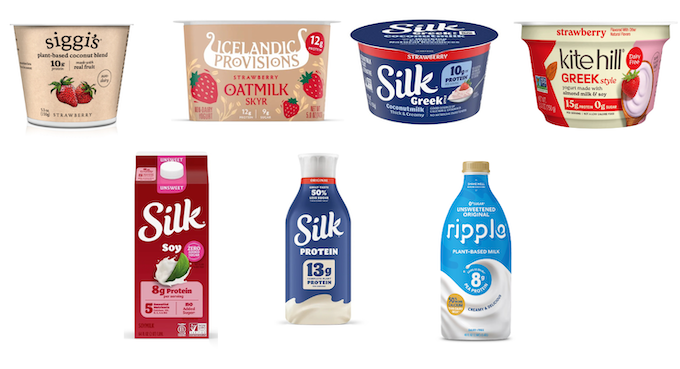
The most effective way to hit the 15–20g protein threshold is through "stacking" components. A single serving of yogurt, for instance, may only provide 5–8 grams of protein. However, when topped with a high-protein granola (such as those containing hemp or pea protein) and a tablespoon of hemp seeds, the snack’s total protein content can easily double.
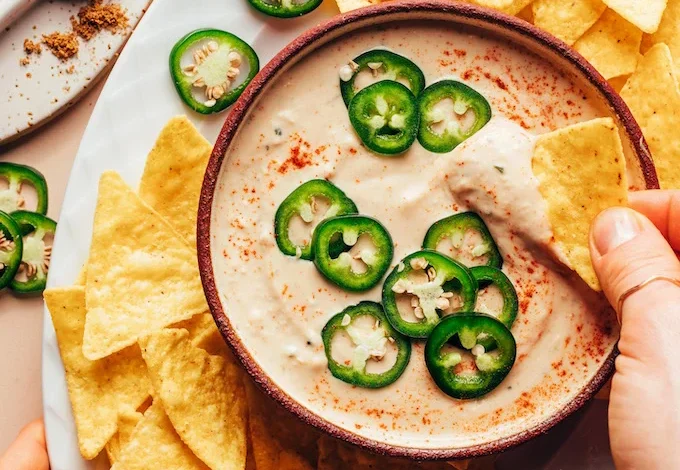
Similarly, pairing a simple carbohydrate—such as a piece of fruit—with a protein-dense dip, like a white bean and tahini spread, transforms a light snack into a functional, recovery-focused meal.
Implications for Long-Term Health
The broader implications of incorporating high-protein, plant-based snacks extend beyond simple satiety. Research in metabolic health suggests that consistent protein intake throughout the day, rather than in one or two large sittings, may improve muscle protein synthesis and aid in weight management.
For athletes and active individuals, the timing of these snacks relative to physical exertion is crucial. A snack consumed 30 to 60 minutes before a workout, or within two hours post-exercise, can maximize the benefits of the amino acids consumed.
Summary of Best Practices for Beginners
For those transitioning to a vegan diet, the sudden shift in snacking habits can be daunting. Experts recommend a three-step integration process:
- Inventory Assessment: Replace low-nutrient snacks like processed chips with high-protein alternatives like roasted chickpeas or edamame.
- Strategic Substitution: Swap standard grain-based products (such as white bread) for higher-protein alternatives like sprouted-grain breads (e.g., Ezekiel bread).
- Meal Prep Integration: Dedicate time each week to batch-cook protein sources. Preparing a batch of hummus, roasting a tray of chickpeas, or pre-portioning trail mix containing nuts and seeds ensures that a healthy option is always accessible, reducing the likelihood of relying on convenience foods during busy workdays or school hours.
Official Guidelines and Future Outlook
While there is no government-mandated requirement for "snack protein," the Dietary Guidelines for Americans consistently emphasize the importance of nutrient density. As the plant-based market continues to expand, consumers are encouraged to scrutinize labels for added sugars and sodium, which are often hidden in "healthy" protein bars.
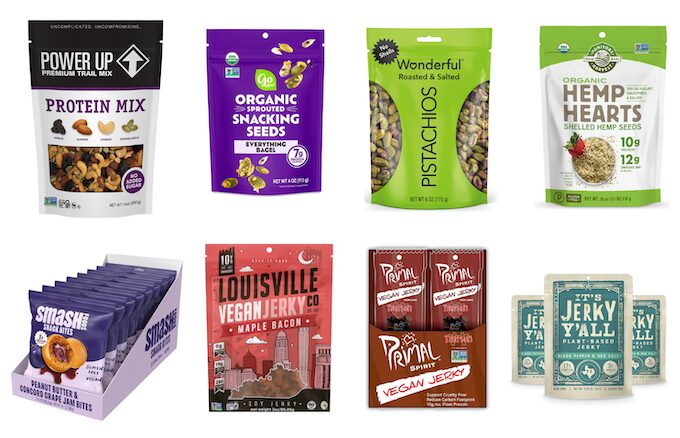
The shift toward whole-food plant proteins—beans, seeds, and legumes—is supported by clinical evidence suggesting that these foods provide a broader spectrum of phytochemicals and micronutrients than synthetic alternatives. As the demand for convenient, plant-based nutrition grows, the availability of these high-protein options is expected to increase, further lowering the barrier to entry for those seeking to optimize their diet through plant-based snacks.
Ultimately, the goal of snacking should be to provide consistent fuel to the body. By prioritizing protein-rich, fiber-filled, and nutrient-dense whole foods, individuals can successfully maintain their energy levels, support their physical health, and adhere to their dietary values without compromising on taste or convenience.