Blueberry Oat Breakfast Bars: A Convenient and Customizable Approach to On-the-Go Nutrition

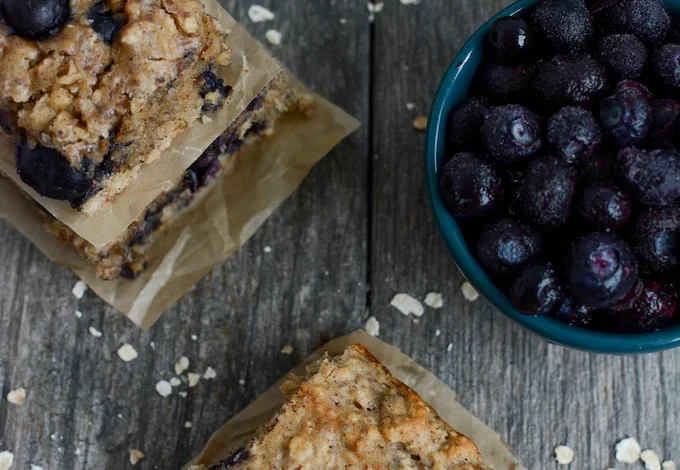
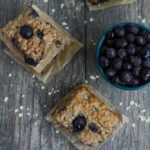
Blueberry Oat Breakfast Bars offer a remarkably simple and adaptable solution for busy individuals seeking a nutritious breakfast or a satisfying snack. These bars are designed for ease of preparation and can be conveniently frozen, making them an ideal option for meal prepping and ensuring a healthy choice is always within reach. The recipe highlights the versatility of oats and blueberries, two staple ingredients known for their nutritional benefits.
The growing demand for convenient, health-conscious food options has propelled the popularity of breakfast bars. With increasing awareness of the impact of diet on overall well-being, consumers are actively seeking alternatives to highly processed snacks. Blueberry Oat Breakfast Bars emerge as a compelling choice, providing a wholesome alternative that allows for significant customization to meet diverse dietary needs and preferences.
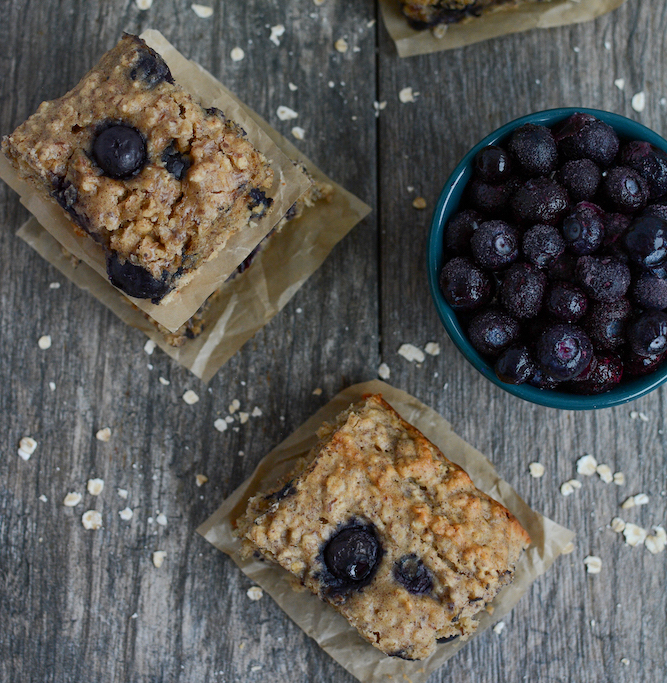
The Nutritional Foundation: Oats and Blueberries
Oats, particularly rolled or quick oats, form the backbone of these breakfast bars. They are a rich source of soluble fiber, specifically beta-glucan, which is scientifically linked to numerous health benefits. Studies published in journals such as the American Journal of Clinical Nutrition have demonstrated that regular consumption of beta-glucan can contribute to lower cholesterol levels, improved blood sugar control, and enhanced satiety, helping to manage appetite. Furthermore, oats provide essential vitamins and minerals, including manganese, phosphorus, magnesium, and B vitamins. The choice between rolled and quick oats primarily affects texture; quick oats are processed to be flatter and smaller, resulting in a more cohesive bar with less noticeable oat pieces, while rolled oats offer a more robust chew.
Blueberries are celebrated for their antioxidant properties, primarily due to their high concentration of anthocyanins, the pigments that give them their vibrant color. Research, including findings from the USDA Human Nutrition Research Center on Aging, indicates that these antioxidants may play a role in combating oxidative stress and inflammation in the body. Additionally, blueberries are a good source of Vitamin C and Vitamin K, contributing to immune function and bone health, respectively. The recipe accommodates both fresh and frozen blueberries, offering flexibility throughout the year. Frozen blueberries, when added directly to the batter without thawing, can help maintain their shape and prevent excessive bleeding of color, contributing to a more visually appealing final product.
Crafting the Perfect Bar: Key Considerations for Texture and Flavor
A common challenge with homemade breakfast bars is their tendency to crumble. The recipe authors emphasize a crucial step for achieving optimal texture: allowing the bars to cool completely before cutting. This period allows the ingredients to set and bind together effectively, minimizing breakage. Attempting to slice warm bars often results in a crumbly mess, diminishing their portability and appeal.
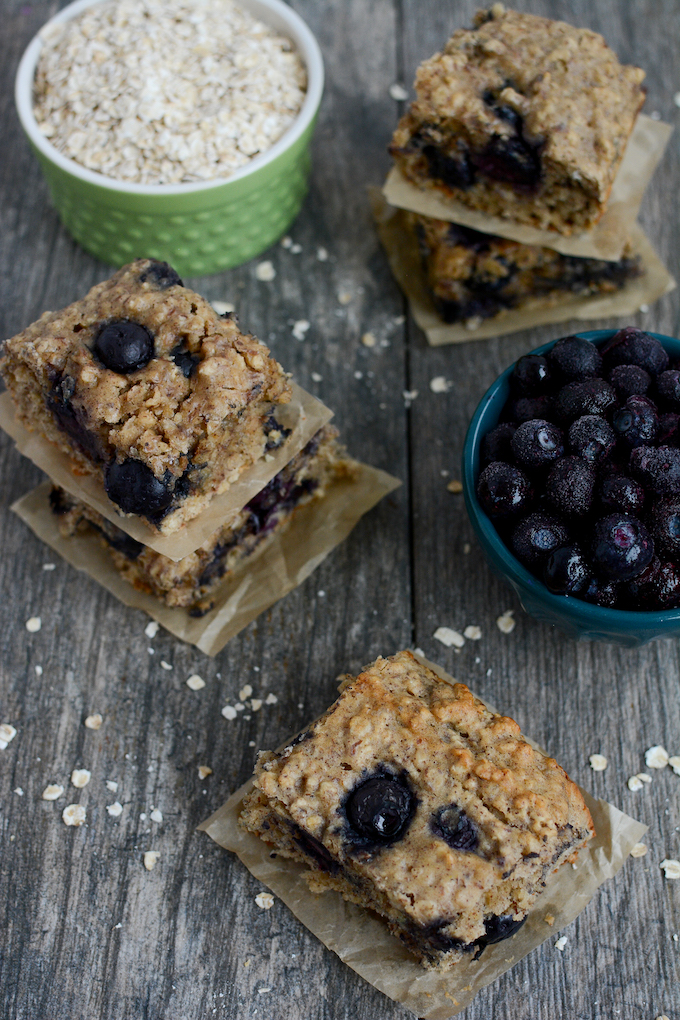
The base recipe incorporates Greek yogurt, which contributes not only to the moisture and texture of the bars but also offers a modest protein boost. For those seeking to further enhance the protein content, several options are presented. The inclusion of hemp seeds is a particularly effective strategy, as they are a complete protein source containing all nine essential amino acids and can be easily incorporated into baked goods without significantly altering the flavor profile. A brief analysis of hemp seeds reveals they are also rich in omega-3 and omega-6 fatty acids, further contributing to their nutritional value. Another suggestion involves a Greek yogurt drizzle as a topping, adding an extra layer of protein and a tangy counterpoint to the sweetness of the blueberries.
Sweetness is a customizable element within the recipe. While sugar is the primary sweetener, alternatives such as maple syrup or honey can be used. For those aiming to reduce added sugars, substituting a portion or all of the sugar with mashed banana or additional applesauce is recommended. This substitution not only reduces sugar content but also introduces natural sweetness and additional fiber from the fruit.
Expanding the Culinary Horizon: Flavor Variations and Dietary Adaptations
The inherent simplicity of the Blueberry Oat Breakfast Bar recipe lends itself to a wide array of flavor variations, catering to diverse palates and culinary explorations.
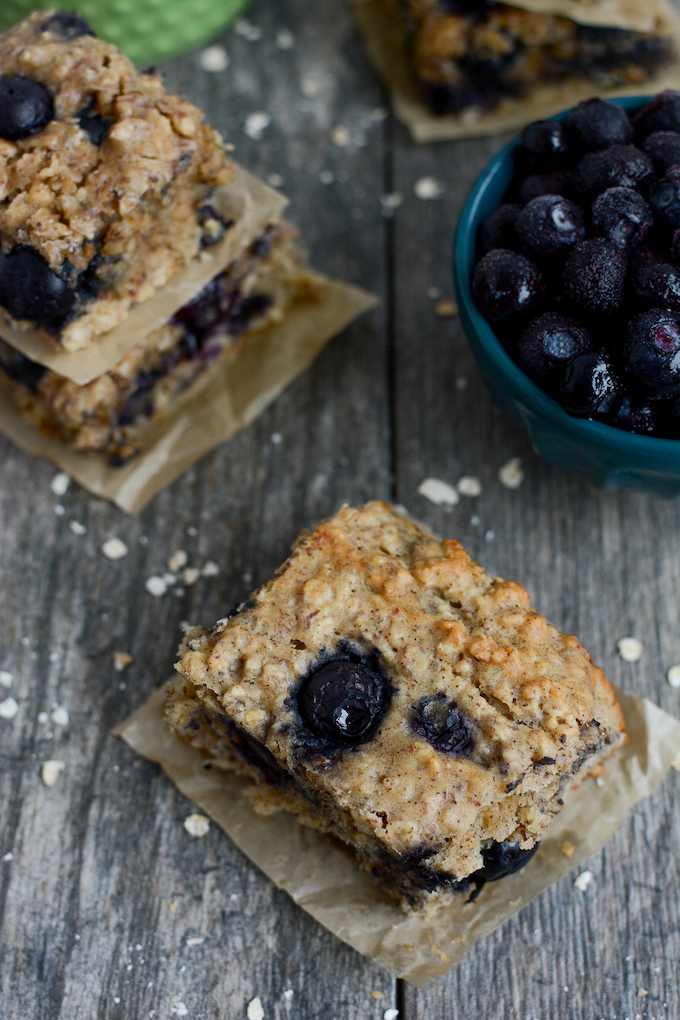
- Lemon Zest and Juice: A bright, citrusy twist can be achieved by incorporating lemon zest and juice. The aromatic oils in the zest provide a concentrated lemon flavor, while the juice adds a subtle tartness that complements the sweetness of the blueberries. This variation can be further enhanced with a lemon glaze, offering a delicate sweetness and a glossy finish.
- Enhanced Cinnamon: While the base recipe includes cinnamon, a common spice known for its warming notes and potential health benefits, enthusiasts can increase the quantity to amplify its presence. A pre-baking sprinkle of a cinnamon-sugar mixture can create a delightful crunchy topping.
- Almond Extract: Swapping vanilla extract for almond extract introduces a distinct nutty flavor that pairs exceptionally well with blueberries, offering a more sophisticated taste profile.
Recognizing the growing prevalence of dietary restrictions and preferences, the recipe provides clear guidance for adapting the bars to be gluten-free, dairy-free, and suitable for toddlers.
- Gluten-Free Adaptation: To ensure the bars are gluten-free, it is essential to use certified gluten-free oats and a 1:1 gluten-free flour blend. Brands like King Arthur’s Measure for Measure blend are often recommended for their reliable performance in baking. If flaxseed is used, ensuring it is also certified gluten-free is crucial for individuals with celiac disease.
- Dairy-Free Adaptation: For a dairy-free version, the Greek yogurt can be substituted with a plant-based yogurt alternative, such as almond, soy, or coconut yogurt. Alternatively, dairy-free milk can be used in place of yogurt.
- Toddler-Friendly Modifications: When preparing these bars for young children, opting for wild blueberries, which are smaller and more manageable, is a practical suggestion. Baking the mixture in mini muffin tins offers a less messy and easier-to-handle format for little hands. Substituting maple syrup with mashed banana or applesauce can also reduce the sugar content to a level more appropriate for toddlers.
Maximizing Nutritional Impact: Fiber and Protein Fortification
For individuals prioritizing a high-fiber intake, the recipe offers straightforward enhancements. Utilizing white whole wheat flour in place of all-purpose flour can significantly increase the fiber content. The inclusion of ground flaxseeds already contributes a substantial amount of fiber, and adding a few tablespoons of chia seeds can further boost this nutritional profile. Chia seeds are known for their exceptional fiber content and their ability to absorb liquid, which can contribute to the binding and texture of the bars.
To further elevate the protein content, beyond the aforementioned hemp seeds and Greek yogurt, other strategies include incorporating finely ground nuts or seeds like pumpkin seeds. Grinding them makes them less noticeable in texture while still contributing protein and healthy fats.
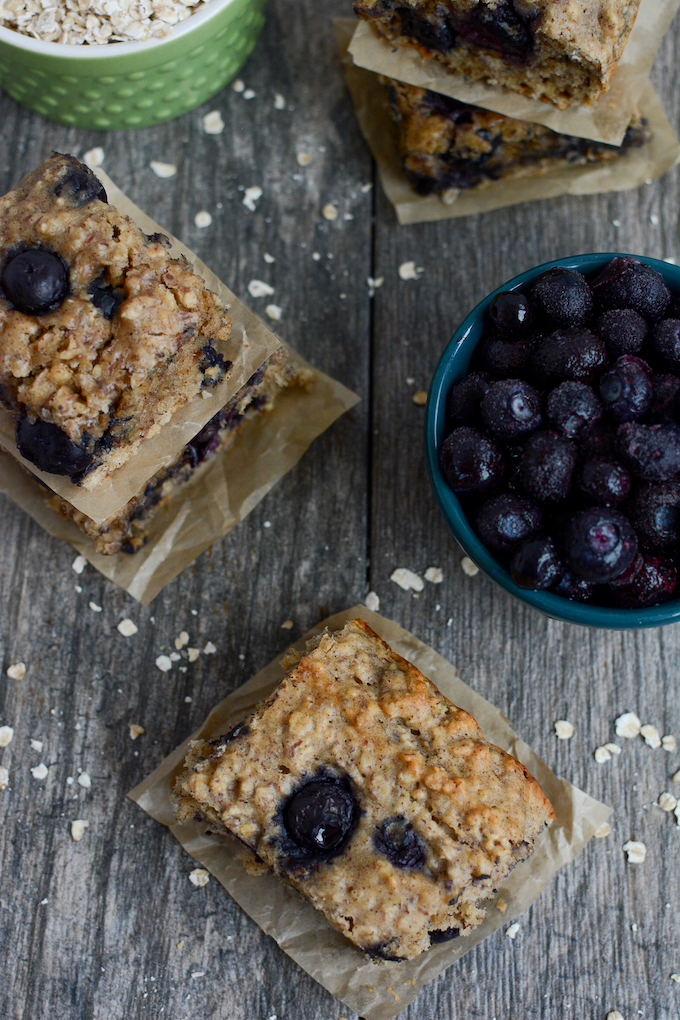
Storage and Longevity: Ensuring Freshness
The article provides practical advice on storing and preserving the Blueberry Oat Breakfast Bars. At room temperature, the bars are best consumed within 2-3 days, particularly in warmer climates, as their moisture content can make them susceptible to mold. For longer storage, refrigerating the bars is recommended, and they can be enjoyed for 3-4 days.
Freezing offers an extended storage solution. Once cooled and cut, the bars can be placed in a freezer-safe bag. Thawing can be done by leaving them at room temperature for a short period or by briefly microwaving them for 15-30 seconds. This makes them an excellent make-ahead option for busy mornings or unexpected cravings.
Comparative Analysis: Homemade vs. Store-Bought
The article implicitly champions homemade breakfast bars over their commercially produced counterparts, highlighting the control consumers have over ingredients. This allows for a reduction in added sugars, a significant increase in fiber, and the assurance of using wholesome components. A brief analysis of the typical nutritional labels of store-bought breakfast bars often reveals higher levels of refined sugars, artificial preservatives, and lower fiber content compared to homemade versions. This empowers consumers to create a product that aligns precisely with their health goals.
Conclusion: A Versatile and Wholesome Choice
Blueberry Oat Breakfast Bars represent more than just a recipe; they embody a flexible approach to healthy eating. Their ease of preparation, adaptability to various dietary needs, and potential for customization make them a valuable addition to any kitchen. As consumers continue to prioritize health and convenience, these bars stand out as a practical and nutritious solution for busy lifestyles, offering a delightful way to incorporate beneficial ingredients like oats and blueberries into daily routines. The recipe, as presented, serves as a foundational guide, inviting individuals to experiment and personalize their creations to suit their unique preferences and nutritional objectives.