The Ultimate Guide to Sustainable and Ethical Footwear Brands in the UK

The global footwear industry currently faces a profound sustainability crisis, characterized by high-volume production, intensive resource consumption, and significant waste generation. With approximately 24 billion pairs of shoes manufactured annually, the environmental footprint of the sector is staggering. Research indicates that the majority of modern footwear is constructed from non-biodegradable synthetic materials, leading to a situation where roughly 90% of discarded shoes end up in landfills, where they may persist for over a millennium. Beyond the issue of waste, the traditional manufacturing process—specifically the heavy reliance on chromium-tanned leather—poses a significant threat to global water supplies due to the release of toxic heavy metals into ecosystems. As consumer awareness grows, a burgeoning market of ethical and sustainable footwear brands in the United Kingdom is emerging to address these systemic failures through circular design, fair-trade practices, and innovative material sourcing.
The Environmental Toll of Conventional Footwear Production
The production cycle of a standard pair of sneakers involves complex supply chains that often bypass rigorous environmental oversight. Chromium tanning, a process used to treat the vast majority of leather globally, remains a primary concern for environmental scientists. When improperly managed, chromium effluent leaches into groundwater, posing severe risks to local communities and biodiversity. Furthermore, the reliance on virgin plastics and petroleum-based foams for midsoles and outsoles contributes to the broader plastic pollution crisis.
The industry’s "take-make-waste" model is increasingly under scrutiny. According to industry reports, the carbon footprint of a single pair of sneakers is estimated to be roughly 14 kilograms of CO2, a figure that includes raw material extraction, manufacturing, and transport. As the UK government and international bodies tighten regulations regarding supply chain transparency and corporate responsibility, brands are being forced to pivot toward more sustainable alternatives.
A Chronology of the Sustainable Shift
The transition toward ethical footwear did not occur overnight. The early 2010s marked a significant turning point, characterized by the rise of the B-Corp movement and a shift in consumer sentiment favoring radical transparency.
- 2012: Vivobarefoot was founded by seventh-generation cobblers, emphasizing a shift toward minimalist design and the use of natural, recycled, and bio-synthetic materials.
- 2015: The United Nations adopted the Sustainable Development Goals (SDGs), placing pressure on the fashion industry to address labor conditions and environmental impacts by 2030.
- 2020–2022: The COVID-19 pandemic catalyzed a re-evaluation of supply chains, with many European manufacturers moving production closer to home to reduce carbon emissions and ensure compliance with EU labor standards.
- 2025: The current landscape now features a robust ecosystem of UK-based or UK-accessible brands that prioritize circularity, such as the implementation of resale platforms and the use of FSC-certified rubber.
Key Players in the Sustainable Footwear Market
Several brands have emerged as leaders in demonstrating that style and environmental stewardship are not mutually exclusive.
Ethletic and the Fairtrade Model
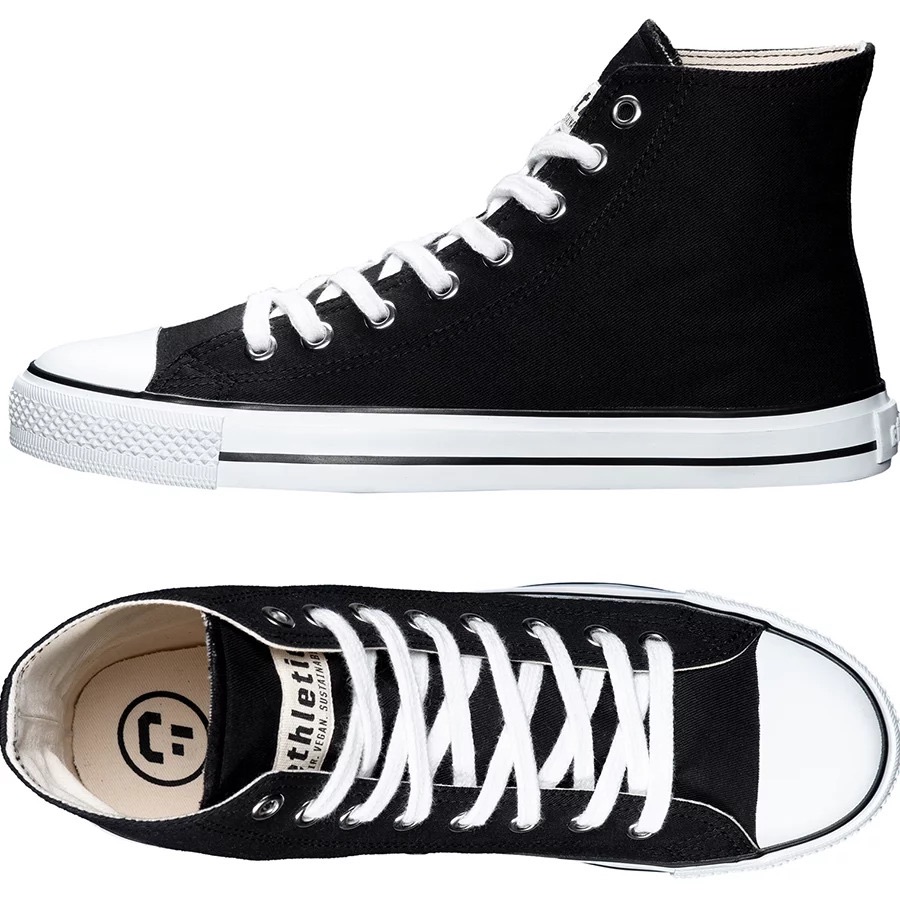
Ethletic has distinguished itself by focusing on the supply chain’s social foundations. By utilizing organic cotton and FSC-certified natural rubber, the company ensures that the raw materials are harvested in a way that preserves forest ecosystems. Their "Fairtrade rubber project" is particularly notable; it pays a social premium to rubber tappers, allowing local communities to invest in their own infrastructure, healthcare, and education. This model challenges the industry standard of suppressing labor costs to maximize retail margins.
Wills Vegan Store: European Manufacturing Standards
Wills Vegan Store operates on the principle that ethical labor and environmental sustainability go hand-in-hand. By manufacturing exclusively in Italy and Portugal, the brand ensures that all production adheres to stringent European Union employment, health, and safety laws. Their material selection—which includes vegan leathers derived from bio-oils sourced from Northern European cereal crops—demonstrates a commitment to reducing reliance on petroleum-based synthetics.

Novesta and Localized Production
The Slovakian brand Novesta highlights the benefits of regionalized manufacturing. By producing their footwear in Slovakia, the brand significantly reduces the carbon emissions associated with global shipping. Their reliance on traditional craftsmanship, combined with the use of natural rubber and cotton, offers a durable, high-quality alternative to mass-produced footwear.
Vivobarefoot and the Circular Economy
As a certified B-Corp, Vivobarefoot has institutionalized its commitment to the environment. The company has pioneered the "ReVivo" platform, a circular marketplace for refurbished and repaired footwear. By extending the lifecycle of a shoe, the company actively combats the "throwaway culture" that plagues the industry. Their use of algae-based foams serves as a testament to the potential of biomimicry in footwear engineering.

Veja, Flamingos Life, and Good News
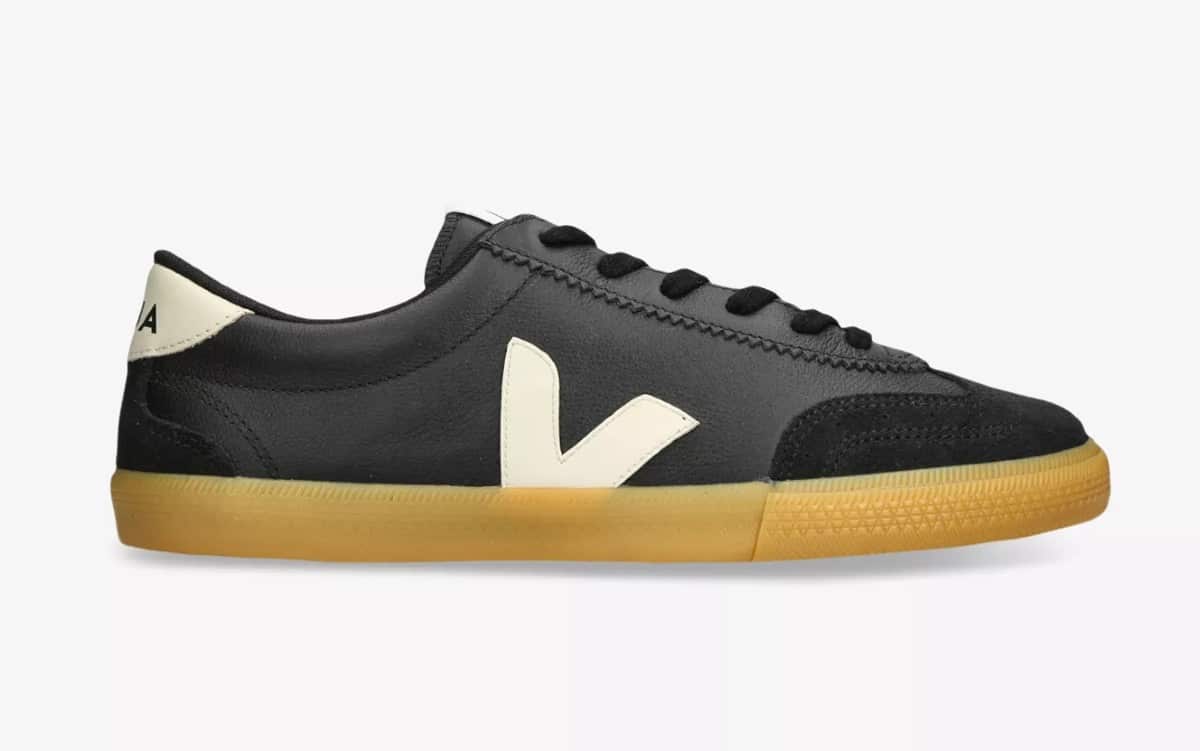
These brands represent the diversification of sustainable footwear. Veja has become a household name by proving that high-end design can coexist with fair-trade procurement of wild rubber and organic cotton. Flamingos Life differentiates itself through aggressive reforestation efforts, planting five trees for every purchase made, effectively turning a retail transaction into a restorative act. Meanwhile, Good News focuses on the "second life" of materials, utilizing recycled car tires and rubber waste for their outsoles, thereby diverting industrial waste from landfills.
Analysis of Implications for the Future
The shift toward sustainable footwear has significant implications for the broader retail sector. Firstly, it forces a transparency requirement on all manufacturers. As consumers gain access to data regarding the lifecycle of their products, companies that fail to provide evidence of ethical sourcing will likely face reputational damage.
Secondly, the rise of the resale and repair economy, as exemplified by Vivobarefoot’s ReVivo, suggests that the future of the footwear industry will move away from ownership toward product stewardship. If a manufacturer is responsible for the shoe’s end-of-life process, they are incentivized to design for longevity rather than obsolescence.
Finally, the economic viability of these brands challenges the misconception that sustainable goods must be prohibitively expensive. Many of the aforementioned brands maintain competitive price points, proving that ethical manufacturing is a matter of corporate priority rather than an inevitable cost-prohibitor.

Conclusion: The Consumer’s Role
While brands are improving their methodologies, the most effective strategy for reducing one’s environmental impact remains the preservation of existing goods. Repairing, cleaning, and extending the life of current footwear is the most sustainable choice available to the consumer. However, when a replacement is necessary, the current market offers a wealth of options that prioritize human rights, ecological health, and material innovation. By choosing brands that align with these values, consumers can exert collective pressure on the wider industry, accelerating the transition toward a more sustainable, equitable future for global footwear production. As the industry continues to evolve, the distinction between "sustainable" and "conventional" will likely blur, but for now, conscious purchasing remains the most powerful tool for systemic change.
Related posts: