A Lighter Take on Tradition: The Rise of Shepherd’s Pie with Cauliflower Crust in Modern Family Kitchens

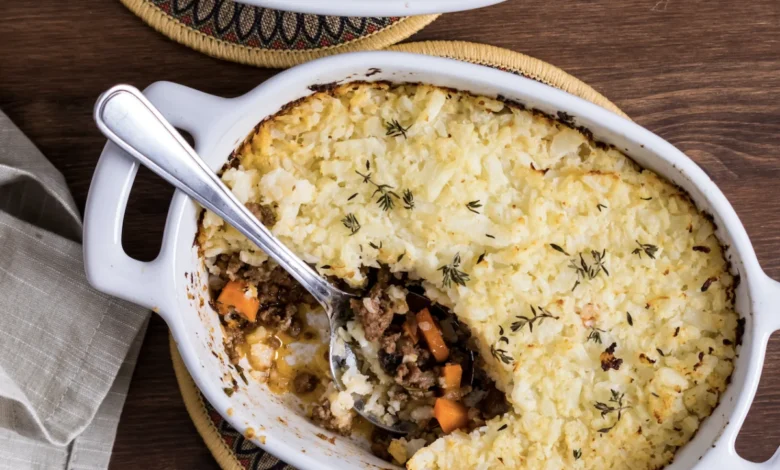
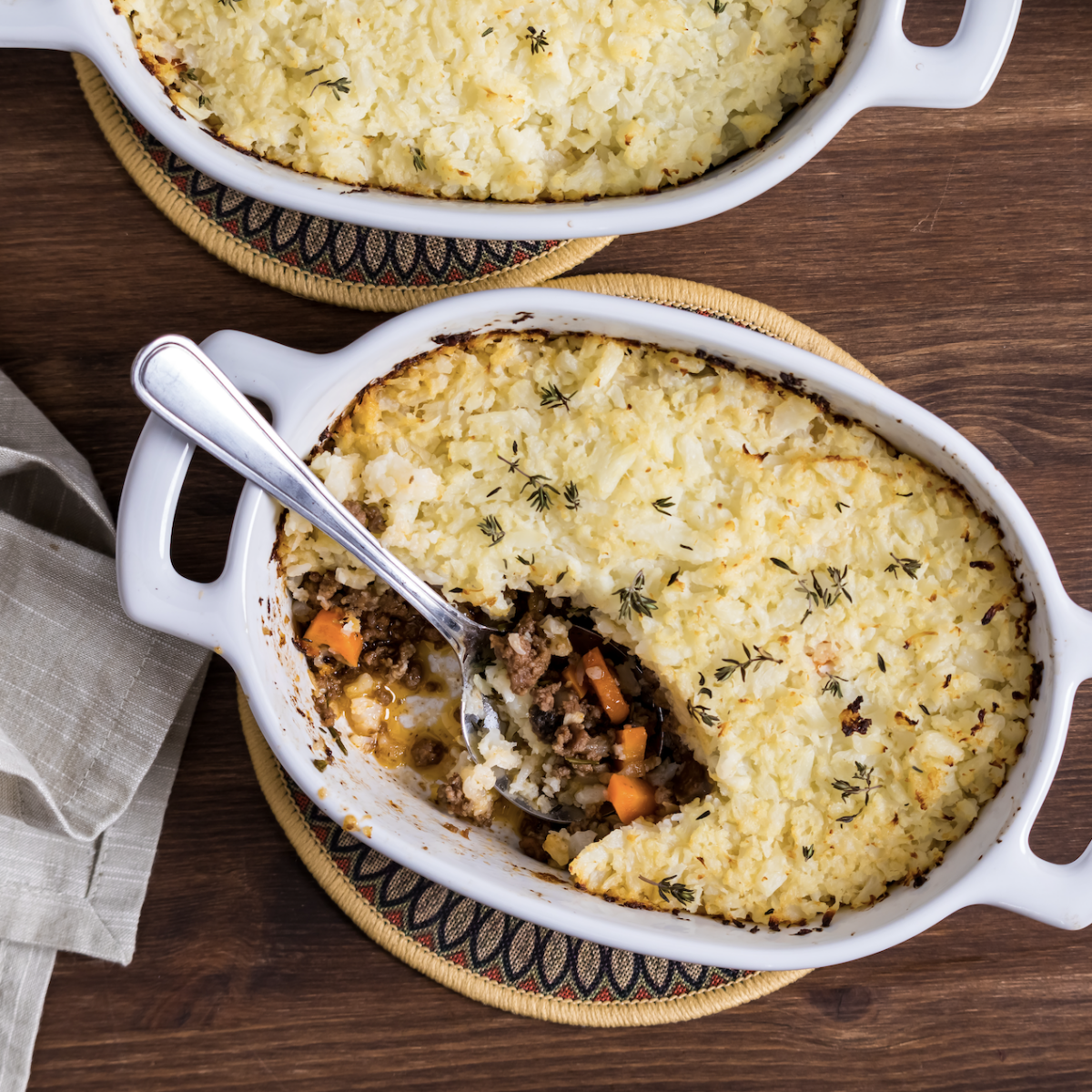
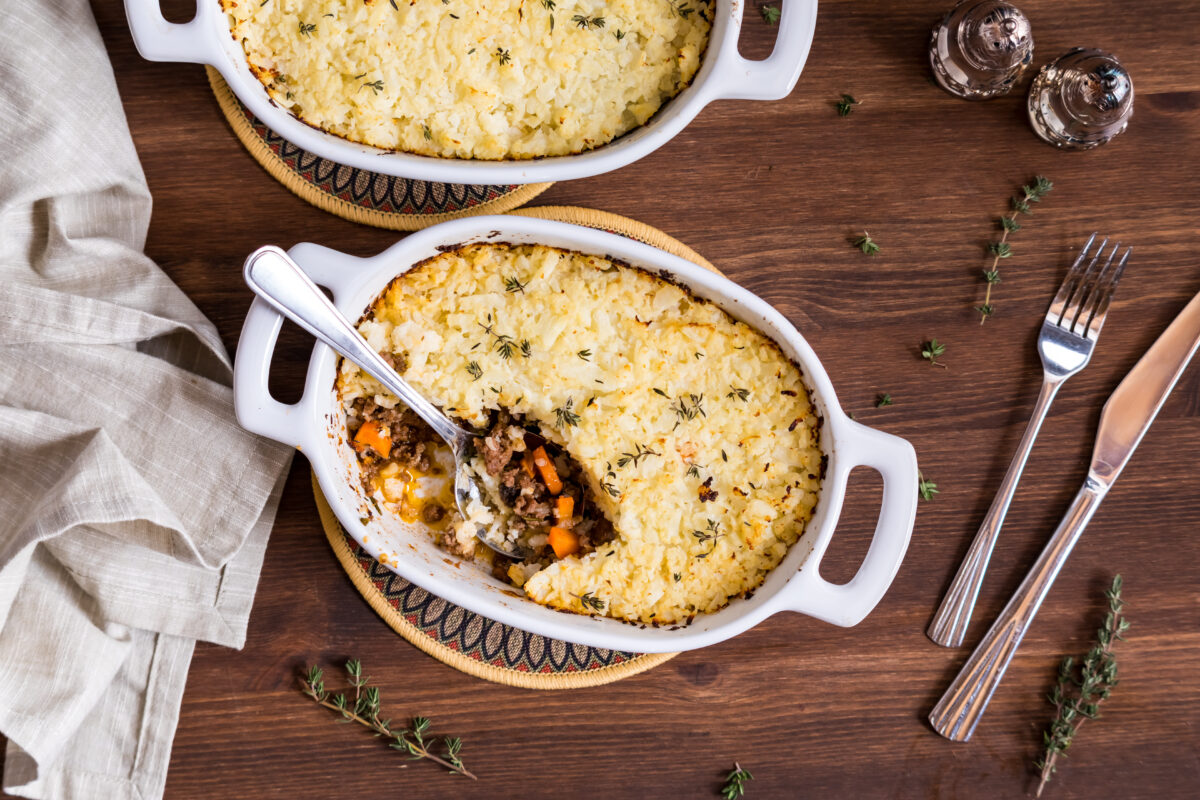
Culinary traditions often undergo transformation as nutritional awareness evolves and dietary preferences shift toward vegetable-forward options. A prominent example of this contemporary adaptation is the introduction of Shepherd’s Pie with Cauliflower Crust, a dish that reinterprets a classic British comfort food by substituting traditional carbohydrate-heavy mashed potatoes with a nutrient-dense, low-carbohydrate cauliflower mash. This evolution reflects broader consumer trends in domestic cooking, where home cooks increasingly seek comfort foods that align with health-conscious lifestyles without compromising on flavor or heartiness.
Understanding the Origins and Evolution of the Dish
To appreciate the significance of this culinary variation, it is necessary to examine the history of the original dish. Traditional shepherd’s pie originated in the rural communities of the British Isles during the late 18th century as a resourceful method for utilizing leftover roasted meats. Historically, shepherd’s pie strictly designated a casserole made with ground lamb—referencing the occupation of a shepherd—while variations utilizing ground beef were classified as cottage pies. Over generations, however, the terminology converged in North America and other international markets, where the designation shepherd’s pie frequently applies to both red meat variations.
The core structure of the dish has remained remarkably consistent over centuries: a savory base consisting of ground meat, onions, carrots, peas, and a rich gravy, capped by a thick layer of mashed starchy tubers and baked until golden brown. The modern substitution of potatoes with cauliflower represents a significant structural shift. Driven by the popularity of ketogenic, low-glycemic, and gluten-free dietary frameworks, home cooks and culinary professionals alike have sought viable alternatives to starchy ingredients. Cauliflower, recognized for its neutral flavor profile and ability to mimic creamy textures when puréed, emerged as the primary vehicle for this culinary transition.
Nutritional Profile and Dietary Implications
Nutritionists and dietitians frequently advocate for vegetable substitutions to increase daily micronutrient intake. Traditional mashed potato toppings, while rich in potassium and energy, contribute significantly to carbohydrate loads and glycemic indexes. Conversely, cauliflower belongs to the cruciferous vegetable family, which is celebrated for containing high concentrations of vitamins C and K, folate, and dietary fiber, alongside powerful antioxidants such as glucosinolates.
When integrated into a protein-rich casserole containing lean meats and legumes, cauliflower mash significantly alters the nutritional composition of the meal. By reducing the overall carbohydrate density, the dish accommodates individuals managing metabolic conditions, insulin resistance, or those adhering to specific weight-management protocols. Furthermore, incorporating Greek yogurt and Parmesan cheese into the cauliflower purée—standard practices in modern recipes—adds crucial calcium and high-quality dairy protein, ensuring that the topping retains a rich, satisfying mouthfeel without relying heavily on heavy cream or excessive butter.
Culinary Techniques for Mastering Cauliflower Mash
Despite its nutritional advantages, substituting cauliflower for potatoes presents distinct culinary challenges, primarily related to water content. Botanically, cauliflower is composed of approximately 92 percent water, whereas potatoes possess a significantly lower moisture ratio. If not properly addressed, excess water can destabilize the structural integrity of the casserole, resulting in a runny filling and a watery crust that fails to brown correctly during the baking process.
Professional chefs and culinary researchers emphasize rigorous moisture extraction as the defining step in preparing successful cauliflower-based bakes. Standard methodology dictates that after boiling or steaming the vegetable until tender, it must undergo thorough draining. To eliminate residual moisture, culinary experts recommend returning the drained cauliflower to a warm pot over low heat for one to two minutes, allowing residual water to evaporate. Alternative techniques include utilizing a clean kitchen towel or cheesecloth to wring out excess liquid physically.
To achieve a velvety consistency without a food processor, home cooks may employ an immersion blender or a traditional potato masher, though mechanical blending generally yields the smoothest emulsion. Integrating binding agents such as grated Parmesan cheese or a small quantity of cornstarch can further stabilize the mixture, ensuring it retains its form when sliced and served.
Integration into Modern Meal Planning and Food Preservation
In contemporary household management, the demand for efficient meal preparation has escalated. Busy work schedules and hectic family routines necessitate dinners that can be assembled in advance, frozen, or scaled for multiple servings. The cauliflower-crusted shepherd’s pie aligns seamlessly with these domestic demands.
Data from household consumer studies indicate a rising preference for batch cooking and freezer-friendly meals as a strategy to mitigate food waste and reduce weekly dining expenses. Casseroles inherently lend themselves to advance preparation. A completely assembled shepherd’s pie can be refrigerated for up to twenty-four hours prior to baking, or frozen for up to three months.
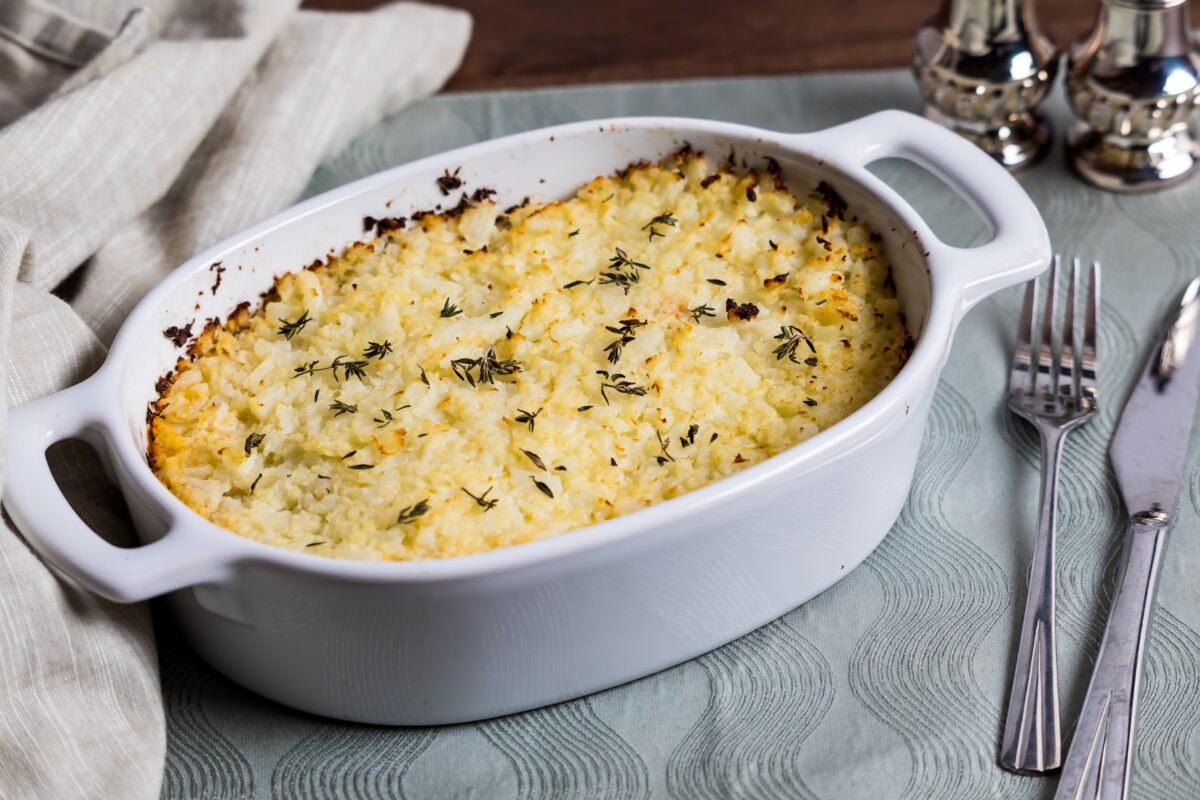
However, food safety and quality guidelines dictate specific handling procedures for frozen cruciferous dishes. Because frozen vegetables release cellular water upon thawing, individuals opting to freeze the casserole must ensure the cauliflower topping is exceptionally dry before assembly. Upon thawing, any surface moisture should be gently blotted with paper towels prior to placing the dish in the oven to ensure proper caramelization of the crust.
Socioeconomic and Market Trends in Vegetable Substitutions
The proliferation of recipes utilizing cauliflower crusts and mashes is not merely a passing social media trend; it is supported by broader agricultural and retail data. Over the past decade, commercial production and consumption of cauliflower have expanded exponentially. According to agricultural market reports, retail sales of cauliflower-based convenience products—ranging from pizza crusts to frozen purées—have experienced steady annual growth, driven by consumer desire for convenient health foods.
Food industry analysts attribute this shift to changing consumer demographics. Millennials and Generation Z consumers exhibit a higher propensity to experiment with alternative ingredients and functional foods. The culinary adaptability of cauliflower has positioned it as a staple ingredient in the modern pantry, transcending its historical role as a simple side dish to serve as the structural foundation for complex main courses.
Expert Perspectives and Culinary Adaptability
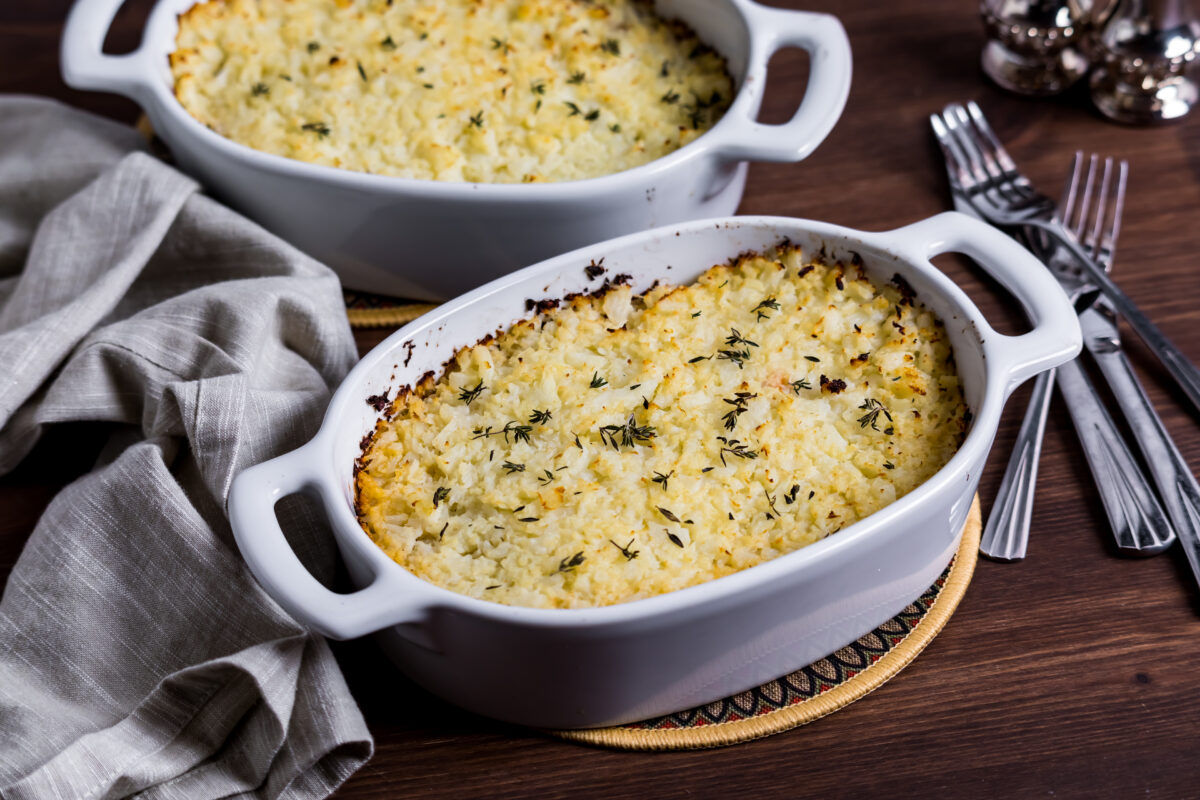
Culinary educators and cookbook authors frequently highlight the versatility of the shepherd’s pie framework as a primary reason for its enduring popularity. The dish acts as a blank canvas for dietary personalization. For households adhering to plant-based diets, the ground meat can be seamlessly replaced with nutrient-dense lentils, mushrooms, or texturized vegetable protein, combined with vegetable broths to maintain the rich umami profile characteristic of the traditional recipe.
Moreover, the incorporation of secondary vegetables—such as finely diced celery, parsnips, or frozen peas—allows families to maximize their daily vegetable intake stealthily. For parents navigating picky eating behaviors in children, dishes like cauliflower-topped shepherd’s pie offer a practical solution, integrating essential nutrients into a familiar, comforting format.
Broader Impact on Domestic Cooking Habits
The sustained interest in lighter comfort foods signals a permanent shift in how traditional recipes are interpreted in the 21st century. As culinary knowledge becomes increasingly accessible through digital platforms, home cooks are no longer bound by rigid historical definitions of comfort food. Instead, they are empowered to modify classic dishes to suit modern nutritional science and personal health objectives.
The evolution of shepherd’s pie—from its humble origins as peasant fare utilizing leftover mutton and potatoes to a sophisticated, vegetable-forward casserole utilizing cauliflower—illustrates the dynamic nature of domestic cuisine. By balancing nutritional innovation with the psychological comfort associated with traditional family meals, dishes of this nature secure their relevance in contemporary kitchens for generations to come.