How to Set Up a Starting Solids Feeding Schedule for Babies 6+ Months Old


The transition from a milk-exclusive diet to the introduction of solid foods is a significant developmental milestone in an infant’s life, typically occurring around six months of age. For parents and caregivers, this period necessitates a recalibration of daily routines to ensure that the infant receives adequate nutrition while simultaneously developing essential oral-motor skills. Balancing breast milk or formula intake with solid food meals requires a strategic approach, as there are only 24 hours in a day, and the objective is to harmonize nutritional needs with the infant’s natural sleep and activity cycles.

According to pediatric nutrition guidelines, infants at six months of age require breast milk or formula as their primary source of nutrition, typically consuming between 28 and 32 ounces daily. As the infant matures toward 12 months, the role of solid food increases, eventually replacing milk as the primary caloric source. Establishing a structured yet flexible feeding schedule is essential for supporting this transition, preventing mealtime frustration, and ensuring that infants develop the necessary coordination to chew and swallow varied textures.
The Developmental Timeline for Introducing Solids
The introduction of solids is not a uniform process but rather a gradual evolution of dietary habits. At six months, the focus is on exploration and skill acquisition rather than volume. Most infants begin with one or two meals per day. By nine months, pediatric dietitians generally recommend that infants progress to three solid meals daily. This progression is critical; failing to offer a variety of textures and opportunities for self-feeding during this window may hinder an infant’s ability to adapt to complex food structures later in toddlerhood.
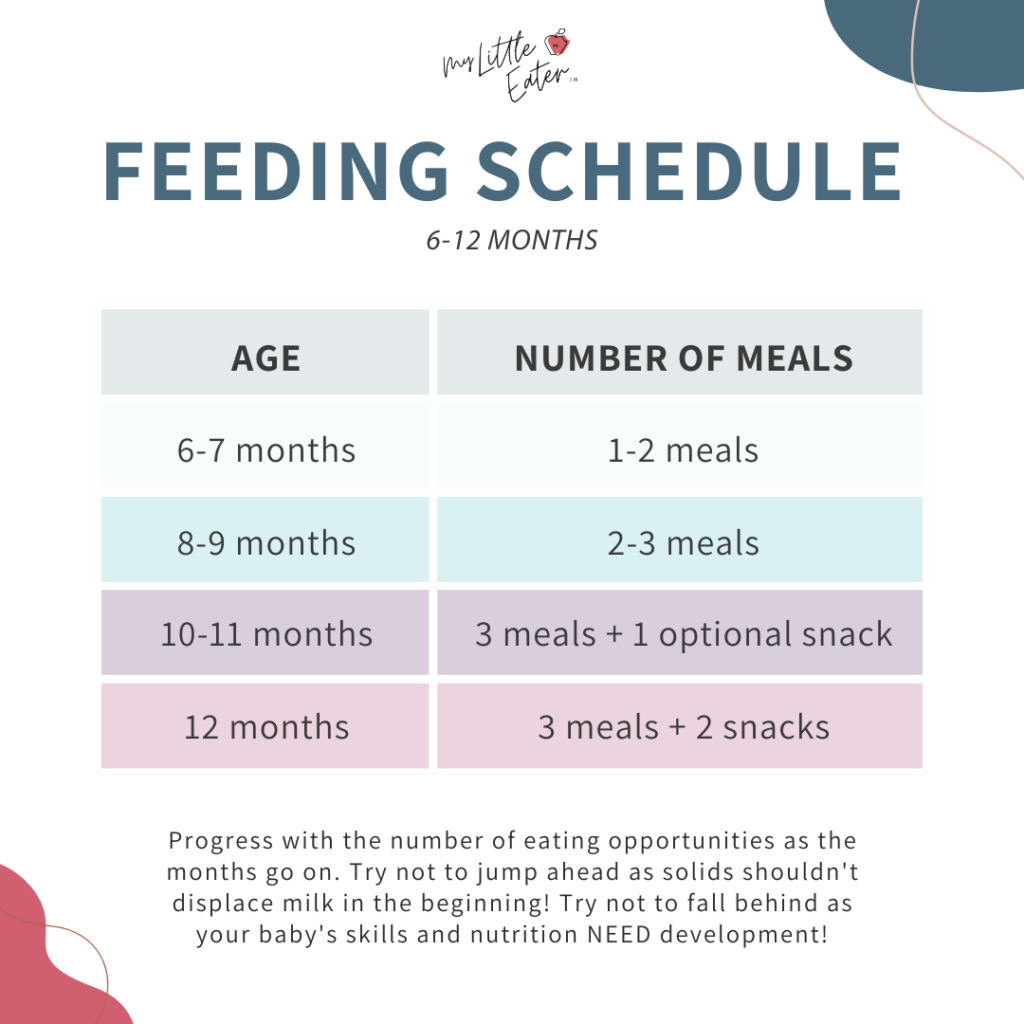
Between six and seven months, the schedule remains milk-heavy, with five to six nursing or bottle sessions distributed throughout the day. Solid meals should be introduced approximately 30 to 90 minutes after a milk feed. This timing is deliberate: if solids are offered too soon after milk, the infant may be too satiated to show interest; if offered too late, the infant may be too hungry and, consequently, too frustrated to engage in the learning process of eating.
Structuring the Daily Routine by Age
As infants move into the 8-to-9-month range, their caloric needs remain largely met by milk (24–32 ounces), but their capacity for solid food increases. At this stage, introducing "Phase 3" textures—thicker purees or soft, mashable finger foods—is vital for chewing practice. A standard schedule at this age typically involves three solid meals—breakfast, lunch, and supper—spaced appropriately between four to five milk feedings.

By 10 to 11 months, the dietary landscape shifts further. Many infants can begin consuming modified versions of family meals, provided they do not pose choking hazards. Milk intake usually dips to 18–24 ounces. At 11 to 12 months, the transition accelerates. Many infants move toward three meals and one or two snacks per day, with milk intake further decreasing to 12–24 ounces. This phase is characterized by a gradual move toward table foods as the infant prepares for the nutritional requirements of the second year of life.

Analysis of Nutritional Balance and Choking Hazards
A core concern for parents is ensuring that the inclusion of solids does not negatively impact the infant’s overall growth or caloric intake. If an infant begins to forgo milk in favor of solids prematurely, or conversely, if they remain too full on milk to explore foods, the balance must be adjusted. Pediatric experts emphasize that while milk volume can be reduced, the frequency of solid food exposure should not be curtailed. The practice of eating is a learned skill that cannot be retroactively acquired.
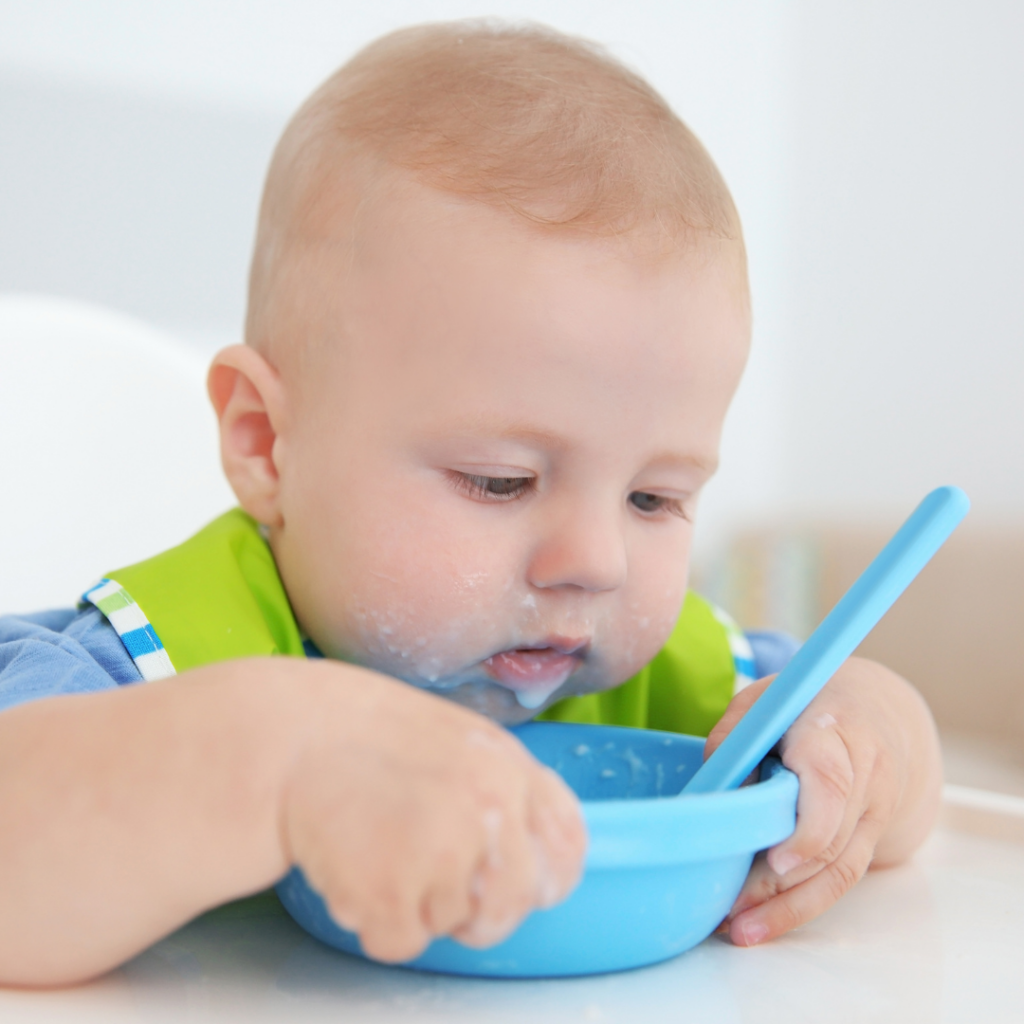
Safety remains the paramount consideration during this transition. Parents are advised to strictly monitor for choking hazards, avoiding high-risk foods such as whole grapes, raw carrots, or large chunks of meat, which must be modified to appropriate sizes and textures. Furthermore, the introduction of highly allergenic foods—such as peanuts, eggs, or dairy—should ideally occur during morning or early afternoon meals. This timing allows caregivers to monitor the infant for any signs of allergic reactions during the hours they are awake, rather than having the infant consume these foods immediately before sleep.
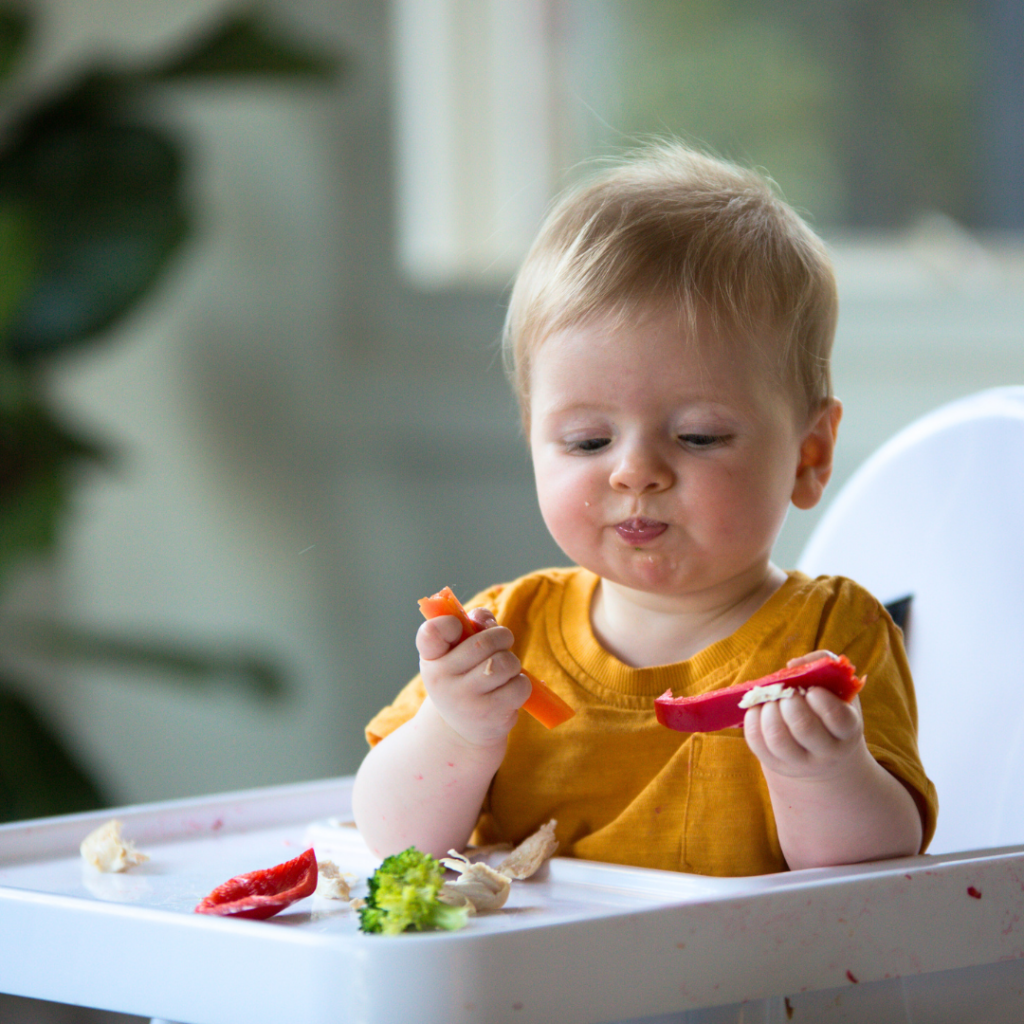
Customizing Schedules for Individual Needs
No single schedule fits every child. Factors such as the infant’s specific sleep patterns, teething, growth spurts, and individual temperament dictate the success of any feeding routine. Caregivers should use sample schedules as a foundational framework rather than a rigid mandate. If an infant wakes later than the suggested morning time, the entire daily schedule—including nap times and meal times—should be shifted forward accordingly.

Responsive feeding is the cornerstone of this process. This means paying close attention to an infant’s hunger and fullness cues. Signs of hunger include rooting, sucking on hands, or becoming excited when food is presented, while signs of fullness include turning the head away, pushing the spoon away, or closing the mouth. Ignoring these cues can lead to negative associations with mealtimes and exacerbate picky eating habits.
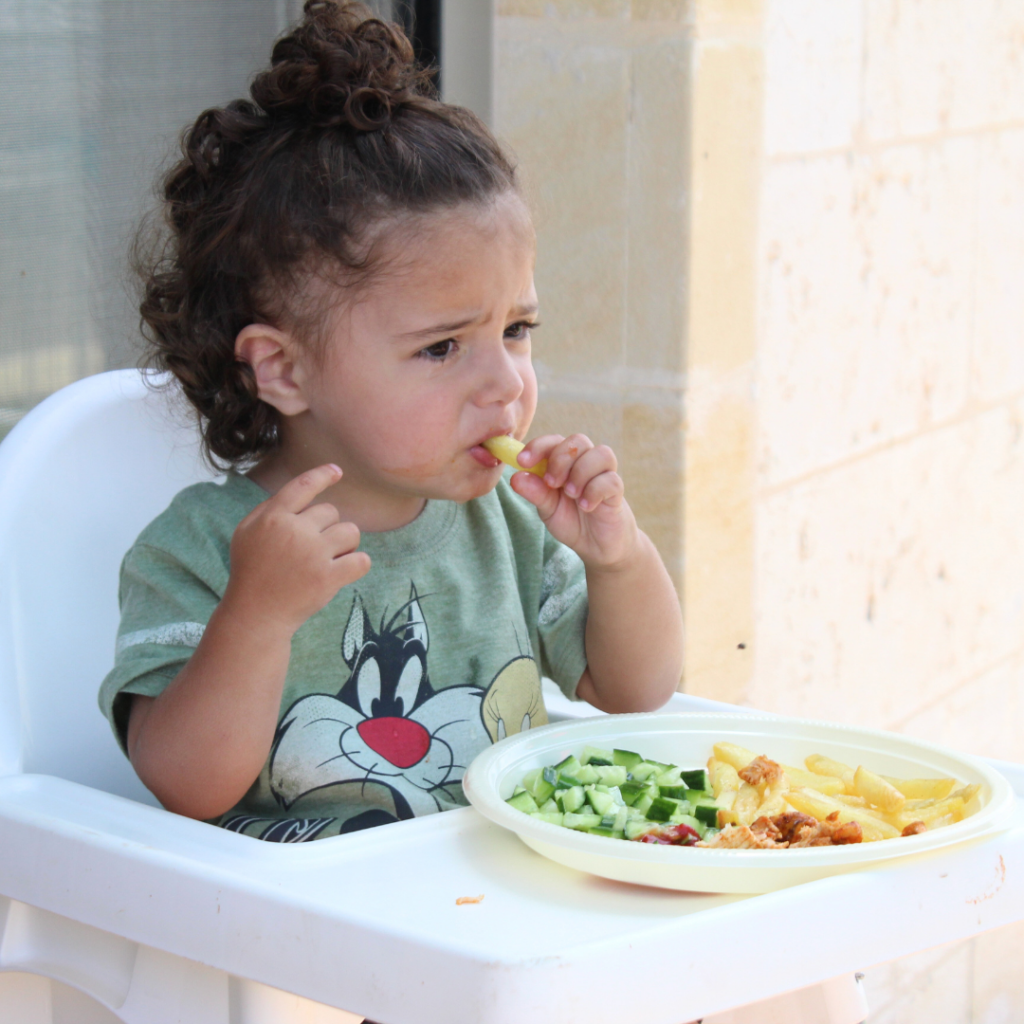
Implications for the Transition to Toddlerhood
The arrival of the 12-month mark signals the formal entry into toddlerhood, a phase where solid foods officially overtake breast milk or formula as the primary nutritional foundation. At this stage, the recommended intake for cow’s milk or milk alternatives is capped at 16 ounces per day. Excessive milk consumption in toddlers is a known contributor to iron-deficiency anemia and can cause the child to be too full to consume the diverse range of nutrients found in table foods.
The shift from bottle to cup is also encouraged during this period. For families still breastfeeding, this transition is often more gradual, but the principle of prioritizing nutrient-dense solid foods remains constant. Experts suggest that by 16 to 24 months, a toddler’s routine should be well-established at three meals and two snacks per day.

Addressing Common Challenges
When an infant refuses to eat, the first step is often to evaluate the timing between milk and solids. If the infant is consistently uninterested, increasing the gap between the last milk feed and the solid meal by 15-minute intervals can often help build the necessary appetite. Conversely, if the infant is becoming distressed, reducing the gap may be necessary.

Furthermore, the environment in which an infant is fed can influence their interest in food. Allowing the infant to touch, play with, and explore the textures of their food is not "messy" in a negative sense; it is a sensory-based learning process that fosters curiosity. Limiting mealtime duration is also important. A meal should typically last between 5 and 30 minutes. If a meal exceeds 45 minutes, it likely interferes with the next scheduled activity or feeding, leading to a cycle of fatigue and irritability.

Conclusion and Professional Guidance
The transition to solid foods is a collaborative process between parent and child. It requires patience, consistency, and an willingness to adapt. While the provided guidelines offer a roadmap for navigating this period, parents should not hesitate to consult with pediatricians or registered dietitians if they have concerns regarding their infant’s growth, weight gain, or developmental progress.
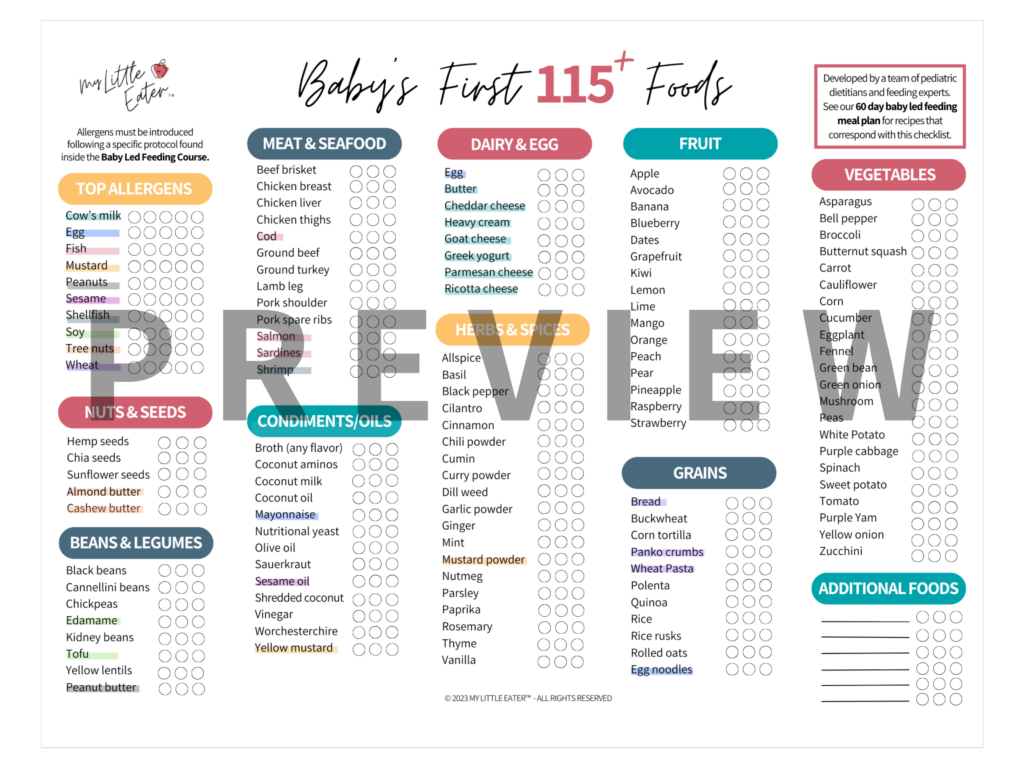
Maintaining a simple log of feedings—tracking both milk intake and the introduction of new foods—can be an invaluable tool for parents. It provides a historical record that helps identify patterns in the infant’s appetite and potential sensitivities. Ultimately, the goal is to raise a confident, adventurous eater who views mealtime as a positive, social, and nourishing experience. As the infant approaches their first birthday, the focus shifts from the logistical hurdles of balancing milk and solids to the long-term goal of establishing healthy, sustainable dietary habits that will serve them well into childhood and beyond.
Related posts: