The Protein-Packed Vegetable Egg Bake: A Culinary Innovation for Modern Lifestyles


The culinary landscape is constantly evolving, driven by a growing demand for convenient, nutritious, and versatile meal options. In this pursuit, the Protein-Packed Vegetable Egg Bake has emerged as a standout dish, offering a delightful fusion of simple ingredients transformed into a protein-rich meal suitable for a wide array of palates and occasions. This innovative recipe, born from a spontaneous kitchen experiment, highlights the potential of everyday components to create a dish that is not only flavorful but also highly practical for make-ahead meal preparation.
At its core, the Vegetable Egg Bake is a testament to culinary resourcefulness. The genesis of this recipe can be traced back to a desire for a hearty brunch option. When a planned dish featuring broccoli needed a fresh twist, the creator turned to a medley of bell peppers and onions. This simple substitution proved to be a revelation, yielding such a delicious result that it inspired the development of a dedicated recipe. The beauty of this dish lies in its adaptability, allowing for ingredient variations based on seasonal availability or pantry staples.
The foundational elements of the Vegetable Egg Bake are remarkably straightforward: a collection of vibrant vegetables, the richness of eggs, and the savory depth of cheese. These components are sautéed to soften the vegetables, then combined with a whisked egg and cheese mixture. The entire assembly is then baked, transforming into a dish that can be likened to a frittata, offering a substantial source of protein, essential fiber, and calcium. This nutritional profile makes it an attractive option for health-conscious individuals and families alike.
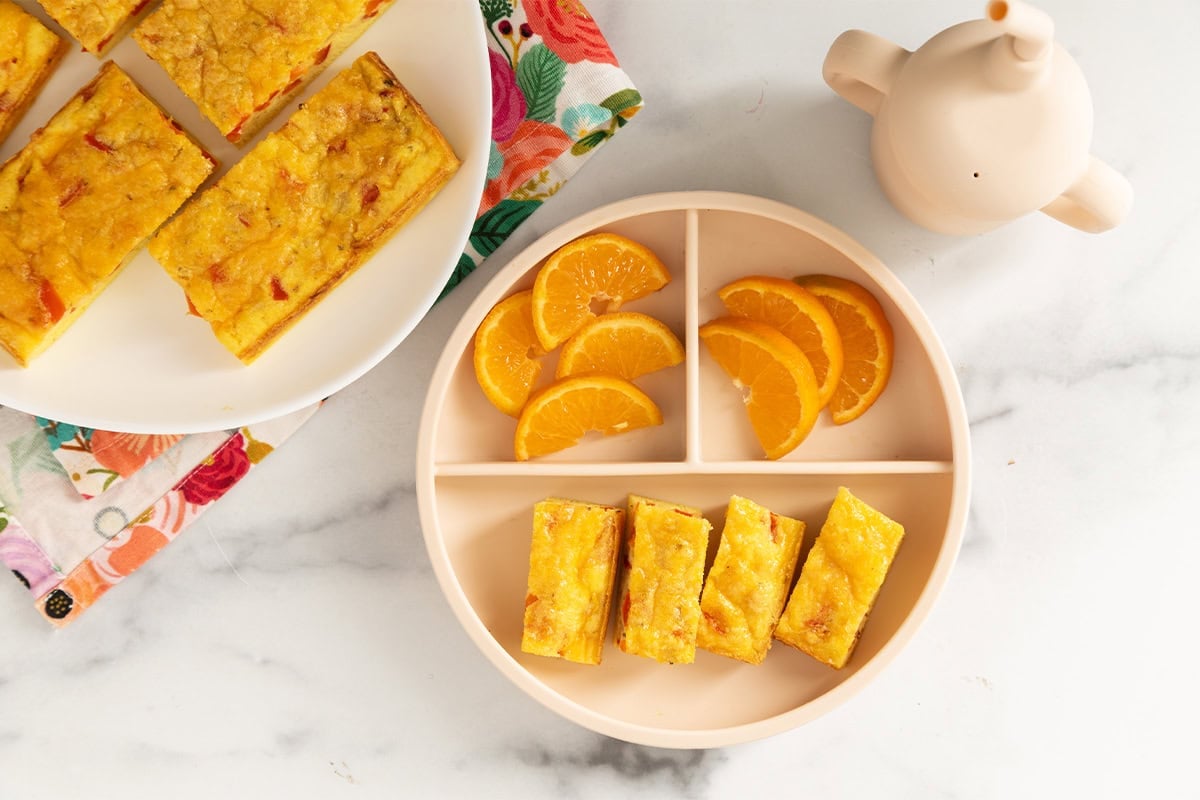
Beyond its nutritional merits, the Protein-Packed Vegetable Egg Bake excels in its convenience and adaptability. Its ability to store and reheat exceptionally well positions it as an ideal candidate for meal prepping. Busy mornings can be streamlined by having portions ready to go, and the dish can be enhanced with additions like sausage for a more robust flavor profile. For younger diners, its texture and mild flavor make it amenable to being dipped in ketchup, a universally popular condiment.
A Culinary Evolution: From Brunch Staple to Everyday Favorite
The journey of the Vegetable Egg Bake from a casual brunch alteration to a recognized recipe underscores a broader trend in home cooking: the embrace of adaptable and time-saving dishes. The initial experimentation, driven by the need to utilize available vegetables, highlights the innate creativity often sparked in the kitchen. The success of the pepper and onion combination was not merely a fleeting triumph but a consistent performer, prompting its formal inclusion in a recipe repertoire. This iterative process, where a successful variation leads to a distinct creation, is a common thread in culinary innovation.
The resulting dish is more than just a convenient breakfast item; it’s a versatile meal solution. Its structure allows it to be sliced into bite-sized portions, making it an excellent choice for baby-led weaning, offering infants a textured and nutritious food option. Furthermore, its appeal extends to celebratory occasions, such as Mother’s Day brunch, and can even serve as a simple yet satisfying toddler dinner. This multi-faceted utility amplifies its value in the modern household.
Nutritional Powerhouse: A Balanced Blend of Macronutrients and Micronutrients
The nutritional profile of the Vegetable Egg Bake is a significant contributor to its growing popularity. Eggs, the cornerstone of the dish, are a complete protein source, meaning they contain all nine essential amino acids that the body cannot produce on its own. This makes them crucial for muscle repair, growth, and overall bodily function. A typical large egg provides approximately 6 grams of high-quality protein.
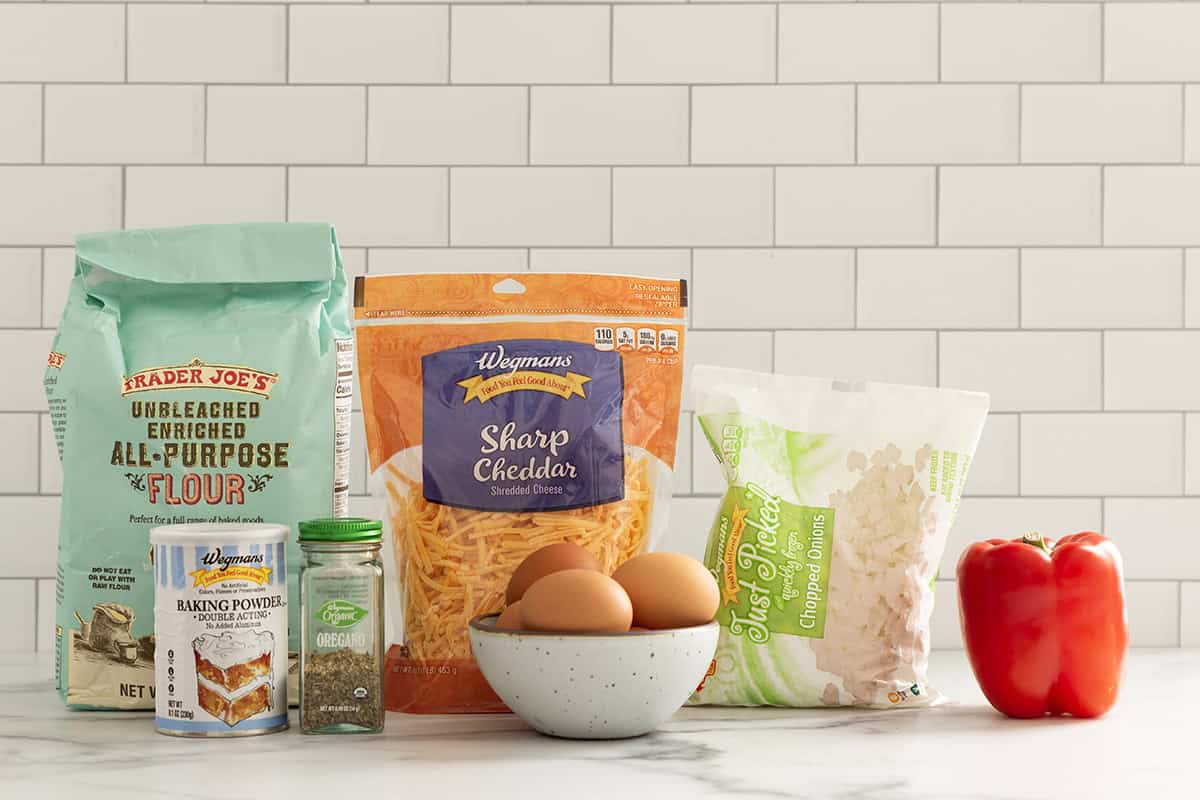
The inclusion of a variety of vegetables introduces a wealth of vitamins, minerals, and dietary fiber. Bell peppers, for instance, are rich in Vitamin C, an antioxidant vital for immune health and skin integrity. Onions offer quercetin, a flavonoid with anti-inflammatory properties. The specific nutritional contribution will vary depending on the chosen vegetables, but the general principle remains: each addition enhances the overall healthfulness of the dish. Fiber, in particular, plays a critical role in digestive health, promoting satiety and aiding in blood sugar regulation.
Cheese, while contributing to the flavor and texture, also adds calcium and protein. Calcium is essential for bone health and plays a role in nerve function and muscle contraction. When selecting cheese, opting for varieties lower in saturated fat can further enhance the health benefits.
The analysis of the recipe reveals specific nutritional data for a two-stick serving: approximately 112 calories, 6 grams of carbohydrates, 7 grams of protein, and 7 grams of fat. The fat content includes a modest amount of saturated fat (3g), balanced by polyunsaturated (1g) and monounsaturated fats (2g). The sodium content is around 293mg, which can be managed by controlling the amount of added salt. Importantly, the dish provides Vitamin A (878 IU), Vitamin C (25mg), and calcium (104mg), underscoring its role as a nutrient-dense meal.
The Art of Preparation: Simplicity and Efficiency in the Kitchen
The preparation of the Vegetable Egg Bake is designed for maximum efficiency without compromising on quality. The process begins with the vegetables, which are typically chopped into a small dice. This ensures they cook evenly and integrate seamlessly into the egg mixture. For added convenience, pre-diced frozen vegetables can be employed, significantly reducing prep time.

The next step involves sautéing the vegetables in a medium pan over medium heat, often with a touch of butter to enhance flavor and prevent sticking. This process softens the vegetables, releasing their natural sweetness and preparing them to meld with the other ingredients. The duration of sautéing is key; the goal is to achieve tenderness without overcooking, preserving their vibrant colors and textures.
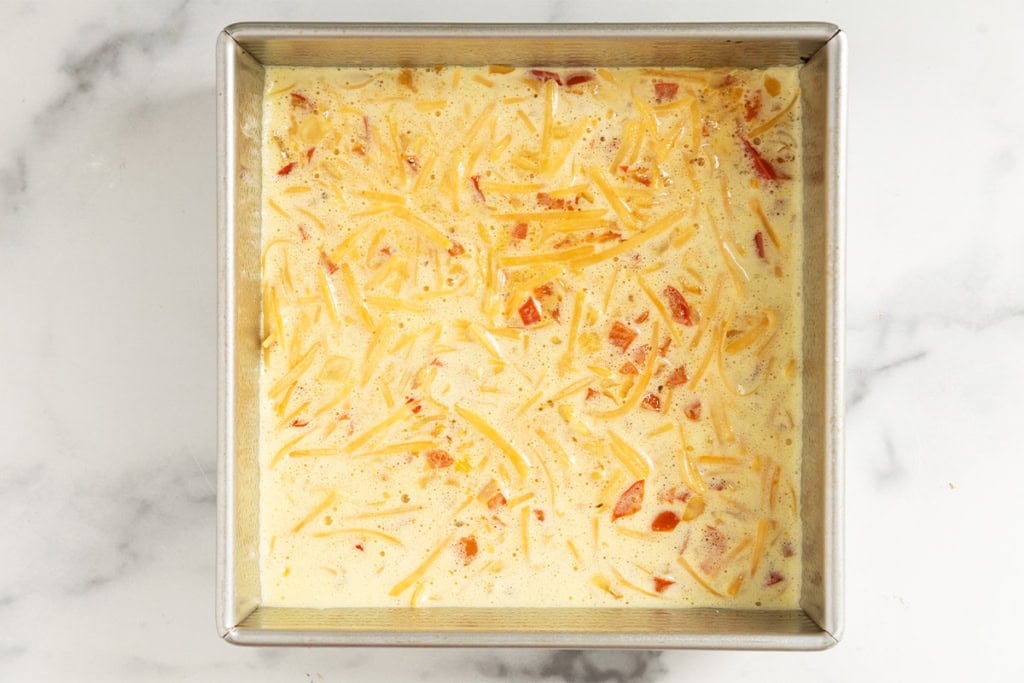
While the vegetables are cooking, the remaining ingredients are combined in a separate bowl. This typically involves whisking eggs until well blended, to which cheese and any seasonings are added. The eggs provide the binding agent, creating a cohesive structure for the bake, while the cheese adds a creamy texture and savory notes.
Once the vegetables are softened, they are incorporated into the egg mixture. The combined ingredients are then poured into a prepared baking pan. The recipe often includes a tip for determining doneness: the edges should be lightly golden brown, and the top of the egg mixture should appear just firm to the touch. This visual cue ensures the bake is cooked through without becoming dry.
The baking temperature and time are crucial for achieving the desired outcome. While specific details are provided in the full recipe, the general principle involves moderate heat to allow for even cooking. The resultant texture is a delicate balance between tender vegetables and a set, yet moist, egg base.

Versatility in Application: From Baby-Led Weaning to Adult Brunches
The adaptability of the Protein-Packed Vegetable Egg Bake is one of its most compelling attributes. Its suitability for various age groups and meal occasions is a significant advantage in modern households where time is often at a premium.
For infants embarking on the journey of solid foods through baby-led weaning, the egg bake can be sliced into manageable finger-sized pieces. This allows babies to self-feed, developing their fine motor skills and encouraging a positive relationship with food. The soft texture and nutrient density make it an ideal introduction to a range of flavors and textures.
For older children and adults, the egg bake serves as a robust breakfast or brunch option. Its make-ahead potential means it can be prepared on a weekend and enjoyed throughout the week. Serving it alongside buttered sourdough toast or as a standalone dish provides a satisfying and energizing start to the day. The inclusion of optional ingredients like sausage further enhances its appeal to those seeking a more substantial meal.
The dish also finds a place in celebratory gatherings. As a Mother’s Day brunch idea, it offers a healthier alternative to traditional brunch fare, packed with protein and vegetables. Its elegant yet simple presentation makes it suitable for sharing with guests. Moreover, its balanced nutritional profile and ease of preparation make it a practical choice for a toddler dinner, offering a nutritious and appealing option for even the pickiest eaters.

Storage and Preservation: Maximizing Freshness and Minimizing Waste
Effective storage and preservation techniques are integral to maximizing the utility of the Protein-Packed Vegetable Egg Bake. Once cooled, the bake should be transferred to an airtight container. To prevent excess moisture from accumulating, which can lead to a soggy texture upon reheating, lining the container with a paper towel is a recommended practice. Stored in the refrigerator in this manner, the egg bake can maintain its quality for up to five days.
For longer-term storage, freezing is an excellent option. The bake can be placed in a freezer bag, ensuring as much air is removed as possible to prevent freezer burn. When frozen properly, it can remain palatable for up to three months. Reheating from frozen or refrigerated states is straightforward. The microwave is an efficient tool for this purpose, with reheating in 15-second increments allowing for controlled warming without overcooking. This method ensures that the egg bake retains its desirable texture and flavor.
Frequently Asked Questions: Addressing Common Culinary Inquiries
The development of any popular recipe often leads to a series of common questions from those preparing it. The Protein-Packed Vegetable Egg Bake is no exception, with inquiries often revolving around ingredient substitutions, dietary modifications, and alternative cooking methods.
Which vegetables can be used without pre-cooking?
A key advantage of this recipe is its flexibility with vegetables. While some, like peppers and onions, benefit from sautéing, others can be incorporated raw. Finely minced broccoli, spinach, or grated raw carrot or sweet potato can be added directly to the egg mixture. These vegetables will cook through during the baking process, absorbing the flavors and contributing their nutrients. This flexibility allows for the utilization of leftover vegetables or seasonal produce with minimal effort.
How can this recipe be made dairy-free?
For individuals with dairy sensitivities or those following a dairy-free diet, the recipe can be easily adapted. The cheese can be entirely omitted, relying on the eggs and vegetables for flavor and structure. Alternatively, a dairy-free shredded cheese alternative can be used. Many plant-based cheeses are now available that melt and taste remarkably similar to their dairy counterparts, offering a viable substitution without compromising the dish’s overall appeal.
Can the batter be baked in a muffin tin?
Indeed, the egg bake batter is well-suited for muffin tins, offering an alternative presentation and portioning method. Approximately ¼ cup of the batter can be placed in each standard-sized muffin cup. The baking temperature should remain consistent, typically around 375 degrees Fahrenheit, but the cooking time will be reduced, usually between 14 to 16 minutes. This method is particularly useful for creating individual servings that are easy to transport and consume on the go.
Conclusion: A Smart Culinary Choice for Modern Living
The Protein-Packed Vegetable Egg Bake stands as a testament to the power of simple ingredients and thoughtful preparation. Its journey from a kitchen improvisation to a widely adopted recipe reflects its inherent strengths: nutritional value, convenience, and remarkable versatility. Whether serving as a quick breakfast for a busy family, a wholesome meal for a growing child, or a healthy option for a brunch gathering, this dish consistently delivers. Its adaptability to various dietary needs and its ease of storage further solidify its position as a smart culinary choice for contemporary lifestyles, embodying the principles of nutritious, practical, and delicious home cooking.