11 Sustainable Clothing Brands From Scotland To Know – Moral Fibres

The global fashion industry is currently responsible for approximately 10% of annual global carbon emissions and is a significant contributor to water pollution and textile waste. In response, a cohort of Scottish enterprises has adopted business models centered on circularity, zero-waste design, and the use of natural, regenerative fibers. This shift represents a broader movement within the UK, where consumer demand for transparency and environmental stewardship is at an all-time high.

The Evolution of Scottish Sustainable Fashion
Historically, Scotland has been synonymous with high-quality textile production, particularly in cashmere and wool. However, the contemporary landscape has evolved significantly from traditional manufacturing to a model that emphasizes supply chain transparency and carbon footprint reduction.
The transition began in earnest as smaller, independent brands began to reject the outsourcing models prevalent in the 1990s and early 2000s. Instead, these pioneers focused on "slow fashion"—the philosophy of creating high-quality garments meant to last for years rather than weeks. This shift is not merely aesthetic; it is a structural response to the environmental crisis. By utilizing local wool, sourcing from renewable energy-powered mills, and implementing repair services, these brands are actively decoupling fashion consumption from ecological degradation.

Key Players Driving the Circular Economy
The industry’s transformation is best exemplified by brands that integrate sustainability into every facet of their operation:
Brora
With over three decades in the industry, Brora has maintained a commitment to natural fibers like Scottish cashmere and linen. In 2025, the company achieved B-Corp certification, a rigorous standard that measures social and environmental performance, transparency, and accountability. This certification serves as a benchmark for the industry, signaling that profitability and sustainability are not mutually exclusive.

Prickly Thistle
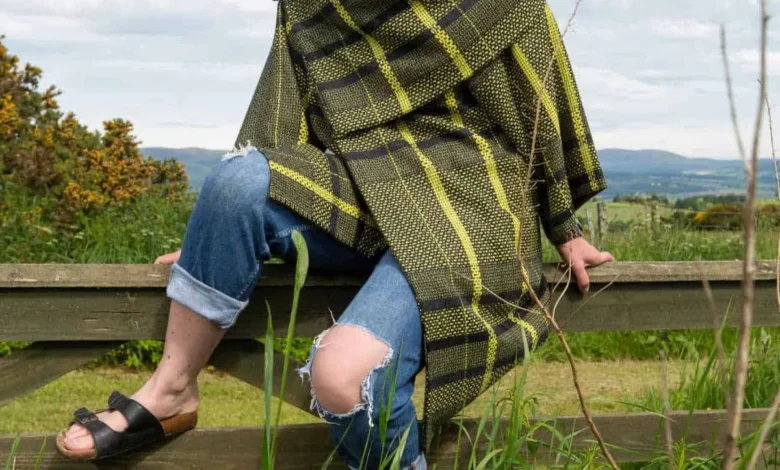
Operating from the Scottish Highlands, Prickly Thistle has redefined the traditional tartan industry. By utilizing a mill powered by renewable energy and eliminating synthetic hardware like zips and buttons, the company ensures that its products are not only durable but also fully recyclable at the end of their lifecycle. Their reliance on traditional looms underscores a commitment to preserving heritage while advancing modern sustainability goals.
Findra and The Croft House
These brands represent the intersection of high-performance apparel and environmental ethics. Findra, based in the Scottish Borders, produces activewear from recycled and natural fabrics, emphasizing longevity through an integrated repair service. Similarly, The Croft House utilizes seamless knitting techniques to minimize waste during the production of its knitwear, sourcing raw materials exclusively within the UK to lower transport-related emissions.

Beira and Second Cashmere
Operating at the cutting edge of the circular economy, these companies focus on waste reclamation. Beira sources discarded materials from luxury fashion houses—such as leftover fabrics and trims—to create limited-edition collections. Second Cashmere takes a different approach by collecting waste cashmere garments, reconditioning them, and providing a repair service that uses reclaimed yarn, effectively closing the loop on textile waste.
Economic and Environmental Data
The shift toward sustainable fashion in Scotland is supported by broader economic trends. According to recent industry reports, the circular fashion market is projected to grow significantly as consumers prioritize garments that offer high cost-per-wear value.

- Carbon Reduction: By utilizing natural, non-mulesed wool and organic cotton, these brands significantly reduce the reliance on petroleum-based synthetic fibers like polyester, which account for a substantial portion of microplastic pollution in oceans.
- Localized Manufacturing: By manufacturing within Scotland and the EU, these brands drastically reduce their Scope 3 emissions related to transportation and logistics.
- Waste Mitigation: Brands like Beira and Second Cashmere operate on a "zero-waste" ethos, ensuring that offcuts and faulty panels are repurposed rather than sent to landfill, a common practice in the global fast fashion industry.
Regulatory and Ethical Implications
The rise of these Scottish brands occurs against a backdrop of increasing international scrutiny of the fashion industry. The European Union and the UK government are under pressure to implement stricter regulations regarding extended producer responsibility (EPR) and supply chain transparency.
The level of disclosure provided by these Scottish firms often exceeds current legislative requirements. For instance, the detailed reporting provided by companies like Beira—which includes data on worker wages and manufacturing processes—sets a standard for corporate governance that many larger, multinational corporations struggle to meet. This transparency helps mitigate the risk of "greenwashing," as claims are backed by demonstrable supply chain data and, in several cases, third-party audits.

Challenges and Future Outlook
While the success of these brands is notable, they face significant headwinds. Scaling sustainable manufacturing remains difficult in an industry optimized for low-cost, high-volume production. Furthermore, the higher price point of ethically produced clothing—often reflecting the true cost of fair labor and high-quality raw materials—remains a barrier for some consumers.
However, the industry sentiment suggests that the "slow fashion" model is gaining resilience. The integration of repair services and the move toward made-to-order models (as seen with Totty Rocks and ERIBÉ) allow these companies to manage inventory levels more effectively, reducing the massive overproduction that plagues the mainstream sector.

Conclusion
Scotland’s position as a leader in sustainable fashion is the result of a deliberate convergence of traditional craftsmanship and modern innovation. By prioritizing the lifecycle of the garment, from the sourcing of raw fibers to the eventual repair or recycling of the item, these brands provide a blueprint for a more ethical fashion industry.
As global awareness of the environmental impact of textile waste intensifies, the practices pioneered by these Scottish enterprises are likely to inform broader industry standards. Whether through the B-Corp certification of established houses or the innovative circularity of emerging labels, Scotland’s fashion sector is proving that a commitment to people and the planet is the only viable path forward for the future of style.
Related posts: