The role of early childhood educators extends far beyond the instruction of basic literacy and numeracy; it encompasses the critical task of introducing children to a world that is vast, diverse, and multifaceted. In urban environments, a child may encounter a dozen different cultures during a single walk to school, whereas in rural settings, this exposure is often limited by geographic and demographic factors. Consequently, the intentional selection of literature that highlights the contributions, experiences, and voices of Black Americans is an essential pedagogical tool for broadening a child’s worldview. As February marks the annual observance of Black History Month, educators and parents are increasingly prioritizing books that provide both historical context and contemporary representation for preschool-aged children.

The Evolution of Representation in Early Childhood Literature
The movement to integrate Black history into preschool curricula is rooted in decades of advocacy for more inclusive educational materials. Historically, children’s literature was characterized by a significant lack of diversity, a phenomenon often referred to as the "all-white world of children’s books." The timeline of progress in this sector began to shift significantly in the mid-20th century. In 1962, Ezra Jack Keats’ The Snowy Day became a landmark publication as one of the first full-color picture books to feature an African American protagonist in an everyday setting, rather than as a caricature or a figure defined solely by struggle.

By 1976, when Black History Month was officially recognized by President Gerald Ford, the demand for authentic narratives grew. However, data from the Cooperative Children’s Book Center (CCBC) at the University of Wisconsin-Madison reveals that progress has been slow. In the late 1980s, only a small fraction of children’s books published annually featured Black characters. Recent statistics show an upward trend: in 2018, approximately 10% of children’s books featured Black protagonists, and by 2022, that number increased to nearly 15%. Despite this growth, educators argue that the quality of representation is just as vital as the quantity, necessitating a shift from "trauma-centered" narratives to those celebrating "Black Joy" and everyday life.

Psychological and Developmental Impact of Inclusive Literacy
The importance of representation in early childhood cannot be overstated. Dr. Rudine Sims Bishop, a professor emerita at Ohio State University, famously introduced the concept of "Mirrors, Windows, and Sliding Glass Doors." In this framework, books serve as mirrors when children see themselves reflected in the stories, reinforcing their sense of belonging and self-worth. They serve as windows when they allow children to see into the lives of others, fostering empathy and understanding. Finally, they act as sliding glass doors when they allow children to mentally enter a different world.

For preschool-aged children, who are in a critical stage of social-emotional development, these literary experiences help combat the formation of early biases. Research suggests that children as young as three years old begin to notice racial differences and can internalize societal prejudices if not provided with positive, diverse counter-narratives. By introducing stories of Black achievement and daily life, educators provide a balanced perspective that values all identities equally.

Non-Fiction and Biographical Narratives for Young Learners
When introducing historical figures to preschoolers, the most effective approach utilizes simplified language that focuses on universal themes such as courage, fairness, and perseverance. These "true stories" help children understand that real people can effect change.

Stand Up! by Brittney Cooper is a prominent example of a contemporary biographical collection. It profiles ten women, including historical figures like Ruby Bridges and Rosa Parks, alongside modern activists like Bree Newsome. The narrative emphasizes the power of using one’s voice to advocate for justice, a concept that resonates with young children’s developing sense of "fairness."

In the realm of science and aspiration, Mae Among the Stars by Roda Ahmed explores the early life of Mae Jemison, the first African American woman in space. This book is frequently cited by educators for its focus on parental support and the importance of dreaming big, making complex historical achievements accessible to a four-year-old’s imagination.

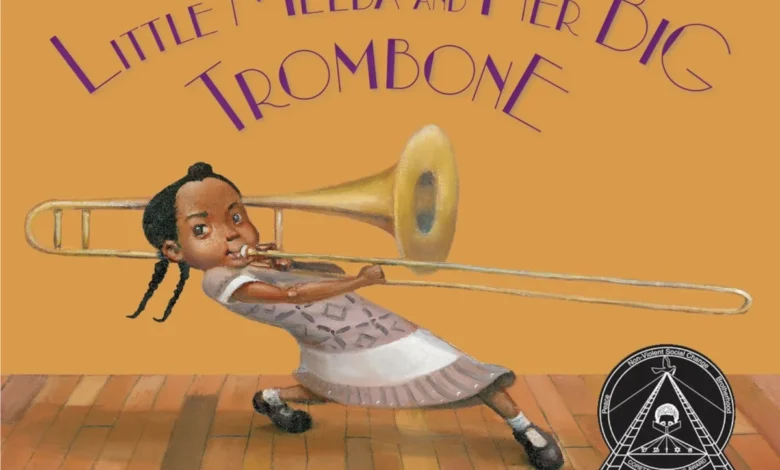
The history of the Civil Rights Movement is often introduced through Let the Children March by Monica Clark-Robinson. This book details the 1963 Birmingham Children’s Crusade, illustrating that children themselves have historically been agents of change. Similarly, Little Melba and Her Big Trombone by Katheryn Russell-Brown and The Oldest Student by Rita Lorraine Hubbard provide insights into the arts and the lifelong pursuit of education, respectively. These stories underscore that Black history is not a monolithic narrative of oppression, but a rich tapestry of intellectual and artistic triumph.

The Significance of "Everyday Joy" in Fiction
A critical shift in modern education is the inclusion of books that feature Black characters in roles that have nothing to do with race-related struggle. These stories are vital for normalizing diversity.

Hair Love by Matthew A. Cherry, which was adapted into an Academy Award-winning short film, celebrates the bond between a father and daughter while highlighting the beauty of natural hair. This story is an essential "mirror" for many children and a "window" for others, promoting a positive image of Black fatherhood and self-acceptance.

Other titles like Saturday by Oge Mora and Last Stop on Market Street by Matt de la Peña focus on urban life, family routines, and the beauty found in the mundane. These books are praised by literacy experts for their rich, descriptive language and their ability to depict universal childhood experiences—such as the disappointment of a ruined plan or the curiosity of a bus ride—through the lens of Black families.

Big by Vashti Harrison and Sulwe by Lupita Nyong’o address more complex themes of body image and colorism. By addressing these topics through gentle, poetic storytelling, these books provide a safe space for preschoolers to explore feelings of "not fitting in" and ultimately finding pride in their unique appearances.

Supporting Data and Trends in Educational Materials
The push for diverse classroom libraries is supported by literacy data indicating that children are more engaged with reading when they find the content culturally relevant. According to a 2020 report by the National Literacy Trust, children who see themselves in what they read are more likely to enjoy reading and have higher reading ages.

Furthermore, the National Association for the Education of Young Children (NAEYC) has issued statements emphasizing that "anti-bias education" is a core component of high-quality early childhood programs. This includes providing a "richly diverse" environment where all children feel represented. The organization notes that diversity in books is not just for the benefit of minority students; it is equally important for children in homogenous environments to prevent the development of a "single-story" perspective of other cultures.

Chronology of Milestone Events in Black Children’s Literature
- 1926: Carter G. Woodson establishes Negro History Week, the precursor to Black History Month.
- 1962: Publication of The Snowy Day by Ezra Jack Keats, breaking racial barriers in mainstream picture books.
- 1969: The Coretta Scott King Book Awards are established to recognize outstanding African American authors and illustrators.
- 1990: Dr. Rudine Sims Bishop publishes her influential essay on "Mirrors, Windows, and Sliding Glass Doors."
- 2014: The #WeNeedDiverseBooks movement launches on social media, pressuring the publishing industry to increase representation.
- 2020-Present: A surge in demand for anti-racist and inclusive children’s literature following global social justice movements.
Broader Implications for Classroom Communities
The integration of Black History Month books into preschool curricula has long-term implications for societal equity. When educators prioritize these stories, they are building a foundation of respect and curiosity. This pedagogical approach does not merely teach "history"; it teaches "humanity."

By the time children reach elementary school, those who have been exposed to diverse literature are often better equipped to engage in complex discussions about history and social justice. They are more likely to possess the empathy required to navigate a globalized society and the critical thinking skills to recognize bias.

In conclusion, Black History Month books for preschool are an essential component of a modern educational framework. By balancing historical non-fiction with stories of contemporary joy, teachers and parents can ensure that young learners grow up with a comprehensive and respectful understanding of Black American contributions. As Maya Angelou once noted, diversity makes for a "rich tapestry," and in the preschool classroom, every book added to the library is a new thread that strengthens the fabric of the community. Through these stories, the next generation is taught that every voice matters and every history is worth telling.