The Ultimate College Apartment Kitchen Checklist: A Dietitian-Mom’s Guide to Nourishing Students

Moving into a college apartment marks a significant transition for students, signifying newfound independence and a departure from the structured environment of dormitories. Beyond the excitement of personal space and freedom from resident advisors, this transition brings a fundamental shift: the responsibility of managing one’s own nutrition. For students and their parents alike, the prospect of navigating grocery shopping, meal preparation, and healthy eating habits can feel daunting. This comprehensive guide, compiled by a dietitian and mother who has guided her own child through this experience, provides a practical framework for stocking a college apartment kitchen, covering essential equipment, pantry staples, refrigerator and freezer must-haves, and basic culinary strategies. The goal is to empower students to create nutritious meals without requiring an extensive culinary background or a high-end kitchen.
Equipping Your College Kitchen: Beyond the Basics
Establishing a functional kitchen in a college apartment doesn’t necessitate an exhaustive inventory of appliances. The focus should be on versatile tools that facilitate a range of cooking tasks, from simple meal assembly to more involved preparation. Prioritizing durability and functionality over novelty is key for budget-conscious students.
Essential Kitchen Equipment: The Foundation of Home Cooking
The core of any functional kitchen lies in a few key pieces of equipment. These items are indispensable for daily meal preparation and offer the greatest return on investment for students.
-
Cookware:
- Saucepan (1-2 quart): Ideal for heating liquids, making sauces, boiling pasta, or cooking grains.
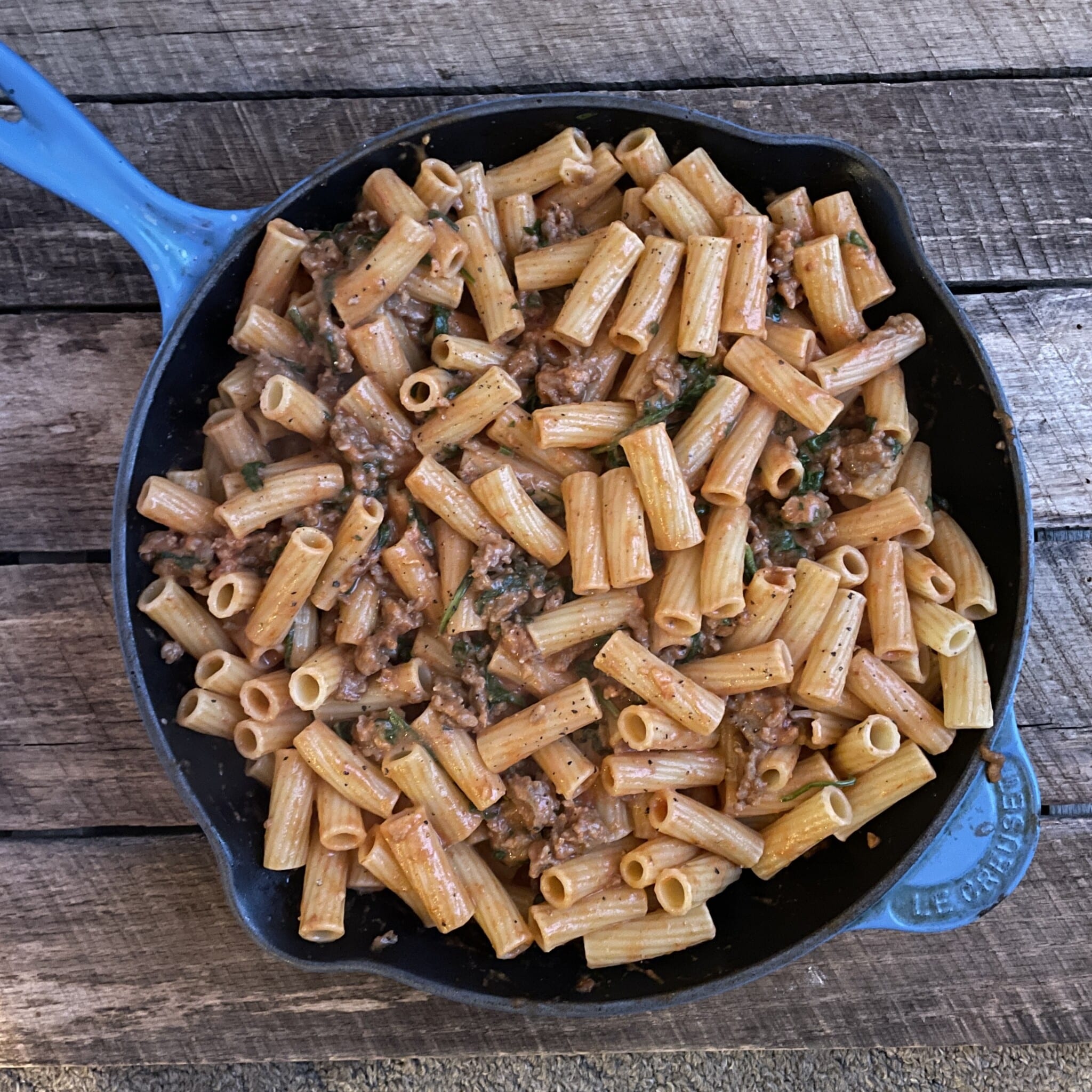
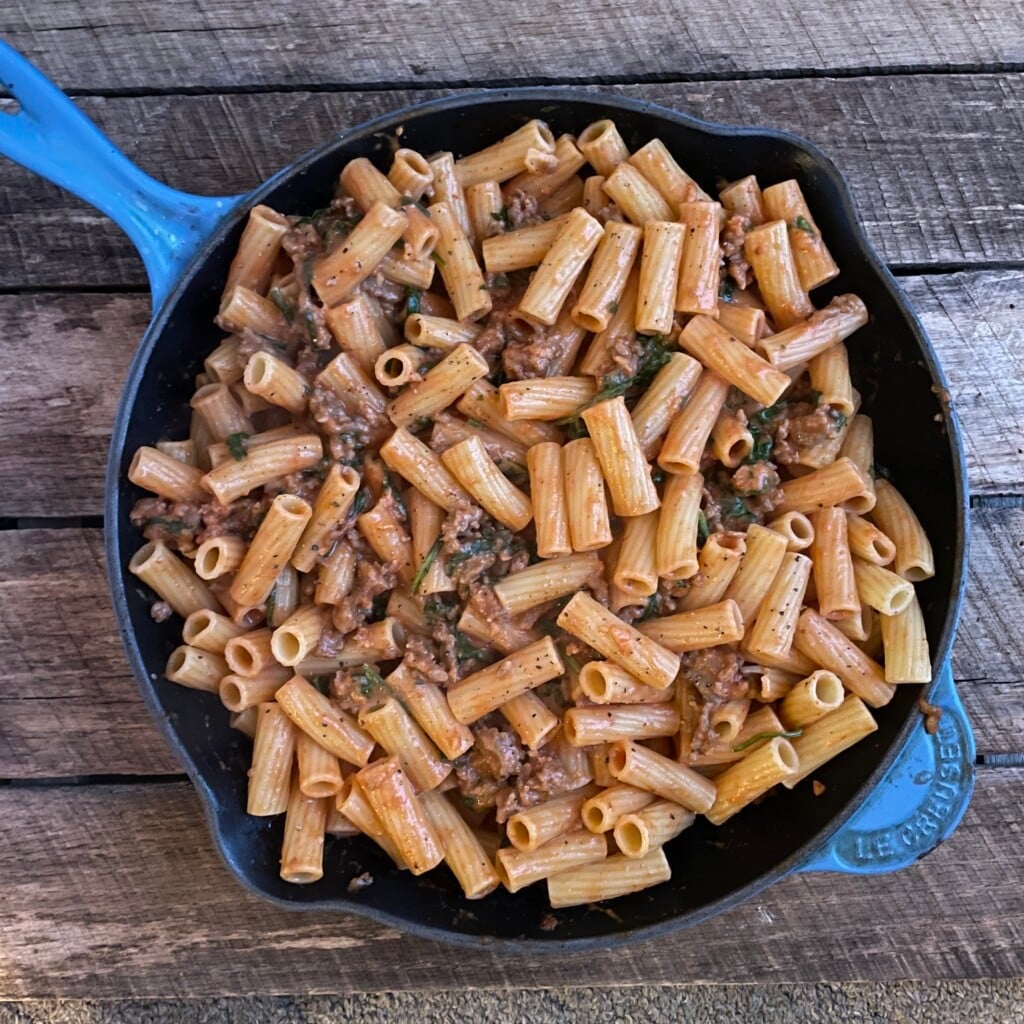
- Skillet (10-inch): A versatile workhorse for sautéing vegetables, frying eggs, searing proteins, and creating one-pan meals.
- Stockpot or Dutch Oven (4-6 quart): Essential for making larger batches of soup, stew, chili, or boiling pasta for multiple servings.
-
Utensils:
- Chef’s Knife: A sharp, high-quality chef’s knife is crucial for efficient chopping, slicing, and dicing. Investing in one good knife is more practical than a block of mediocre ones.
- Cutting Board: A sturdy cutting board protects countertops and knife edges. Having at least two, one for raw meats and one for produce, is recommended for food safety.
- Spatula: A heat-resistant spatula is useful for stirring, scraping, and flipping.
- Wooden Spoon: A classic for stirring and sautéing, it won’t scratch non-stick surfaces.
- Whisk: For beating eggs, mixing batters, and creating dressings.
- Can Opener: A manual or electric can opener is essential for accessing canned goods.
- Vegetable Peeler: For preparing root vegetables and other produce.
- Measuring Cups and Spoons: Accurate measurements are important for following recipes and baking.
- Colander: For draining pasta, rinsing produce, and draining canned goods.
- Tongs: For safely handling food while cooking or serving.
- Grater: For shredding cheese, vegetables, and zesting citrus.
-
Tableware and Serving:
- Plates, Bowls, Mugs, and Glasses: A set of four to six of each is usually sufficient for a college apartment, allowing for guests and avoiding daily dishwashing.
- Cutlery: Forks, knives, and spoons for each person.
-
Baking and Storage:
- Baking Sheet: Useful for roasting vegetables, baking cookies, or reheating food in the oven.
- Food Storage Containers: Airtight containers are vital for storing leftovers, packing lunches, and preventing food waste. Opt for glass or BPA-free plastic.
Potentially Essential, Depending on Cooking Habits
Some items may become essential based on individual cooking styles and dietary preferences, offering added convenience and expanding culinary possibilities.
- Small Blender or Immersion Blender: Useful for making smoothies, sauces, or purées. An immersion blender is particularly space-efficient.
- Electric Kettle: For quickly boiling water for tea, instant oatmeal, or other hot beverages.
- Muffin Tin: If baking is a hobby, a muffin tin opens up options for muffins, cupcakes, or even savory egg cups.
Nice-to-Have Additions for Enhanced Cooking
These items can elevate the cooking experience and offer greater flexibility, though they are not strictly necessary for basic meal preparation.
- Salad Spinner: For efficiently drying washed greens, leading to crispier salads.
- Pizza Cutter: A fun and convenient tool for slicing homemade or takeout pizza.
- Microplane or Zester: For finely grating hard cheeses, garlic, ginger, or citrus zest.
- Mortar and Pestle: For grinding spices and herbs to release their full flavor.
- Roasting Pan: For cooking larger cuts of meat or whole chickens.
- Slow Cooker or Instant Pot: These appliances can simplify meal preparation, allowing for hands-off cooking of stews, roasts, and other dishes.
Items to Consider Skipping: Space and Budget Savers
Certain kitchen gadgets, while appealing, often occupy valuable counter and storage space without providing significant culinary benefits for the average student.
- Specialty Appliances: Juicers, bread makers, waffle irons, and panini presses are often single-purpose and may not be used frequently enough to justify their cost and storage needs.
- Excessive Gadgets: Many small, specialized tools, such as avocado slicers or banana slicers, can be replicated with a standard knife and cutting board.
- Large Sets of Unused Cookware: A vast collection of pots and pans can be overwhelming and impractical. Focusing on a few high-quality, versatile pieces is more efficient.
A Note on Budgeting for Kitchen Essentials
For students managing tight budgets, smart shopping strategies are paramount. Consider purchasing items secondhand from thrift stores, garage sales, or online marketplaces. Many of these essentials can be found in excellent condition at a fraction of the original cost. Additionally, coordinating with roommates to share larger or less frequently used items can further reduce individual expenses. Look for durable, store-brand options when purchasing new items, as they often provide comparable quality at a lower price point. University surplus sales or student-organized move-out sales are also excellent sources for affordable kitchenware.
Stocking the Pantry: The Building Blocks of Meals
A well-stocked pantry is the cornerstone of convenient and healthy eating. Shelf-stable ingredients form the foundation for a wide array of meals and snacks, reducing the need for frequent grocery runs and enabling spontaneous meal preparation.
Grains: Versatile Carbohydrate Sources
Grains provide essential energy and fiber, forming the base of many satisfying meals.
- Pasta: A college student staple, pasta is affordable, quick to cook, and pairs well with various sauces. Options include spaghetti, penne, and macaroni.
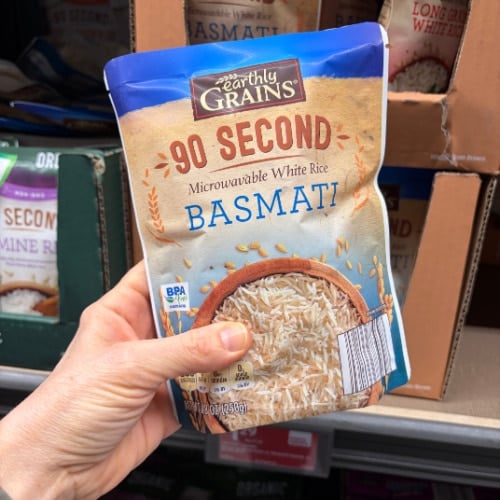
- Rice: White or brown rice is a versatile side dish or ingredient for stir-fries, bowls, and casseroles. Consider easy-to-prepare varieties like minute rice or parboiled rice for speed.
- Oats: Rolled oats or instant oatmeal are perfect for quick, nutritious breakfasts. They can also be used in baking.
- Bread or Tortillas: Whole wheat bread or tortillas offer flexibility for sandwiches, wraps, quesadillas, and as a side to meals.
- Quinoa: A complete protein and a good source of fiber, quinoa cooks relatively quickly and can be used in salads, bowls, or as a side dish.
- Cereal: Choose whole-grain cereals with lower sugar content for a quick breakfast option.
Proteins: Essential for Satiety and Muscle Health
Adequate protein intake is crucial for satiety, muscle repair, and overall health. Non-perishable protein sources offer convenience and longevity.
- Canned Beans: Black beans, kidney beans, chickpeas, and lentils are excellent sources of plant-based protein and fiber. They are versatile for salads, chilis, tacos, and dips.
- Canned Tuna or Salmon: A quick and easy source of lean protein, ideal for sandwiches, salads, or pasta dishes. Opt for water-packed varieties.
- Peanut Butter or Other Nut Butters: A good source of protein and healthy fats, perfect for snacks, sandwiches, or adding to oatmeal.
- Protein Bars: Convenient for on-the-go snacks, but choose bars with a good balance of protein and lower sugar content.
- Dried Lentils: Red or green lentils are inexpensive, cook quickly, and are incredibly nutritious, forming the base for soups, stews, and vegetarian dishes.
- Canned Chicken: Another convenient option for salads, wraps, or quick casseroles.
Produce That Keeps: Freshness with Longevity
While fresh produce is vital, certain fruits and vegetables have a longer shelf life, reducing spoilage and waste.

- Onions and Garlic: These aromatics are fundamental to building flavor in almost any savory dish. They can last for weeks when stored properly in a cool, dark place.
- Potatoes and Sweet Potatoes: Starchy vegetables that can be baked, roasted, mashed, or added to stews. They store well in a cool, dark pantry.
- Apples and Oranges: Hardy fruits that can last for several weeks at room temperature, providing a good source of vitamins and fiber.
- Bananas: While they ripen quickly, bananas are a convenient source of potassium and can be used in smoothies or baked goods.
- Carrots: Can last for several weeks in the refrigerator and are versatile for snacking, salads, or cooking.
- Frozen Fruits and Vegetables: A nutritional powerhouse, frozen produce is often picked at peak ripeness and retains most of its vitamins and minerals. They are ideal for smoothies, stir-fries, and side dishes. Examples include berries, spinach, broccoli, and peas.
Sauces, Oils, and Flavor Enhancers: Elevating Your Dishes
These pantry staples add depth, complexity, and deliciousness to simple ingredients.
- Olive Oil or Vegetable Oil: Essential for sautéing, roasting, and making dressings.
- Vinegar: Apple cider vinegar, red wine vinegar, or balsamic vinegar are crucial for salad dressings, marinades, and adding acidity.
- Soy Sauce or Tamari: For stir-fries, marinades, and adding umami flavor.
- Hot Sauce: A popular condiment for adding a kick to meals.
- Ketchup and Mustard: Classic condiments for sandwiches and snacks.
- Broth or Stock (Canned or Boxed): Chicken, vegetable, or beef broth is a base for soups, stews, sauces, and cooking grains like rice or quinoa.
- Canned Tomatoes: Diced tomatoes, crushed tomatoes, or tomato paste are essential for pasta sauces, chilis, and many other savory dishes.
- Honey or Maple Syrup: For sweetening beverages, oatmeal, or using in baking and dressings.
Spices: The Heart of Flavor
A well-curated spice rack can transform bland ingredients into flavorful meals. Start with the basics and expand as your culinary repertoire grows.
- Salt and Black Pepper: The most fundamental seasonings.
- Garlic Powder and Onion Powder: Offer the essence of garlic and onion without the need for fresh ingredients.
- Cumin: Essential for Mexican, Indian, and Middle Eastern cuisines.
- Paprika: Adds color and a mild, sweet flavor.
- Italian Seasoning or Oregano and Basil: Perfect for pasta dishes, pizzas, and Mediterranean-inspired meals.
- Chili Powder: For adding heat and depth to chili, tacos, and other dishes.
- Cinnamon: For baking, oatmeal, and adding warmth to savory dishes.
Baking and Sweeteners: For Occasional Treats and Enhancements
These items are useful for baking, sweetening, and adding a touch of indulgence.
- Flour: All-purpose flour is a staple for baking simple treats or thickening sauces.
- Sugar: Granulated sugar for baking and sweetening.
- Baking Soda and Baking Powder: Essential leavening agents for baked goods.
- Vanilla Extract: Enhances the flavor of baked goods and sweet dishes.
Refrigerator Staples: Freshness and Versatility
The refrigerator is where perishable items reside, offering a range of ingredients for fresh meals and quick snacks.

- Eggs: A complete protein source, eggs are incredibly versatile for breakfast, lunch, or dinner. They can be scrambled, fried, boiled, or used in baking.
- Milk or Milk Alternatives: For cereal, coffee, tea, and baking. Options include dairy milk, almond milk, soy milk, or oat milk.
- Yogurt: Plain or Greek yogurt is a good source of protein and can be enjoyed with fruit and granola or used in smoothies and dips.
- Cheese: Shredded or block cheese is useful for sandwiches, quesadillas, pasta, and topping dishes. Cheddar, mozzarella, and Monterey Jack are popular choices.
- Butter or Margarine: For cooking, baking, and spreading.
- Condiments: Mayonnaise, salad dressing, mustard, and ketchup are frequently used.
- Fresh Produce: While some produce keeps well at room temperature, items like leafy greens, berries, and delicate vegetables are best stored in the refrigerator. Regularly replenish these as needed.
- Deli Meats or Tofu/Tempeh: For quick sandwiches or adding protein to meals.
- Leftovers: Properly stored leftovers from previous meals are an excellent way to save time and reduce food waste.
Freezer Staples: Convenience and Preservation
The freezer is a valuable resource for preserving food, stocking up on sale items, and having quick meal solutions readily available.
- Frozen Vegetables: As mentioned, frozen vegetables are a convenient and nutritious option. Broccoli florets, peas, corn, and mixed vegetables are excellent staples.
- Frozen Fruits: Berries, mango chunks, and peaches are perfect for smoothies and baking.
- Frozen Meats: Chicken breasts, ground beef, or fish can be bought in bulk when on sale and frozen for later use. Portioning them before freezing makes thawing easier.
- Frozen Meals: While not always the healthiest option, a few pre-made frozen meals can be a lifesaver on busy nights. Choose those with balanced nutrition.
- Bread or Tortillas: Freezing bread or tortillas can extend their shelf life significantly.
- Ice Cream or Frozen Treats: For occasional indulgence.
Simple Recipes to Get Started
With a stocked kitchen, students can begin preparing simple, nutritious meals. Here are a few ideas:
- Scrambled Eggs with Veggies: Sauté chopped onions, peppers, or spinach in a skillet, then add whisked eggs and scramble until cooked. Serve with toast.
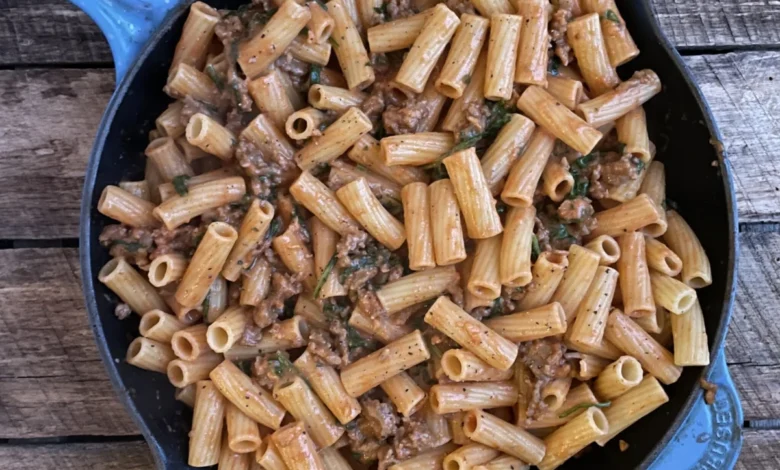
- Pasta with Marinara Sauce: Cook pasta according to package directions. Heat a jar of marinara sauce and pour over the pasta. Add cooked ground beef or canned beans for extra protein.
- Quesadillas: Fill tortillas with shredded cheese and any desired fillings (canned beans, cooked chicken, sautéed vegetables). Fold and cook in a skillet until cheese is melted and tortilla is golden brown.
- Rice Bowls: Cook rice. Top with canned beans, steamed frozen vegetables, and a drizzle of soy sauce or a simple peanut sauce.
- Oatmeal with Fruit: Cook rolled oats with water or milk. Top with fresh or frozen berries, a sprinkle of nuts or seeds, and a drizzle of honey or maple syrup.
By investing in a few essential pieces of equipment and stocking a strategic selection of pantry, refrigerator, and freezer staples, college students can confidently navigate the culinary landscape of apartment living. This proactive approach not only fosters independence but also lays the groundwork for healthy eating habits that can extend far beyond their college years. The ability to prepare nourishing meals is a fundamental life skill, and equipping a college kitchen with the right tools and ingredients is the first step towards mastering it.