
Effective Food Storage Strategies to Combat Global Food Waste and Economic Loss

The scale of food waste in the United States has reached a critical juncture, with recent data indicating that approximately 40 percent of the nation’s food supply is discarded annually. This systemic inefficiency does more than strain the environment; it imposes a significant financial burden on the average American consumer. According to the Environmental Protection Agency (EPA), the average household loses an estimated $2,913 per year to food waste. While large-scale agricultural and retail losses contribute to the problem, a substantial portion of this waste occurs at the residential level, often due to improper storage techniques and a lack of understanding regarding food preservation.
The issue of food waste is increasingly recognized as a multifaceted crisis involving economic loss, environmental degradation, and public health concerns. When food is discarded, the resources used to produce it—including water, energy, labor, and land—are also wasted. Furthermore, food waste in landfills is a primary source of methane, a potent greenhouse gas that contributes significantly to global warming. Addressing this problem requires a fundamental shift in how households manage their groceries, moving away from convenient but detrimental plastic packaging toward scientifically backed storage methods that extend the shelf life of perishables from days to weeks.
The Economic and Environmental Context of Food Waste
To understand the urgency of proper food storage, one must examine the broader statistics provided by the USDA and the EPA. Globally, the Food and Agriculture Organization (FAO) of the United Nations reports that roughly one-third of all food produced for human consumption is lost or wasted, totaling 1.3 billion tons per year. In high-income countries like the U.S., the majority of this waste happens at the "downstream" end of the supply chain—in kitchens and refrigerators.
The financial impact of $2,913 per household annually is a conservative estimate when considering the rising costs of inflation and supply chain disruptions. For a family of four, this translates to nearly $250 a month literally thrown into the trash. Beyond the wallet, the environmental impact is staggering: if food waste were a country, it would be the third-largest emitter of greenhouse gases in the world, trailing only the U.S. and China.
The Chronology of Spoilage: Why Food Fails
The journey of produce from the farm to the refrigerator involves several stages where spoilage can be accelerated. Once harvested, fruits and vegetables continue to "breathe" or respire. This process involves the intake of oxygen and the release of carbon dioxide and water vapor.
- Harvest and Transport: Produce is often treated with cooling or waxes to slow respiration.
- Retail Display: Items are frequently misted or kept on ice, which can sometimes lead to premature rot if moisture is trapped once the item is bagged.
- Home Storage: The most critical stage. Many consumers place produce directly into the refrigerator in the plastic bags provided by the grocery store. These bags trap moisture and ethylene gas, a natural ripening agent, causing a "greenhouse effect" inside the bag that leads to rapid decomposition, mold growth, and slime.
The Role of Plastic in Food Degradation
Traditional plastic storage, while convenient, is often the primary culprit in accelerated food spoilage. Plastic is non-breathable, meaning it traps the gases and moisture released by the produce. Furthermore, environmental health experts have raised concerns regarding the chemical composition of plastics. Many plastics contain endocrine disruptors, such as Bisphenol A (BPA) and phthalates, which can leach into food, especially when exposed to temperature changes or acidic environments.
Limiting plastic exposure is not only an environmental imperative to reduce microplastic pollution but also a health-driven decision. Transitioning to inert materials like glass, stainless steel, and natural fibers can create a safer and more effective storage environment.
Strategic Fridge Organization: A Zone-Based Approach
Professional chefs and food scientists emphasize that a refrigerator is not a uniform cooling box; it contains distinct microclimates. Organizing food according to these zones is essential for longevity.
The Fridge Door
The door is the warmest part of the appliance because it is frequently exposed to room-temperature air when opened. It should never be used for highly perishable items like milk or eggs, despite many refrigerator designs including egg trays in the door. Instead, this area is best suited for stable condiments, fermented sauces, and pasteurized juices.
Upper and Middle Shelves
These shelves maintain the most consistent temperature. This is the ideal location for "ready-to-eat" items, such as leftovers, deli meats, and prepared snacks. By keeping these items at eye level, consumers are more likely to use them before they expire.
Lower Shelves
The bottom of the refrigerator is typically the coldest zone. This is the optimal place for raw meat, poultry, and fish. Storing these items on the lowest shelf also serves a safety function: it prevents potential drips from raw proteins from cross-contaminating other foods below.
Crisper Drawers
Modern refrigerators usually feature two drawers with adjustable humidity settings.
- High Humidity: Best for thin-skinned vegetables and leafy greens (spinach, kale, broccoli). These items are sensitive to ethylene and prone to wilting.
- Low Humidity: Best for ethylene-producing fruits (apples, pears, stone fruits). The low-humidity setting allows gases to escape, preventing the fruit from rotting too quickly.
Experts recommend lining these drawers with clean cloth towels to absorb excess moisture, which should be replaced weekly to maintain a hygienic environment.
Specialized Protocols for Produce Longevity
Different categories of produce require specific interventions to maximize their lifespan.
- Berries: Strawberries, raspberries, and blueberries are highly susceptible to mold. A common expert recommendation is a quick wash in a diluted vinegar solution (one part vinegar to three parts water) to kill mold spores, followed by thorough drying before storing in a breathable container.
- Leafy Greens: These should be washed, spun dry, and wrapped in a damp cloth or placed in a specialized cotton bag to maintain turgidity without becoming "slimy."
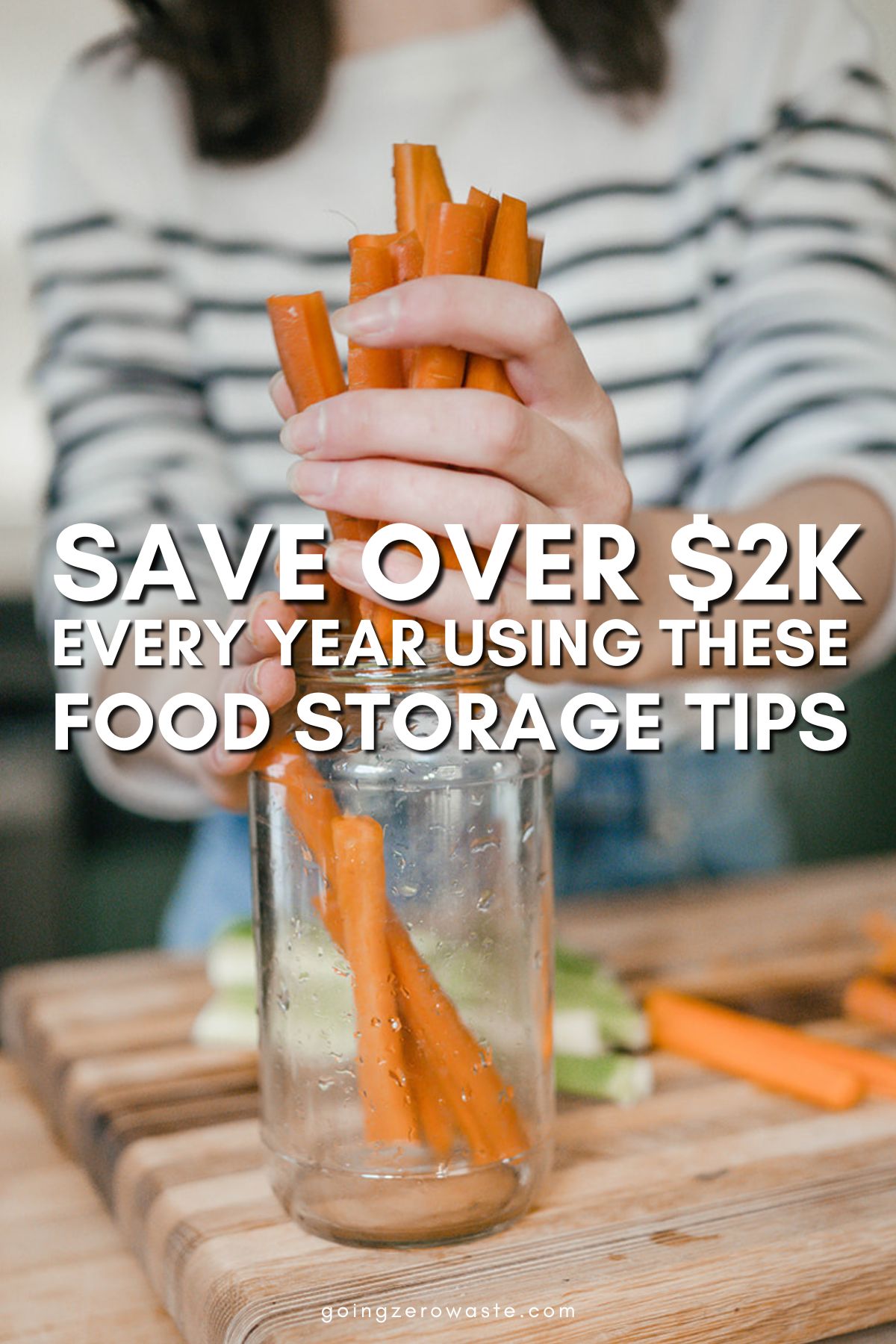
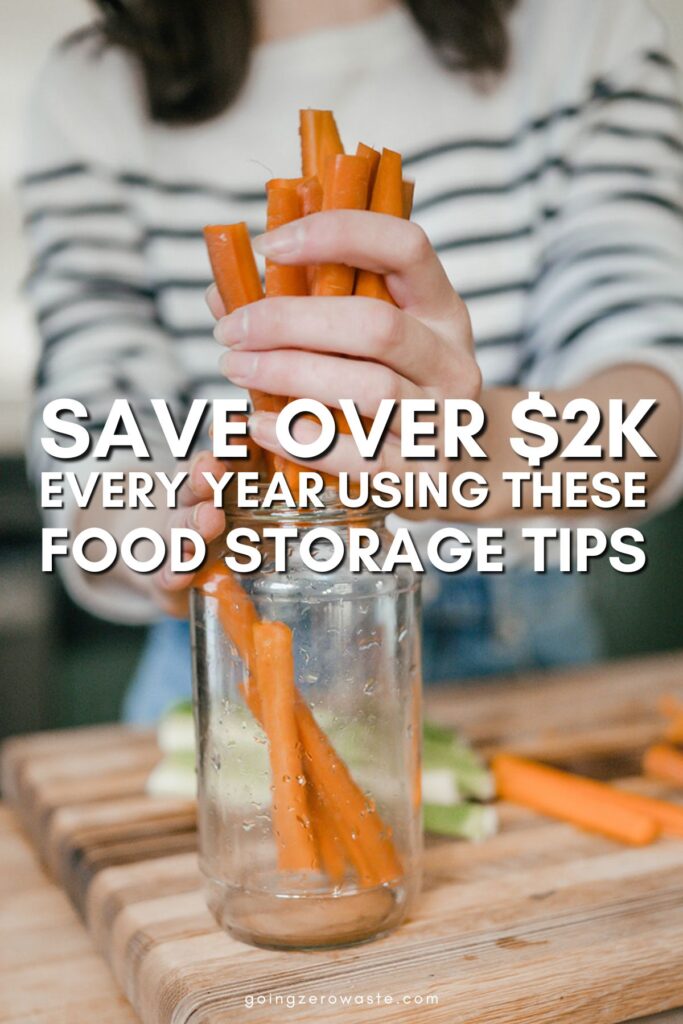
- Root Vegetables: Carrots and radishes often come with green tops. These tops should be removed immediately, as they draw moisture away from the root. Carrots can be stored in a jar of water (changed every few days) to stay crunchy for weeks.
- Herbs: Soft herbs like cilantro and parsley should be treated like a bouquet of flowers—placed upright in a jar of water with a light cover over the leaves.
Innovative Alternatives to Plastic Storage
As consumers move away from single-use plastics, several sustainable technologies have emerged as superior alternatives for food preservation.
Cotton Preservation Bags
Scientifically designed unbleached cotton bags, such as "The Swag," utilize a multi-layer system to keep produce hydrated while allowing it to breathe. By dampening the bag, the consumer creates a humid environment that mimics a professional produce mister, potentially extending the life of vegetables by two weeks or more.
Silicone Technology
Food-grade silicone, popularized by brands like Stasher, offers a non-toxic, airtight seal. Unlike plastic, silicone is temperature-resistant, meaning it can move from the freezer to boiling water or the oven without leaching chemicals. These are particularly effective for freezing fruit for smoothies or storing soups and stocks.
Glass and Borosilicate Containers
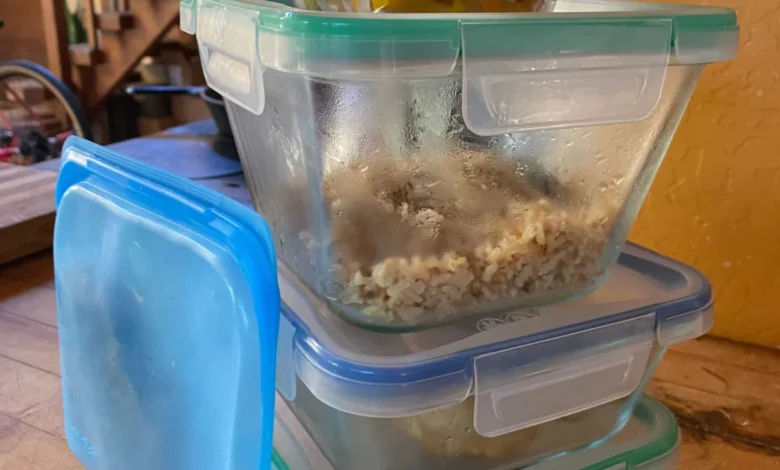
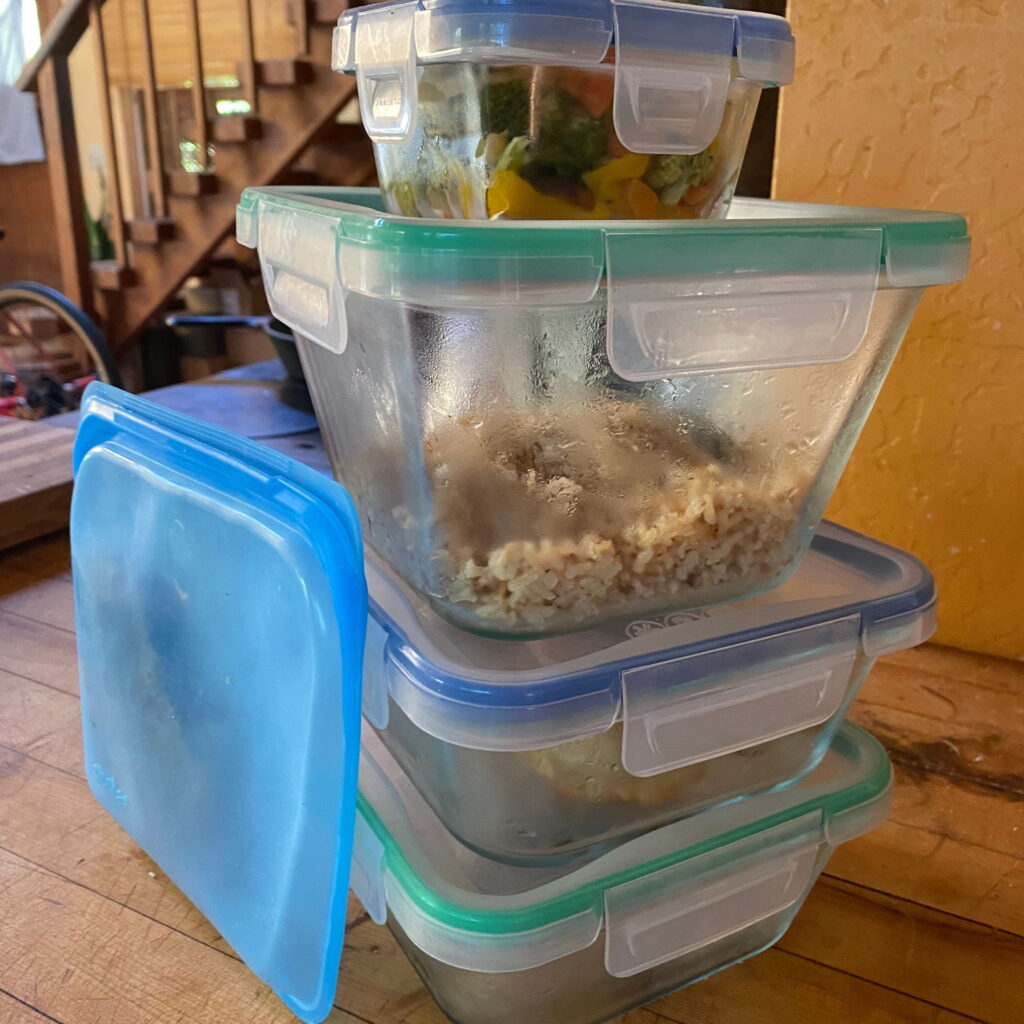
Glass is the gold standard for food safety. It is non-porous, does not absorb odors, and provides a clear view of the contents, which reduces the "forgotten food" syndrome. Borosilicate glass, in particular, is engineered to withstand thermal shock, making it ideal for meal prepping where food may be moved rapidly between different temperatures.
Beeswax Wraps
For items like cheese, bread, or half-cut vegetables, beeswax wraps provide a compostable alternative to plastic cling wrap. The natural antibacterial properties of beeswax and jojoba oil help protect the food while allowing a small amount of airflow, preventing the "sweating" that often occurs under plastic.
Broader Impact and Policy Implications
The shift toward better food storage is more than a household hack; it is a vital component of national food security. Organizations like ReFED (Researching Incentives and Outcomes to Stop Food Waste) argue that consumer education is one of the most cost-effective ways to reduce the 63 million tons of food wasted in the U.S. annually.
Governmental bodies are beginning to take note. Some states have implemented organic waste bans in landfills, forcing a more conscious approach to food management. Analysts suggest that if household food waste were reduced by even 20 percent, it could provide enough food to close the "hunger gap" for millions of food-insecure Americans while simultaneously saving billions in economic value.
In conclusion, the transition to plastic-free, zone-based food storage is a practical response to a global crisis. By understanding the science of respiration, the mechanics of refrigeration, and the benefits of sustainable materials, consumers can significantly reduce their environmental footprint and reclaim thousands of dollars in lost household income. The goal is a "zero-waste" kitchen where food is treated as a valuable resource rather than a disposable commodity.
Related posts: