20+ Tips for Creating a Classroom that Nurtures Social-Emotional Development

The Evolution of Inclusive Pedagogical Frameworks
The historical trajectory of early childhood education in the United States has moved through several distinct phases, from the initial push for desegregation to the modern mandates defined by the Individuals with Disabilities Education Act (IDEA). Over the past three decades, research has consistently indicated that the most effective classrooms are those that utilize universal design principles. The MTSS framework, which serves as the backbone of the updated guidance in Blended Practices, originated from efforts to prevent learning failures by providing "tiered" interventions.
The universal tier, often referred to as Tier 1, is designed to support the needs of all children within a classroom, regardless of their developmental trajectory. By standardizing these practices, educators create a predictable, stable environment that mitigates the need for more intensive, individualized interventions later on. This proactive approach is grounded in the understanding that social-emotional competence is not an innate trait but a skill set that must be explicitly taught and reinforced through environmental structure and pedagogical consistency.

The Science of Physical Environments in Early Learning
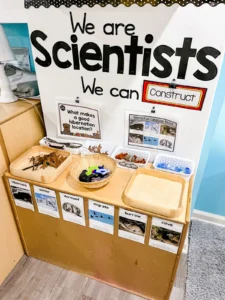
Data from the National Center for Education Statistics (NCES) suggests that the quality of the physical learning environment is a primary predictor of student engagement levels. When classrooms are designed with purposeful traffic patterns and clear activity zones, instances of challenging behavior decrease significantly. The physical environment serves as the "silent teacher," signaling to the child how they are expected to interact with their peers and their materials.
Effective implementation involves more than just aesthetics; it requires a strategic audit of how materials are displayed and accessed. Accessibility is the key component—when a child can independently select and manipulate toys, their sense of agency increases, which in turn reduces frustration. Furthermore, research into culturally responsive teaching emphasizes that the classroom must reflect the diverse backgrounds, family structures, and physical abilities of the student body. This visual representation fosters a sense of belonging, which is the foundational psychological requirement for social-emotional growth. When children see their lives mirrored in the classroom, they are more likely to participate in prosocial behaviors, such as sharing and turn-taking, which are essential precursors to formal academic collaboration.
Optimizing Schedules and Minimizing Transitions
Transitions are historically identified as the "stress points" of the early childhood day. Whether it is moving from circle time to center play or shifting from indoor play to outdoor recess, these moments of change frequently trigger dysregulation in young learners. According to developmental psychologists, the primary cause of this stress is a lack of predictability. Children who struggle to anticipate the sequence of their day often experience heightened levels of cortisol, which interferes with their executive functioning.

The strategy proposed in the new edition of Blended Practices emphasizes "buffer time" and visual scheduling. By utilizing picture schedules that allow children to see what comes next, educators reduce the anxiety associated with the unknown. Furthermore, the practice of providing "five-minute warnings" before a transition allows children the cognitive space to wrap up their current tasks. Research indicates that when transitions are carefully planned, the time lost to classroom management decreases by approximately 20% to 30%, effectively reclaiming time for instruction and play. Inconsistent routines are identified as a primary contributor to teacher burnout, as they force educators to spend their energy on corrective discipline rather than proactive teaching.
Establishing Program-Wide Behavioral Expectations
The adoption of a program-wide Positive Behavior Interventions and Supports (PBIS) plan represents a systemic shift in how schools handle discipline. Rather than focusing on punitive measures for "bad" behavior, the goal is to define, teach, and acknowledge prosocial behaviors. This requires a collaborative effort where all staff members—from lead teachers to classroom aides—use the same language and the same expectations.
For instance, rather than a rule that states "Don’t hit," a PBIS-aligned classroom would implement a rule such as "Use gentle hands." This reframing is critical; it provides the child with a positive action to perform rather than a negative one to avoid. Once these expectations are established, they must be taught with the same rigor as literacy or numeracy. Educators are encouraged to model these behaviors, role-play scenarios, and provide immediate positive reinforcement when children meet these expectations. This consistent reinforcement cycle builds what developmental scientists call "self-efficacy," the belief in one’s own ability to navigate social situations successfully.

Broader Implications for Special and General Education
The publication of this third edition arrives at a critical juncture for the educational sector. As the definition of "inclusive settings" continues to expand, the professional development needs of teachers have reached an all-time high. A recent survey conducted by the Council for Exceptional Children highlighted that while 85% of general education teachers feel responsible for the success of students with disabilities in their classrooms, less than 40% feel adequately prepared to provide the necessary behavioral supports.
The "blended" approach advocated by authors Jennifer Grisham, Mary Louise Hemmeter, and their colleagues seeks to dismantle the traditional silos between special education and general education. By providing a unified strategy that works for all students, the model reduces the stigma often associated with pull-out programs. When a classroom is designed for the success of the most vulnerable, it inevitably becomes a higher-quality environment for all children.
Conclusion and Future Outlook
The implications of these strategies extend far beyond the classroom walls. Social-emotional literacy is widely recognized by economists and sociologists as a key determinant of long-term workforce readiness and civic participation. Students who develop strong self-regulation and social problem-solving skills in their early years are statistically less likely to face academic failure or behavioral challenges in middle and high school.

As schools move toward more inclusive models, the reliance on evidenced-based, multitiered support systems will become the gold standard. The guidance provided in Blended Practices for Teaching Young Children in Inclusive Settings serves as a critical resource for practitioners tasked with the immense responsibility of shaping these early developmental windows. By prioritizing the universal strategies—the design of the environment, the flow of the schedule, and the clarity of behavioral expectations—educators can build a foundation that supports the diverse needs of every child, ensuring that no student is left behind in the pursuit of academic and social excellence. The success of these initiatives will ultimately be measured by the ability of early childhood programs to adapt these frameworks to their unique local contexts while maintaining the integrity of the core pedagogical principles.