Healthy Beef and Broccoli: A Nutritional Analysis and Culinary Evolution of a Takeout Staple


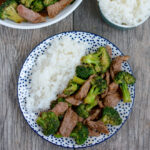
The traditional American-Chinese dish known as beef and broccoli has long served as a staple in the quick-service dining sector, yet its nutritional profile—often characterized by high sodium content, excessive refined sugar, and heavy oil usage—has prompted a significant shift in home-cooking methodology. As public awareness regarding dietary health and chronic disease prevention grows, home cooks and culinary professionals alike are re-evaluating this classic recipe to prioritize lean proteins, fiber-rich vegetables, and controlled ingredient ratios.
The Evolution of the Dish
Originating from Cantonese culinary traditions, the stir-fry method of combining thinly sliced beef with broccoli was adapted for Western palates in the mid-20th century. While historically celebrated for its efficiency and flavor profile, the commercial iteration of the dish often utilizes high-sodium soy sauces, cornstarch-heavy thickeners, and significant quantities of vegetable oils for the searing process.
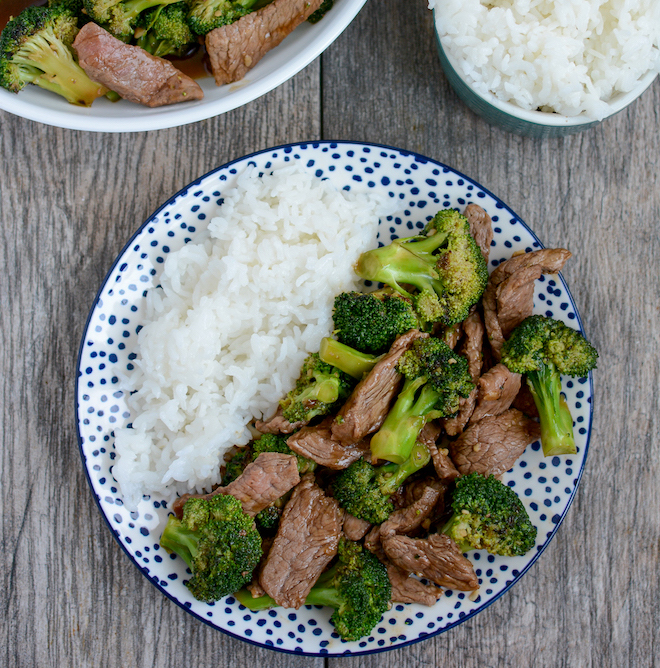
Recent culinary trends indicate a pivot toward "lightened-up" versions of such classics. Registered Dietitians and nutritionists emphasize that the core components of the dish—beef (a source of iron, zinc, and B-vitamins) and broccoli (a cruciferous vegetable rich in Vitamin C, K, and fiber)—are fundamentally nutrient-dense. The challenge lies in the preparation, specifically the reduction of processed additives without compromising the sensory appeal of the dish.
Technical Challenges in Home Preparation
A common point of contention for home cooks attempting to replicate restaurant-quality beef and broccoli is the texture of the protein. Commercially, restaurants often employ a technique known as "velveting," where meat is marinated in starch and egg whites before being briefly deep-fried or sautéed.
To achieve a tender result without the excessive fat of a deep-fryer, home-based culinary experts suggest two critical technical steps: slicing the beef against the grain and employing precise cooking times. Cutting against the grain shortens the muscle fibers, which reduces toughness. Furthermore, rapid cooking at high heat prevents the meat from becoming rubbery. To manage the broccoli’s texture, the addition of small amounts of water to the pan facilitates a steam-cooking process, allowing the vegetable to soften without requiring large volumes of oil.
Comparative Nutritional Analysis
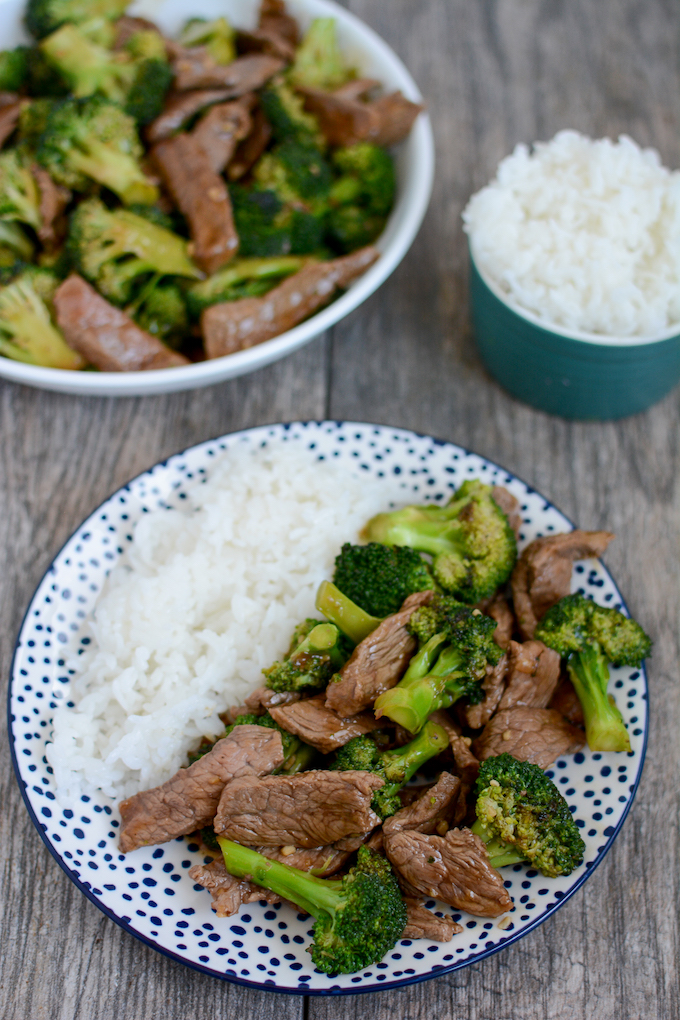
When evaluating the nutritional impact of a standard restaurant-style beef and broccoli versus a modified home-prepared version, the primary variance lies in the "hidden" calories.
- Sodium Reduction: Traditional soy sauce contains approximately 900mg of sodium per tablespoon. By substituting low-sodium tamari or reduced-sodium soy sauce, home cooks can reduce the sodium load by up to 30% to 50% per serving.
- Sugar Control: Many commercial sauces rely on high-fructose corn syrup or brown sugar to achieve a glossy, sweet finish. Substituting these with ginger, garlic, and aromatics creates a savory depth that necessitates far less added sugar.
- Oil Management: By utilizing non-stick cooking surfaces or stainless steel pans with a light coating of heart-healthy oils like avocado or olive oil, the total fat content can be significantly lower than the heavy-oil stir-fries found in commercial kitchens.
Chronology of Preparation and Efficiency
The popularity of the dish in the modern household is largely attributed to its time-efficiency. Under optimized conditions, the preparation timeline is as follows:
- Prep Phase (10 minutes): Slicing beef (often facilitated by partial freezing to ensure uniform, thin cuts) and preparing fresh broccoli florets.
- Aromatics (2 minutes): Sautéing fresh ginger and garlic to create a flavor base.
- Protein Searing (3–5 minutes): Rapid cooking of the beef to ensure it remains medium-rare to medium.
- Vegetable Integration (3–5 minutes): Adding broccoli and liquid (water or broth) to steam the florets to a crisp-tender consistency.
- Finishing (2 minutes): Incorporating the sauce—a mixture of soy, aromatics, and a small amount of starch—to bind the ingredients.
Total production time is consistently reported under 20 minutes, a factor that contributes to its endurance as a preferred weeknight dinner option for busy households.
Broader Implications of Nutritional Literacy
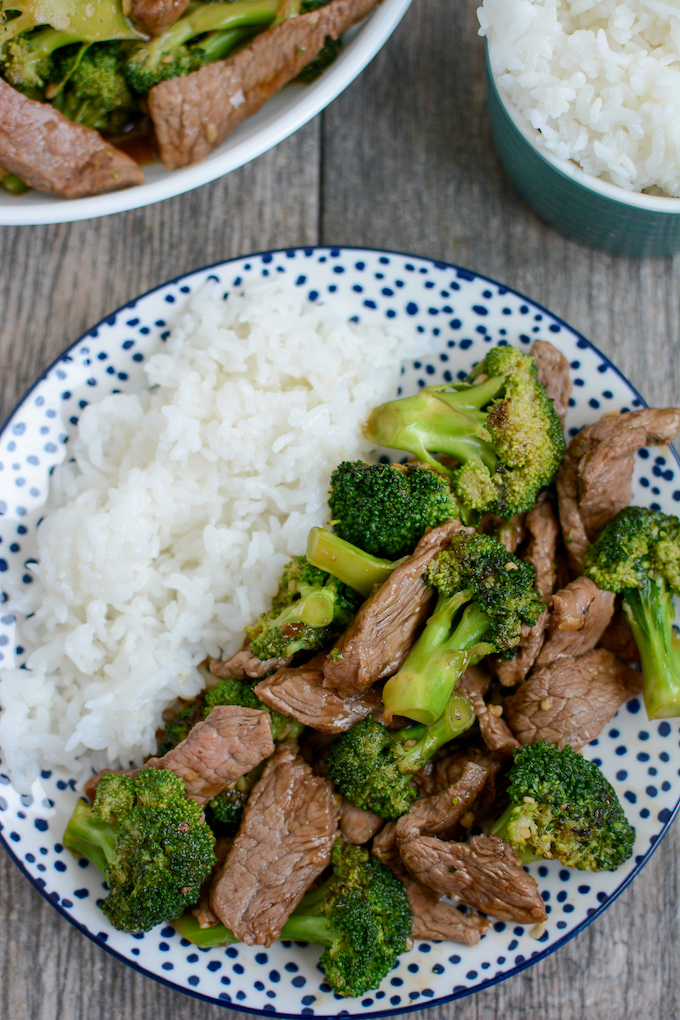
The transition toward home-cooked versions of restaurant staples reflects a broader trend in public health: the demand for transparency and control over ingredient intake. Nutritionists argue that when consumers understand the impact of simple swaps—such as replacing refined sugars with aromatics or utilizing steaming instead of frying—they are more likely to maintain healthy eating patterns long-term.
Furthermore, the rise of "slow cooker" adaptations has expanded the dish’s utility. By allowing for a lower-temperature, longer-duration cooking process, individuals can tenderize tougher, more economical cuts of beef, such as flank or round steak, while still maintaining the flavor integrity of the sauce. This adaptation also highlights the versatility of the dish, which can be served alongside various bases including quinoa, brown rice, or cauliflower rice, depending on individual dietary requirements (such as low-carbohydrate or gluten-free diets).
Expert Perspective: The Role of Dietary Flexibility
Registered Dietitians often note that the "healthfulness" of a meal is not determined by a single dish but by the overall balance of a diet. Beef and broccoli, when prepared at home, serves as an excellent vehicle for increasing vegetable consumption.
"The goal is not to eliminate these classic flavors, but to modernize the preparation," notes industry analysts. "When we strip away the excessive sodium and added refined sugars, we are left with a dish that provides a substantial amount of protein and essential micronutrients. The inclusion of garlic and ginger not only provides flavor but also introduces bioactive compounds known for their anti-inflammatory properties."
Conclusion and Future Outlook
As the food industry continues to evolve, the distinction between "takeout" and "homemade" is becoming increasingly blurred by the availability of resources that teach efficient, health-conscious cooking. The beef and broccoli stir-fry remains a relevant subject of study for home economists and nutritionists alike, serving as a prime example of how traditional cultural dishes can be adapted to fit modern nutritional guidelines without sacrificing the culinary experience.
For the average consumer, the ability to control ingredient quality and quantity—specifically regarding the reduction of sodium and fats—represents a critical step toward dietary autonomy. As research continues to confirm the benefits of home-prepared, whole-food-based meals, it is expected that the demand for recipes that prioritize both speed and nutrition will continue to rise, further cementing the status of beef and broccoli as a modern, health-conscious staple.