How to Make Easy After School Snack Crackers Kids Can Build Themselves

The transition from the structured environment of the school day to the unstructured hours of the late afternoon presents a perennial challenge for parents and caregivers worldwide. During this critical window, typically between 3:00 PM and 6:00 PM, children experience a natural decline in blood glucose levels following lunch, leading to demands for immediate nourishment. However, providing a snack that successfully bridges the gap until dinner without spoiling a child’s appetite for the evening meal requires a careful balance of macronutrients. Pediatric nutritionists and child psychologists have long studied the dynamics of the after-school snack hour, noting that involving children directly in the preparation of their food not only fosters autonomy and fine motor skills but also significantly increases their willingness to try new, nutrient-dense foods. In response to this daily culinary dilemma, a growing trend among family wellness advocates focuses on interactive, assembly-style snacks that require zero cooking, minimal preparation time, and utilize accessible pantry staples. Among the most popular and adaptable solutions emerging in modern households is the customizable graham cracker snack board, a culinary concept designed to deliver a harmonious blend of complex carbohydrates, healthy fats, and protein without the need for complex kitchen appliances or lengthy prep work.
The logistical framework of the after-school snack routine relies heavily on speed, simplicity, and visual appeal. Modern family schedules are increasingly congested with extracurricular activities, homework obligations, and professional commitments, leaving little room for elaborate culinary preparations during the late afternoon hours. Consequently, food preparation methods that eliminate the stove and oven while still offering a wholesome profile have surged in popularity. The graham cracker snack approach leverages a familiar, mildly sweet base that appeals universally to children, transforming a standard pantry item into a versatile canvas for culinary creativity. By pairing these crackers with nutrient-dense spreads such as peanut butter, almond butter, or whipped cream cheese, and topping them with fresh fruits like bananas, apples, strawberries, and blueberries, caregivers can provide a balanced snack that satisfies both physiological hunger and psychological cravings for fun, engaging food. Furthermore, this method aligns with contemporary educational and developmental philosophies that encourage experiential learning through food, allowing children to practice decision-making, portion control, and basic food assembly safely and independently.
To understand the broader implications of the after-school snacking phenomenon, it is necessary to examine the dietary recommendations set forth by pediatric health organizations. According to recent data from public health agencies, children require consistent energy intake throughout the day to support cognitive function, physical growth, and emotional regulation. However, standard commercial snack foods—often heavily processed, high in refined sugars, and devoid of fiber—can cause rapid spikes and subsequent crashes in blood sugar, exacerbating afternoon irritability and fatigue. Nutrition experts emphasize the importance of pairing carbohydrates with proteins and healthy fats to slow digestion and sustain energy levels over a longer period. The combination of graham crackers with nut butter or dairy-based spreads and fresh fruit naturally achieves this balance. The complex carbohydrates and fiber present in whole-grain or standard graham crackers, combined with the monounsaturated fats and plant-based proteins found in nut butters, provide sustained fuel for growing bodies. Additionally, the inclusion of fresh fruit introduces essential vitamins, minerals, and dietary antioxidants, transforming a simple snack into a nutritionally sound mini-meal.
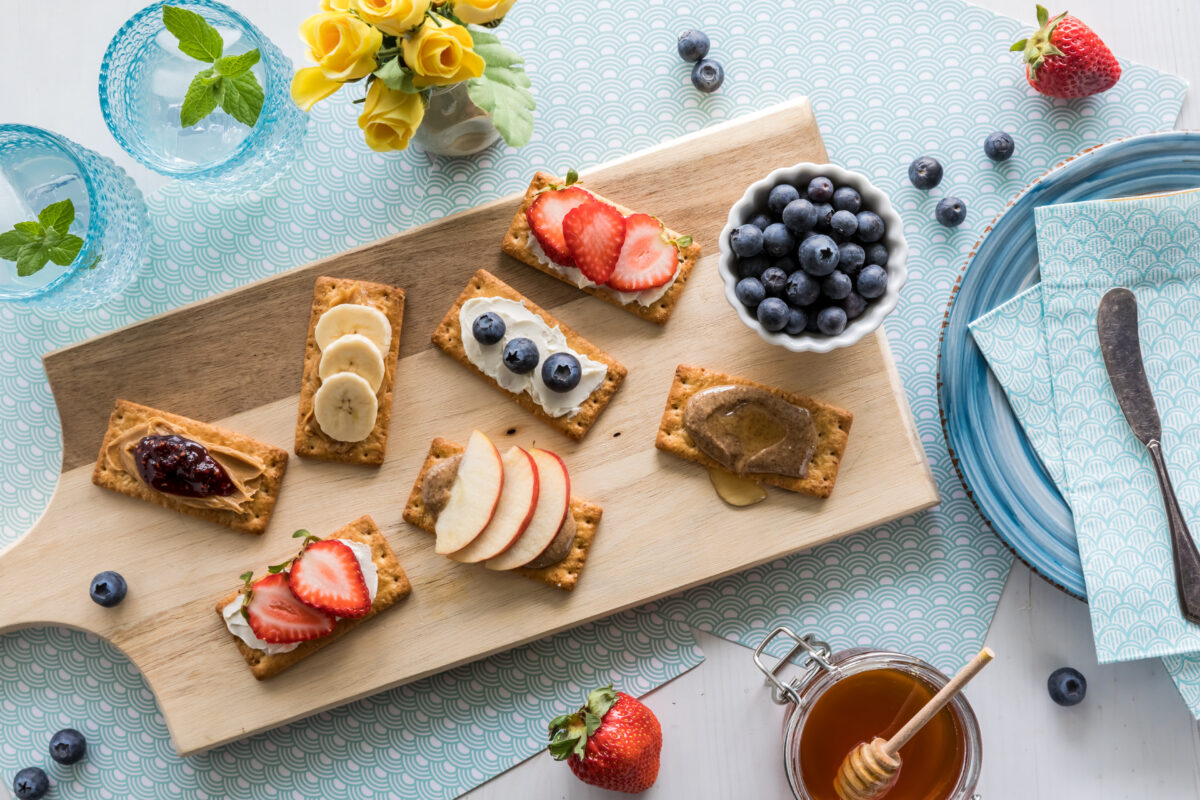
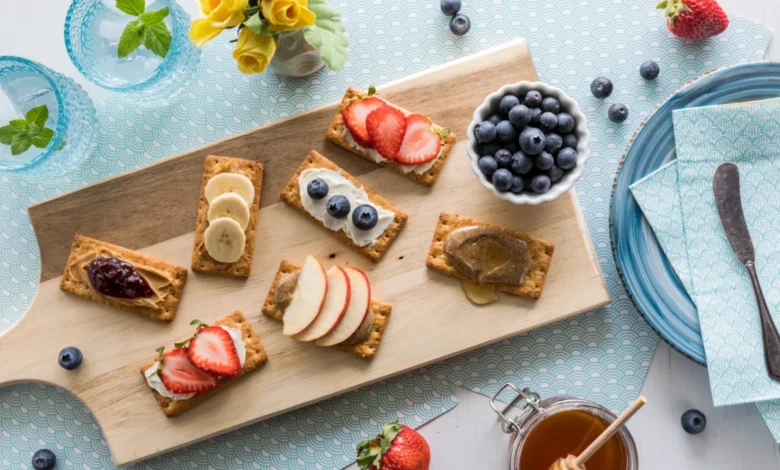
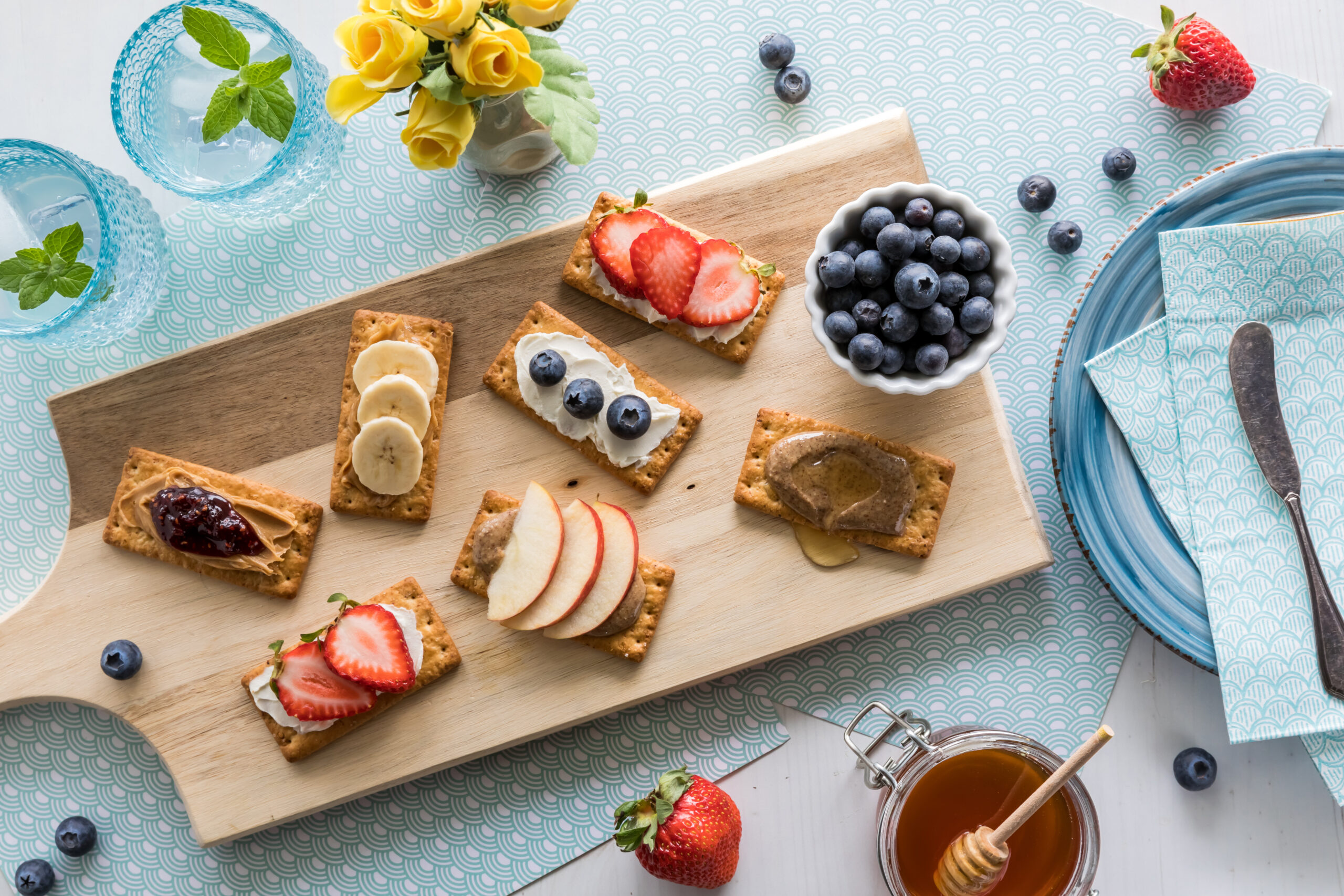
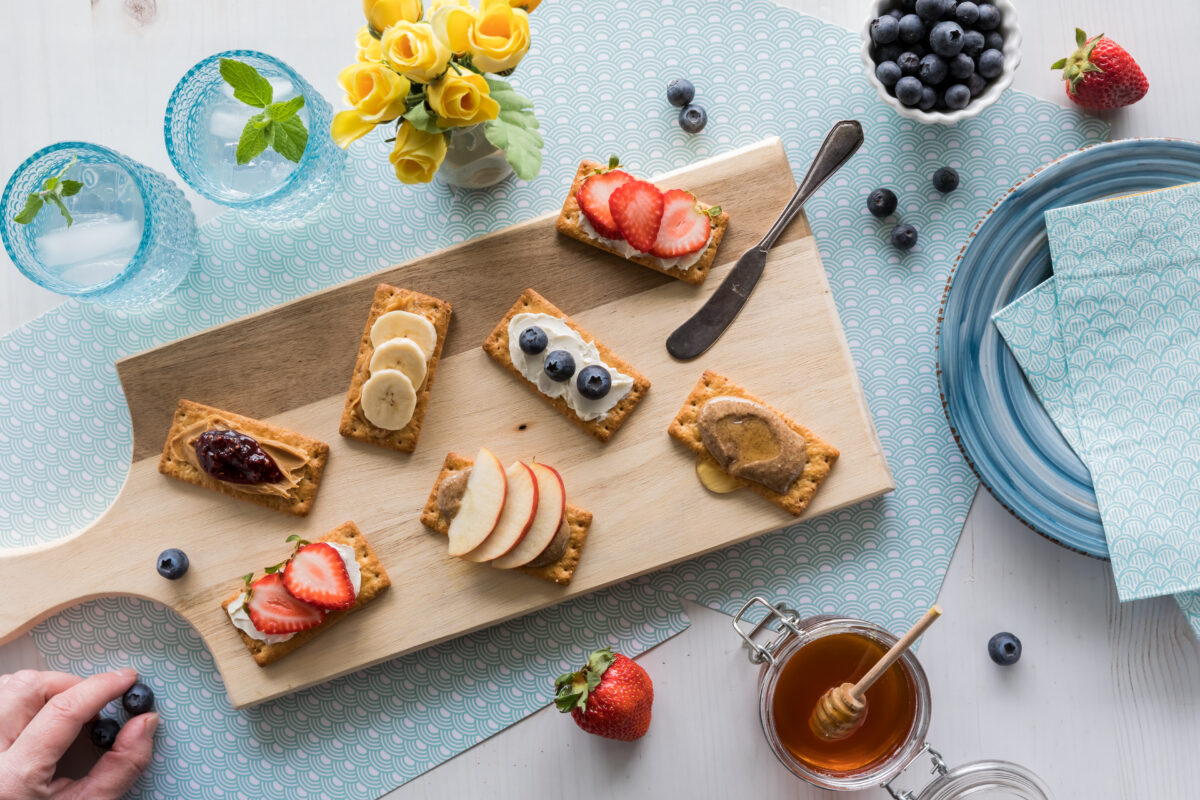
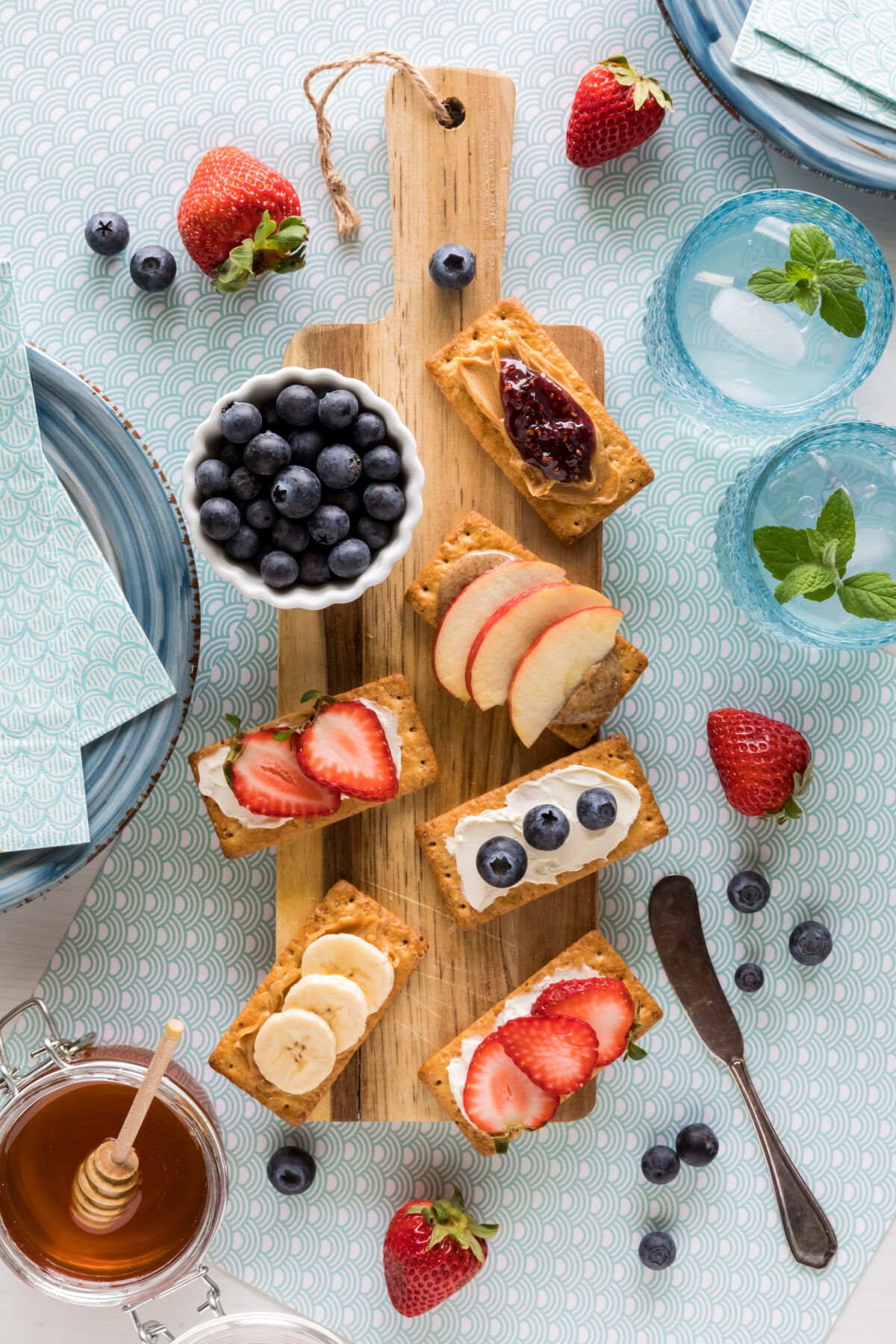
The practical execution of the graham cracker snack system centers around the concept of the "snack board" or buffet-style station. By arranging various components on a wooden board or a series of small platters, parents can establish an interactive environment that caters to multiple children with diverse taste preferences. This methodology is particularly effective in households with siblings who exhibit vastly different culinary inclinations or dietary restrictions. The foundational elements typically include sturdy graham cracker squares, which are structurally superior to thin, delicate crackers because they withstand the weight of heavier spreads without fracturing easily. Surrounding the crackers are small bowls containing protein-rich spreads—such as creamy or crunchy peanut butter, almond butter, sun butter for allergy-conscious environments, and whipped cream cheese—alongside an assortment of thinly sliced fresh fruits. Common pairing combinations include peanut butter matched with potassium-rich banana slices, almond butter accented by crisp apple rounds and a dusting of cinnamon, and mild cream cheese topped with antioxidant-dense blueberries or vibrant strawberry slices. This modular approach ensures that every child can customize their creation to match their specific sensory preferences while maintaining a balanced nutritional profile.
The chronological workflow of assembling an after-school snack board requires approximately ten minutes of active preparation, making it an ideal solution for time-strapped caregivers. The process begins with gathering the necessary ingredients from the pantry and refrigerator. First, the fresh fruit must be thoroughly washed and properly dried; culinary experts note that excess moisture on berries can compromise the structural integrity of the graham crackers, leading to a soggy texture if the snacks are not consumed immediately. Next, apples and bananas should be sliced thinly. Thin slices are crucial not only for aesthetic presentation but also for functional reasons, as they are easier to balance on top of the crackers and significantly safer for younger children to bite through without choking or dropping toppings. Simultaneously, if using cream cheese, allowing the dairy product to sit at room temperature for a brief period ensures a smooth, pliable consistency that spreads effortlessly across the cracker base without causing it to break. Once the components are prepped, they are arranged on a clean cutting board or serving platter alongside butter knives or small spreaders designed for children’s hands.
Child development specialists and educators have voiced strong support for food assembly activities as a means of building self-reliance and encouraging adventurous eating habits among children. When children are given agency over the construction of their snacks, psychological barriers related to unfamiliar foods tend to diminish. A child who might normally reject an apple or a specific type of nut butter when served passively on a plate is far more likely to sample it when they have personally selected, arranged, and assembled it onto a cracker base. This hands-on engagement transforms eating from a passive, routine chore into an active, creative exercise. Furthermore, the activity provides a natural opportunity for parents to introduce foundational concepts of kitchen safety, basic food hygiene, and nutritional literacy. By guiding children to portion out their own spreads and select a balance of fruit and protein, caregivers can instill lifelong habits of mindful eating and food appreciation in a low-pressure, enjoyable setting.
The economic and logistical advantages of utilizing pantry staples for after-school snacks cannot be overstated in the context of modern household budgeting. With grocery prices subject to continuous fluctuation, families are increasingly seeking versatile ingredients that can serve multiple culinary purposes throughout the week. Graham crackers, jars of nut butter, and seasonal fresh produce are staples that boast a relatively long shelf life and can be repurposed across breakfast items, lunchbox additions, and baking projects. Unlike pre-packaged, single-serving convenience snacks—which often carry a significant financial premium and generate excessive packaging waste—a modular snack board utilizes bulk ingredients that can be adjusted precisely to the desired volume. This flexibility minimizes food waste, as unused fruit can be stored safely in the refrigerator for subsequent meals, and leftover crackers remain sealed in their packaging for future use. Consequently, the snack cracker system represents an economically sustainable alternative to commercial snack products without sacrificing convenience or appeal.
Public health analysts observing family nutrition trends note that the shift toward customizable, whole-food snacking reflects a broader cultural movement away from highly processed convenience foods and toward mindful, participatory home preparation. As consumers become more discerning regarding ingredient lists and nutritional transparency, recipes that rely on recognizable, whole-food components are gaining traction across mainstream culinary media and parenting platforms. The graham cracker snack concept exemplifies this transition by bridging the gap between nostalgic, comforting flavors and modern nutritional standards. By utilizing natural sweeteners like honey or fruit rather than refined additives, and by emphasizing the inclusion of fresh produce and healthy fats, this approach satisfies contemporary dietary guidelines while retaining the playful, comforting qualities that children naturally gravitate toward during the demanding after-school hours.
In summary, the implementation of easy after-school snack crackers offers a multifaceted solution to one of the most common daily friction points in family life. By combining speed, nutritional balance, and interactive preparation, this culinary approach addresses the physiological needs of hungry children while supporting their cognitive and developmental growth. Whether utilized as a quick fix for an individual child or expanded into an elaborate snack board for a group playdate, the method provides endless versatility through customizable combinations of nut butters, spreads, and fresh fruits. Through careful attention to ingredient preparation, such as slicing fruit thinly and ensuring spreads are pliable, caregivers can create a seamless, enjoyable experience that transforms the transitional hours between school and dinner into a moment of creativity, connection, and wholesome nourishment.