Maximizing Early Childhood Development Through Targeted ASQ Learning Activities and Strategic Parental Engagement

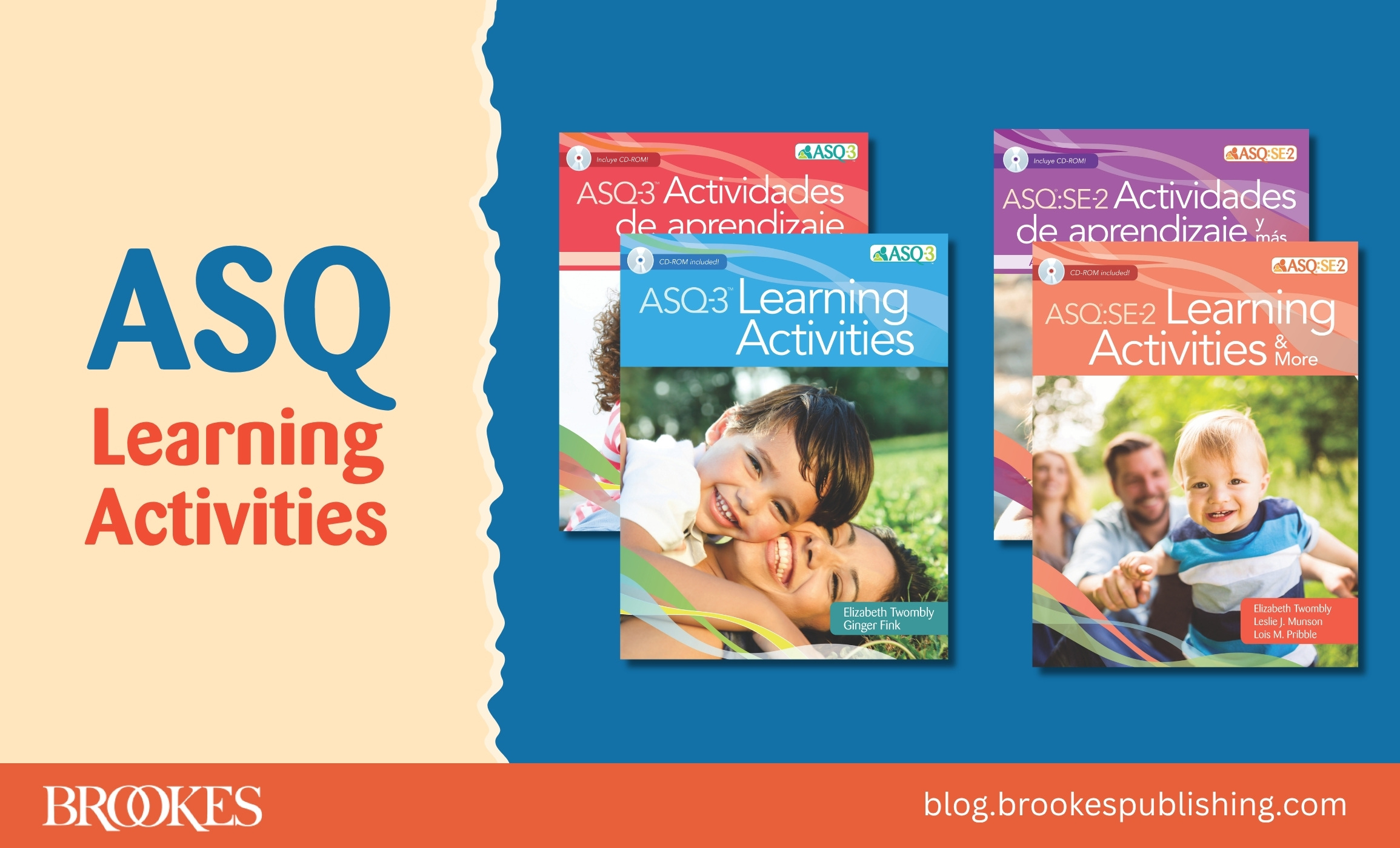
The implementation of developmental screening in early childhood education has long been recognized as a cornerstone of proactive pedagogical practice. By utilizing tools such as the Ages & Stages Questionnaires (ASQ-3 and ASQ:SE-2), educators and healthcare providers can establish a baseline for a child’s progress across critical domains, including communication, gross motor, fine motor, problem-solving, and personal-social development. However, the efficacy of these screenings is significantly bolstered when they are followed by structured, evidence-based interventions. The ASQ Learning Activities provide a formalized, cost-effective framework for practitioners to extend the benefits of screening into the home environment, ensuring that developmental milestones are not merely recorded, but actively supported.
The Evolution of Developmental Screening Protocols
The history of developmental surveillance in the United States has shifted significantly over the past three decades. The American Academy of Pediatrics (AAP) and the Centers for Disease Control and Prevention (CDC) have consistently emphasized that early identification of developmental delays is critical for optimizing long-term outcomes. ASQ, which originated from research at the University of Oregon in the 1990s, was designed to be a parent-completed, system-sensitive tool. Over time, the integration of supplementary "Learning Activities" has emerged as a standard of care for early childhood programs seeking to bridge the gap between screening and intervention.
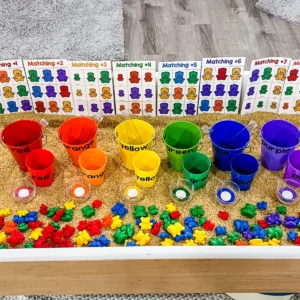
The chronological progression of an effective screening program generally follows a standard cycle: initial enrollment and screening, data interpretation, parent-teacher consultation, and the implementation of customized support plans. While the screening itself provides a "snapshot" of a child’s current abilities, the subsequent application of learning activities acts as a longitudinal support mechanism.
Supporting Data and Developmental Efficacy
Research consistently indicates that the period between birth and age five is the most critical window for brain development. According to data from the National Institute of Child Health and Human Development (NICHD), high-quality early childhood interventions can yield a return on investment of up to $7 to $13 for every dollar spent, primarily through reduced special education costs and improved economic outcomes in adulthood.
ASQ Learning Activities are designed to align with these findings by focusing on low-cost, high-engagement activities that parents can perform with minimal equipment. For instance, activities focusing on fine motor skills often involve common household items—paper, scissors, or building blocks—which removes economic barriers to participation. Data collected by practitioners using these tools suggests that consistent home-based reinforcement can lead to statistically significant improvements in scores during subsequent screening intervals, particularly for children categorized in the "monitoring" zone.

Analyzing the Four Core Scenarios for Intervention
Professional best practices for utilizing ASQ Learning Activities can be categorized into four distinct scenarios, each requiring a tailored approach from educators.
1. Sustaining On-Track Development
When a child’s screening results indicate that development is proceeding as expected, the goal shifts toward enrichment and preventative care. In these instances, practitioners provide parents with age-appropriate newsletters and tip sheets. For example, a child reaching the 60-month milestone who shows age-appropriate social-emotional regulation should be supported with resources that prepare them for the transition to kindergarten. This includes information on healthy eating, sleep hygiene, and media consumption habits. By providing these resources proactively, programs help parents build a home environment that preserves existing gains.
2. Targeted Monitoring and Early Support
When a child’s scores fall into the "monitoring" zone—indicating that they are at risk for falling behind but do not yet qualify for formal early intervention services—targeted activities become essential. Practitioners are advised to work directly with parents to implement specific exercises designed to bolster the identified area of concern. By assigning activities—such as creative arts or collaborative problem-solving games—and scheduling a follow-up screening in two months, educators create a feedback loop that allows for the rapid identification of progress or the need for more intensive evaluation.

3. Addressing Parent-Led Concerns
The screening process is as much an opportunity for parent-educator communication as it is a diagnostic event. Often, parents voice concerns about stressors such as behavioral changes, home environment transitions, or specific developmental anxieties, regardless of the child’s numerical score. In these scenarios, the professional response involves providing targeted "tip sheets" on topics such as positive discipline, stress management, or navigating major life changes. This validates the parent’s role as the primary expert on their child and fosters a collaborative relationship between the home and the learning environment.
4. Bridging the Gap for Non-Eligible Referrals
A recurring challenge in early childhood education is the "referral gap." A child may score in the referral range on an ASQ-3 or ASQ:SE-2, yet fail to meet the eligibility requirements for state-funded early intervention services. In these cases, the child is often left in a precarious position. Utilizing ASQ Learning Activities allows educators to provide parents with a structured roadmap for development at home. By covering all five developmental domains, parents can proactively support their child’s growth, ensuring that the absence of formal services does not lead to a stagnation in development.
Official Perspectives and Pedagogical Strategy
Educators and program administrators emphasize that the flexibility of these tools is their greatest strength. Because families bring diverse values, cultural backgrounds, and resources to the table, the implementation of ASQ Learning Activities is not intended to be rigid. Rather, practitioners are encouraged to adapt the activities to fit the unique context of each family.

"The goal is not to create a clinical environment at home," notes one early childhood policy analyst. "The goal is to provide parents with the tools to turn everyday interactions into meaningful learning opportunities." This perspective is widely shared by organizations that promote the use of the ASQ system, as it shifts the focus from "testing" to "supporting," which reduces parental anxiety and increases compliance with follow-up protocols.
Broader Impact and Long-term Implications
The broader impact of integrating these activities into standard practice is the professionalization of the parent-child relationship in an educational context. When schools and childcare centers provide concrete, actionable, and science-backed activities, they empower parents to become active participants in their children’s cognitive and emotional development.
This, in turn, has positive implications for the K-12 school system. Children who enter kindergarten with a solid foundation in both the academic and social-emotional domains are statistically more likely to demonstrate long-term academic success, higher graduation rates, and better mental health outcomes. Furthermore, the systematic use of these tools provides administrators with aggregate data that can be used to improve program quality and justify resource allocation for early childhood initiatives.

In conclusion, the ASQ Learning Activities function as a critical link in the chain of early childhood development. By transforming the results of a standardized screening into actionable home-based strategies, educators can ensure that no child’s developmental potential is left to chance. Whether a child is hitting all their milestones or requires additional support, the application of these resources provides a reliable, evidence-based path toward continued growth and school readiness.
Related posts: