The Ultimate Guide to Making Rustic Tuscan White Bean Soup at Home

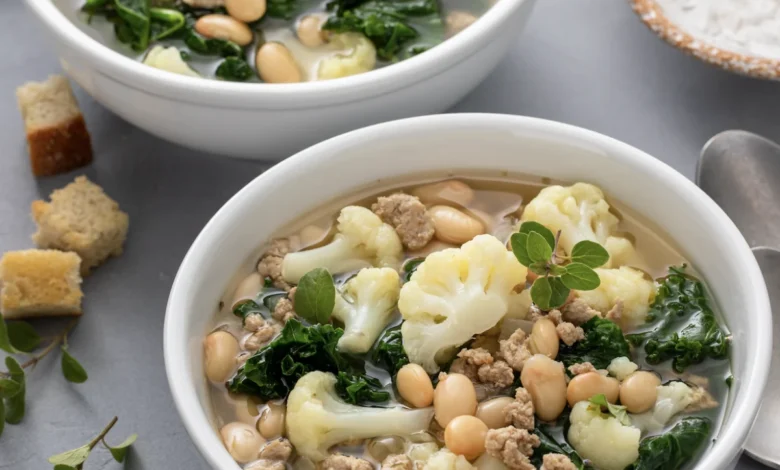
The culinary landscape of home cooking has seen a significant shift toward nutrient-dense, comforting, and easily adaptable weeknight dinners, leading food publication platforms to highlight traditional European-inspired dishes adapted for modern American kitchens. Among these, rustic Tuscan white bean soup has emerged as a preferred staple for households seeking a balance between high protein, vegetable-forward nutrition, and comforting flavors. Culinary experts note that the dish’s rising popularity aligns with broader consumer trends favoring one-pot meals, budget-friendly pantry ingredients, and meals that effortlessly accommodate dietary adjustments such as gluten-free or low-fat requirements.
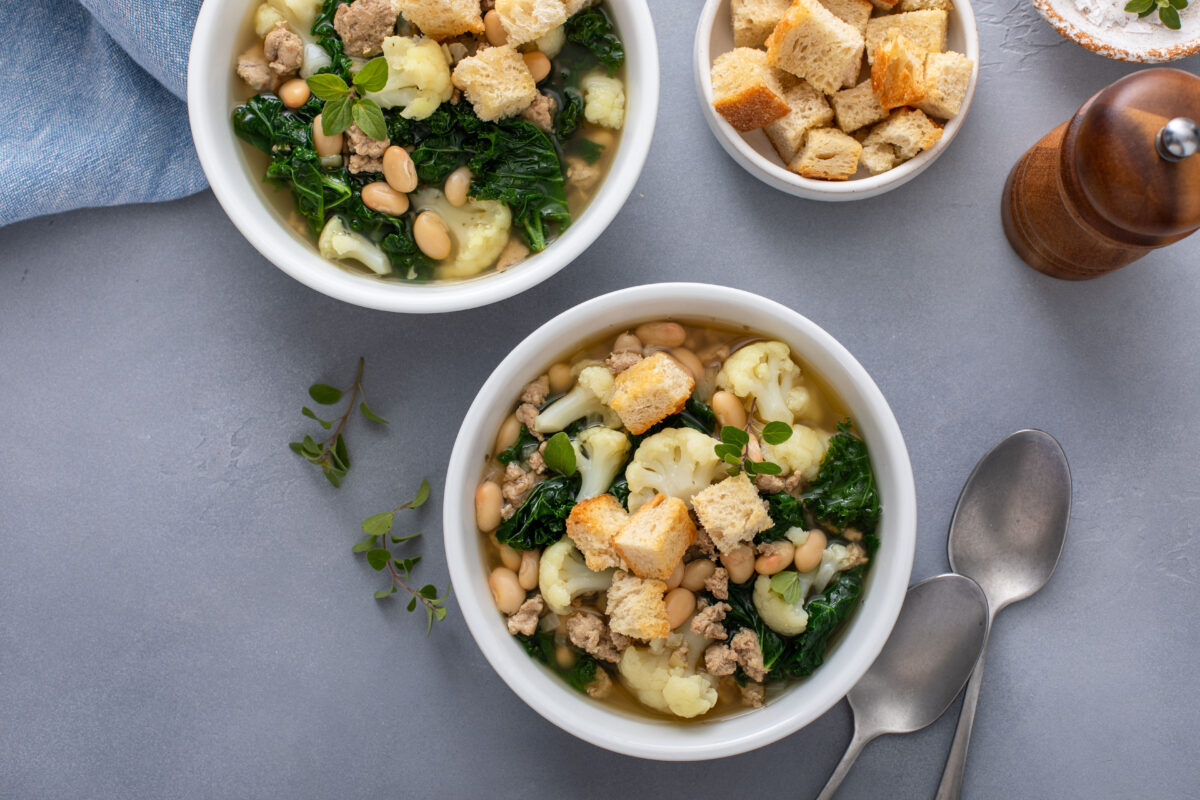
Originating from the central Italian region of Tuscany, traditional bean soups—historically known as cucina povera or peasant cuisine—were developed to maximize local, seasonal produce, legumes, and stale bread. Over centuries, these humble preparations evolved from regional subsistence dishes into internationally celebrated elements of the Mediterranean diet, widely praised by nutritionists for their cardiovascular and longevity benefits. Modern adaptations of the classic Tuscan white bean soup maintain the foundational inclusion of creamy legumes, aromatic vegetables, and leafy greens while introducing lean protein sources like mild Italian turkey sausage to meet contemporary dietary preferences.
Nutritional and Culinary Analysis
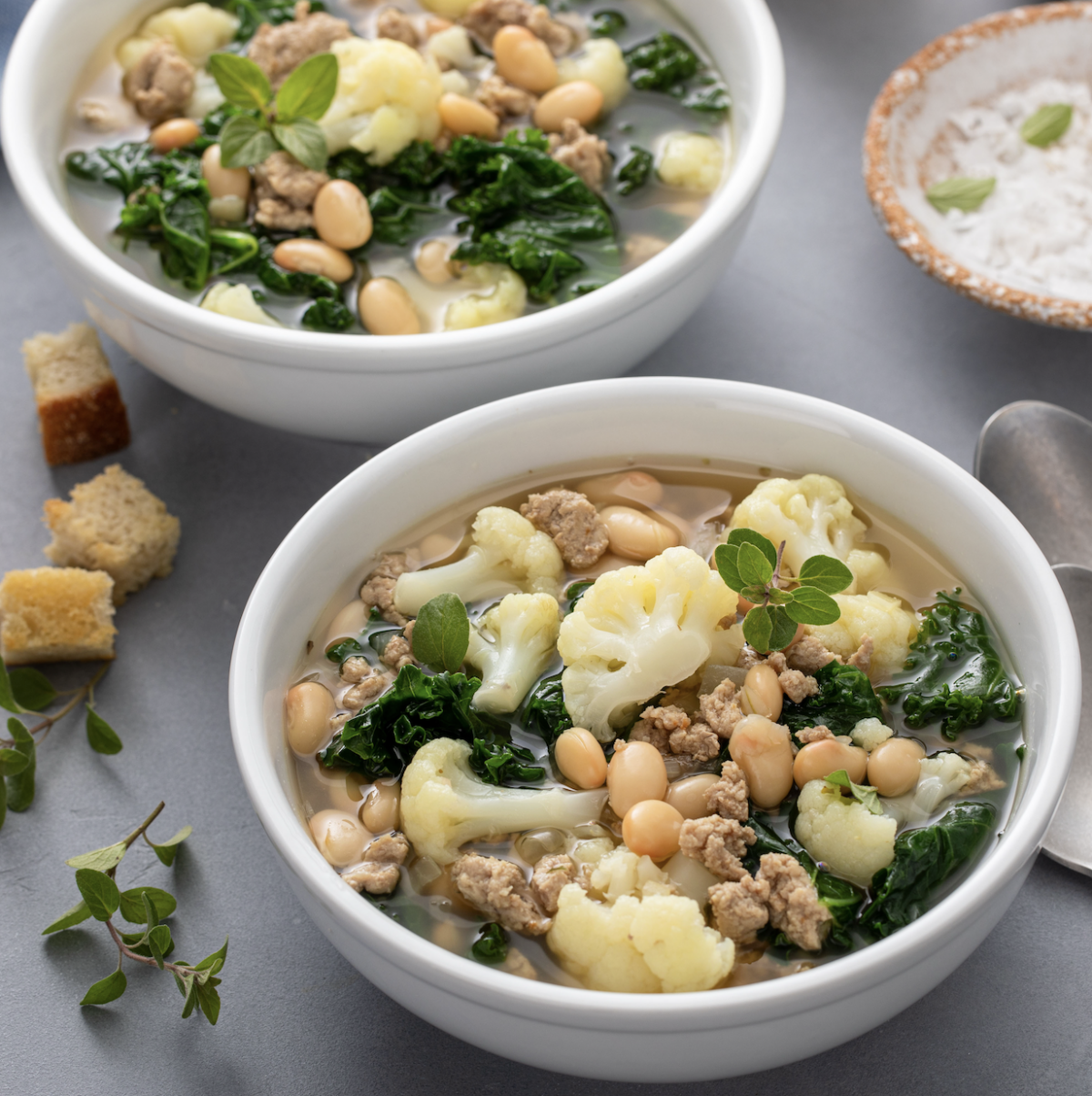
From a nutritional standpoint, the integration of cannellini beans and lean poultry provides a comprehensive macronutrient profile. Cannellini beans, prized for their velvety interior and structural integrity during prolonged simmering, supply substantial amounts of plant-based protein, complex carbohydrates, and dietary fiber. Dietary analysts indicate that incorporating fiber-rich legumes aids in glycemic control and digestive health, making bean-based soups a frequent recommendation in balanced meal planning.
Furthermore, the inclusion of cruciferous vegetables such as cauliflower and dark leafy greens like kale introduces vital micronutrients, including vitamins A, C, and K, alongside powerful antioxidants. Unlike heavier cream-based soups, a properly prepared Tuscan white bean soup achieves its luxurious mouthfeel through natural starch release—either by gently mashing a portion of the beans against the cooking vessel or by pureeing a cup of the bean-and-broth mixture. This culinary technique eliminates the necessity for heavy dairy while preserving a rich, satisfying texture.
Step-by-Step Preparation and Culinary Best Practices
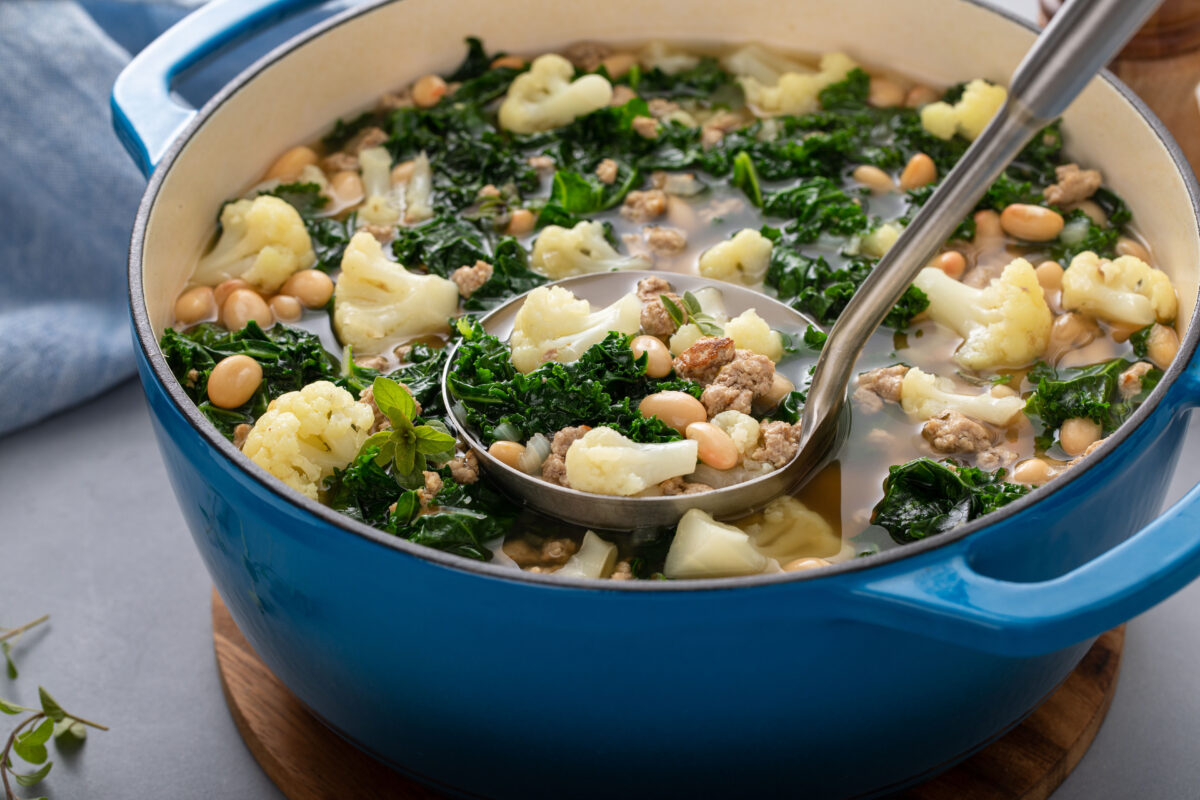
Achieving an optimal depth of flavor in a one-pot soup requires a deliberate sequence of cooking techniques. Professional chefs and culinary instructors recommend beginning by browning the protein—such as mild Italian turkey sausage—in a heavy-bottomed Dutch oven or stockpot. This initial searing process builds a savory fond on the bottom of the pan, which is subsequently deglazed with broth to release complex caramelized flavors.
Vegetable selection and timing are equally critical for texture control. Root vegetables like carrots and finely chopped cauliflower florets require extended simmering to reach tenderness, whereas leafy greens like kale or spinach cook rapidly. Introducing greens during the final stages of the cooking process prevents them from becoming overly limp or losing their vibrant color. Culinary specialists also emphasize the importance of finishing the dish with an acid, such as a splash of fresh lemon juice, to cut through the richness of the savory sausage and earthy beans, thereby balancing the overall flavor profile of the broth.
Adaptability Across Modern Cooking Appliances
The versatility of Tuscan white bean soup extends to modern kitchen appliances, making it highly adaptable for busy schedules. While traditional stovetop preparation requires approximately 45 minutes from start to finish—encompassing 15 minutes of active preparation and 30 minutes of simmering—alternative methods utilize slow cookers and electric pressure cookers to streamline the process.
For slow-cooker enthusiasts, the method involves pre-browning the turkey sausage to ensure optimal flavor development before transferring it to the appliance alongside the aromatics, broth, tomatoes, beans, and cauliflower. Cooking on low for five to six hours or on high for two and a half to three hours yields a tender, fully integrated stew, with the greens stirred in during the final twenty minutes of the cycle.
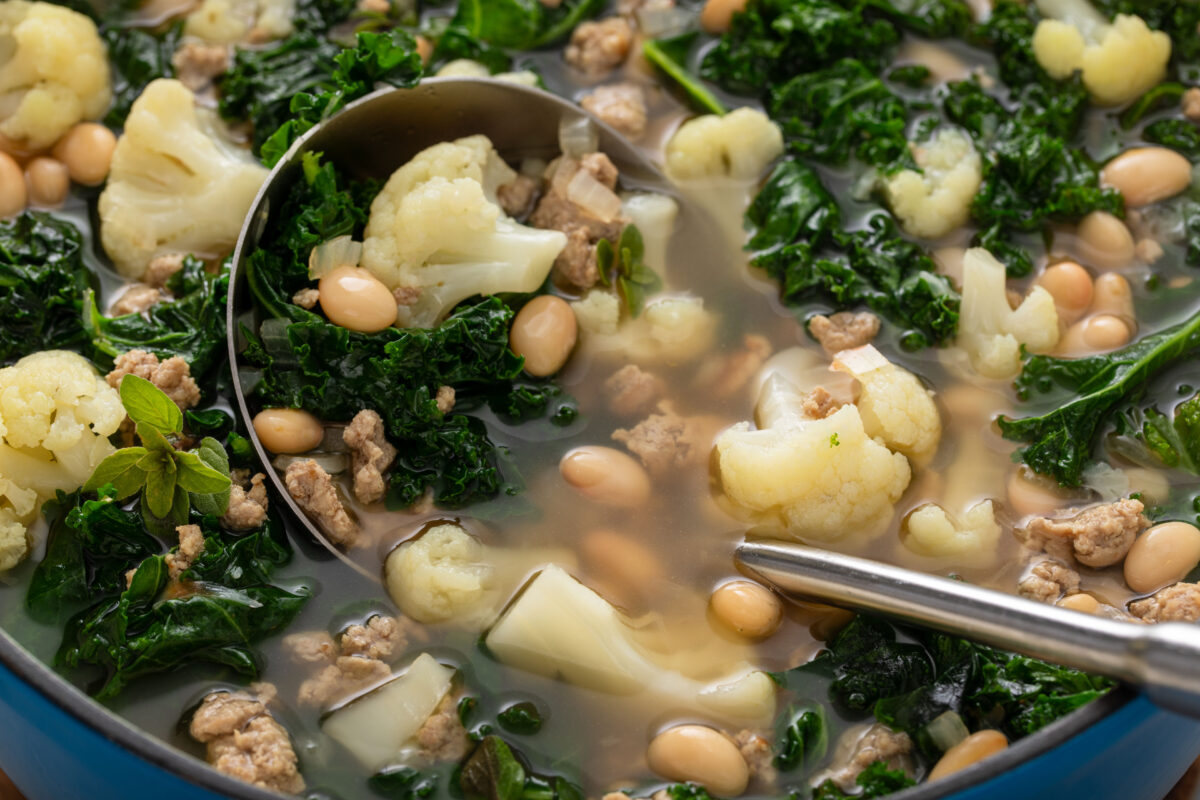
Alternatively, pressure-cooker adaptation via devices like the Instant Pot drastically reduces active weeknight cooking times. By utilizing the sauté function to brown the meat and aromatics, followed by a high-pressure cook cycle of just four minutes for the remaining base ingredients, home cooks can achieve a deeply developed flavor profile in a fraction of the time. Natural pressure release ensures the vegetables retain their structural integrity before the final addition of greens and citrus.
Family Integration and Dietary Modifications
As home cooking increasingly involves children and multi-generational households, recipe developers have emphasized the importance of kid-friendly modifications and interactive cooking steps. To appeal to younger palates, culinary educators suggest substituting spicy sausage with mild alternatives, omitting crushed red pepper flakes, and finely dicing vegetables so they seamlessly integrate into the broth. Furthermore, allowing children to participate in safe kitchen tasks—such as washing vegetables, tearing kale leaves, or measuring pantry staples—fosters positive associations with nutritious foods.
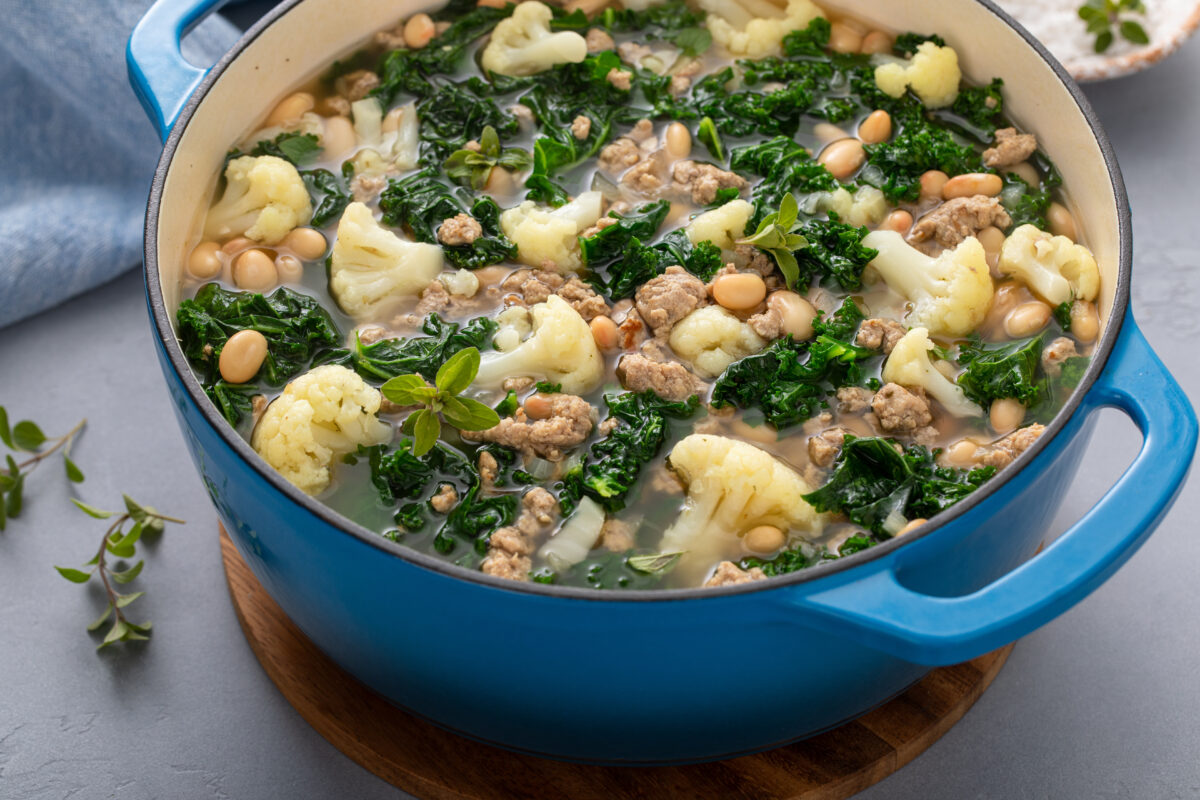
The soup’s inherent flexibility also extends to various dietary restrictions and seasonal ingredient availability. Vegetarians can easily omit the meat entirely, substituting vegetable broth and incorporating additional legumes or sautéed mushrooms for umami depth. For those seeking carbohydrate variations, the addition of small pasta shapes—such as ditalini, orzo, or small shells—or diced Yukon Gold potatoes transforms the dish into an even heartier main course. Conversely, individuals adhering to lower-carbohydrate regimens can rely on the cauliflower and bean combination to deliver substantial bulk without heavy grains.
Storage, Preservation, and Broth Management
Proper storage is a vital consideration for meal-prep efficiency. Tuscan white bean soup stores exceptionally well in airtight containers within refrigeration for up to four days. Because legumes naturally continue to absorb liquid over time, the broth may thicken during storage; home cooks are advised to incorporate a small splash of water or low-sodium chicken broth when reheating individual portions on the stovetop or in the microwave.
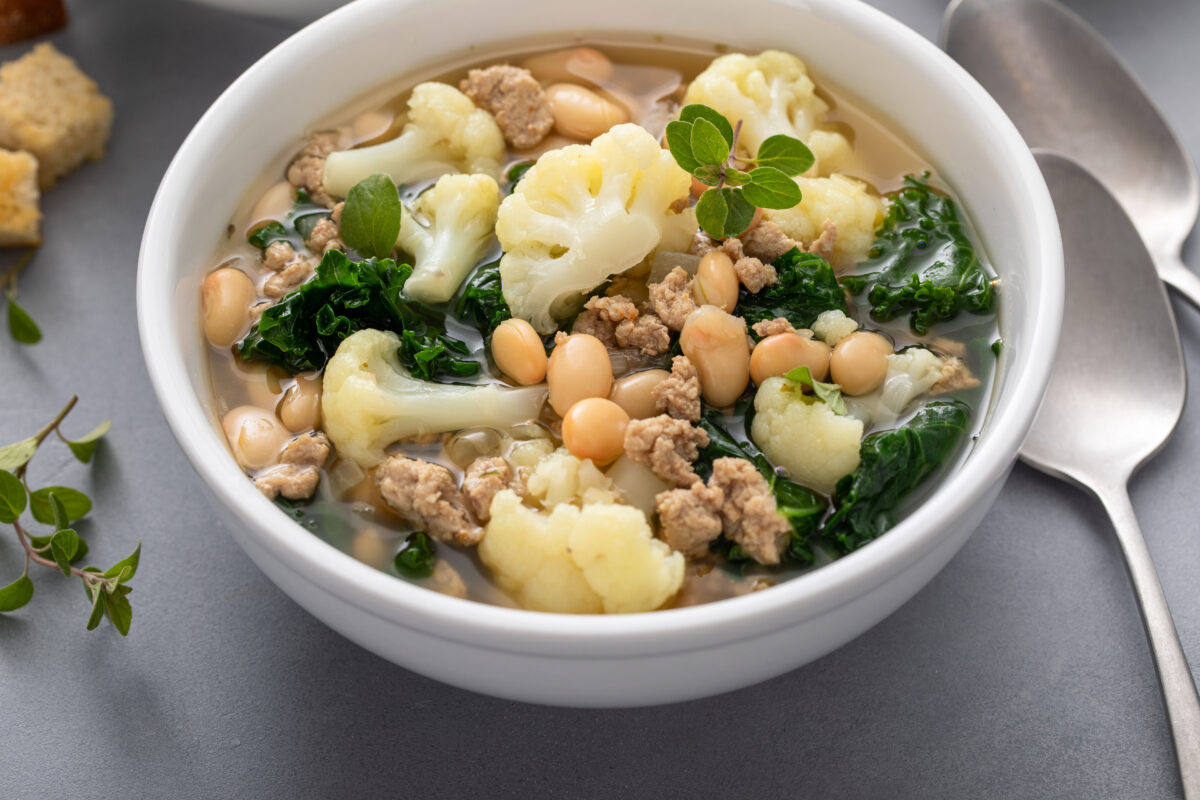
For long-term preservation, the soup is fully freezer-compatible for up to three months. When freezing, cooks should leave adequate headspace in containers to accommodate liquid expansion. While freezing may slightly alter the cellular structure of tender vegetables like cauliflower and kale, the foundational flavor profile remains robust. Thawing the soup overnight in the refrigerator prior to gentle reheating on the stove ensures the retention of quality and taste, solidifying the dish’s status as a enduring favorite for wholesome, efficient family dining.