Rice Krispie Treats Recipe With Homemade Marshmallow Offers A Healthier Alternative To Processed Snacks

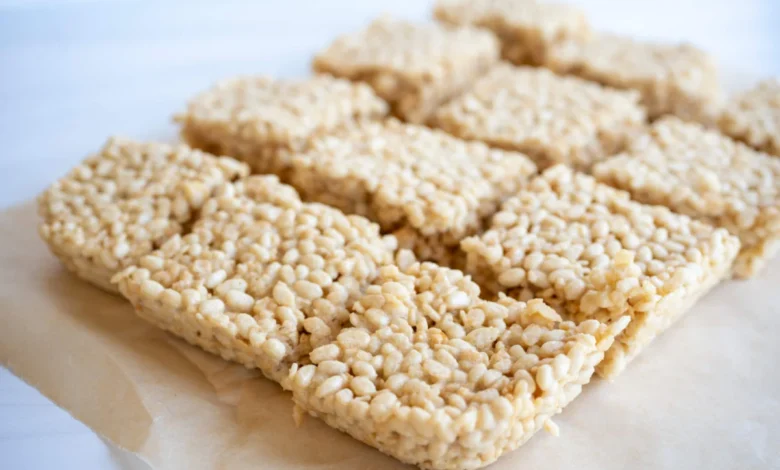
The classic Rice Krispie treat, a staple of American snack culture for nearly a century, is undergoing a nutritional re-evaluation. As consumer awareness regarding the health implications of ultra-processed foods grows, home cooks and culinary experts are increasingly moving away from conventional, store-bought marshmallow squares—which often rely on high-fructose corn syrup, artificial dyes, and hydrogenated oils—toward nutrient-dense, homemade alternatives. This shift represents a broader movement in the food industry to reclaim childhood classics by utilizing whole-food ingredients and reducing reliance on synthetic additives.
Historical Context and the Evolution of the Snack
The original Rice Krispie treat recipe was created in 1939 by Mildred Day, a home economist at the Kellogg Company, to serve as a promotional tool for the cereal brand. For decades, the recipe remained largely unchanged: a simple, three-ingredient mixture of puffed rice cereal, butter, and mass-produced marshmallows.
However, the industrialization of the food supply chain in the late 20th century transformed the composition of the shelf-stable snack. Modern commercial versions frequently contain ingredients such as acetylated monoglycerides, soybean oil, and artificial flavors, designed primarily for shelf stability and cost-efficiency rather than nutritional profile. The reliance on corn syrup and refined sugars has drawn criticism from health organizations, which point to the correlation between the consumption of such ultra-processed snacks and rising metabolic health concerns in both children and adults.
The Nutritional Shift: Moving Toward Whole Foods
The modern iteration of the homemade Rice Krispie treat seeks to decouple the nostalgia of the snack from its historically poor nutritional profile. The primary innovation in this "upgraded" version is the replacement of commercial, sugar-laden marshmallows with a homemade alternative.
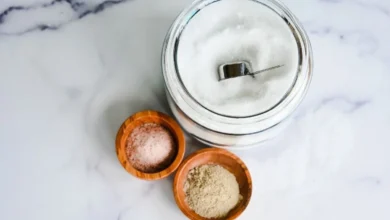
Traditional marshmallows are composed of corn syrup, sugar, and gelatin. Conversely, the refined version utilizes honey or maple syrup as a natural sweetener, paired with grass-fed gelatin. Grass-fed gelatin is increasingly recognized for its potential gut-health benefits, providing amino acids such as glycine and proline, which are essential for connective tissue repair and digestive health. Furthermore, the inclusion of marshmallow root, a botanical traditionally used for its soothing properties on mucous membranes, adds a functional component to what was previously a purely caloric indulgence.
Technical Specifications and Ingredient Sourcing
The transition to a healthier recipe also requires a re-examination of the grain component. Standard commercial puffed rice cereals are often fortified with synthetic vitamins and, in some cases, may be derived from crops exposed to glyphosate-based herbicides.
The adoption of sprouted brown rice cereal is a significant departure from these conventions. Sprouting grains is a process that activates enzymes within the seed, which can reduce phytic acid content—a known "anti-nutrient" that can inhibit the absorption of minerals like zinc and iron. By using sprouted grains, the consumer improves the digestibility of the carbohydrate source, making it more bioavailable.
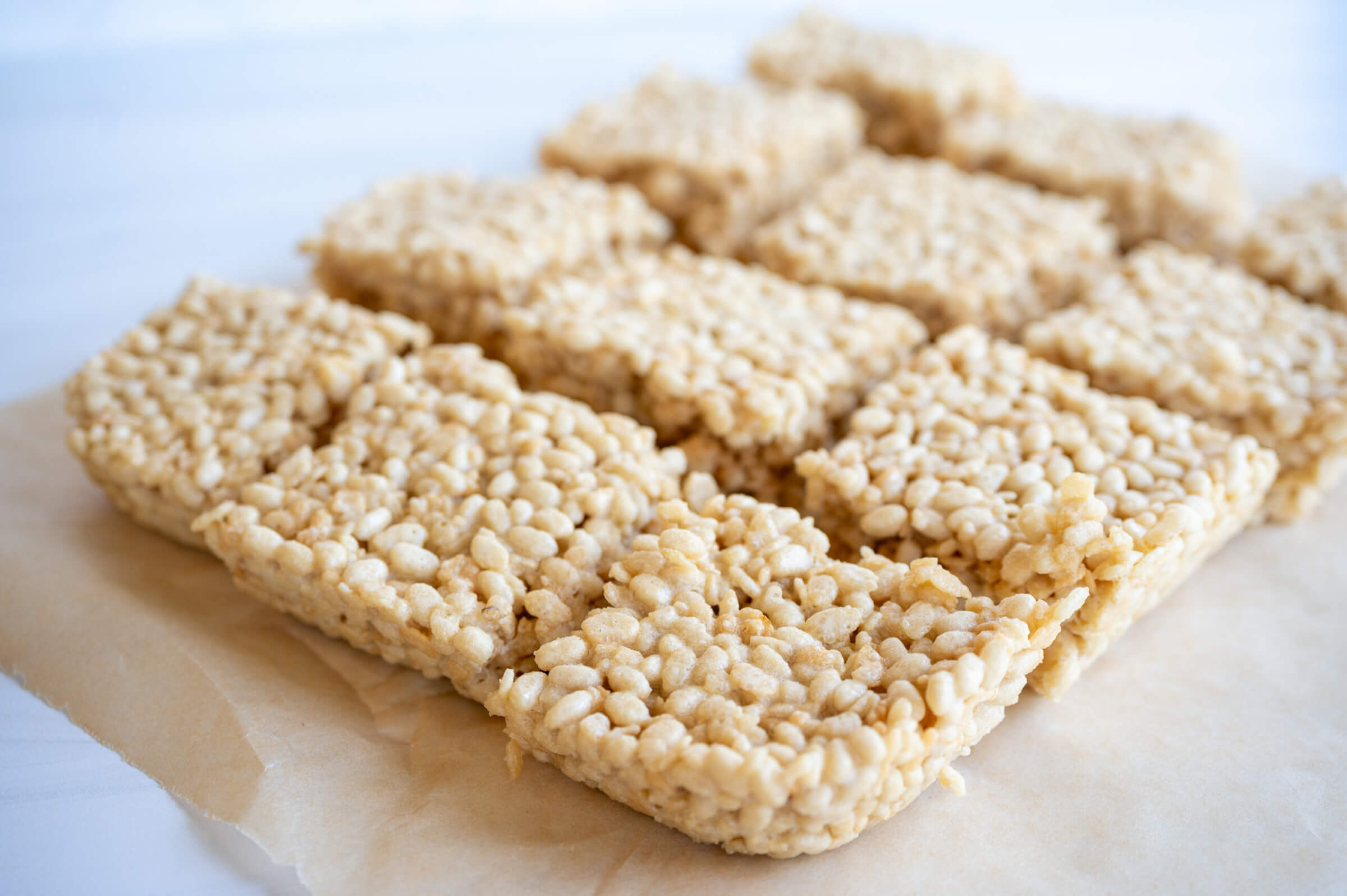
Data from the nutritional breakdown of these upgraded treats indicates a shift in the glycemic response. While sugar content remains a factor due to the use of honey, the substitution of refined white sugar with natural alternatives, combined with the higher satiety profile provided by the gelatin-based protein, results in a snack that is nutritionally superior to its store-bought counterpart.
Chronology of the Modern Recipe Development
The development of this specific recipe follows a multi-year trajectory of culinary experimentation:
- Initial Phase (2015-2017): Focus on the elimination of refined grains and processed sugars to support metabolic healing. During this period, the focus was on grain-free alternatives.
- Secondary Phase (2018-2020): Introduction of gelatin-based confectionery as a way to integrate gut-supportive foods into a family-friendly diet.
- Current Phase (2021-Present): The integration of balanced, grain-based recipes. This represents a "middle path" approach—acknowledging that while grain-based snacks are not as nutrient-dense as proteins or vegetables, they can be part of a balanced diet when prepared with high-quality, sprouted ingredients and natural sweeteners.
Implications for the Culinary Industry
The trend toward "clean-label" home cooking reflects a growing skepticism toward the industrial food complex. Industry analysts suggest that the rise of DIY, ingredient-conscious baking is not merely a hobbyist trend but a reaction to the lack of transparency in food labeling. When households choose to prepare their own snacks, they effectively bypass the regulatory gaps that allow for the inclusion of artificial additives that many consumers now actively seek to avoid.
From a culinary perspective, the flexibility of this base recipe allows for significant customization. The addition of fats such as grass-fed butter—which contains higher levels of conjugated linoleic acid (CLA) and Vitamin K2—and toppings like dark chocolate or sea salt, transforms the snack from a simple confection into a complex, satisfying treat. The technique of "browning" the butter, which involves heating the milk solids until they caramelize, adds a depth of flavor profile that is often absent in the flat, one-dimensional taste of commercial snacks.
Storage and Consumer Safety
Because the homemade recipe lacks the synthetic preservatives found in industrial snacks, storage protocols are critical. While commercial treats can remain stable for months, these homemade versions have a functional lifespan of approximately four to five days when stored in an airtight container at room temperature. This shorter shelf life is an inherent trade-off for the removal of chemical stabilizers and preservatives, signaling to the consumer that the product is fresh and perishable.
Broader Public Health Perspective
Public health experts often emphasize that "occasional treats" are a necessary component of sustainable dietary habits. By upgrading the ingredients of a beloved comfort food, individuals can satisfy cravings without the metabolic disruption associated with highly processed, high-glycemic-index foods.
The movement toward using grass-fed gelatin, organic sprouted grains, and natural sweeteners like honey or coconut sugar is part of a larger, systemic shift toward "nutrient-density" as a primary metric for food quality. While the calorie count remains comparable to traditional versions, the quality of those calories—measured by the absence of endocrine-disrupting chemicals and the presence of health-promoting amino acids—differentiates this modern approach from the standard American diet model.
As consumers continue to prioritize labels that feature recognizable, whole-food ingredients, the demand for recipes that bridge the gap between "healthy" and "indulgent" is expected to grow. This Rice Krispie treat recipe serves as a template for that bridge, demonstrating that traditional recipes do not have to be abandoned in the pursuit of better health; they simply require an update in the quality of their foundational building blocks. Through informed ingredient sourcing and a commitment to preparation, the modern home cook can reconcile the desire for nostalgia with the requirements of a health-conscious lifestyle.