The Ultimate Summer Peach Hand Pies Recipe for Portable, Family-Friendly Baking

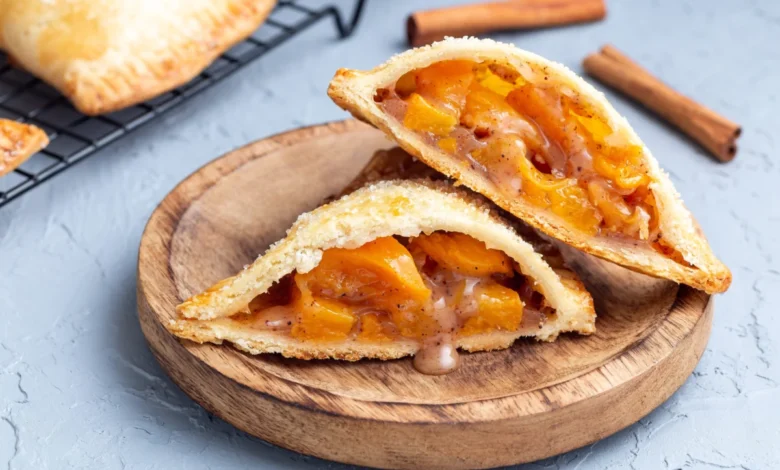
The arrival of peak summer agricultural seasons consistently brings an abundance of stone fruits to local markets, prompting home bakers and culinary enthusiasts to seek innovative ways to utilize fresh produce. Among the most popular seasonal baking trends is the transition from traditional, multi-serving round pies to portable, individually portioned pastries. This culinary shift has elevated the profile of hand pies—specifically peach-filled variations—as a preferred dessert format for outdoor gatherings, school lunchboxes, and community events. Culinary experts note that these handheld treats capture the quintessential flavors of classic southern-style peach pie while offering significantly enhanced convenience, portion control, and ease of service compared to their larger counterparts.
Background and Cultural Context of Handheld Pastries
The history of hand pies is deeply rooted in agricultural and labor traditions across various cultures, where portable baked goods served as practical meals for field workers, travelers, and miners. From the British Cornish pasty to the Latin American empanada and the American southern fried or baked hand pie, enclosed pastries have long provided a durable, self-contained method for transporting caloric nourishment.
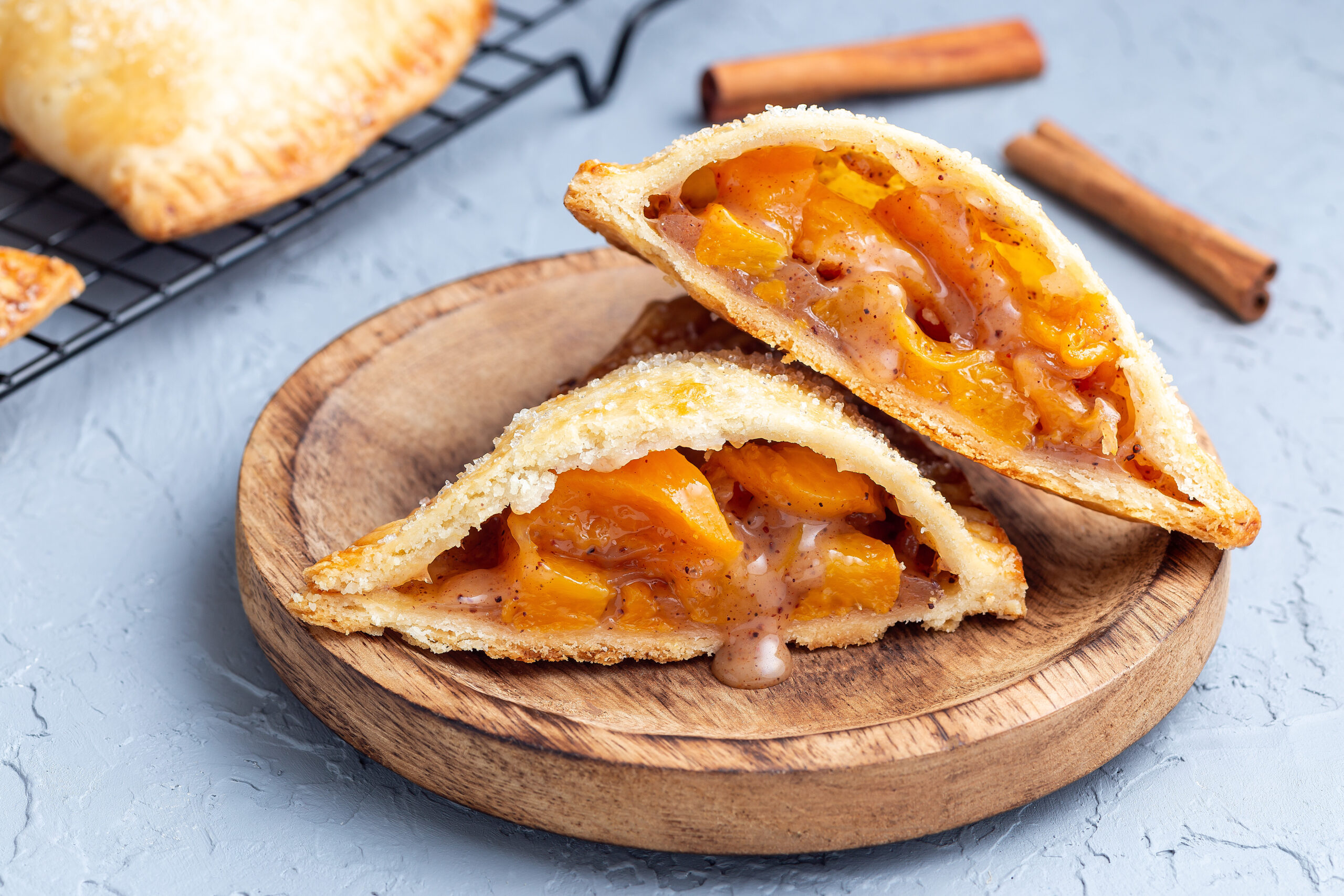
In contemporary home baking, the peach hand pie has emerged as a seasonal staple during the peak summer months, which typically span from June through August in North America. According to agricultural market data, regional peach yields heavily influence consumer baking habits, resulting in a surge of interest in recipes that accommodate both freshly harvested stone fruit and preserved alternatives. Culinary historians observe that the modern resurgence of mini pies aligns with broader consumer preferences for bite-sized, aesthetically pleasing, and easily shareable foods suitable for modern social gatherings, picnics, and catered events.
Culinary Anatomy and Preparation Methodology
Achieving an optimal peach hand pie requires a balance of structural integrity and flavor harmony. Professional bakers emphasize that the primary challenge in manufacturing fruit-filled handheld pastries lies in managing moisture levels to prevent the crust from becoming soggy while ensuring the filling remains succulent and flavorful.
The fundamental components of a successful recipe include a buttery, laminated or cut-in pie crust and a thickened fruit compote. Standard preparation protocols involve the following chronological phases:
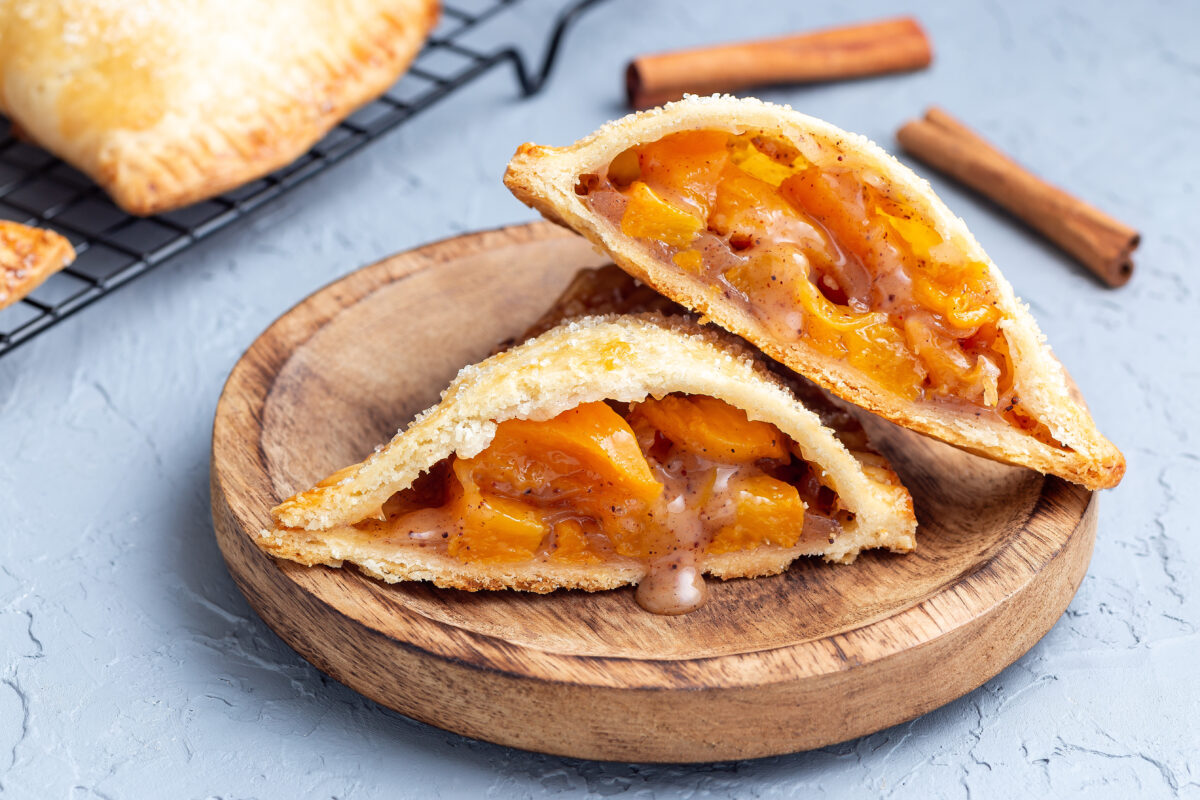
- Filling Preparation: Fresh peaches are blanched, peeled, and diced, then combined with granulated or brown sugar, a thickening agent such as cornstarch or tapioca, and spices such as cinnamon or nutmeg. The mixture is simmered to activate the thickener, ensuring the juices remain stable during the baking process.
- Thermal Management: A critical technical requirement identified by test kitchens is the complete cooling of the fruit filling prior to dough assembly. Introducing warm filling to raw pastry dough softens the butter content within the flour matrix, compromising the flaky texture and increasing the risk of structural failure during sealing.
- Dough Dicing and Assembly: Chilled pie dough—either homemade from all-purpose flour, butter, salt, and ice water, or sourced as a commercial refrigerator staple—is rolled and cut into uniform geometric shapes, typically circles or rectangles. The cooled filling is measured onto the lower half of the dough, leaving a clean perimeter for adhesion.
- Sealing and Ventilation: Edges are crimped securely, traditionally using the tines of a fork to create a mechanical bond. Bakers must introduce a small steam vent or slit in the top crust to allow internal atmospheric pressure to escape safely, preventing the pastry from rupturing prematurely.
Nutritional and Ingredient Adaptability
Modern nutritional guidelines and dietary accommodations have driven the evolution of standard baking recipes to include versatile ingredient substitutions. While traditional formulations rely on fresh, locally sourced freestone peaches, supply chain availability has necessitated adaptable preparation guidelines.
Ingredient Alternatives and Adaptations:
- Fresh versus Preserved Fruit: When fresh seasonal peaches are unavailable, high-grade frozen sliced peaches serve as a viable alternative, provided they are thoroughly thawed and drained to eliminate excess liquid. Canned peaches packed in juice or light syrup may also be utilized if rinsed and drained carefully, though adjustments to added sugar are required to prevent over-sweetening.
- Dietary Twists and Flavor Variations: Culinary developers frequently incorporate secondary berries, such as blueberries or raspberries, to introduce contrasting tartness and visual complexity. For enriched flavor profiles, substitution of white sugar with dark brown sugar yields caramel undertones reminiscent of traditional cobblers.
- Alternative Cooking Appliances: In response to consumer demand for energy-efficient and rapid cooking methods, contemporary kitchen protocols include air fryer adaptations. Operating at approximately 350 degrees Fahrenheit for eight to ten minutes, air fryers circulate convective heat around the pastry, producing a crisp exterior comparable to traditional oven-baked results without requiring extensive preheating periods.
Storage, Preservation, and Commercial Implications
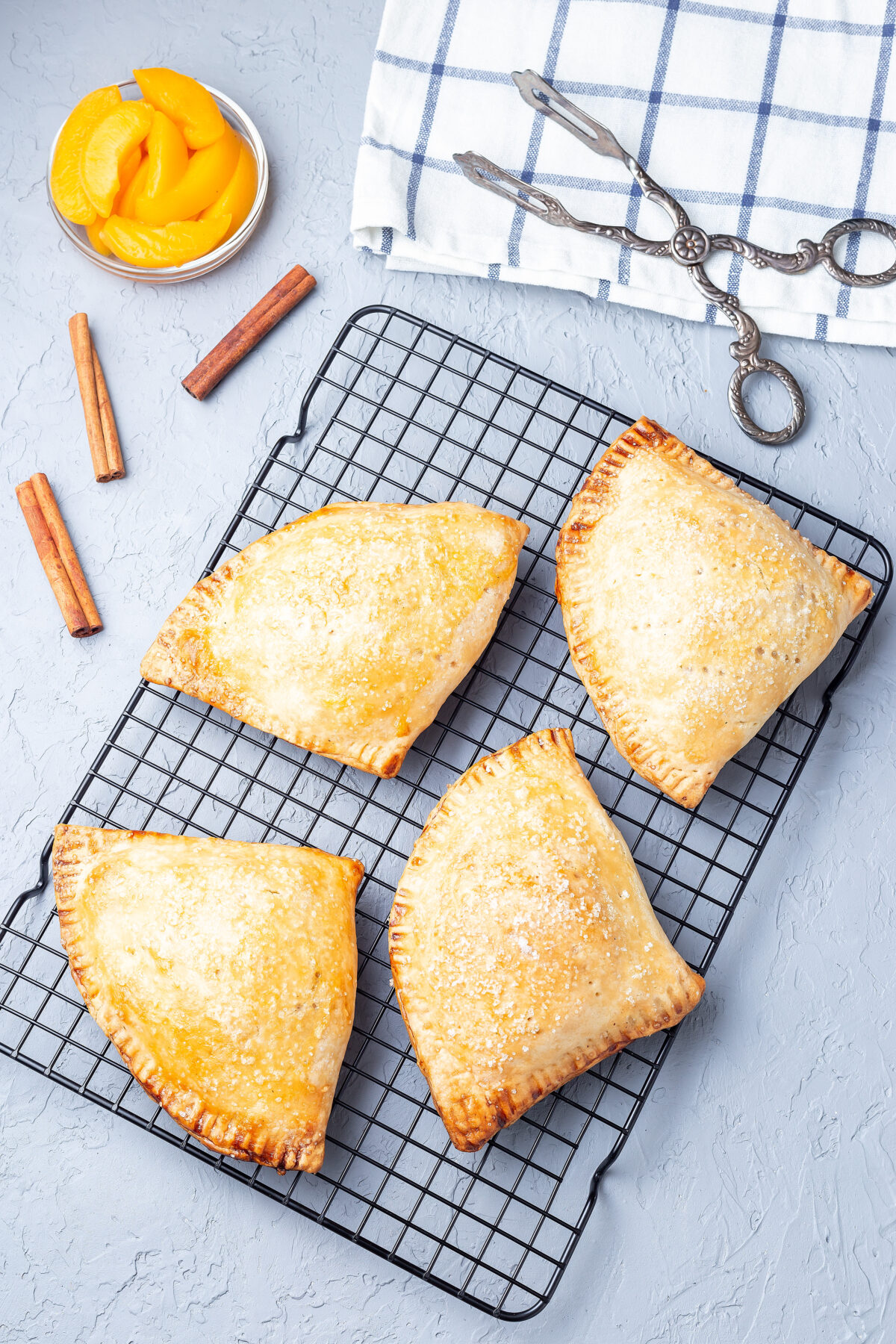
The operational lifespan of baked goods is a primary consideration for both domestic meal planning and commercial food service. Properly prepared peach hand pies demonstrate favorable stability characteristics when subjected to standard preservation techniques.
Storage Guidelines and Parameters:
- Room Temperature Storage: Un-glazed or minimally finished baked pies maintained in airtight containers remain palatable for up to 48 hours in ambient conditions.
- Refrigerated Storage: Extended storage within a refrigerated environment prolongs edibility to approximately five days, though moisture migration from the fruit filling may soften the pastry crust over time.
- Long-Term Freezing: Fully baked and cooled hand pies can be preserved for up to two months when sealed in freezer-safe containers or vacuum-wrapped packaging. Regeneration is optimally achieved through secondary exposure to dry heat in an oven or air fryer, which restores structural crispness. Confectioners recommend applying decorative sugar glazes subsequent to the reheating phase to maintain aesthetic presentation.
Broader Market Impact and Future Trends
The sustained popularity of single-serving baked goods reflects broader macroeconomic and lifestyle trends favoring convenience without the forfeiture of culinary quality. As consumers increasingly prioritize scratch-cooking techniques that can be executed efficiently or adapted for large-scale entertaining, recipes focusing on modular desserts—such as hand pies, turnovers, and galettes—are expected to maintain significant traction across digital recipe platforms and culinary media outlets. Furthermore, the inherent versatility of stone fruit recipes ensures their continued relevance across diverse demographic segments, bridging traditional baking heritage with modern, fast-paced lifestyles.