Navigating the introduction of solid foods is a significant milestone for parents, yet the inclusion of seafood often generates considerable anxiety. Common concerns regarding mercury content, potential allergens, and choking hazards frequently lead caregivers to delay the introduction of fish. However, pediatric nutrition experts increasingly emphasize that fish is a vital, nutrient-dense component of a balanced infant diet. When approached with a structured, safety-first methodology, seafood can provide essential fatty acids, protein, and minerals critical for early brain and physical development.
The Nutritional Rationale for Early Introduction
From a developmental perspective, the first two years of life represent a period of rapid brain growth. Seafood provides a unique profile of nutrients that are difficult to replicate through other food sources. Key among these is Docosahexaenoic acid (DHA), an omega-3 fatty acid that serves as a fundamental building block for the brain and retina. According to the World Health Organization (WHO), infants aged 6 to 23 months have specific dietary requirements that include iron, zinc, and long-chain polyunsaturated fatty acids.

Beyond DHA, fish offers high-quality protein, vitamin D, iodine, and selenium. Iodine is particularly significant, as it supports thyroid function and metabolic health. Recent shifts in pediatric nutritional guidelines—moving away from the previous cautionary stance—suggest that delaying the introduction of highly allergenic foods, including fish, does not prevent allergies and may, in some cases, increase the risk of developing them. Early, consistent exposure is now seen as a strategy to build oral tolerance.
Understanding the Allergy Landscape and Clinical Protocols
The fear of allergic reactions is a primary deterrent for many parents. Clinical research, including studies published in the Journal of Allergy and Clinical Immunology, indicates that introducing allergenic foods like finned fish and shellfish early in the complementary feeding process can be a protective measure.
When introducing fish, a systematic approach is recommended to monitor for potential adverse reactions. The standard clinical protocol involves:

- Day 1: Serve a small amount of a single, well-cooked fish species in the morning to allow for observation throughout the day.
- Day 2: If no reaction occurs, offer a slightly larger portion.
- Day 3: Continue to monitor. If no adverse symptoms appear, the food can be considered a safe addition to the infant’s diet.
Signs of an allergic reaction typically include hives, swelling of the lips or tongue, coughing, or vomiting. In rare instances, infants may experience Food Protein-Induced Enterocolitis Syndrome (FPIES), a non-IgE-mediated gastrointestinal food allergy characterized by delayed, repetitive vomiting occurring several hours after consumption. Parents are advised to consult with a pediatrician to develop a personalized plan, particularly if there is a strong family history of severe food allergies.
Addressing the Mercury and Contaminant Debate
One of the most persistent hurdles in pediatric seafood consumption is the presence of mercury. Methylmercury is a heavy metal that accumulates in the tissue of larger, long-lived predatory fish. Because an infant’s developing nervous system is particularly sensitive to neurotoxins, the selection of species is paramount.

The current regulatory framework, governed by the FDA and EPA, provides guidance primarily for the general population and pregnant individuals. However, there is a recognized "data gap" regarding specific intake levels for infants under two. While Health Canada suggests that most retail fish are safe for infants, the absence of rigid, age-specific limits has prompted independent pediatric nutritionists to create more conservative, protective frameworks.
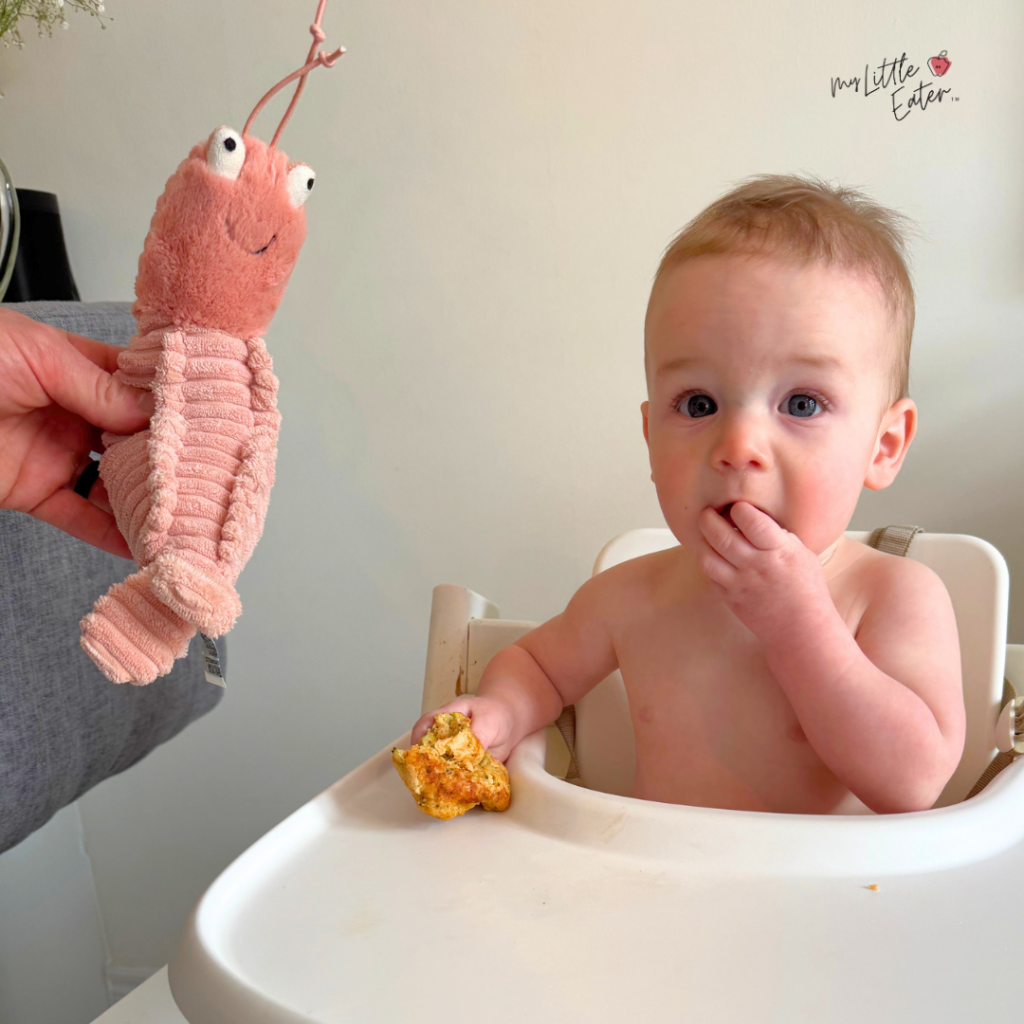
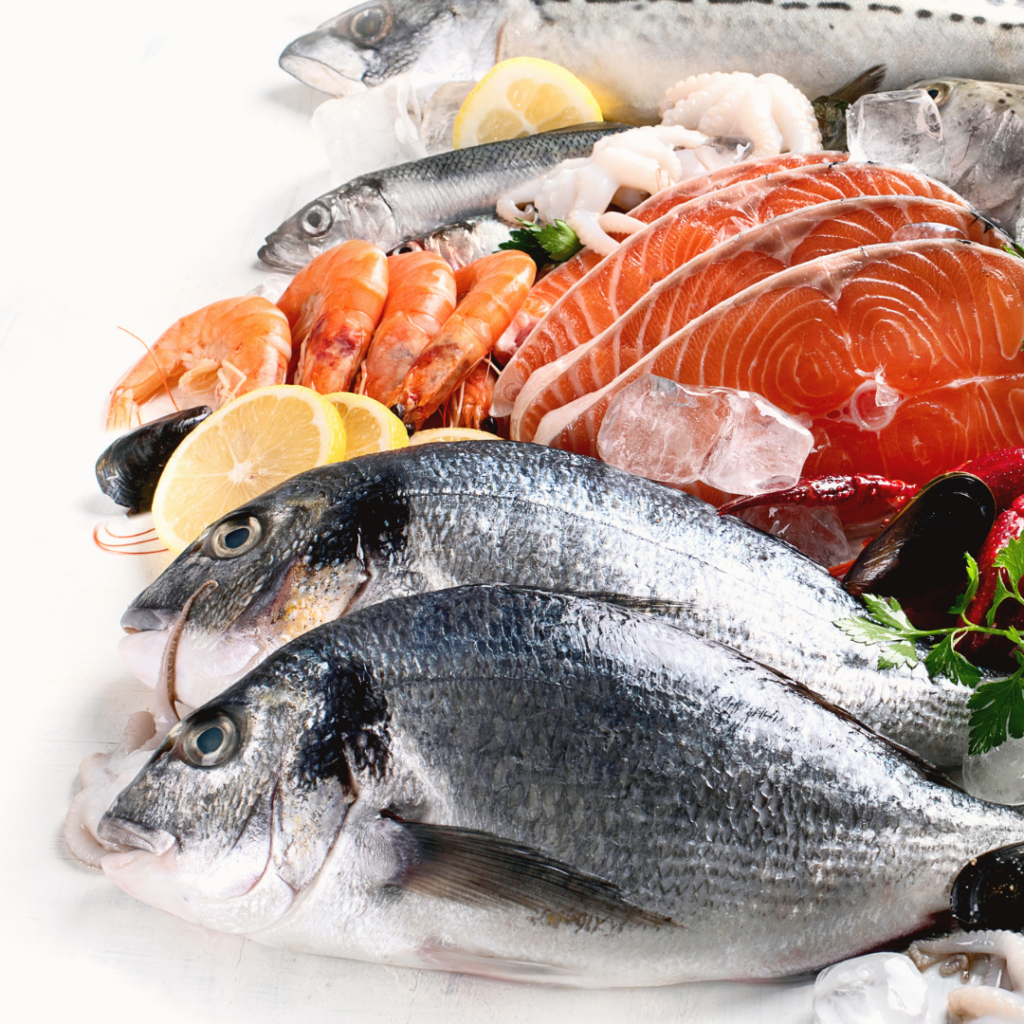
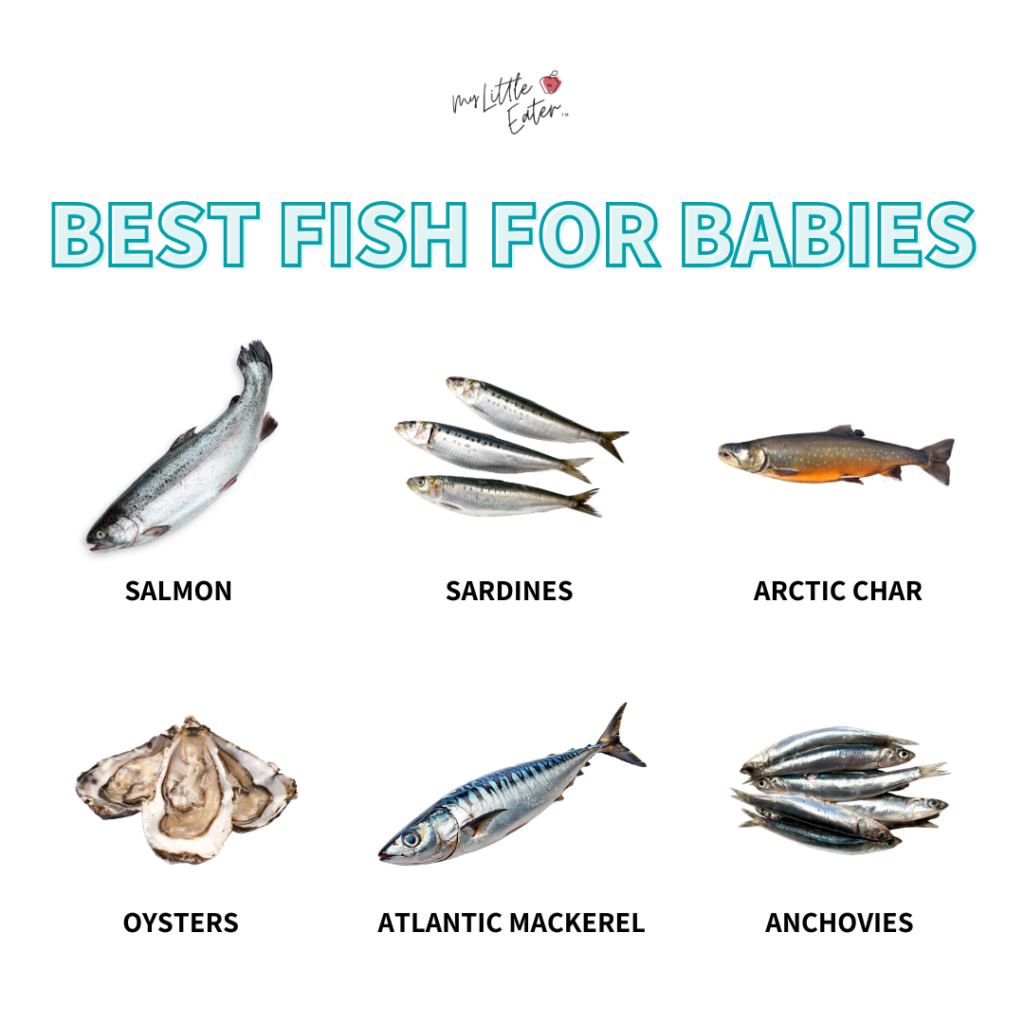
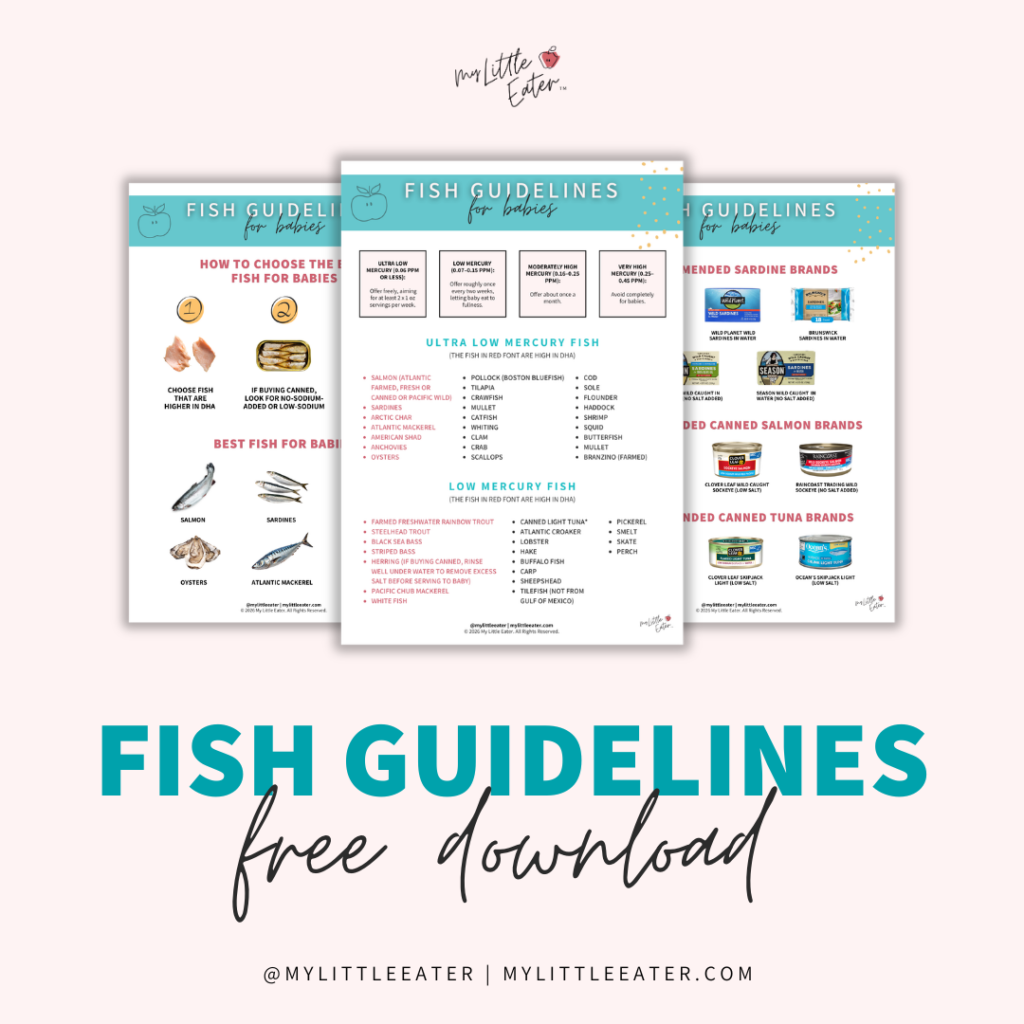
For a nine-month-old infant weighing approximately 19 pounds, the Joint FAO/WHO Expert Committee on Food Additives suggests a tolerable weekly intake of methylmercury. High-mercury species like shark or swordfish can reach this threshold in a single serving, whereas "ultra-low" mercury options like salmon, sardines, and cod can be consumed with significantly higher frequency.
Wild-Caught Versus Farmed: Evaluating the Options
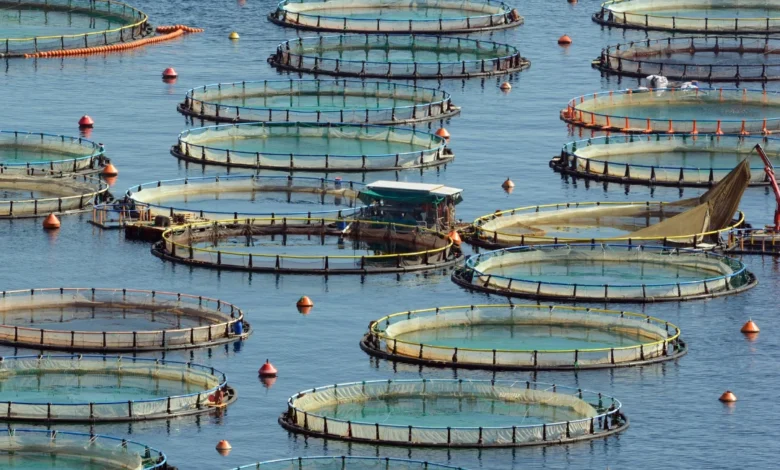
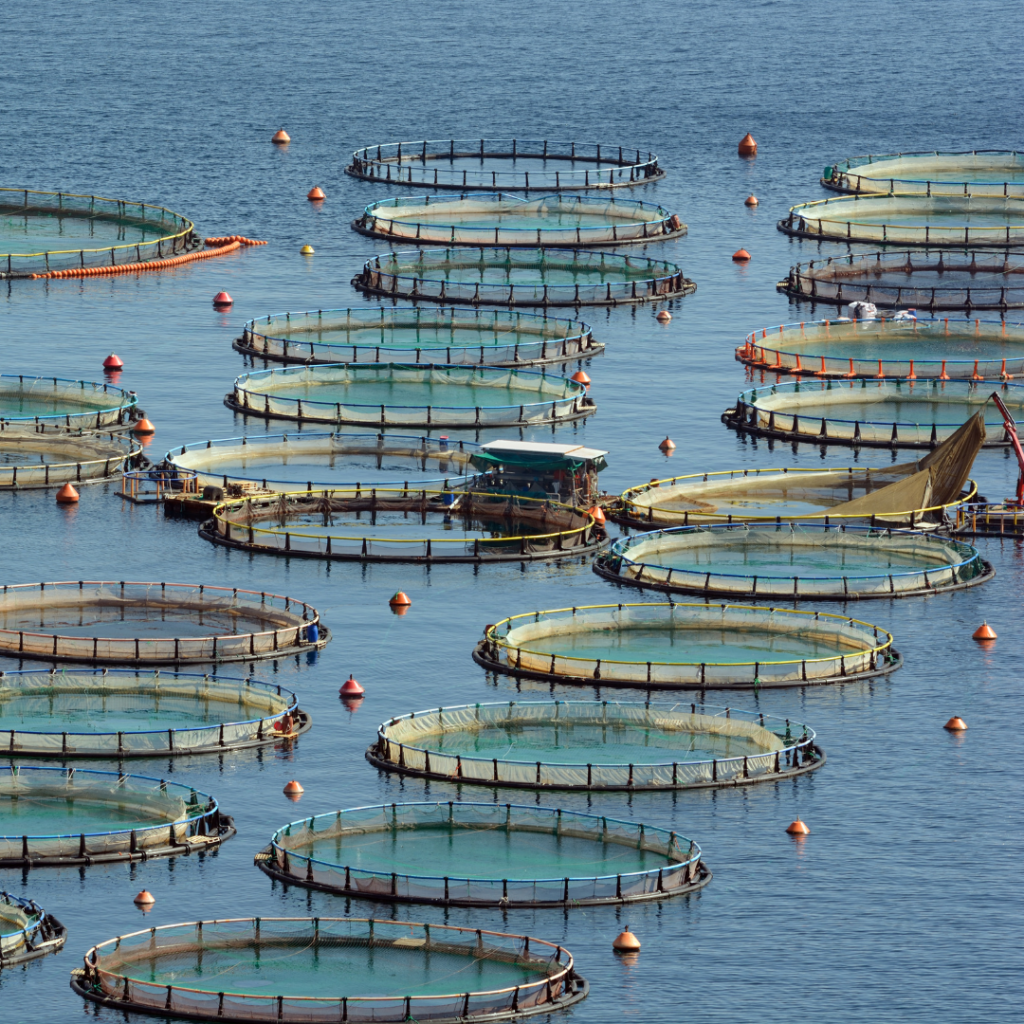
The discourse regarding wild-caught versus farmed fish involves complex considerations of nutrition, antibiotic use, and sustainability. Farmed fish are often raised in high-density environments, which can lead to increased usage of antibiotics and exposure to localized contaminants. Conversely, wild fish are subject to the environmental pollutants present in their natural habitats.
Nutritionally, wild fish often possess a more diverse fatty acid profile due to their natural diet, while farmed fish may be fortified to have higher omega-3 levels. From a sustainability standpoint, the source matters more than the classification. Resources such as SeaChoice.org provide assessment tools based on environmental impact, chemical use, and habitat preservation, allowing parents to make informed choices based on the specific fishery.

Practical Guidelines for Preparation and Texture
Safety in the kitchen is as important as the selection of the fish. For infants, the primary concerns are bone removal and texture modification to prevent choking.

- The Squish Test: Before serving, a parent should be able to mash the cooked fish easily between their thumb and finger. If the texture is firm or rubbery, it poses a choking risk.
- Bone Detection: Even when purchasing products labeled "boneless," it is essential to perform a manual check. Flaking the fish with a fork and running clean fingers through the pieces will reveal small, dangerous pin bones.
- Cooking Methods: Steaming and poaching are preferred over frying or high-heat grilling, as these methods maintain moisture and ensure the fish remains tender. An internal temperature of 145°F (62.8°C) is required to ensure pathogens are destroyed.
Addressing Common Myths and Practical Application
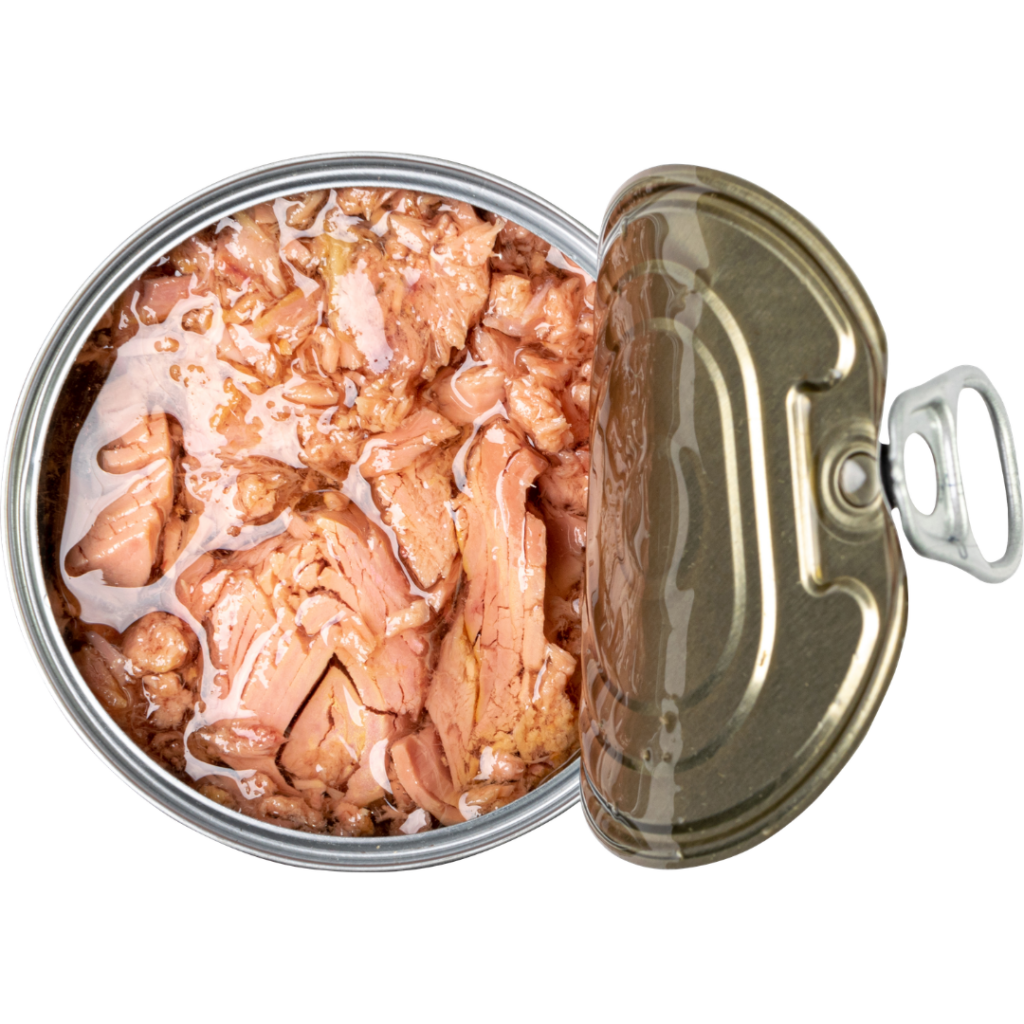
A recurring misconception is that canned tuna is a prohibited item for infants. While albacore and white tuna should be avoided due to higher mercury levels, "canned light" tuna is considered a safe, low-mercury option when consumed in moderation. Similarly, parents often question the safety of frozen fish; in reality, flash-frozen seafood is often nutritionally equivalent to fresh, provided it is thawed correctly in the refrigerator.
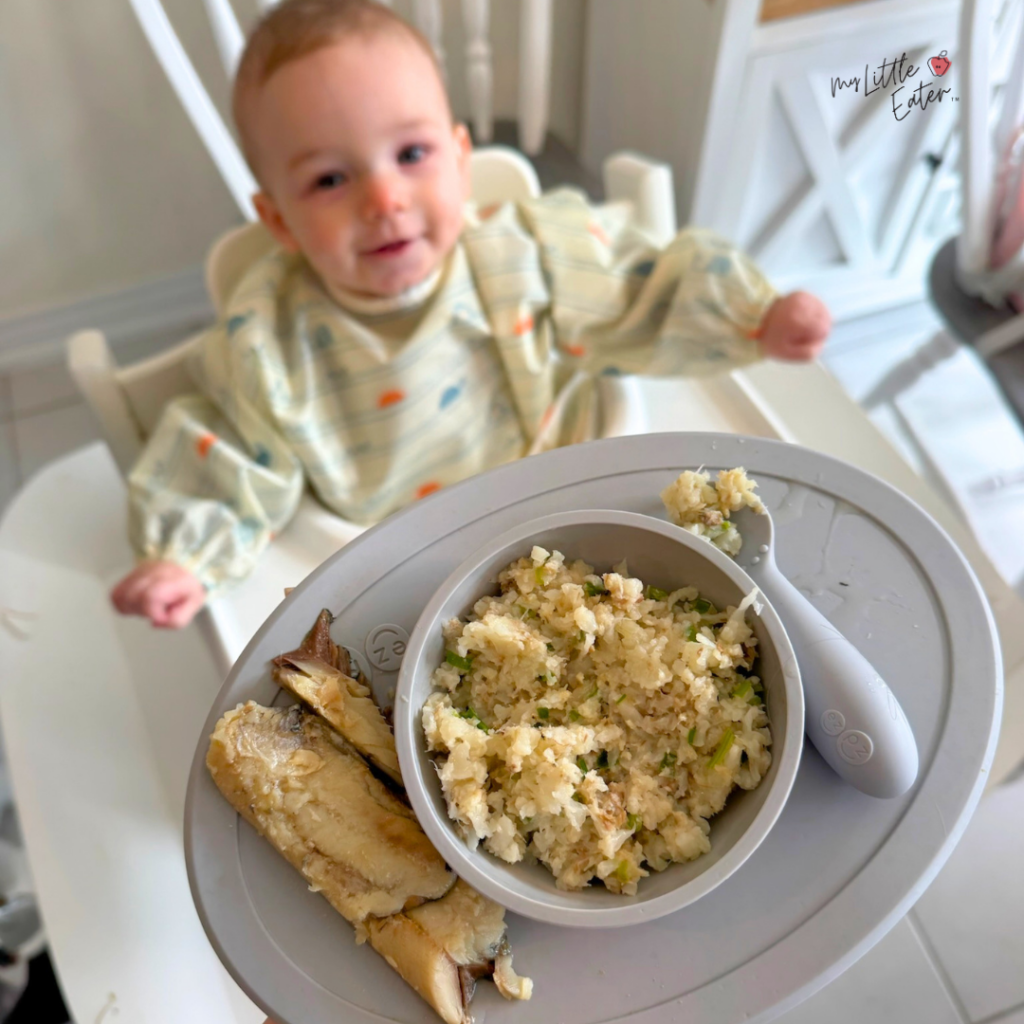
As infants progress in their eating skills, the preparation should evolve. At six months, fish can be offered as a soft, mashable texture or incorporated into purees. By 9 to 12 months, infants can handle larger, flakey pieces that encourage pincer grasp development. The goal is to avoid "force-feeding" portions and instead follow the infant’s hunger cues, allowing them to self-regulate their intake.
Implications for Long-Term Dietary Habits
The integration of fish into an infant’s diet is not merely about immediate nutritional intake; it is a long-term investment in dietary diversity. By introducing a variety of seafood early, parents help desensitize the infant to new textures and flavors, which may mitigate the development of picky eating behaviors in toddlerhood.

The lack of standardized, infant-specific global guidelines creates a burden of responsibility on caregivers. However, by prioritizing low-mercury, DHA-rich species and adhering to rigorous safety and preparation standards, parents can confidently include seafood in their child’s diet. As with all aspects of early childhood nutrition, the objective is to create a sustainable, healthy, and stress-free routine that supports the child’s developmental trajectory through their formative years. For those navigating this process, professional consultation with a registered dietitian or pediatrician remains the most reliable path to ensuring dietary needs are met safely and effectively.
Related posts: