The Biological Impact of Extended Daylight
The primary challenge during the summer months is the suppression of melatonin production. Melatonin is a hormone produced by the pineal gland that is highly sensitive to light exposure. In infants, whose internal clocks are still in a developmental phase, exposure to sunlight past 8:00 p.m. can signal to the brain that it is still daytime, thereby delaying sleep onset. According to data from the National Sleep Foundation, infants require between 11 and 14 hours of sleep within a 24-hour period. When this rhythm is interrupted by external environmental factors, the resulting sleep deficit often manifests as behavioral irritability, prolonged crying, and difficulty with emotional regulation during the following day.
Establishing and Maintaining Consistency
Maintaining a strict, predictable bedtime routine serves as the most effective defense against seasonal disruption. Pediatricians recommend a consistent sequence of activities—typically bath time, feeding, and a quiet activity—to provide the sensory input an infant needs to recognize that the sleep phase has begun. This ritualistic approach acts as a "buffer" against the excitement of summer activities, such as evening outdoor play or social gatherings.
A longitudinal study conducted on pediatric sleep hygiene suggests that consistency in the 30 minutes leading up to sleep is more impactful than the specific timing of the sleep itself. By ensuring the routine remains static, parents can help children transition from a high-stimulation environment to a calm, restorative state regardless of the ambient light levels outside the nursery.
Environmental Engineering for Improved Sleep
To counteract the physiological impact of late-day sunlight, parents are increasingly turning to environmental modifications. The use of high-quality, opaque blackout curtains has become a standard recommendation in modern nursery design. By effectively blocking ultraviolet light and artificial outdoor glare, these window treatments create a "blackout" effect that assists the body in producing melatonin naturally.
For families on the move, the innovation of portable, canopy-style sleep systems has provided a solution for travel. These devices, which often feature UPF 50+ protection, are designed to create a dark, familiar, and secure environment within a portable crib or playard. Market data indicates a significant increase in the adoption of these products, as they allow for the maintenance of sleep hygiene even when families are away from home.
The Role of Auditory Environment
While visual stimuli are the most obvious detractors from sleep, noise pollution in suburban and urban environments during summer evenings poses a secondary challenge. Increased community activity, lawn maintenance, and social gatherings often occur during traditional wind-down periods. The use of sound machines has been clinically analyzed for its ability to create a consistent acoustic environment. By providing a "sound blanket," these devices can mask sudden, startling noises that might otherwise trigger a brief awakening.
Modern sound machines have evolved beyond simple white noise, with many now offering integrated humidifiers, aromatherapy trays, and customizable light spectrums. While these features add convenience, the primary utility remains the creation of a consistent auditory cue that signals it is time for rest.
Managing Naps and Schedules on the Go
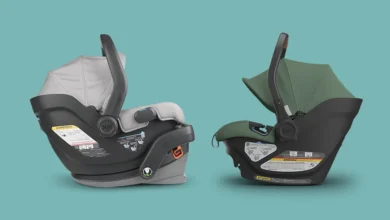
The summer season typically brings an increase in travel, park outings, and family visits, all of which threaten the integrity of mid-day nap schedules. To mitigate the risk of overtiredness, experts suggest a "flexible but firm" approach to scheduling. If an outing is unavoidable during a nap window, utilizing travel cribs or strollers designed with adequate recline and ergonomic support is essential.
Strategic planning is required to avoid the "late nap trap." If a child misses a nap, many parents attempt to force a late afternoon nap, which subsequently pushes back the official bedtime. This creates a cycle of late-night, early-morning disturbances that can persist for weeks. Professionals advise that if a nap is missed, it is often better to advance the bedtime slightly rather than allowing an erratic, late-afternoon sleep session.
Managing Core Body Temperature
Sleep quality is inextricably linked to thermal comfort. As temperatures rise during the summer, the risk of overheating becomes a significant concern for infants. Medical guidelines emphasize that a room temperature between 68 and 72 degrees Fahrenheit is optimal. When ambient temperatures exceed this range, parents are encouraged to transition infants into lightweight, breathable fabrics.
Wearable blankets, or sleep sacks, are recommended over loose bedding to ensure safety and comfort. Materials such as 100% knit cotton allow for airflow, preventing the baby from sweating during the night. For outdoor naps in the shade, the use of lightweight cotton swaddles can provide protection while maintaining adequate ventilation.
Broader Implications and Summary of Best Practices
The cumulative impact of poor sleep in infants is not limited to the child’s mood; it affects the entire family unit. Sleep-deprived parents are statistically more prone to increased stress levels and decreased cognitive performance. Consequently, prioritizing infant sleep is a matter of household health.
A summary of the recommended strategies for the summer season includes:
- Consistency: Maintain a set bedtime ritual, even if the timing fluctuates slightly due to sunset variations.
- Blackout Technology: Use light-blocking curtains or travel canopies to mimic nighttime conditions.
- Sound Control: Utilize white noise to neutralize disruptive environmental sounds.
- Thermal Regulation: Opt for breathable, lightweight clothing and sleep sacks.
- Quiet Transition: Integrate a 15-to-30-minute "cool down" period of quiet activity before final lights-out.
As the summer progresses, the key to navigating these months is acknowledging that the environmental changes are temporary. By employing these techniques, parents can protect their infant’s sleep architecture while still participating in the active lifestyle that summer affords. Whether at home or traveling, the goal remains the same: ensuring that the child is provided with the optimal conditions for rest, which ultimately supports their physical and cognitive development throughout the year.