Breakthrough T1D Clinical and Research Congress 2026 Unites Global Experts to Accelerate Type 1 Diabetes Innovation and Care

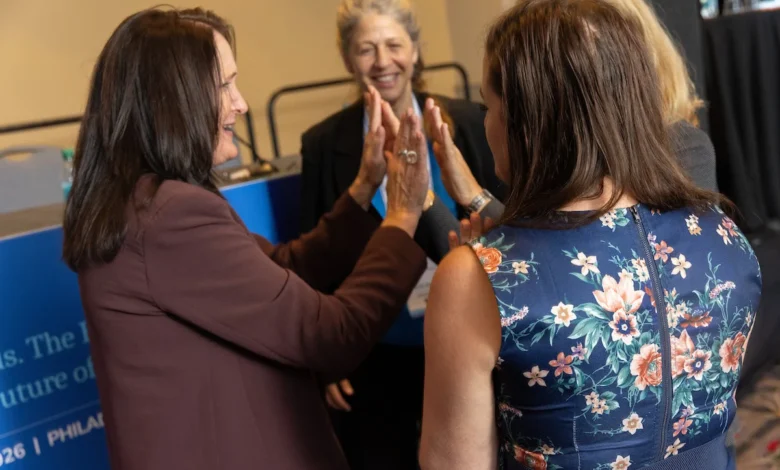
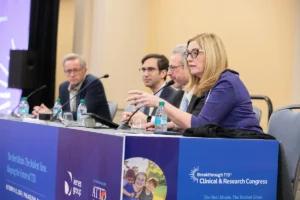
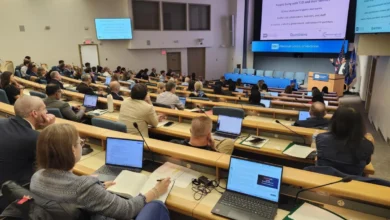
The inaugural Breakthrough T1D Clinical and Research Congress (CRC 2026) has officially drawn nearly 1,000 clinicians, researchers, healthcare professionals, industry pioneers, and members of the type 1 diabetes (T1D) community together for a landmark multi-day forum. Designed to break down traditional silos within medical research and clinical practice, the event centers entirely on the lived experiences of individuals managing T1D while charting a comprehensive path toward advanced treatments and, ultimately, a world without the condition. Setting the emotional and intellectual tone for the gathering, Dr. Peter Senior of the University of Alberta addressed attendees during the opening sessions, emphasizing a fundamental truth that motivates the scientific community: people living with the disease desire a permanent end to T1D, a guiding directive that must remain central to all emerging therapeutic solutions.
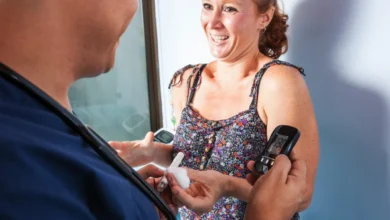
Throughout the multi-day congress, sessions have balanced high-level scientific inquiry with human-centric narratives. Every parallel track and major symposium has been framed by individuals sharing personal insights on managing the condition, highlighting how modern breakthroughs translate into reduced daily burdens. With advancements in artificial intelligence, continuous glucose monitoring (CGM), and automated insulin delivery (AID) reshaping the standard of care, CRC 2026 serves as a vital nexus for evaluating both the monumental progress achieved over the past decade and the persistent gaps that still require urgent scientific intervention.
Addressing Unmet Needs and the Evolution of Diabetes Technology
The scientific programming commenced with a high-profile symposium sponsored by Vertex Pharmaceuticals, focusing on the current landscape of unmet medical needs and the horizon of emerging treatments. Dr. Jennifer Sherr of the Yale School of Medicine and Dr. Peter Senior presented extensive clinical data demonstrating that while modern technologies—particularly automated insulin delivery systems—have steadily improved longitudinal outcomes, significant gaps remain. Real-world data presented during the session revealed that a substantial percentage of individuals utilizing state-of-the-art technology still fail to achieve ideal glycemic control, with severe hypoglycemic episodes continuing to pose a dangerous, daily threat.
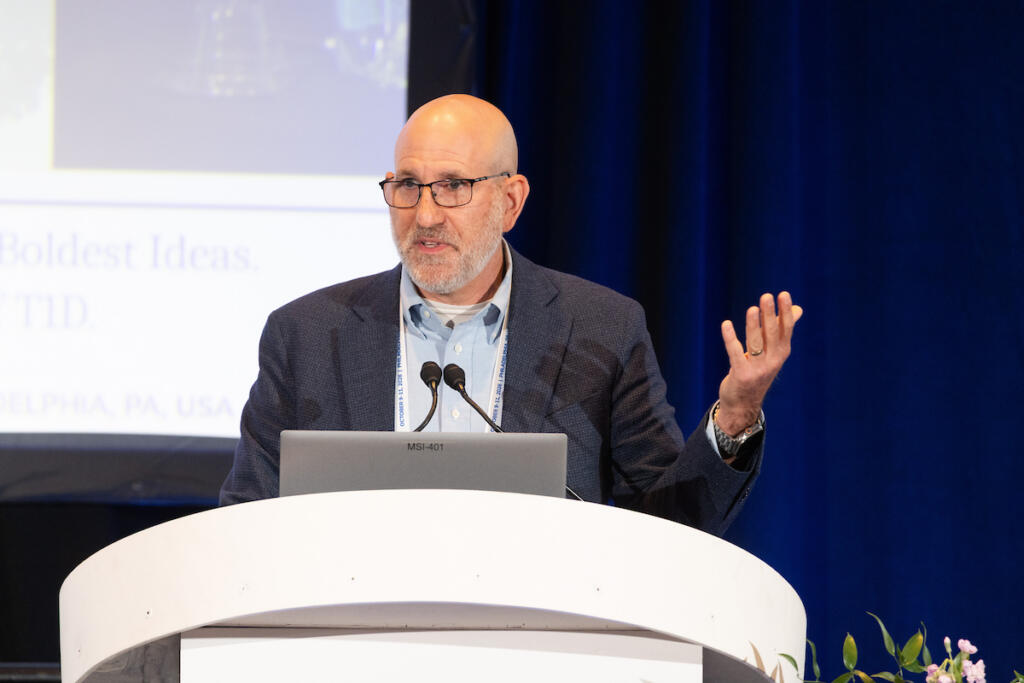
Building upon these themes, Dr. Michael Haller of the University of Florida delivered a comprehensive keynote address examining the evolution of T1D screening and clinical care paradigms. Dr. Haller outlined three critical infrastructure bridges that the medical community must construct: institutionalizing screening as routine clinical care, expanding age- and stage-appropriate therapeutic options, and designing clinical trials that explicitly integrate the lived experiences of patients. The analysis underscores a prevailing sentiment across the congress: while hardware and software innovations have revolutionized day-to-day management, the medical infrastructure must evolve rapidly to bridge the gap between technological capacity and optimal patient well-being.
Innovations in Islet Cell Therapies and Immune Evasion
Islet cell replacement emerged as one of the most heavily scrutinized and promising therapeutic categories at CRC 2026. Chaired by Dr. Valeria Sordi of the IRCCS Ospedale San Raffaele, sessions centered on overcoming the historical barriers of islet transplantation—specifically, the necessity of toxic systemic immunosuppression to protect transplanted cells from autoimmune destruction.
Dr. Juan Alvarez-Dominguez of the University of Pennsylvania detailed cutting-edge methodologies involving internal electrode arrays to monitor the maturation of lab-grown islets in real time, revealing that cellular maturation occurs rapidly as an acute biological switch rather than through a protracted, gradual transition. Complementing this work, Dr. Audrey Parent of the University of California, San Francisco, and Dr. Sonja Schrepfer of Cedars-Sinai Medical Center presented complementary gene-editing strategies. While Dr. Parent’s team focuses on modifying existing cellular structures to resist autoimmune attack, Dr. Schrepfer’s research centers on engineering immune-evasive transplanted cells. Experts noted that combining these parallel gene-editing pathways could eventually eliminate the need for post-transplant immunosuppression entirely.
Clinical validation of these approaches was further highlighted by Dr. Michael Rickels of the University of Pennsylvania, who shared promising update data on Vertex’s manufactured islet cell therapy candidate, zimislecel. Clinical trial results indicated that all 12 participating individuals exhibited improved blood-sugar regulation and zero severe hypoglycemic episodes, with 10 of the 12 participants successfully achieving insulin independence. Furthermore, participants reported dramatic reductions in diabetes-related distress and the pervasive fear of hypoglycemia, illustrating the profound psychological and physiological benefits of regenerative medicine.
Advancements in Disease-Modifying Therapies
Disease-modifying therapies (DMTs) designed to halt or delay the autoimmune destruction of insulin-producing beta cells represent another cornerstone of modern T1D research featured at the congress. Dr. William Quinn of SAB Bio presented encouraging Phase 1 clinical data regarding SAB-142, a humanized anti-thymocyte globulin (ATG) engineered to selectively target aggressive immune cells while preserving regulatory immune populations. The data demonstrated a favorable safety profile alongside preserved C-peptide levels across all four trial participants, with three individuals showing enhanced C-peptide production. These findings pave the way for ongoing enrollment in the safeguard trial for individuals diagnosed within 100 days, as well as the upcoming Breakthrough T1D-funded PRISE-ATG study led by Dr. Haller.
Additionally, Dr. Taylor Triolo of the Barbara Davis Center for Diabetes presented robust safety and tolerability data concerning CNP-103, a developing DMT sponsored by COUR Pharmaceuticals. Designed to re-educate the immune system to tolerate beta cells rather than attacking them as foreign threats, CNP-103 demonstrated favorable safety profiles across 32 study participants without inducing severe adverse events. As the trial expands, efficacy data anticipated for late 2026 or 2027 will offer definitive insights into its therapeutic viability.
Early Detection, Screening Consensus, and Artificial Intelligence
The paradigm shift toward early detection and staging of T1D was thoroughly examined during specialized sessions chaired by Dr. Linda DiMeglio of the Indiana University School of Medicine. Dr. Andrea Steck of the University of Colorado presented compelling findings on the synergistic utility of continuous glucose monitoring when combined with traditional family history and autoantibody biomarker screenings.
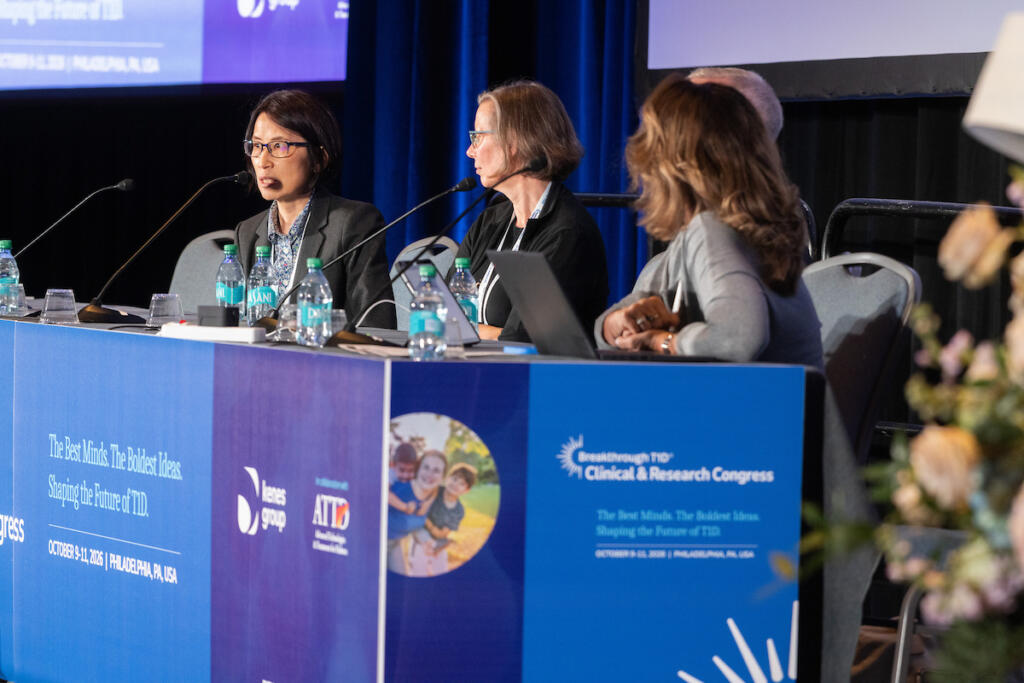
Expanding on detection methodologies, Greg Lipak of HealthShare Exchange discussed the deployment of artificial intelligence algorithms to scour electronic health records to identify undiagnosed or misdiagnosed individuals. This technological push aligns closely with organizational priorities outlined by Dr. Anastasia Albanese-O’Neill, Senior Vice President of Medical Affairs at Breakthrough T1D, who emphasized the urgent need to scale global screening efforts. While global medical consensus increasingly supports early staging—bolstered by Breakthrough T1D’s recently published monitoring guidelines—experts stressed that screening initiatives must be coupled with comprehensive clinical support and actionable guidance for families navigating early-stage diagnoses.
Quality of Life, Complication Mitigation, and Global Access
Beyond curative research, CRC 2026 dedicated significant programming to improving the immediate quality of life for those currently managing T1D. Presentations by Dr. Kalie L. Tommerdahl of the University of Washington highlighted independent correlations between obesity, glycemic control, and adolescent kidney health, emphasizing multifactorial care approaches. Meanwhile, real-world data presented by Dr. Piaopiao Li of Emory University underscored the cardiorenal protective benefits of GLP-1 receptor agonists in T1D populations, noting a significant reduction in cardiovascular and chronic kidney disease risks without unmanageable safety concerns.
Global advocacy and medical affairs also took center stage, with leaders addressing persistent disparities in device and treatment access across international borders. Closing the congress’s core thematic discussions, remarks from international stakeholders reinforced that scientific breakthroughs and progressive health policies must advance in tandem to ensure equitable patient access. As Breakthrough T1D continues to champion clinical trial recruitment reforms—exemplified by successful localized educational workflows presented by Dr. Kimber Simmons—the medical community moves forward with heightened momentum, united by concrete data, innovative therapies, and an unwavering commitment to transforming the lived reality of type 1 diabetes.
Related posts: