A Culinary Evolution: How Thin, Blender-Made Tropical Fruit Crepes Are Reshaping Weekend Brunch Trends

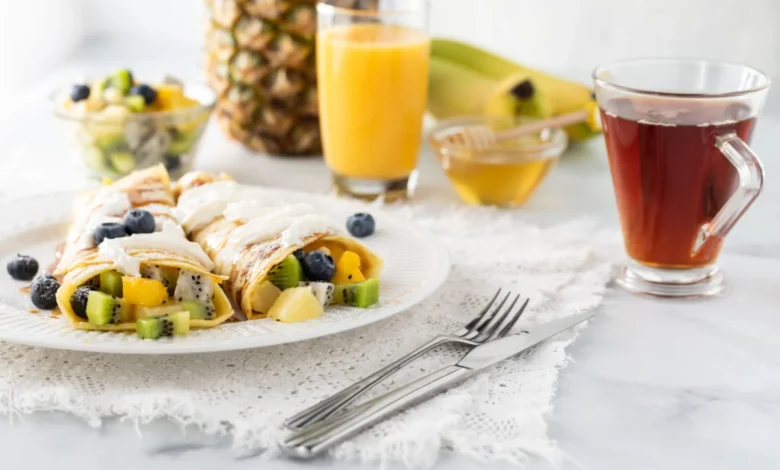
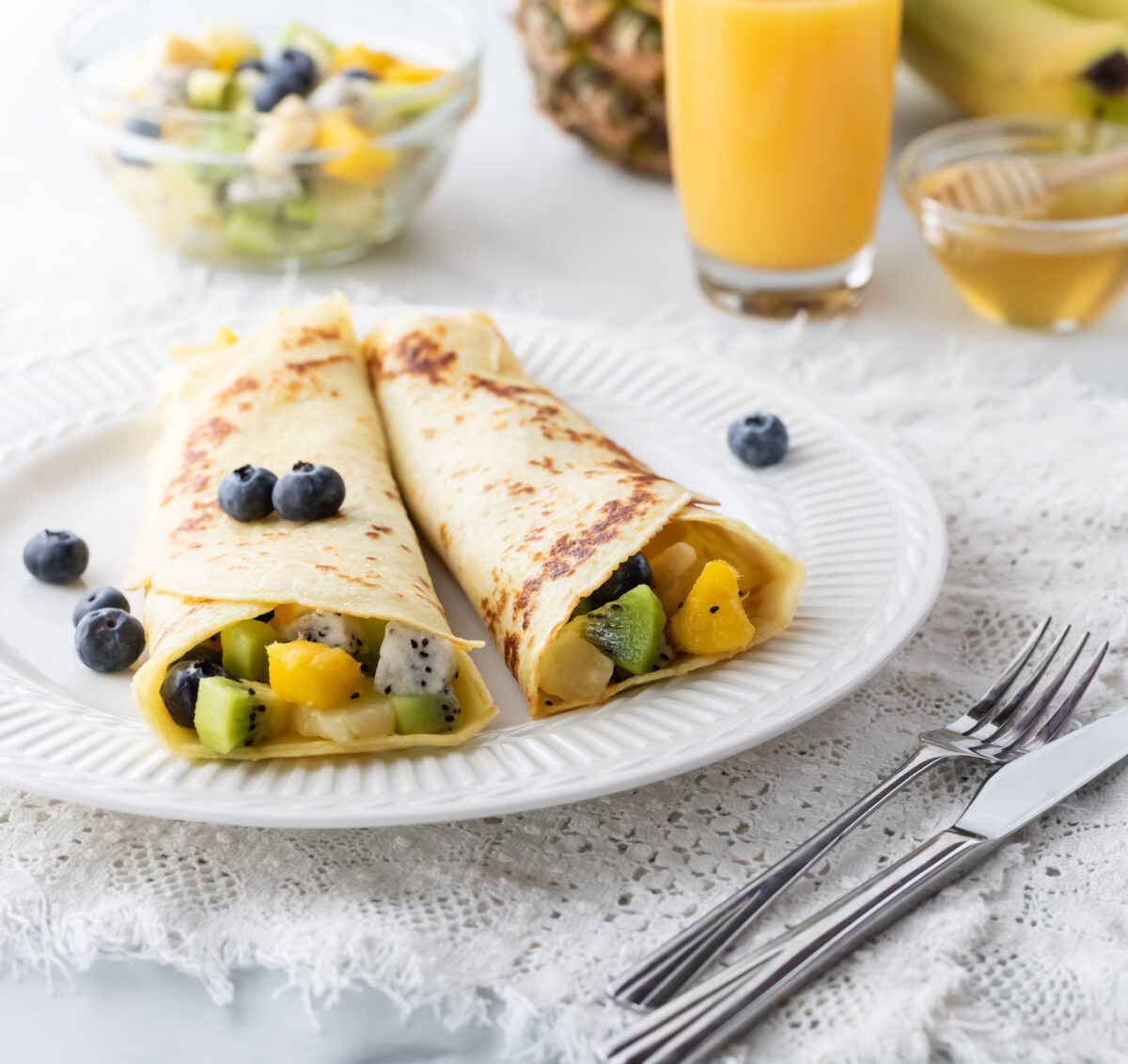
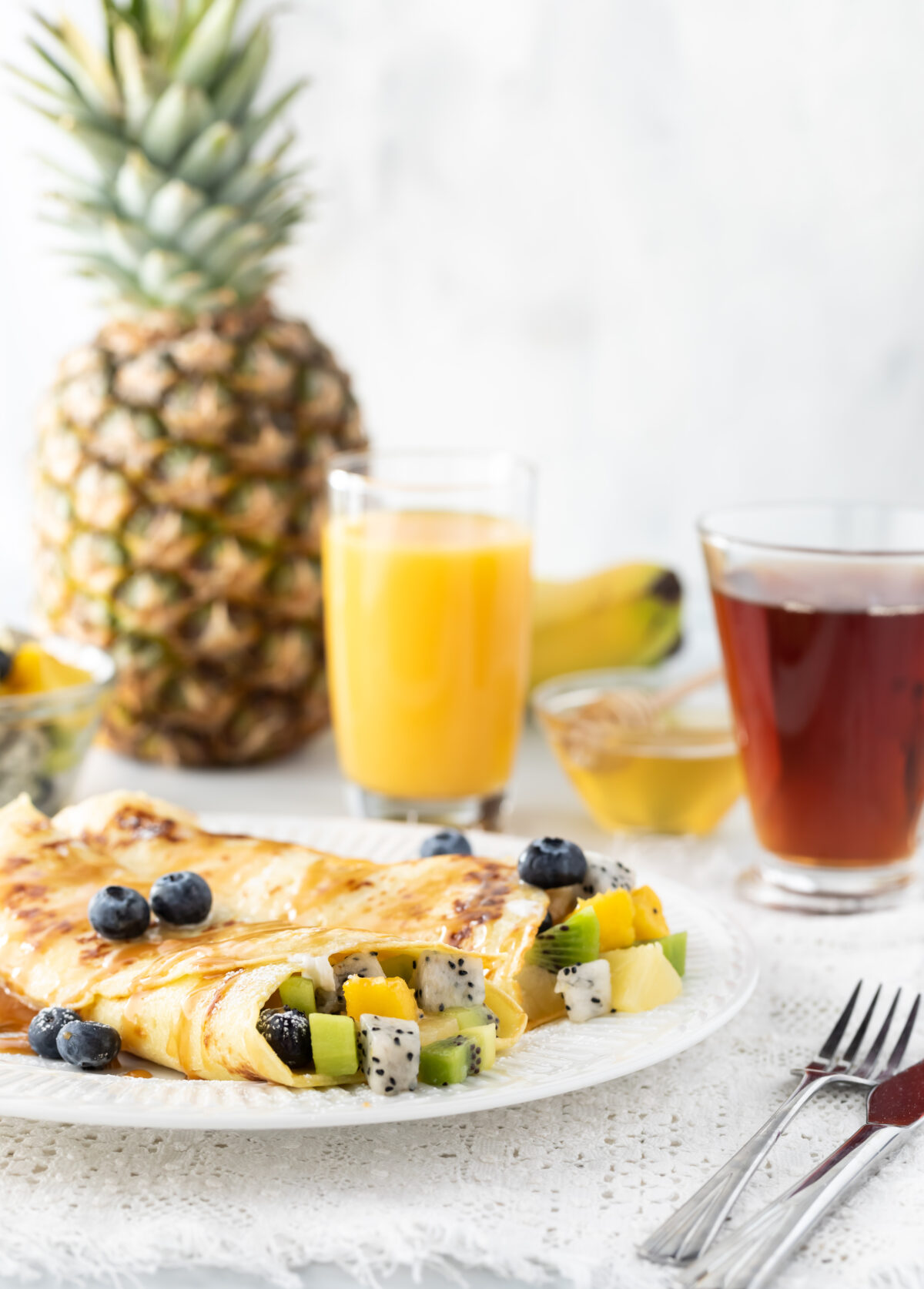
The culinary landscape of the modern weekend brunch has undergone a subtle yet significant shift toward lighter, visually vibrant, and customizable dining options. At the forefront of this trend is a recipe capturing the attention of home cooks and culinary enthusiasts alike: thin, tender tropical fruit crepes. Combining the delicate artistry of traditional French pastry-making with the vibrant, nutrient-dense profile of contemporary breakfast preferences, this dish bridges the gap between sophisticated gastronomy and accessible family-friendly cooking. Utilizing a streamlined blender preparation method and featuring a kaleidoscope of tropical produce—including green kiwi, golden pineapple, vibrant dragon fruit, and deep-blue berries—the recipe has quickly established itself as a staple for special occasions ranging from birthday celebrations to relaxed weekend gatherings.
The Origin and Evolution of the Crepe in Modern Cookery
To understand the current popularity of tropical fruit crepes, one must examine the history of the crepe itself. Originating in the Brittany region of France during the 13th century, crepes were initially born out of necessity. Farmers utilized buckwheat flour, which grew easily in the poor soil of the region, to create thin, flat pancakes known locally as galettes. Over centuries, as refined white flour became more accessible, the French crepe evolved into a luxury item, eventually migrating from regional peasant kitchens to the finest cafes of Paris.
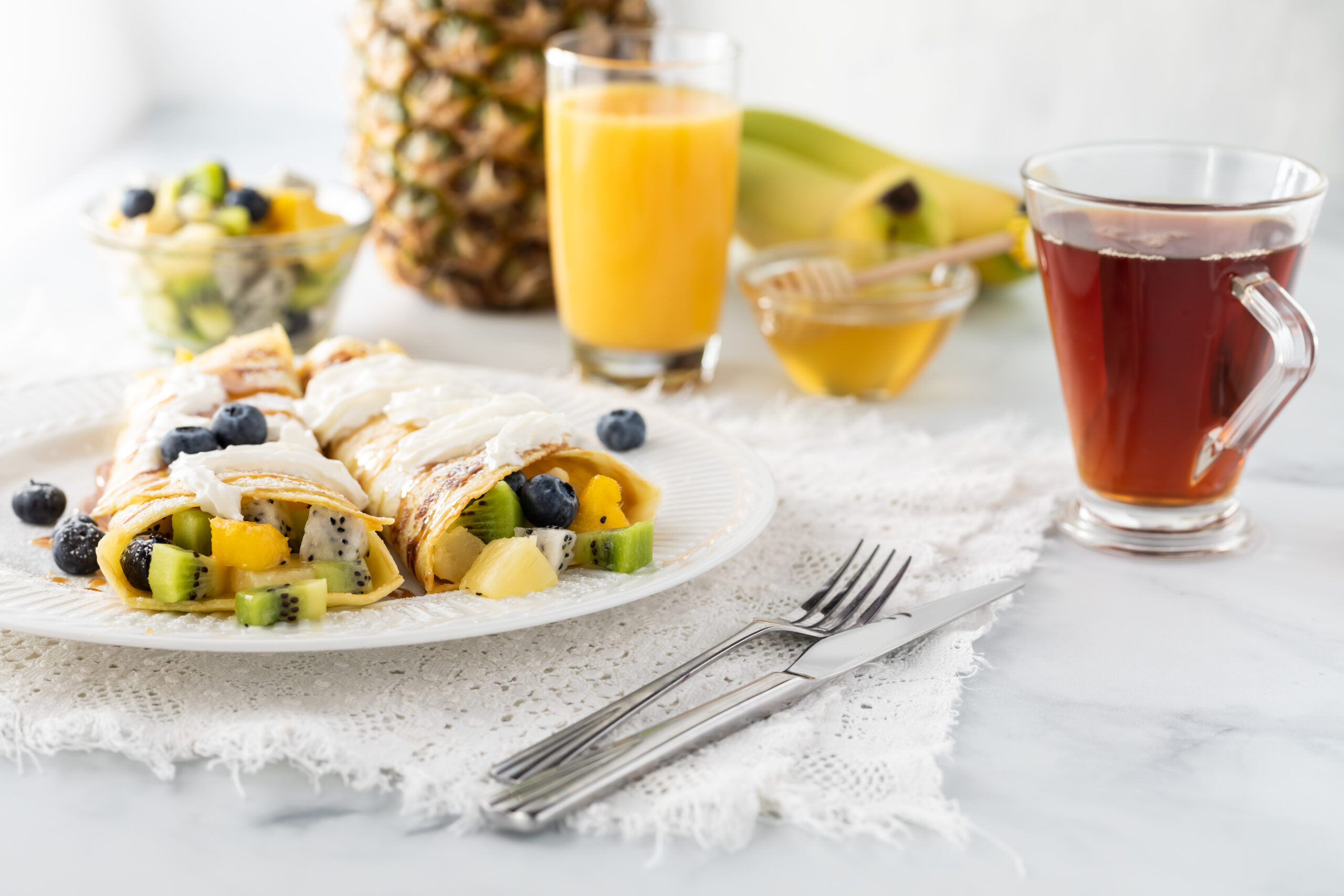
Traditionally, French crepes are divided into two distinct categories: galettes (savory buckwheat pancakes) and sweet crepes (crêpes suzettes or basic sweet varieties). The fundamental difference between a traditional crepe and an American pancake lies in the absence of chemical leavening agents such as baking powder or baking soda. Without leavening, the batter yields a delicate, elastic, and thin structure rather than a thick, fluffy cake. This unique texture makes crepes exceptionally versatile, capable of being rolled, folded, or layered with a wide array of sweet and savory components.
In recent decades, international culinary cross-pollination has transformed the crepe from a specialty restaurant item into a staple of home-cooked international cuisine. The integration of tropical fruits—ingredients historically limited by geography but now globally accessible via modern supply chains—represents the next phase in this culinary evolution.
Streamlining Gastronomy: The Science and Technique of Blender Crepe Batter
Historically, preparing authentic French crepes was viewed by home cooks as a labor-intensive, technically demanding process requiring specialized equipment, patient whisking, and meticulous temperature control to avoid lumps. However, contemporary recipe development has modernized the technique, most notably through the adoption of the kitchen blender.
Culinary science explains why the blender method yields superior results for novice and experienced cooks alike. By combining liquid ingredients—such as milk, eggs, melted butter, and a touch of sweetness—prior to introducing dry ingredients like all-purpose flour and salt, the blender creates a vortex that rapidly hydrates the flour proteins without forming dense gluten clusters. This mechanical efficiency eliminates the traditional need for strenuous hand-whisking and subsequent strainings through fine-mesh sieves.
Crucially, modern culinary guidelines emphasize the science of resting the batter. Food science experts note that allowing the blended batter to rest—ideally for 30 minutes to overnight in refrigeration—serves two vital functions. First, it allows the starch molecules in the flour to fully absorb the liquid, ensuring optimal viscosity. Second, it allows air bubbles introduced during high-speed blending to dissipate, preventing premature tearing or gaping holes when the batter hits a hot skillet. The resulting batter maintains a fluid, pourable consistency significantly thinner than traditional pancake batter, which is essential for achieving the trademark lace-thin edges characteristic of authentic crepes.
Nutritional Analysis and the Appeal of Tropical Produce
As public health initiatives continue to emphasize the importance of diverse, nutrient-dense diets, breakfast menus have faced increasing scrutiny for high sugar and refined carbohydrate content. The integration of tropical fruits into traditional pastry formats offers a nutritionally advantageous alternative to conventional heavy syrups and processed toppings.
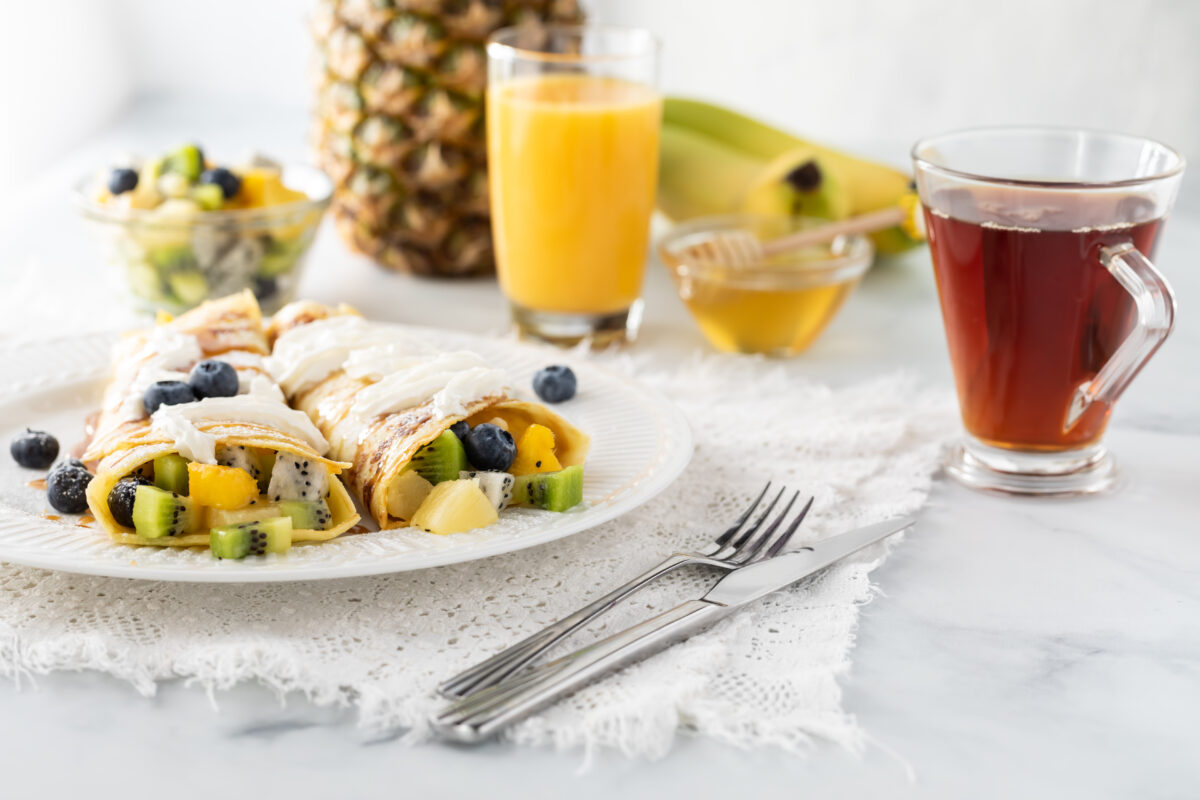
Dietary analyses of the specific fruits featured in modern tropical crepe recipes highlight substantial health benefits:
- Kiwi: Exceptional source of vitamin C, vitamin K, dietary fiber, and antioxidants, contributing to immune support and digestive health.
- Pineapple: Contains bromelain, a unique enzyme complex known for its anti-inflammatory properties and ability to aid digestion.
- Dragon Fruit (Pitaya): Rich in prebiotics, iron, magnesium, and carotenoids, which support gut flora and cellular health.
- Berries: Packed with anthocyanins and polyphenols, known to reduce oxidative stress and improve cardiovascular function.
By pairing these micronutrient-dense fruits with a crepe base that can easily be modified for dietary restrictions—such as utilizing plant-based milks, coconut oil, or whole-wheat flour alternatives—home cooks can tailor the dish to accommodate vegetarian, dairy-free, and clean-eating lifestyles without sacrificing flavor or presentation.
Professional Techniques for Flawless Execution
Culinary professionals and test kitchen experts have identified several key variables that dictate success when preparing thin crepes at home:
- Skillet Selection: A high-quality nonstick skillet or specialized crepe pan is critical. It minimizes the need for excess fats and ensures seamless flipping without structural tearing.
- Thermal Regulation: Maintaining a consistent medium heat prevents the batter from cooking instantly upon contact—which prevents proper swirling—while avoiding the opposite extreme, which yields dry, rubbery textures.
- Volume Control: Standardizing the pour to approximately one-quarter cup of batter for an 8- to 10-inch pan ensures uniformity, allowing the crepe to cook evenly in under two minutes per side.
- Immediate Motion: The pan must be lifted and swirled in a circular motion the exact moment the batter makes contact, distributing the liquid into a uniform, translucent layer.
Industry Implications and the Rise of Make-Ahead Breakfast Culture
The growing popularity of dishes like tropical fruit crepes reflects broader socioeconomic shifts in consumer habits regarding home cooking. With modern schedules increasingly constrained, convenience has become a primary driver in meal planning. Consequently, recipes that offer a balance of gourmet presentation and practical make-ahead capabilities are experiencing unprecedented demand.
Food industry analysts note that recipes featuring component-based preparation—where crepes can be batched, stacked with parchment paper, and refrigerated or frozen for future use—align directly with the rising popularity of meal prepping. This modular approach allows families to enjoy a sophisticated, restaurant-quality breakfast on busy weekdays or leisurely weekends with minimal active morning labor.
Furthermore, the interactive nature of filling and folding crepes has made the dish a favorite for family-oriented culinary activities. By inviting children and guests to customize their meals with various fillings—ranging from Greek yogurt and nut butters to shredded coconut and dark chocolate drizzles—the cooking experience extends beyond mere nutrition into shared social engagement.
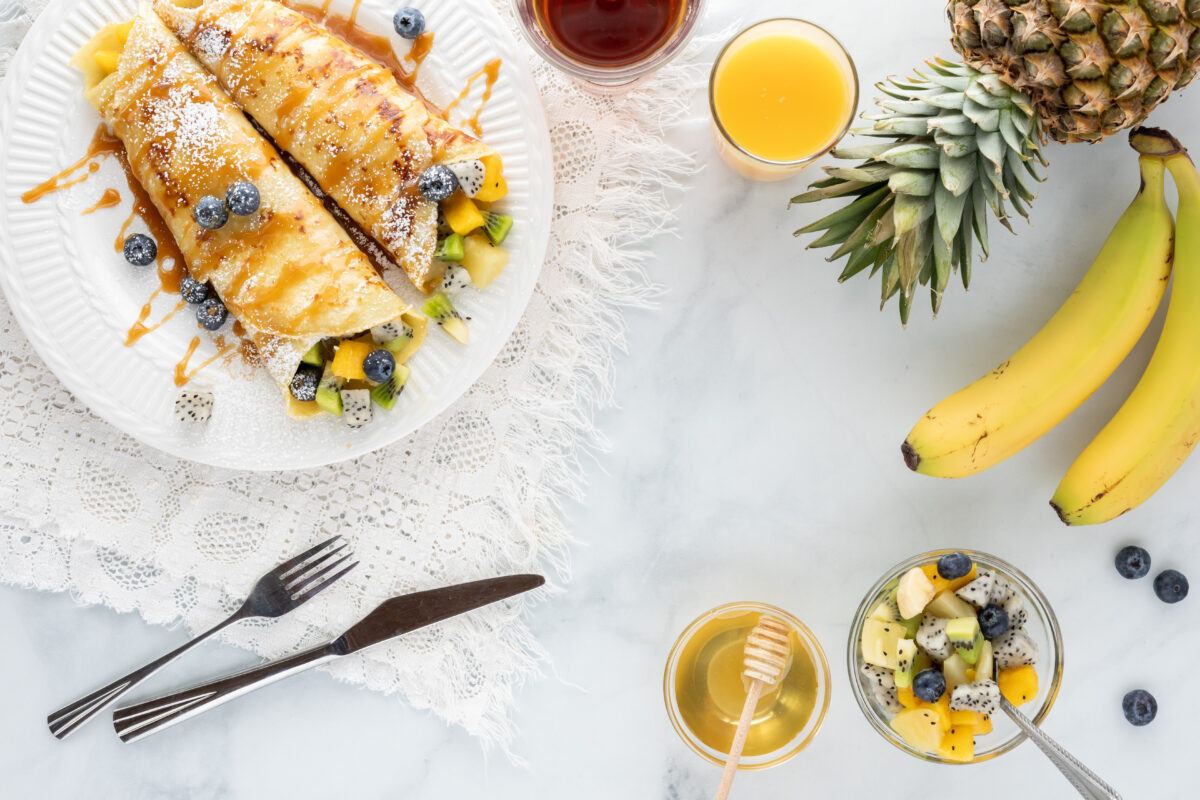
As the boundaries between everyday home cooking and fine dining continue to blur, versatile dishes like tropical fruit crepes demonstrate how traditional culinary techniques can be successfully adapted for the contemporary kitchen. Through the combination of modern appliance efficiency, nutritional versatility, and timeless flavor pairings, this brunch classic is well-positioned to remain a dominant trend in domestic gastronomy for years to come.