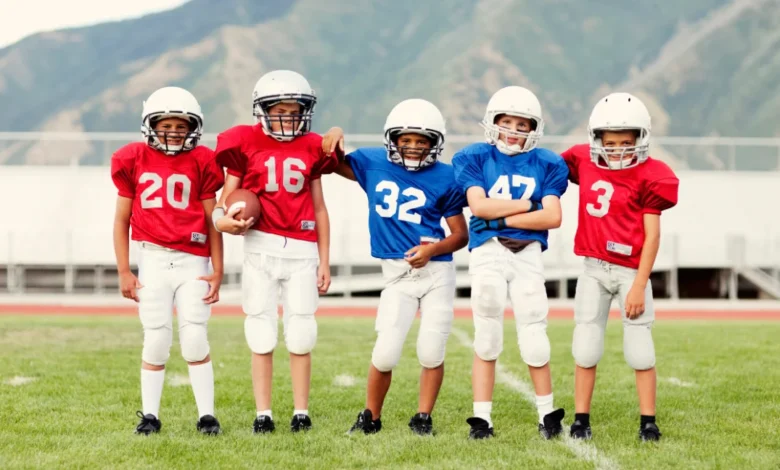
The evolution of youth sports over the past several decades has shifted significantly from a localized, recreational pastime into a highly structured, competitive industry. Millions of children participate in organized sports annually, driven by aspirations of collegiate scholarships, professional careers, or simply the desire for physical engagement. However, this hyper-competitive landscape has introduced immense psychological pressures on young athletes, leading sports psychologists, educators, and pediatric health organizations to re-examine the foundational role of sportsmanship. While scoreboards and trophies often dominate the public narrative, contemporary child development research demonstrates that the true long-term value of youth sports lies in character formation, emotional regulation, and resilience.
Historical Context and the Changing Landscape of Youth Sports
To understand the current crisis of over-competition in youth athletics, one must examine the trajectory of recreational leagues over the last fifty years. Historically, community-based sports were largely seasonal, multi-sport activities organized by schools or local volunteer groups like the YMCA or Little League. The primary objectives were physical fitness, socialization, and community engagement.
By the late 1990s and early 2000s, the rise of the "travel team" and club sports ecosystem transformed the youth athletics market into a multi-billion-dollar industry. Children as young as seven and eight years old are now frequently funneled into specialized, year-round training regimens. This commercialization has inadvertently accelerated parental investment—both financial and emotional. Studies from organizations like the Aspen Institute’s Project Play indicate that families often spend thousands of dollars annually on travel, equipment, and private coaching, raising the stakes for every game and tournament.
As financial and emotional investments have escalated, behavioral incidents on the sidelines have similarly increased. Referees, league administrators, and young athletes routinely face hostility from spectators and parents. In response, national governing bodies for various sports have implemented mandatory sportsmanship training for coaches and parents, attempting to reclaim the foundational ethos of youth athletics: fair play, mutual respect, and personal growth.
The Psychological Imperative: Effort Versus Outcome
At the heart of modern sports psychology is the distinction between a "fixed mindset" and a "growth mindset," a framework popularized by Stanford psychologist Carol Dweck. When applied to youth sports, this psychological principle dictates how children process success and failure.
Data compiled by youth development researchers consistently shows that children whose self-worth is tied strictly to the scoreboard experience higher rates of athletic burnout and anxiety. Conversely, athletes who receive positive reinforcement centered on effort, teamwork, and personal improvement develop higher levels of psychological resilience. When parents and coaches praise perseverance—such as hustling during a deficit or maintaining composure under pressure—they activate neural pathways associated with intrinsic motivation.
Psychological studies indicate that intrinsic motivation is the primary driver of long-term athletic adherence and adult physical fitness. Children who play for the joy of the game and the satisfaction of personal mastery are significantly more likely to remain physically active into adulthood compared to those who play primarily to appease parental expectations or secure external accolades.
Ten Essential Strategies for Positive Sports Parenting
Navigating the competitive seasons of youth sports requires deliberate strategies from parents and guardians. Child development experts recommend ten foundational practices to foster a healthy athletic mindset:
-
Shifting the Focus from Winning to Growing
Recognizing accomplishments beyond the final score builds lasting confidence. Parents should explicitly acknowledge effort, perseverance, and teamwork. Validating a child’s ability to stay calm under pressure reinforces character traits that translate directly to academic and professional environments later in life. -
Establishing Teamwork as a Core Family Value
Team dynamics mirror broader societal structures. Encouraging children to support teammates, acknowledge the strengths of others, and express gratitude toward coaches, referees, and volunteers builds social-emotional intelligence.
-
Practicing Sportsmanship in Low-Stakes Environments
Character is forged incrementally. Family board games, casual backyard competitions, and collaborative video games serve as effective training grounds for learning how to lose graciously and win humbly. Processing the disappointment of a loss in a safe home environment teaches emotional regulation before the stakes are heightened on an athletic field. -
Fostering Self-Advocacy in Young Athletes
When conflicts arise—such as disputes over playing time or tactical disagreements with coaching staff—parents often feel compelled to intervene. However, allowing children to articulate their concerns respectfully and engage in autonomous problem-solving builds vital communication skills and resilience. -
Eliminating the Blame Game
Accountability is a cornerstone of athletic development. When faced with a difficult loss or a controversial referee decision, directing a child’s attention toward elements within their control—such as attitude, preparation, and execution—prevents the development of an external locus of control. -
Acting as an Emotional Anchor
Post-game car rides home are pivotal moments for young athletes. Research indicates that immediate performance critiques following a strenuous physical event increase anxiety. Remaining calm, positive, and supportive allows athletes to process their experiences organically. -
Leaving Coaching to the Professionals
Sideline coaching by parents frequently creates cognitive overload for children, who are forced to process instructions simultaneously from parents and coaches. Respectful sideline behavior—cheering enthusiastically without instructing or criticizing—creates a psychologically safe playing environment. -
Modeling Emotional Maturity
Children observe adult behavior acutely. When parents lose their temper after a perceived bad call or a tough loss, acknowledging the mistake transparently provides a powerful lesson in emotional regulation and accountability. -
Leveraging Media as a Teachable Moment
Televised sporting events, documentaries, and sports-themed literature offer neutral ground for discussing ethics, empathy, and sportsmanship. Asking open-ended questions about professional athletes’ behaviors helps children internalize complex moral concepts without feeling lectured. -
Prioritizing Joy and Engagement
The ultimate metric of a successful youth sports experience is the child’s continued enthusiasm. Monitoring signs of burnout, physical exhaustion, or emotional distress ensures that athletics remain a positive developmental tool rather than a source of chronic stress.
Broader Implications and Long-Term Societal Impact
The implications of sportsmanship education extend far beyond the athletic arena. Sociologists and educators view youth sports as a micro-society where children learn civic engagement, rule adherence, conflict resolution, and empathy.
When children are taught to respect opponents, accept defeat with dignity, and collaborate within a team framework, they internalize democratic values essential for community cohesion. Conversely, environments characterized by hyper-competitiveness, unbridled aggression, and parental hostility risk socializing children into antisocial behaviors that can persist into adulthood.
Furthermore, public health initiatives increasingly emphasize the role of youth sports in combating sedentary lifestyles and addressing the childhood obesity epidemic. However, if the psychological cost of participation becomes too high—evidenced by the staggering statistic that nearly 70 percent of children drop out of organized sports by the age of thirteen—society loses a vital vehicle for physical and mental health development.
Conclusion
Raising a respectful, resilient athlete requires a paradigm shift among parents, coaches, and league administrators. By prioritizing character development over short-term competitive outcomes, stakeholders can ensure that youth sports fulfill their historic promise: building healthy bodies, sharp minds, and principled individuals. While scoreboards are temporary, the emotional regulation, empathy, and resilience instilled during these formative years endure for a lifetime.