
Baby First Year Growth Chart: A Complete Guide to Understanding Infant Development Metrics


Monitoring a child’s physical development is a cornerstone of pediatric care, serving as a primary indicator of overall health and nutritional status during the rapid physiological changes of the first year. For parents and caregivers, the terminology surrounding growth charts—such as percentiles, Z-scores, and the distinction between World Health Organization (WHO) and Centers for Disease Control and Prevention (CDC) standards—can be overwhelming. Understanding the science behind these metrics is essential for separating normal, healthy variation from potential developmental concerns.

The Science of Growth Standards
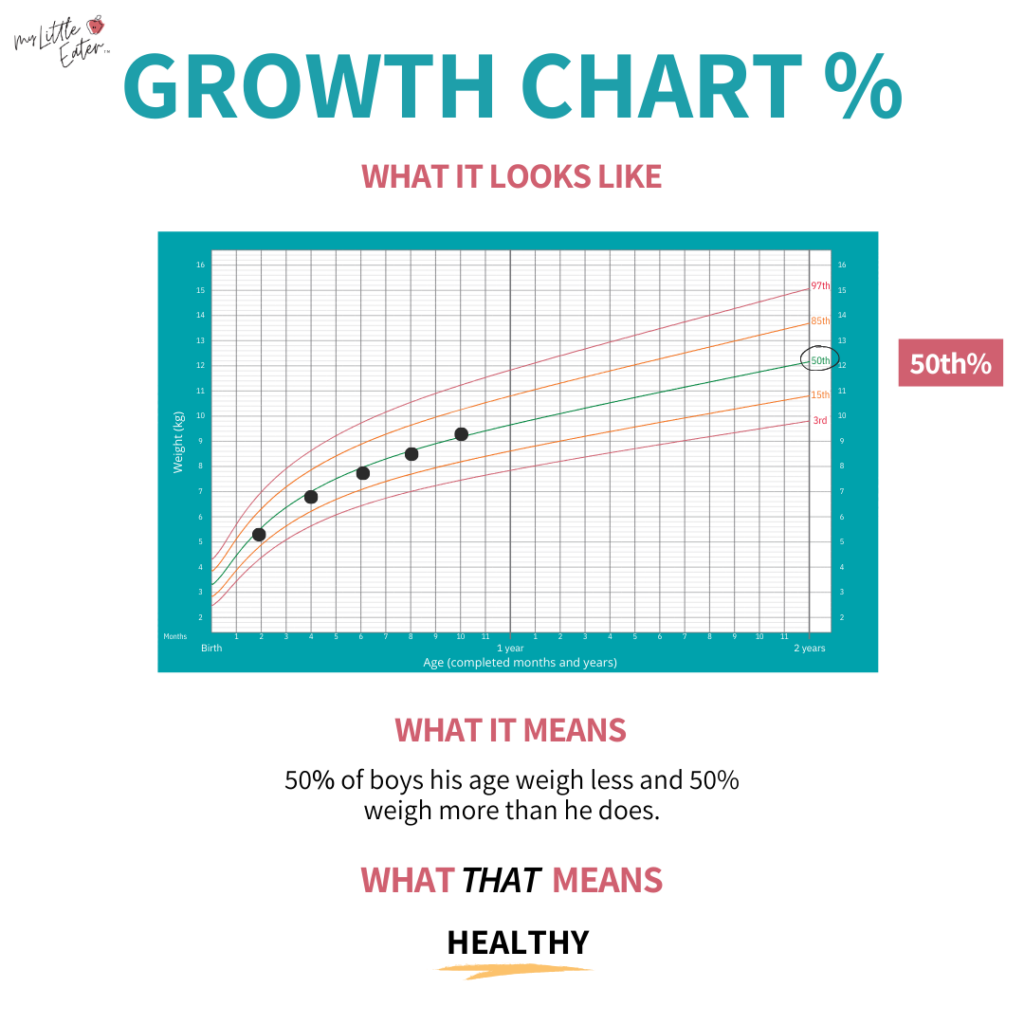
Growth charts are analytical tools that map a child’s weight, length, and head circumference against established reference data collected from thousands of children. These charts allow pediatricians to evaluate whether a child is developing at an expected rate. A percentile score indicates the percentage of children in the reference group who are smaller than the child in question. For example, a child in the 50th percentile is heavier or longer than 50 out of 100 children of the same age and sex.

Historically, growth charts were derived from observational data. The World Health Organization (WHO) standards, which represent the international benchmark for children under the age of two, were developed between 1997 and 2003. This data was compiled from 8,500 children across six diverse countries—Brazil, Ghana, India, Norway, Oman, and the United States. Crucially, these children were raised in "optimal conditions," including access to clean water, non-smoking households, and breastfeeding. Consequently, the WHO charts reflect how children should grow under ideal environmental circumstances, rather than how a specific population did grow in less-than-ideal conditions.

In contrast, the CDC growth charts, often used for children over the age of two in the United States, were developed using data from national surveys conducted between 1963 and 1980. These charts provide a descriptive reference of how American children grew during that specific historical window. Because these charts reflect a specific cultural and temporal environment rather than a prescriptive health standard, health organizations increasingly recommend the WHO standards for infants to ensure a more universal and accurate assessment of healthy development.

The Importance of Growth Velocity
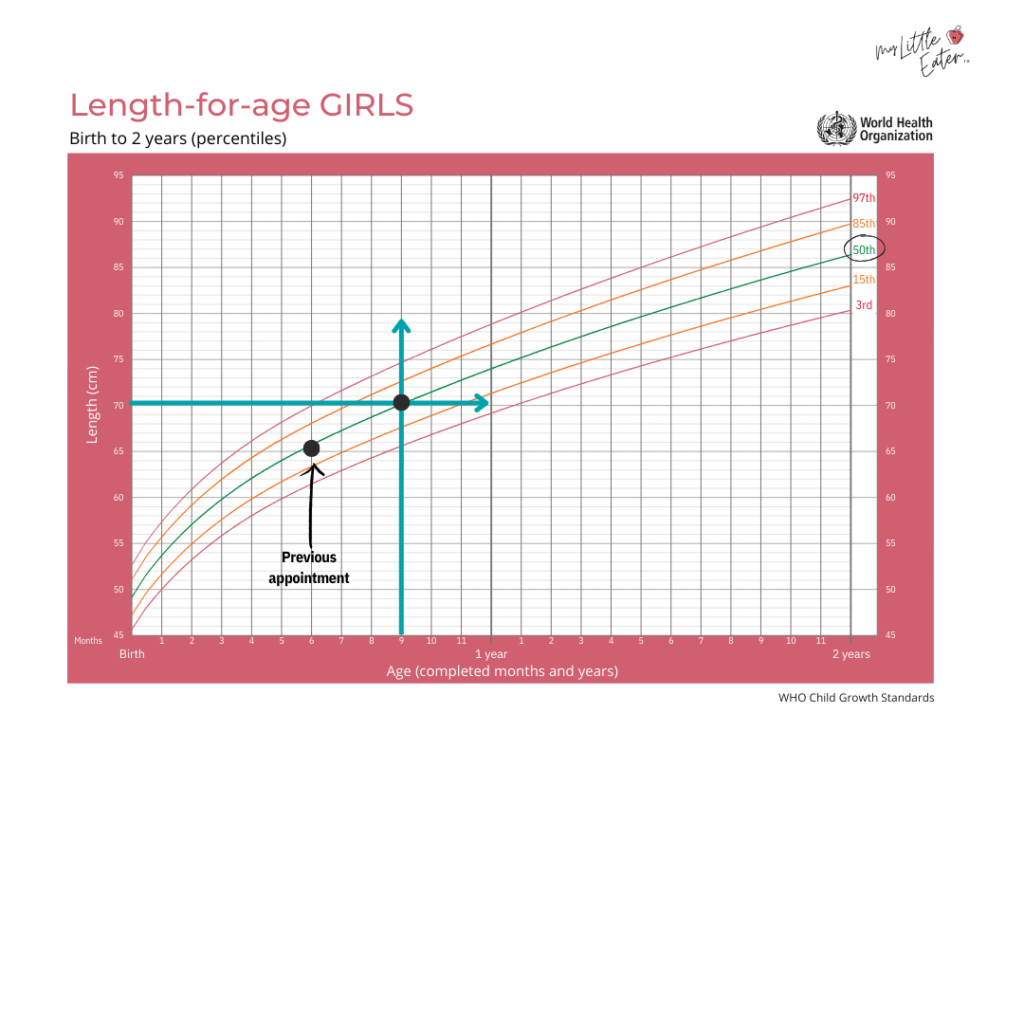
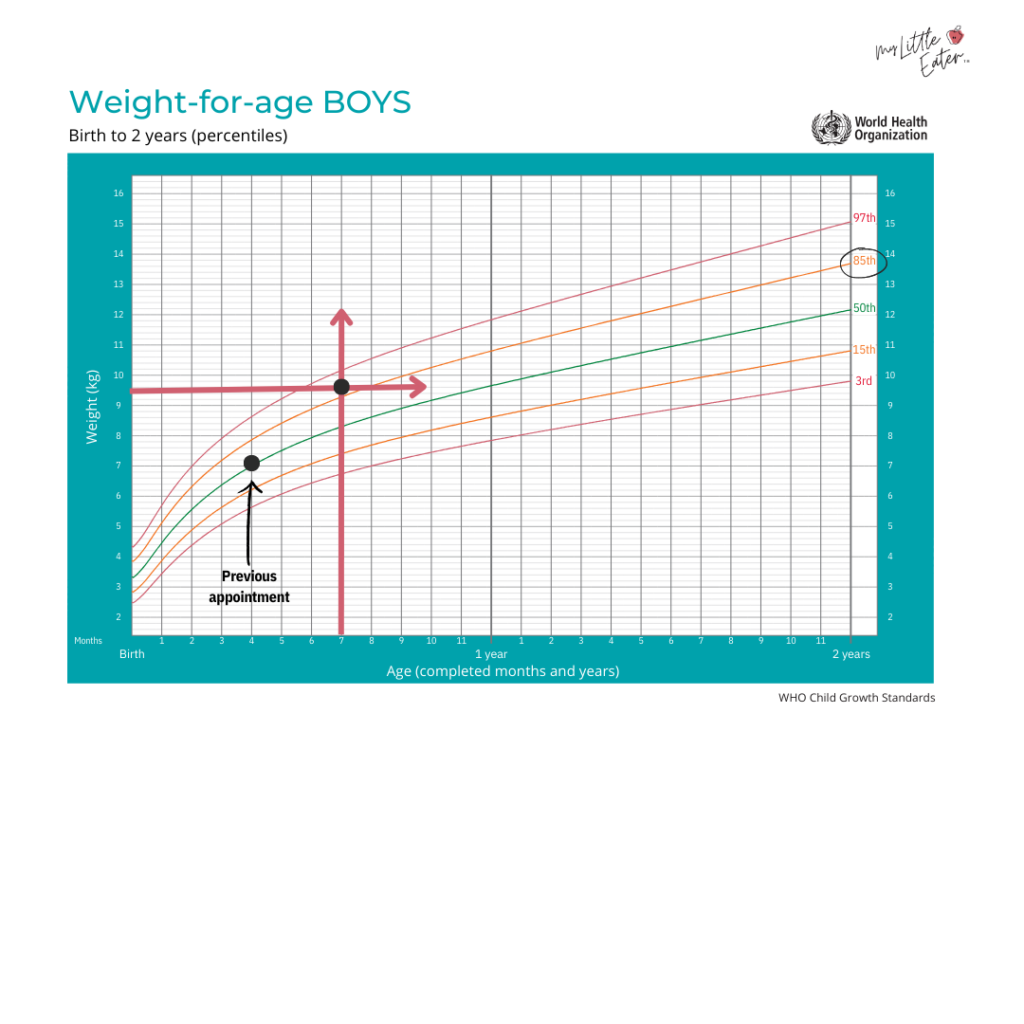
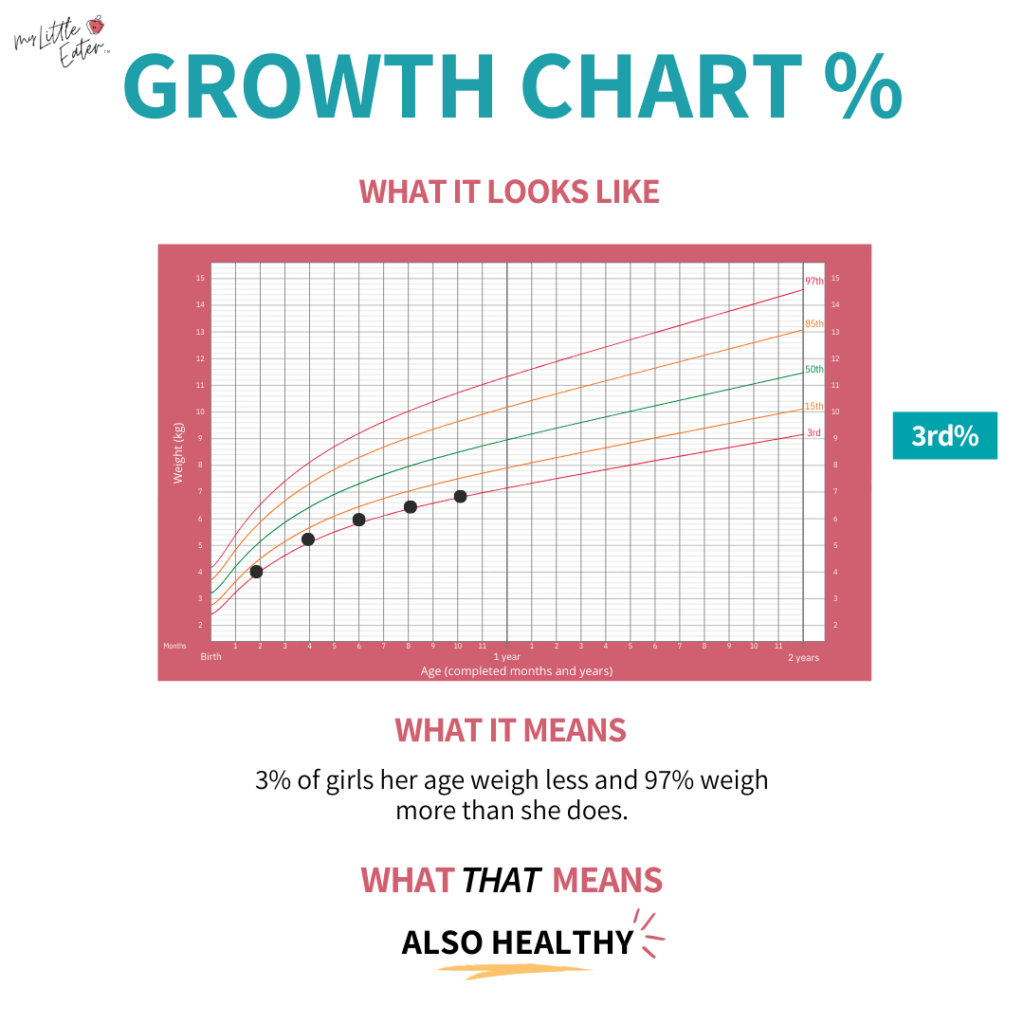
While parents may feel anxious if their child sits at a low percentile, such as the 5th or 10th, medical professionals emphasize that the absolute percentile is less important than the trend of growth over time. A healthy child can consistently track at the 5th percentile, just as a healthy child can consistently track at the 95th.
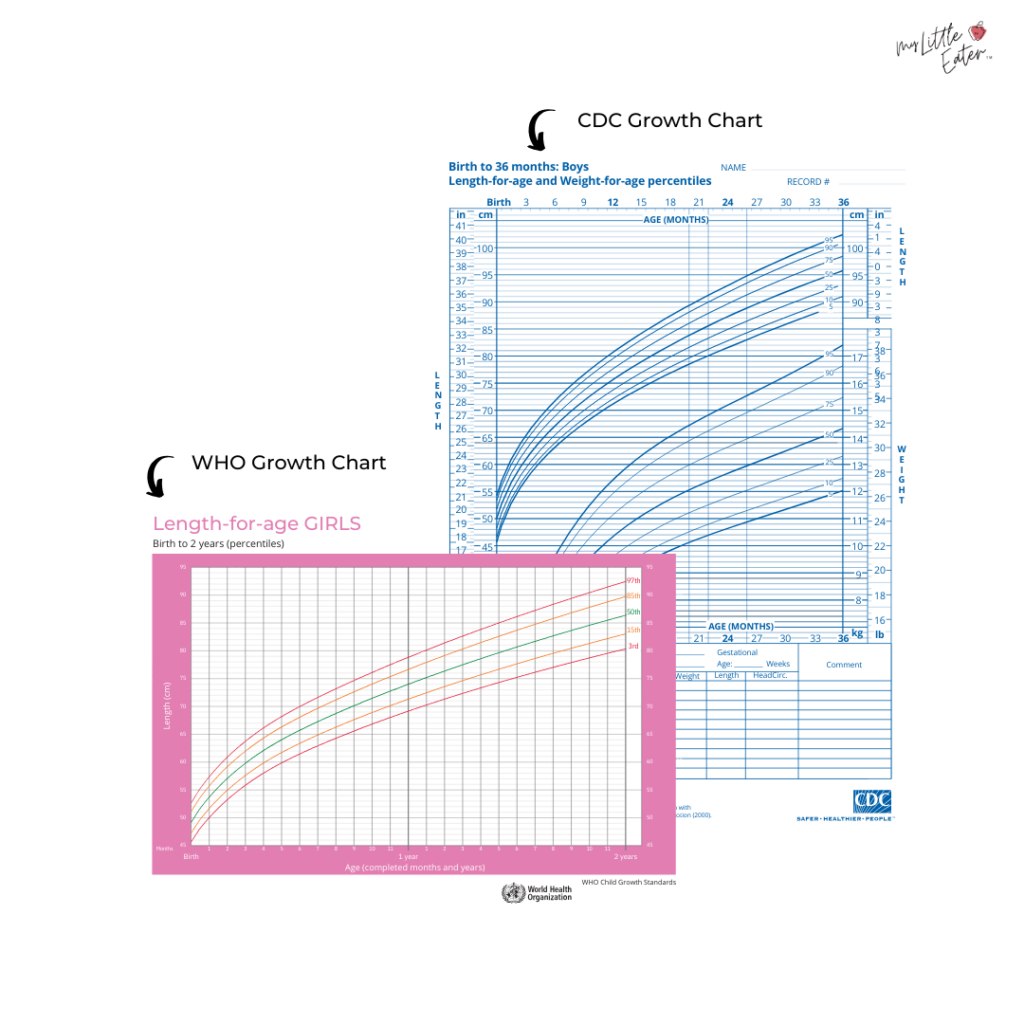
The primary concern for pediatricians is "growth velocity"—the speed and consistency with which a child follows their own established curve. A sudden, sharp deviation from this curve, often referred to as "falling off the chart," may warrant further investigation. While the "two-percentile rule"—a historical diagnostic threshold suggesting that a drop across two or more major percentile lines indicated a medical issue—was once common, modern clinical practice suggests that intervention should not wait for such a significant shift. Any sudden stagnation or sharp decline in weight gain or height increase is typically assessed immediately, as it may be the first sign of nutritional deficiencies, metabolic issues, or underlying health conditions.

Factors Influencing Infant Growth Patterns
Infant growth is a multifactorial process influenced by a complex interplay of genetics, nutrition, and environmental factors. Genetic predisposition plays a significant role; children of tall parents are statistically more likely to follow a higher height percentile. Furthermore, sex assigned at birth remains a primary variable, as biological differences typically result in different growth trajectories for males and females.
Feeding method also significantly impacts the early growth curve. Clinical studies have consistently shown that, in the first six months, breastfed infants often follow a slightly different weight gain pattern compared to formula-fed infants. Breastfed babies may gain weight more rapidly in the first three months but often exhibit a slower rate of weight gain during the latter half of the first year. Conversely, formula-fed infants frequently show accelerated weight gain after the three-month mark. Understanding these nuances is critical for parents to avoid unnecessary stress when comparing their child’s progress to other infants fed differently.
Maternal health during pregnancy, including factors such as gestational diabetes, maternal nutrition, and prenatal exposure to tobacco, also exerts a lasting influence on a child’s birth weight and subsequent growth potential. Post-birth, the introduction of solid foods is a frequent point of confusion. Pediatric dietitians caution that introducing solids before the recommended six-month mark—or when the child is not showing developmental signs of readiness—does not necessarily lead to improved weight gain. In many cases, it may displace nutrient-dense breast milk or formula, potentially hindering the child’s caloric intake.
Clinical Interpretation: Beyond the Numbers
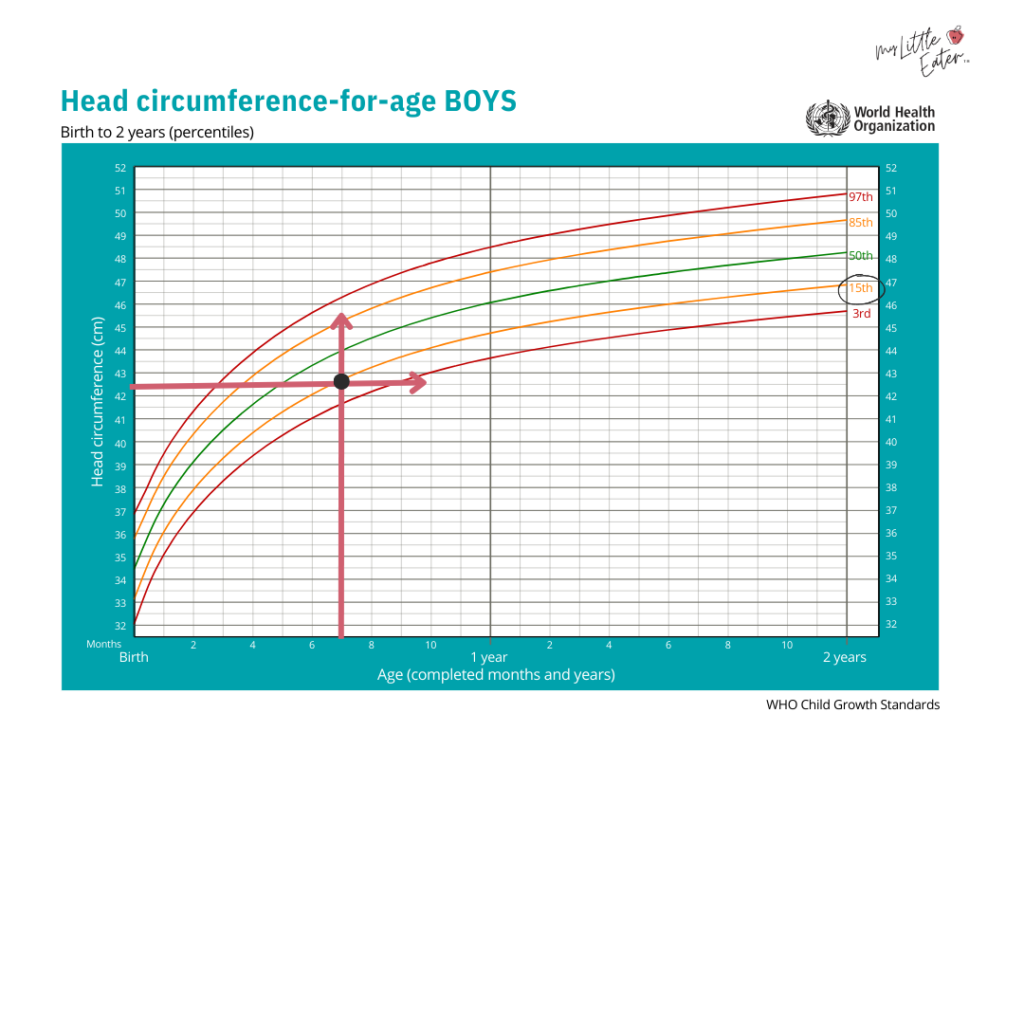
During a well-baby checkup, clinicians often use additional metrics such as Z-scores to add precision to their assessment. A Z-score quantifies how many standard deviations a child’s measurement is from the mean. A Z-score of zero represents the exact average, while negative or positive numbers indicate how far a child deviates from that mean. These scores are particularly useful for children at the extreme ends of the growth charts, providing a more granular view than percentiles alone.

Despite the analytical utility of these tools, medical professionals emphasize that they are only one component of a comprehensive health assessment. A child’s temperament, developmental milestones (such as rolling, crawling, and babbling), and overall energy levels are just as vital as their weight and height measurements. If a physician notices a deviation in growth, they will typically conduct a thorough history, evaluating the child’s feeding patterns, potential illness history, and family growth history before suggesting any intervention.

The Global Standard for Growth
The adoption of the WHO growth standards by over 125 countries underscores the consensus that children, regardless of ethnicity, share a similar potential for growth when provided with adequate nutrition and healthcare. Research supporting the WHO standards indicates that there is little variation in the growth potential of healthy children across different racial and ethnic groups globally. This reinforces the reliability of these charts as a universal, equitable standard for monitoring infant development.
For children born prematurely, the approach to growth monitoring differs. Because these infants were born before reaching full gestational age, their growth is often tracked using specialized preterm growth charts, such as the Fenton preterm growth chart, while they remain in neonatal intensive care. Once discharged, physicians typically transition to WHO growth charts, adjusting the infant’s age to reflect their "corrected age" (the age they would be if they had been born on their due date). This adjustment ensures that growth expectations are appropriately calibrated to the child’s developmental maturity.
Implications for Public Health
The rise in childhood obesity rates has led to ongoing discussions regarding the accuracy and applicability of growth charts for older children. In response, organizations like the WHO have updated reference data for children aged 5 to 19 to better reflect current global health patterns. In the United States, the CDC continues to use its specific growth charts for children over two years old, which are designed to account for the unique growth patterns of the American population.

The takeaway for parents is that while data and charts provide a valuable window into a child’s development, they should not be viewed as an absolute verdict on health. The most effective approach remains regular communication with a pediatrician, who can provide context to the data and distinguish between natural, healthy variation and signs that require medical attention. By focusing on consistent growth patterns rather than chasing specific percentiles, caregivers can foster a supportive environment that prioritizes the child’s long-term health and well-being.