Registered Dietitian Shares Go-To Formula for Protein Meal Prep Lunch Bowls to Combat Workplace Dietary Pitfalls

Transitioning from a remote work environment back to a hybrid or in-office schedule presents numerous logistical and lifestyle challenges. Among the most common yet overlooked hurdles is the disruption of established daily nutritional routines. For many professionals accustomed to working from home, midday meals often consist of spontaneous, unstructured snacking rather than cohesive, balanced nutrition. However, a registered dietitian has introduced a streamlined, customizable meal-prep formula designed to address this dietary vulnerability, offering a practical solution for busy professionals seeking sustained energy and balanced nutrition throughout the workday.
The Challenge of the Hybrid Workplace Transition
In recent years, shifting corporate policies have prompted millions of remote workers to split their time between home offices and traditional corporate workspaces. This transition frequently introduces daily friction, ranging from forgotten work essentials to challenges regarding thermal comfort in air-conditioned offices. Yet, one of the most significant lifestyle disruptions involves meal management.
Without immediate access to home kitchens during standard lunch hours, professionals often face a choice between costly, often nutritionally unpredictable restaurant options or failing to plan entirely. Nutrition experts note that haphazard midday eating habits frequently lead to severe energy slumps during the late afternoon and trigger intense, compensatory hunger upon returning home at the end of the workday. This dynamic often results in overeating or poor food choices during evening hours, undermining broader health and wellness goals.
To counteract these nutritional pitfalls, culinary and health professionals increasingly advocate for structured meal preparation. By establishing a routine of batch-cooking nutrient-dense lunches in advance, workers can reclaim control over their dietary intake, reduce daily decision fatigue, and ensure consistent nutritional support for demanding work schedules.
The Meal Prep Formula: Core Components and Nutritional Balance
Addressing the need for simplicity and efficiency, nutrition specialists have popularized a formula-based approach to meal prepping. Rather than relying on rigid, complex recipes, this methodology utilizes a flexible four-part framework: a complex starch base, a reliable protein source, a robust assortment of vegetables, and a complementary sauce or dressing.
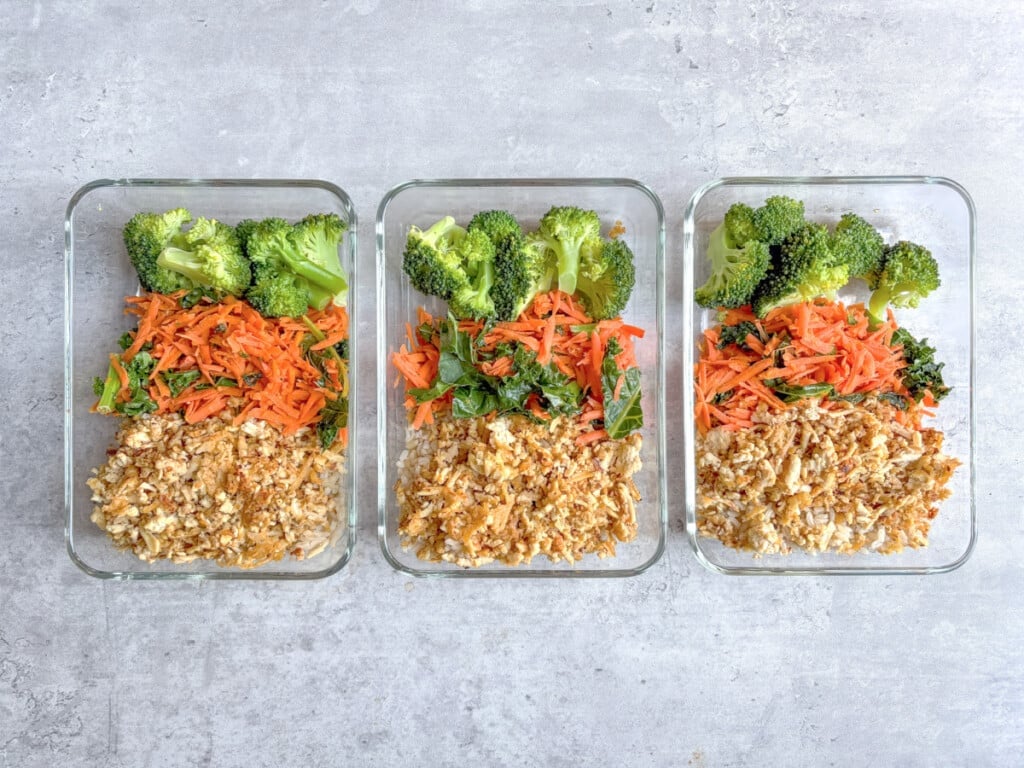
This modular approach allows individuals to adapt their meals based on personal dietary preferences, seasonal availability of produce, and specific nutritional requirements. Furthermore, it significantly reduces the time and cognitive effort required on weekends, making the habit sustainable over the long term.
-
The Starch Base
Providing sustained energy throughout the afternoon requires complex carbohydrates. Whole grains such as brown rice, quinoa, farro, or nutrient-dense options like sweet potatoes serve as the foundation of the bowl, offering steady glucose release to support cognitive function during the workday. -
The Protein Source
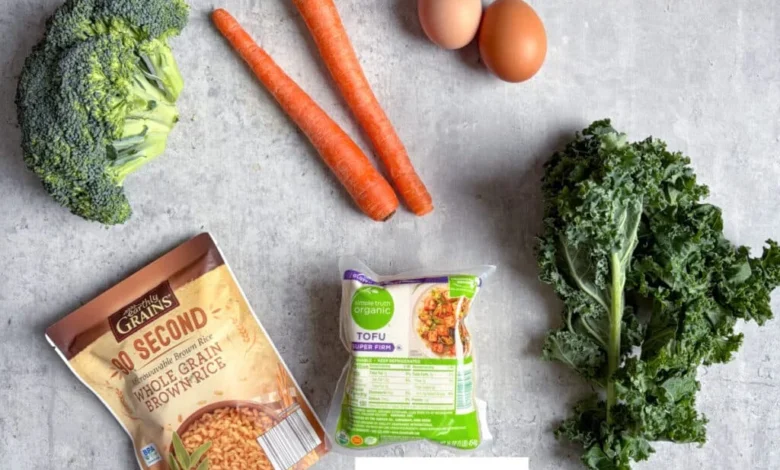
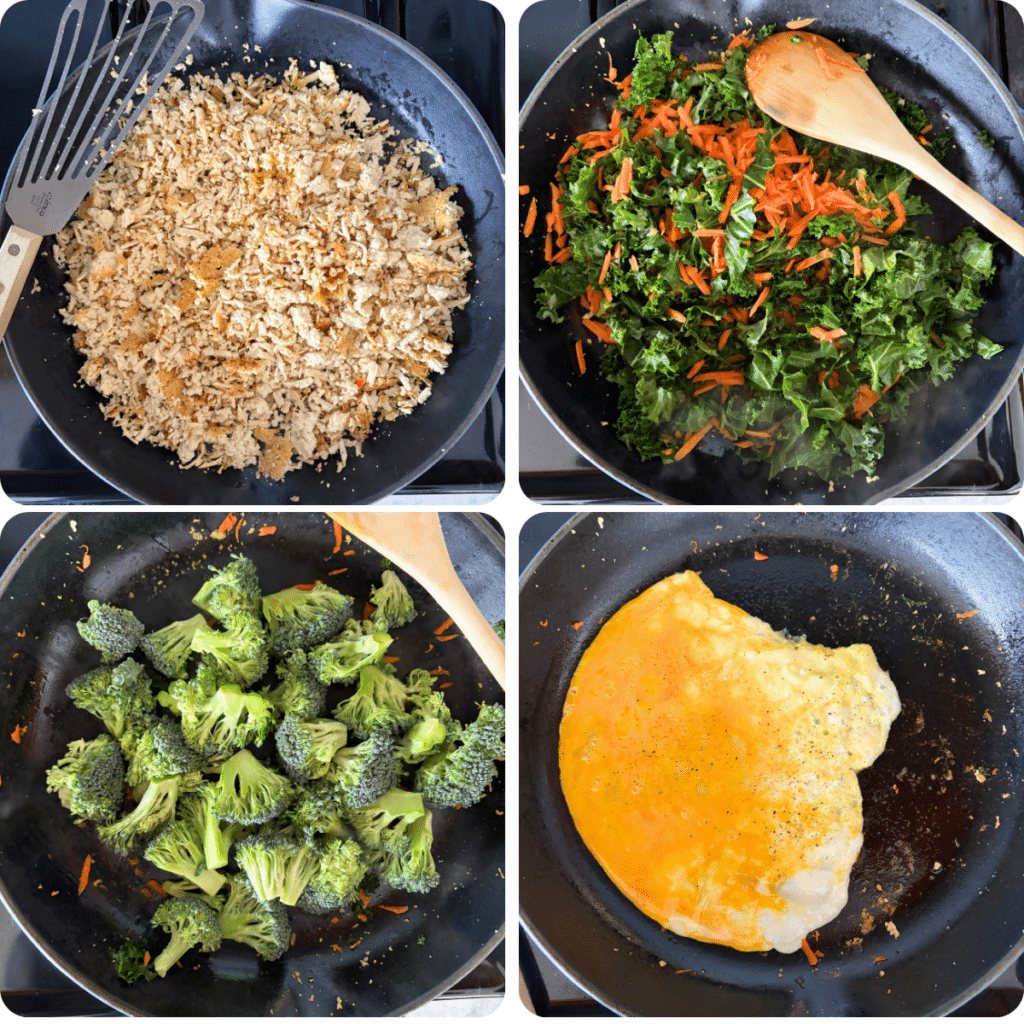
Protein is essential for satiety and muscle maintenance. While traditional animal proteins like poultry, beef, or eggs remain popular, plant-based alternatives are gaining traction among professionals seeking diverse nutritional profiles. Tofu, for instance, has emerged as a versatile option. Although some consumers express hesitation regarding its traditional texture, culinary experts note that preparing tofu by shredding it rather than cubing it drastically alters the mouthfeel, creating a firmer, more palatable consistency that absorbs marinades effectively. -
The Vegetable Component
Incorporating a generous portion of fibrous vegetables ensures an adequate intake of essential vitamins, minerals, and dietary fiber. Common additions include cruciferous vegetables like broccoli, leafy greens such as kale, and root vegetables like carrots. These ingredients add visual appeal, textural variety, and vital micronutrients to the meal.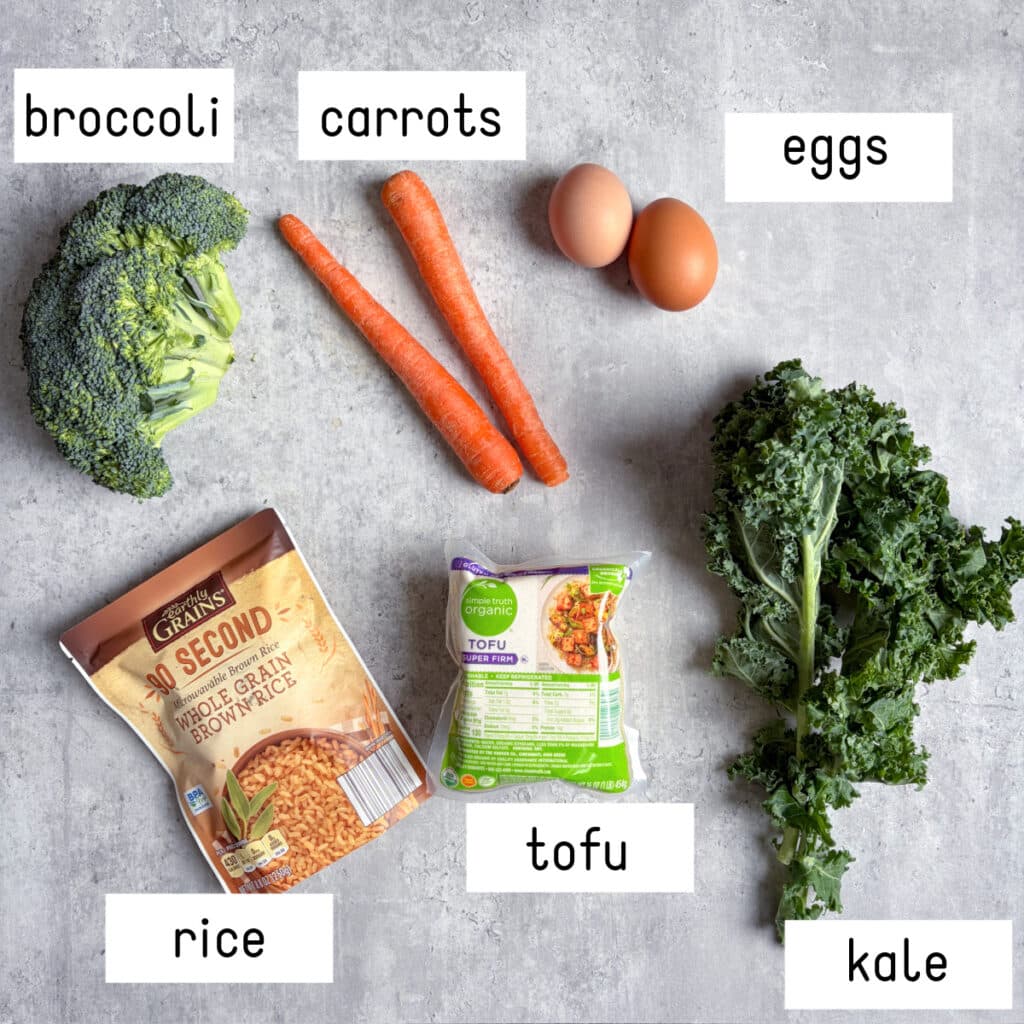
-
The Finishing Sauce
To tie the components together and prevent meal fatigue, a flavorful sauce or dressing is incorporated. Whether utilizing a sesame-ginger glaze, a tahini dressing, or a herbaceous vinaigrette, this final touch elevates the flavor profile without compromising the nutritional integrity of the dish.
Nutritional Profile and Dietary Adaptability
A standard iteration of these meal prep lunch bowls—incorporating grains, shredded tofu, a mix of roasted and fresh vegetables, and an added egg—delivers a balanced macronutrient profile. On average, a single serving yields approximately 444 calories, 22 grams of total fat, 49 grams of carbohydrates, 11 grams of dietary fiber, and 17 grams of protein, alongside essential micronutrients.
For individuals with higher caloric needs or specific athletic goals, the formula is easily scalable. Increasing the protein content can be achieved effortlessly by incorporating legumes, edamame, lean meats, or supplementary dairy or plant-based proteins. Additionally, the high fiber content—averaging 11 grams per serving—supports gastrointestinal health and prolonged satiety, helping to curb workplace snacking.
Storage, Food Safety, and Reheating Protocols
Effective meal preparation requires adherence to proper food safety and storage guidelines to maintain quality and prevent foodborne illness. Registered dietitians recommend the following best practices for batch-prepped lunch bowls:
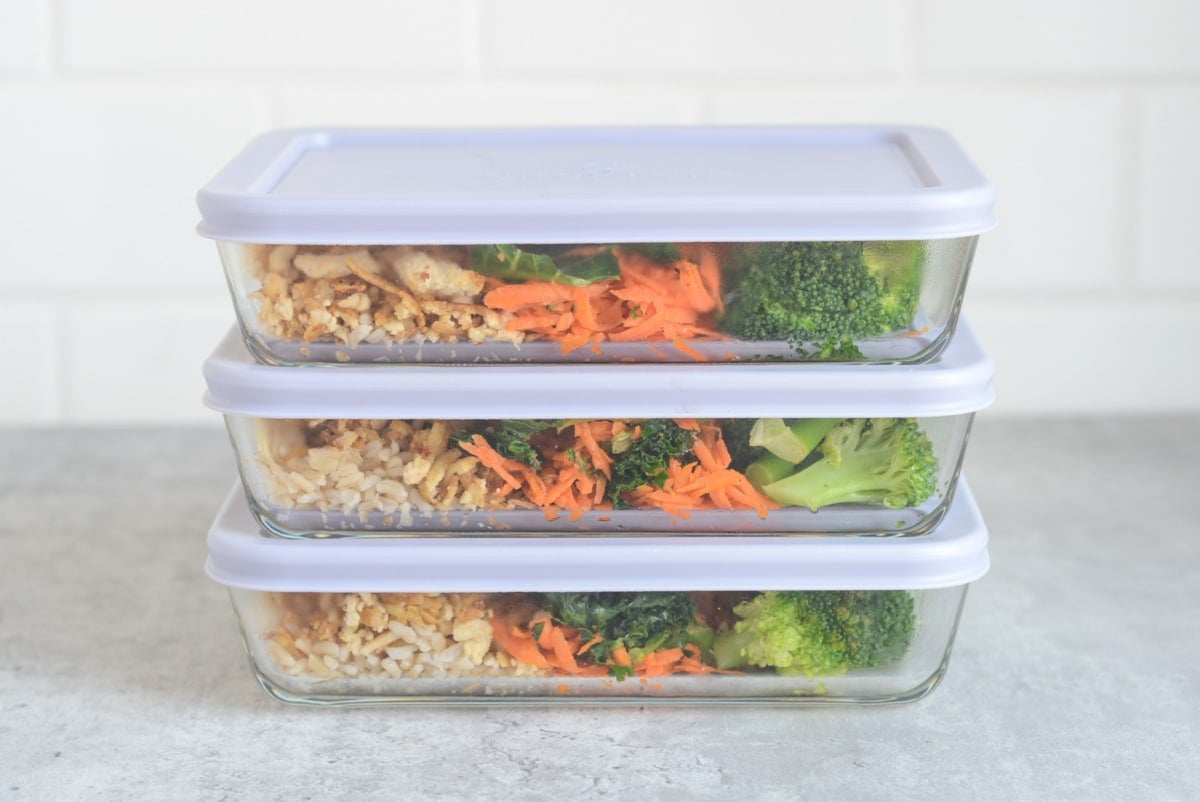
- Storage: Prepared bowls should be housed in airtight, food-grade containers—preferably glass or BPA-free plastic—and stored in the refrigerator immediately after cooling. Properly sealed, these meals remain fresh for up to five days.
- Reheating: When preparing to consume the meal in an office setting, individuals should remove the container lid, cover the bowl loosely with a paper towel to retain moisture and prevent splattering, and microwave on high for one to two minutes. Stirring the contents halfway through ensures even heat distribution.
- Assembly Adjustments: Delicate greens or cold-crunch elements are often best added after the core components have been reheated, preserving optimal texture and freshness.
Broader Implications for Workplace Wellness
The growing trend toward structured meal preparation reflects a broader cultural shift regarding employee well-being and productivity. As corporations and employees alike recognize the direct link between nutrition, cognitive performance, and workplace satisfaction, initiatives supporting healthy eating habits are gaining prominence.
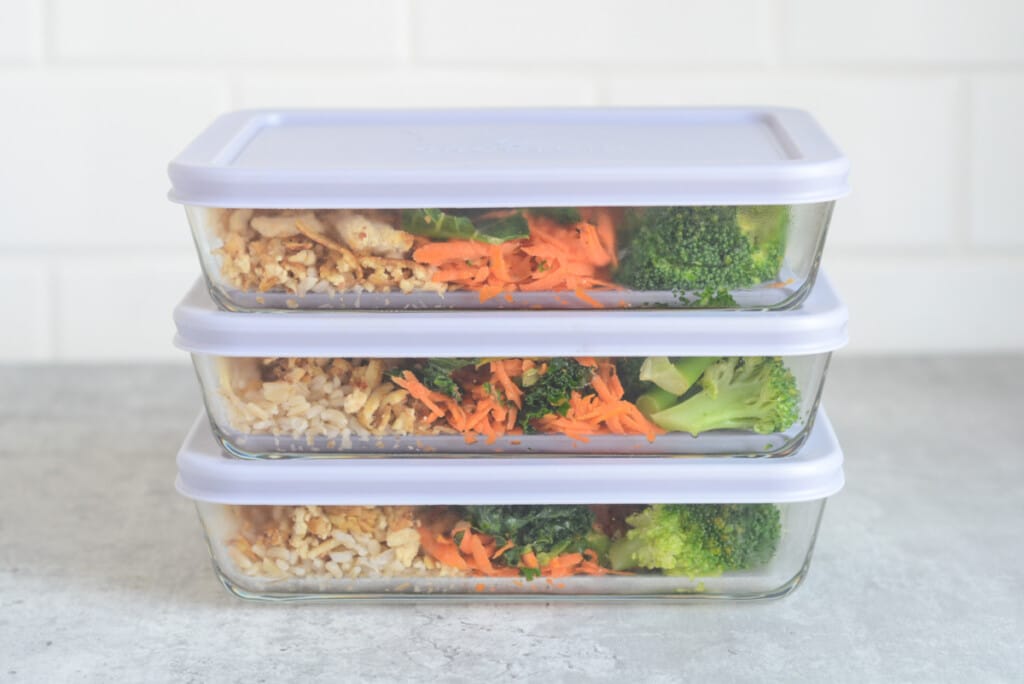
Dietitians emphasize that small, consistent behavioral changes—such as dedicating an hour on Sunday to prep nourishing midday meals—yield cumulative health benefits over time. By removing the daily guesswork of lunch, professionals not only safeguard their nutritional intake but also alleviate the mental burden associated with workday logistics. Ultimately, returning to the office environment does not necessitate a compromise on health; with strategic planning and simple, nutrient-dense formulas, maintaining a balanced diet remains entirely achievable.