How to Craft a Sustainable, Cost-Effective Fresh Pine Holiday Garland at Home

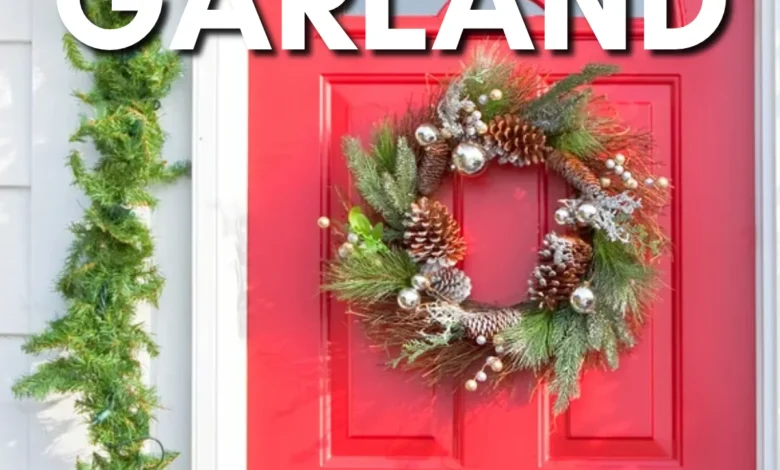
The holiday season traditionally brings a surge in consumer spending on seasonal decor, with pre-made fresh pine garlands emerging as a significant expense for households seeking festive aesthetics. Commercial evergreen displays, often priced at premium rates, have driven a growing demographic of consumers toward sustainable, budget-conscious alternatives. Crafting a homemade garland using locally sourced foliage offers a practical solution that reduces holiday expenditures while aligning with zero-waste principles. This comprehensive guide outlines the methodology for measuring, foraging, organizing, and hanging a custom botanical decoration, supported by horticultural insights and environmental considerations.
The Economic and Environmental Shift in Holiday Decorating
In recent years, seasonal decorating habits have undergone a noticeable transformation, influenced by economic pressures and a broader cultural movement toward sustainability. Store-bought evergreen garlands, while visually striking, often carry a heavy financial and environmental toll. Mass-produced holiday decorations frequently involve extensive supply chains, plastic-based artificial components, or chemically treated greens that resist natural decomposition.
Conversely, utilizing native evergreens transforms holiday preparation into an eco-friendly practice. Organic boughs are entirely compostable, returning nutrients to the soil rather than contributing to municipal waste streams after the winter season concludes. Industry data suggests that consumer interest in do-it-yourself (DIY) home projects peaks between November and December, as families seek meaningful, hands-on activities that foster connection without high retail costs. By sourcing foliage locally, decorators bypass packaging waste and minimize their carbon footprint, establishing a closed-loop system where holiday trimmings return safely to the earth.
Botanical Selection and Foraging Best Practices
A successful holiday garland begins with proper plant selection. Horticultural experts recommend utilizing species that dry out slowly and retain their needles indoors. Firs, pines, boxwoods, and cedars are prime candidates for interior display due to their cellular structure, which minimizes moisture loss.
Among these, the Fraser fir (Abies fraseri) is widely regarded as an optimal choice for structural holiday arrangements. Fraser firs feature sturdy branches capable of supporting decorative elements, and their needle retention is superior to many other conifer varieties. Other reliable options include the red pine, eastern white pine, and western red cedar. Combining multiple species introduces textural variety and a whimsical, layered aesthetic to the finished display.
For those choosing to forage rather than purchase greens from a local nursery or Christmas tree lot, preparation is essential. Botanical identification books help enthusiasts distinguish native species and understand their visual properties before venturing outdoors. Foragers should equip themselves with essential tools, including heavy-duty scissors or pruning shears, durable gloves to protect against sap and prickly needles, and reusable canvas bags for transport.
Ethical foraging guidelines dictate moderation. Pruning should be conducted selectively to avoid harming the host tree, ensuring that no single branch or plant is overly stripped of foliage. For urban residents or those lacking access to forested areas, local Christmas tree vendors and independent nurseries often generate an abundance of discarded lower branches and trimmings. These businesses frequently part with excess greens at minimal cost or give them away entirely, providing a secondary stream of sustainable materials.
Step-by-Step Methodology: Measurement and Design
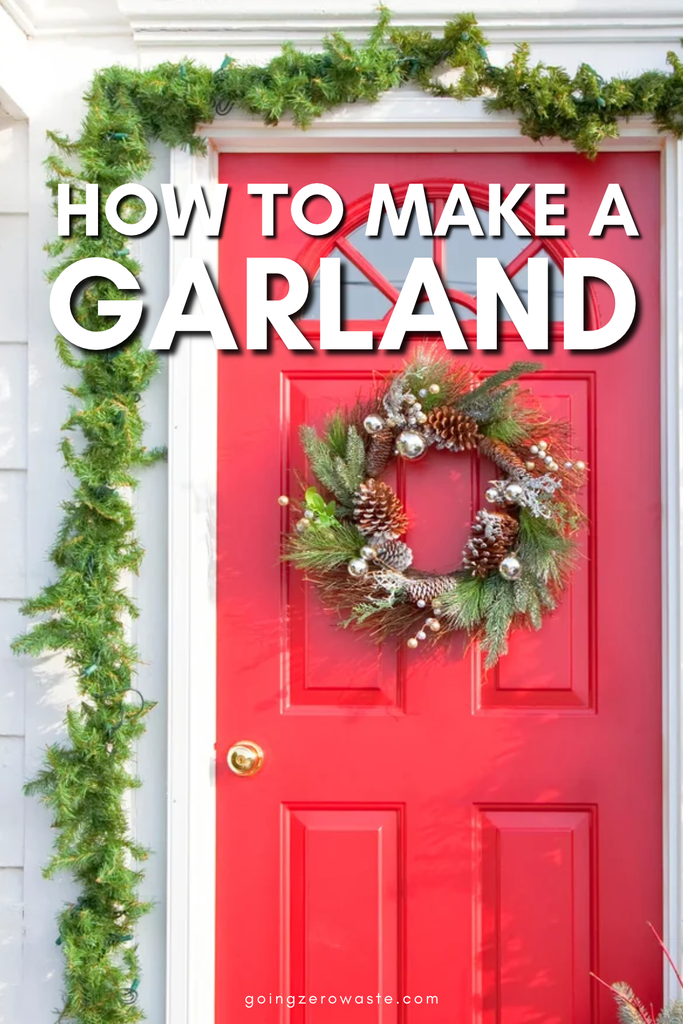
Creating a balanced and secure garland requires a methodical approach, moving from spatial assessment to structural assembly.
Step 1: Spatial Assessment and Measurement
The initial phase involves determining the exact dimensions of the installation area. Whether the intended display frames a residential doorway, a living room window, or a stone fireplace mantel, accurate measurements dictate the volume of pine required. Recording these dimensions prevents material shortages and ensures the finished piece hangs with the appropriate drape and proportion.
Step 2: Material Sorting and Organization
Once the boughs are collected, organizing the foliage establishes the visual hierarchy of the garland. Laying the greens out on a flat surface allows the decorator to arrange pieces by size and sturdiness. The thickest, most resilient boughs form the central structural spine of the piece, providing necessary strength. Tapered, delicate pieces are reserved for the terminal ends to create a natural, cascading effect. Pruning unruly stems at this stage ensures a clean silhouette.
Step 3: Assembly and Binding
Securing the arrangement requires a binding agent. Florist wire is commonly used for its tensile strength and subtlety, though dyed green twine serves as an eco-friendly alternative for those prioritizing a completely compostable assembly. Twine eliminates the need to strip wire during the post-holiday composting process, though it may require a more deliberate application to maintain structural integrity.
Binders should be tightly fastened at regular intervals along the spine, with secure knots tied at both terminal ends to prevent unraveling. To facilitate mounting, crafters can twist the wire or twine at the ends to form integrated loops. Optional decorative accents—such as dried citrus slices, pinecones, upcycled fabric ribbons, or winter berries—can be wired into gaps to enhance visual interest and fill sparse areas.
Step 4: Hanging and Display Techniques
The final phase involves mounting the botanical display safely within the home. Wall and doorframe anchors should be installed prior to hanging, with the number of support hooks dictated by the width of the aperture. Standard single doorways typically require two support points, while double and triple-width entryways necessitate three or four anchors, respectively, to distribute the weight evenly.
The garland is then suspended using the pre-made wire loops or draped naturally over the structural hooks. Installers can incorporate battery-operated LED string lights into the foliage before final adjustments are made. Weaving illumination through the evergreen boughs adds warmth and depth to the display, elevating the aesthetic of the handmade creation.
Broader Implications and Sustainability Trends
The rising popularity of handcrafted holiday decor reflects a broader socio-economic trend toward mindful consumption. As urban and suburban households seek ways to mitigate the financial pressures of the winter holiday season, practices that emphasize resourcefulness and community participation are gaining traction. Engaging friends and family in the collective process of foraging and crafting transforms routine decorating tasks into shared seasonal traditions.
Furthermore, the environmental implications of transitioning away from synthetic, petroleum-based holiday decorations are substantial. Plastic garlands and polyvinyl chloride (PVC) artificial greens persist in landfills for centuries, whereas natural botanicals integrate seamlessly into municipal composting programs or backyard organic bins. By establishing circular practices within domestic routines, consumers demonstrate how traditional holiday customs can evolve to meet modern ecological standards without sacrificing aesthetic value or festive spirit.