The Ultimate Guide to Feeding a Family With Different Food Preferences Without Becoming a Short-Order Cook


The modern domestic kitchen at 5:30 p.m. is frequently the site of a nightly logistical challenge: satisfying the conflicting nutritional demands, aversions, and preferences of multiple household members. One child may demand plain carbohydrates, another refuses green vegetables, a partner insists on heavy protein content, and the cook seeks a meal devoid of complaints. This dynamic often leaves caregivers exhausted, facing the choice between preparing separate custom
meals or enduring a tense dining table environment.
According to family nutrition experts and registered dietitians, this phenomenon is not indicative of a parenting failure. Rather, it is a widespread structural hurdle rooted in human biology, psychology, and household sociology. Navigating this landscape requires moving away from both the unsustainable role of the short-order cook and the authoritarian "eat what is served" mandate, opting instead for structured, practical methodologies that preserve household harmony and foster healthy relationship dynamics with food.
The Biological and Psychological Roots of Family Food Conflict
To understand why household dining friction occurs, researchers point to developmental psychology and sensory science. Children possess a biological predisposition toward familiar foods and a heightened sensitivity to bitter compounds found naturally in many vegetables—an evolutionary trait designed to protect young humans from consuming toxic substances. Furthermore, palate development is a gradual process requiring numerous, repeated exposures to a food item before acceptance is achieved.
Adult family members introduce additional variables. Spouses bring established dietary habits, cultural backgrounds, and learned aversions formed over decades. When these diverse palates collide in a single household, the evening meal becomes a microcosm of negotiation. Historically, domestic expectations placed the burden of culinary appeasement entirely on the primary food preparer. In contemporary households, where dual-income schedules and time constraints are the norm, this model has proven unsustainable.
Nutritional sociologists note that forcing children to consume specific foods under duress frequently backfires, creating negative psychological associations with eating that can persist into adulthood. Conversely, catering to individual demands by preparing separate dishes reinforces picky eating habits and places an undue labor burden on the cook. Consequently, contemporary pediatric and nutritional guidance emphasizes establishing a middle ground centered on autonomy, predictability, and shared culinary experiences.
Core Principle: Establishing the Single-Meal Standard
The cornerstone of an effective family nutrition strategy is the implementation of a single meal for the entire household. Rather than operating a commercial kitchen where individual orders are taken, the household prepares one cohesive dish or meal concept.

This approach serves two critical functions. First, it respects the time and energy of the person preparing the food, preventing burnout. Second, it normalizes the reality that meals are a communal event requiring compromise. However, making one meal does not mean ignoring individual preferences entirely. Instead, it shifts the presentation and construction of the meal to accommodate different comfort levels at the table without requiring extra cooking time.
Practical Strategies for Diverse Households
Health professionals and experienced home economists recommend several structural frameworks to implement the single-meal rule successfully without provoking household conflict.
Build-Your-Own Dinner (BYOD)
The Build-Your-Own Dinner model involves preparing components of a meal separately and presenting them in a modular format. Examples include taco bars, grain bowls, or DIY salad stations.
By separating the ingredients, children and adults alike gain a sense of agency over their plates. A child who is hesitant to consume mixed dishes can select plain rice, separate proteins, and discrete vegetables. Research into feeding dynamics indicates that providing children with autonomy over their plate composition significantly reduces mealtime anxiety and increases the likelihood of voluntary food exploration over time.
The Deconstructed Approach
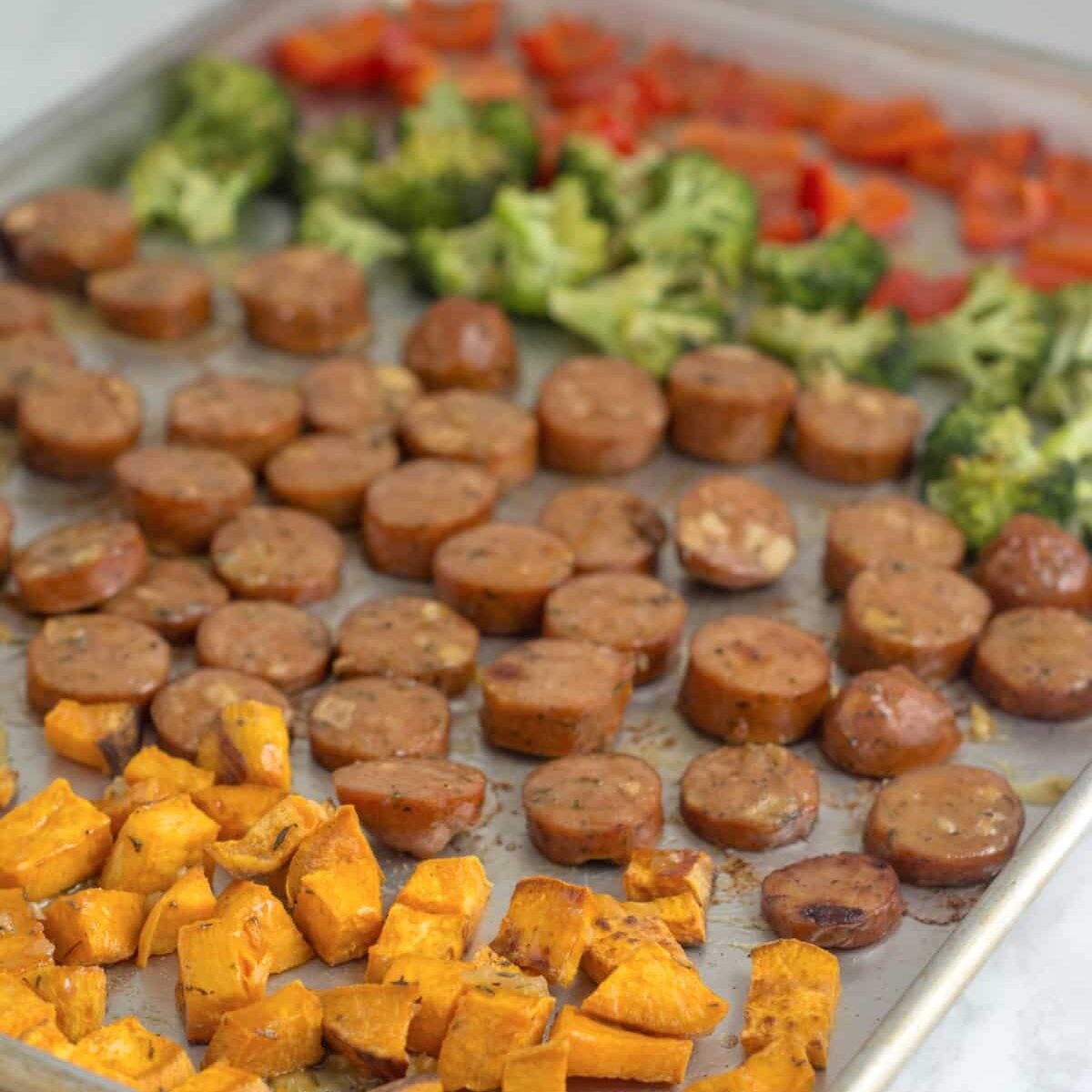
When a meal cannot naturally be served bar-style—such as a casserole, stir-fry, or sheet-pan dinner—the deconstructed approach offers a viable alternative. During the standard preparation process, the cook sets aside a portion of the raw or uncombined components in their plain form.
If a household member expresses an aversion to the final integrated dish, the plain components are readily available. This method requires minimal additional effort from the cook—often taking mere seconds during assembly—yet bridges the gap between what adults wish to consume and what hesitant eaters find palatable.
Implementing a Neutral Safe Food
When preparing complex or heavily flavored dishes that children or partners typically reject, culinary experts advise ensuring that at least one familiar, low-pressure food item—often termed a "safe food"—is present on the table. This is not a custom-ordered short-order item, but rather a standard component of the meal, such as bread, fruit, or plain rice, accessible to everyone.
The presence of a safe food lowers the overall tension of the dining environment. It reassures hesitant eaters that sustenance is available without turning the meal into a battle of wills. Caregivers are advised to present the safe food neutrally, allowing individuals to choose their intake without commentary, nagging, or coercion.
Favorites Night and Rotational Planning
Establishing a predictable schedule for meal selection validates all household members. By designating a specific night—such as a weekly rotation—where each family member selects the dinner menu, everyone’s preferences are systematically honored.
This predictability helps mitigate resistance during nights when the menu features unfamiliar or less favored foods. Knowing that a preferred meal is scheduled for later in the week reduces the psychological distress associated with unfamiliar culinary presentations.
Teaching Adaptability as a Core Life Skill
Beyond immediate nutritional intake, family meals serve as a primary behavioral training ground. Nutritional psychologists emphasize that teaching children and adolescents the concept that "every meal cannot be your favorite" is an essential developmental milestone.
In broader social contexts—such as attending school functions, dining at friends’ homes, or participating in professional events—individuals will routinely encounter food options that do not align with their personal preferences. Cultivating the ability to consume what is available, or politely navigate a meal composed of less-than-ideal options, is a critical practical competency.
Longitudinal observations of family dietary habits demonstrate that repeated, pressure-free exposure to rejected foods eventually yields positive results in many children. Foods that are consistently served without drama, coercion, or bribery frequently transition from rejected items to accepted preferences over months or even years. While this trajectory does not apply universally to every food item—particularly in cases involving sensory processing disorders or extreme medical aversions—it succeeds with a significant percentage of standard developmental pickiness.
Navigating Adult Discrepancies and Spousal Preferences
Food friction is not exclusively a pediatric challenge. Many households experience significant tension arising from divergent adult preferences, such as partners with strong aversions to specific ingredients, strict dietary philosophies, or rigid meat-and-potatoes expectations.
Addressing adult-driven food conflicts requires direct, empathetic communication outside of mealtimes. Experts recommend private conversations to discuss how adult reactions at the table influence children’s perceptions of food. Furthermore, applying the same modular strategies—such as deconstructed meals or build-your-own formats—can effectively bridge gaps between adult preferences. Establishing shared culinary responsibilities, where partners take turns planning and executing meals independently, also distributes domestic labor fairly and models collaborative problem-solving for younger family members.
Ultimately, the objective of family meal planning is not the elimination of all food preferences or the achievement of culinary perfection at every sitting. Rather, it is the creation of a sustainable, low-stress environment where nourishment, connection, and mutual respect intersect.