The landscape of modern K-12 education is undergoing a profound transformation as schools move away from traditional, compliance-based models toward frameworks rooted in radical inclusion and accessibility. While legislative milestones like the Individuals with Disabilities Education Act (IDEA) established the right to a free appropriate public education, the practical implementation of inclusive classrooms remains a significant hurdle for many educators. Recent research from inclusion experts suggests that the most critical barrier to student success is not a lack of resources, but rather a set of deeply ingrained, often subconscious, pedagogical biases. By adopting a "strengths-based" mindset, educators are finding that they can significantly improve academic and social outcomes for students who were previously marginalized or misunderstood.
The Evolution of the Inclusive Classroom
For decades, the standard approach to special education was defined by a "deficit lens," which prioritized the identification of what a student could not do. This diagnostic approach was designed to categorize students into specific service buckets. However, educational psychologists now argue that this model inadvertently traps students in a cycle of lowered expectations.
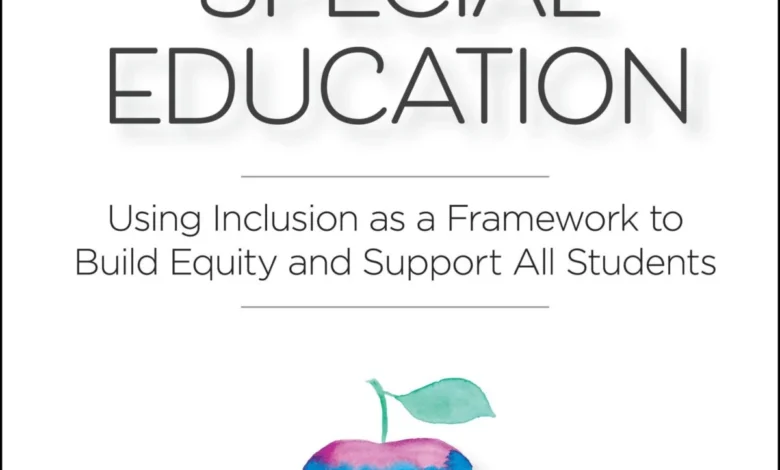
Data from the National Center for Education Statistics (NCES) indicates that while approximately 15% of all public school students receive special education services, the achievement gap between these students and their general education peers remains persistent. In response, a growing movement led by researchers such as Jenna Rufo and Julie Causton is advocating for a shift in perspective. Their work, documented in academic literature like Reimagining Special Education, highlights that when teachers presume competence—the "least dangerous assumption"—students are statistically more likely to engage with rigorous curriculum and reach grade-level milestones.

Chronology of Educational Reform
The shift toward modern inclusion did not occur overnight. It is the result of a long-standing tension between segregated support systems and the push for total integration.
- 1975: The Education for All Handicapped Children Act is passed, mandating that children with disabilities have access to public education.
- 1990s: The shift from "mainstreaming" (placing students in general education with the expectation they keep up) to "inclusion" (changing the environment to fit the student) begins to gain traction in professional development circles.
- 2010s–Present: A surge in neurodiversity awareness forces a re-evaluation of behavioral interventions. Schools begin moving away from punitive measures and toward trauma-informed care and Universal Design for Learning (UDL).
The current focus is on systemic flexibility. Rather than creating specialized tracks for students with diverse needs, educators are now encouraged to apply the "variability perspective." This approach acknowledges that all students, not just those with identified disabilities, benefit from a variety of instructional methods, such as visual modeling, peer-to-peer brainstorming, and multi-modal project submissions.
The Neuroscience of Behavior and Regulation
A significant portion of the recent discourse in inclusive education centers on the neurological basis of student behavior. Traditional disciplinary models often rely on rewards and consequences, assuming that a student’s failure to comply is a willful choice—a "won’t." However, neurobiological research into trauma and sensory processing disorders suggests that many behaviors are involuntary responses triggered by the amygdala, or what educators refer to as the "downstairs brain."
When a student enters a "fight, flight, or freeze" state, the executive functions of the prefrontal cortex go offline. In these moments, standard behavioral incentive programs are ineffective and potentially harmful. Instead, experts like Jen Alexander suggest that students require environmental regulation and safety before they can re-engage with academic material. This transition from "punishment" to "support" is supported by data indicating that trauma-informed schools see lower rates of suspension and higher levels of student engagement over the long term.

Addressing the "Attention-Seeking" Myth
One of the most persistent, yet damaging, labels in the classroom is "attention-seeking." Educational researchers point out that in a developmental context, the need for human connection is a fundamental biological drive, not a behavioral flaw. Labeling a child as "attention-seeking" often serves to pathologize a basic need for belonging.
Recent professional development guidelines encourage teachers to proactively offer one-on-one time, effectively "front-loading" the attention a student needs before they reach a state of dysregulation. By viewing this behavior as a sign of health and a request for support, teachers can mitigate potential classroom disruptions before they escalate. This shift in framing has been linked to improved teacher-student relationships, which is a primary indicator of student retention and success in secondary school environments.
Integrating Special Interests as Pedagogical Tools
The inclusion of student passions—often referred to as "special interests" in the context of autism and neurodivergence—is another area where teaching strategies are evolving. Historically, teachers were cautioned to move students away from these interests to encourage "well-rounded" development. Modern research, championed by experts like Paula Kluth, argues the opposite: these interests are the most powerful "hooks" for learning.
By embedding a student’s fascination—whether it be trains, pop culture, or historical geography—into core curriculum requirements, educators increase student motivation and mastery. A student who struggles with abstract writing prompts may excel when tasked with applying the same structural principles to a subject they are deeply invested in. This approach does not sacrifice academic rigor; rather, it provides a scaffolding mechanism that allows the student to demonstrate competence in a way that aligns with their cognitive strengths.

Implications for School Policy and Practice
The broader implication of these shifts is a move toward a more human-centric school culture. This involves "thinking like a parent," a strategy that encourages educators to consider how they would want their own family members treated within the system. This perspective shifts the administrative tone from one of "control and compliance" to one of "care and stewardship."
Analysis of current pedagogical trends suggests that as classrooms become more diverse—both neurobiologically and culturally—the old "one-size-fits-all" model is becoming increasingly untenable. Schools that adopt these mindset shifts are reporting:
- Reduced burnout among staff: Teachers who adopt a strengths-based approach report feeling more effective and less frustrated by student behaviors.
- Higher student agency: Students who are given choices in how they demonstrate learning are more likely to take ownership of their education.
- Improved school climate: By treating behaviors as communication rather than defiance, school leaders see a decrease in adversarial relationships between students, teachers, and families.
Moving Forward
As school districts nationwide evaluate their curricula and behavioral policies, the consensus among inclusion experts is clear: meaningful change begins with the educator’s internal framework. Dismantling the "deficit lens" requires continuous self-reflection and a willingness to challenge long-held assumptions about student competence and behavior.
While the administrative burden of implementing these changes can be significant, the long-term impact on the student population is profound. By moving toward a model that prioritizes safety, strengths, and flexibility, schools are not just accommodating students with disabilities—they are creating a more effective, inclusive, and compassionate learning environment for every child. As the educational sector continues to navigate these complex social and academic challenges, the integration of these mindset shifts will likely remain a central pillar of professional development and school improvement initiatives for the foreseeable future.